









800 5th Avenue NW, Kasson, MN 55944
To contact a resident: (507) 634-9500
For more information about senior living options: (866) 208-4318
Prairie Meadows Senior Living Costs & Pricing
At Prairie Meadows Senior Living, residents can enjoy competitive pricing when compared to both Olmsted County and the broader state of Minnesota. For a studio unit, the monthly cost is $2,900, significantly lower than the county average of $4,357 and the state average of $3,617. The one-bedroom option is priced at $3,750, which is slightly above the county's rate of $3,647 but notably higher than the state average of $2,893. Meanwhile, for those seeking more space in a two-bedroom unit, Prairie Meadows offers a monthly rate of $5,100. This figure exceeds both the county's average of $4,447 and the state's average of $2,955. Overall, while some unit types align closely with local averages, Prairie Meadows presents an appealing value for those focused on studio living amidst rising costs in the region.
| Floor plans | Prairie Meadows Senior Living | Olmsted County | Minnesota |
|---|---|---|---|
| Studio | $2,900 | $4,357 | $3,617 |
| 1 Bedroom | $3,750 | $3,647 | $2,893 |
| 2 Bedrooms | $5,100 | $4,447 | $2,955 |
Overall Review of Prairie Meadows Senior Living
Pros
 The staff are described as wonderful, and Blaire and Jason are an amazing team promoting the community.
- Jaybird Senior Living is nothing short of amazing and supportive, taking time to listen and provide help.
- Memory Care residents receive excellent care, with treatment plans updated as conditions change, and they are welcomed by staff.
- Resident rooms are large, and residents can decorate with familiar items, which they appreciate.
- Blaire plans fun, engaging events with great food, and the residents appear happy and well cared for.
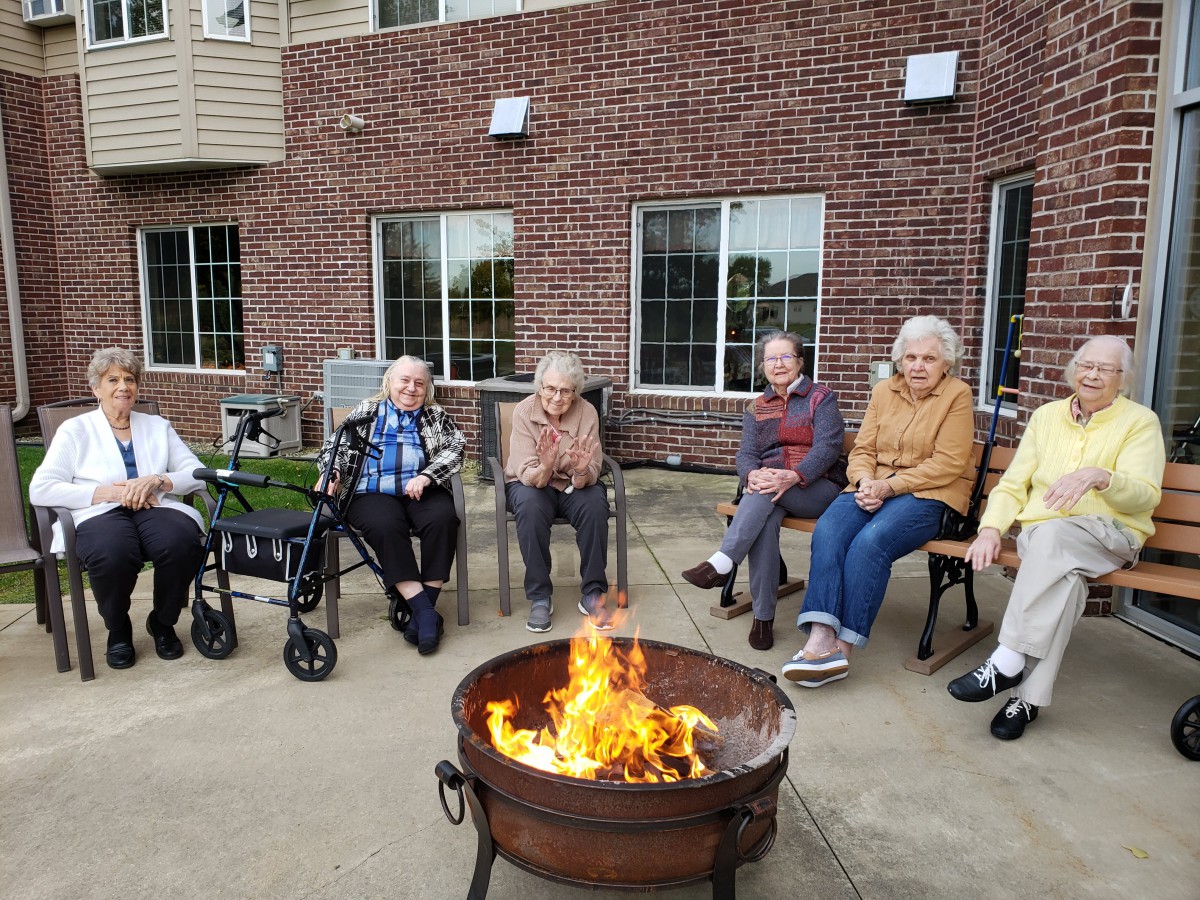
- Prairie Meadows is a small, friendly community with staff who clearly care for the residents and offer a variety of activities.
- The staff are consistently friendly, kind, and caring.
Cons
 One reviewer warns that the facility should not be considered for a loved one, calling it a horrible place.
- The nurse Chelsey is described as completely incompetent.
- A family member was charged $900 per month for shower assistance that was never provided.
- The reviewer states the resident was never given a shower and was not cared for unless a family member intervened, while staff were reportedly always on their phones.
- Do not send your loved ones to memory care at Prairie Meadows.
- The Director of Nursing is described as mentally unstable.
- Used to be a wonderful place, but the new management is terrible.
Review
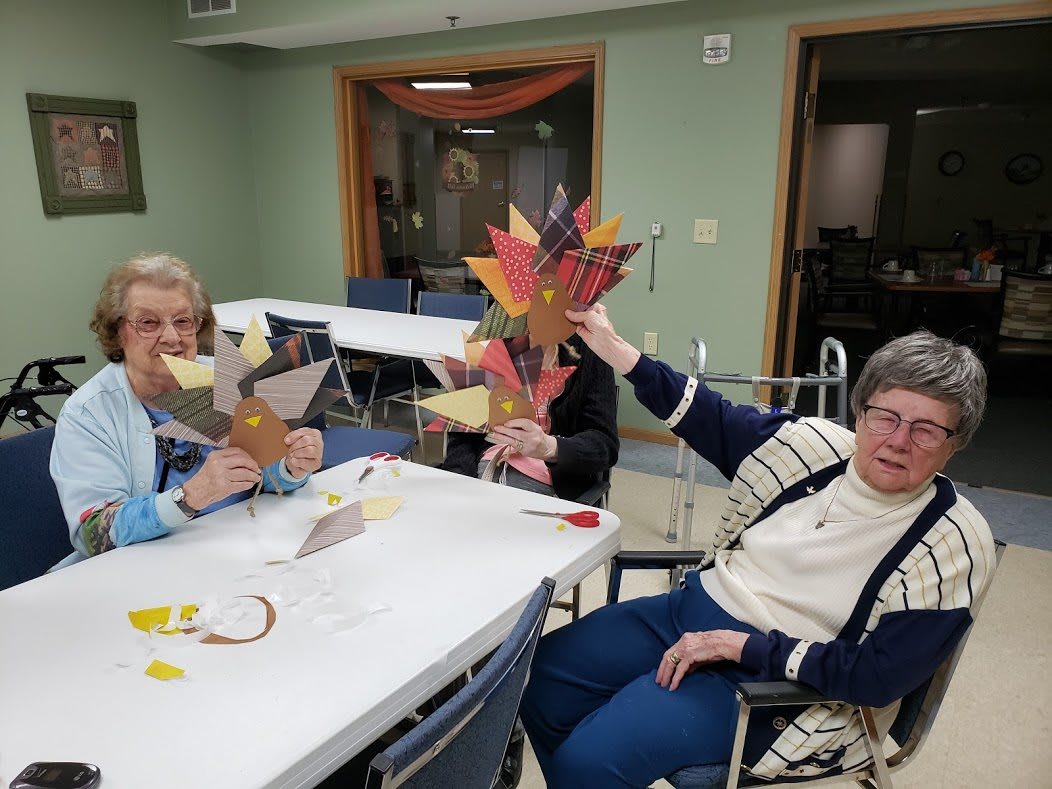
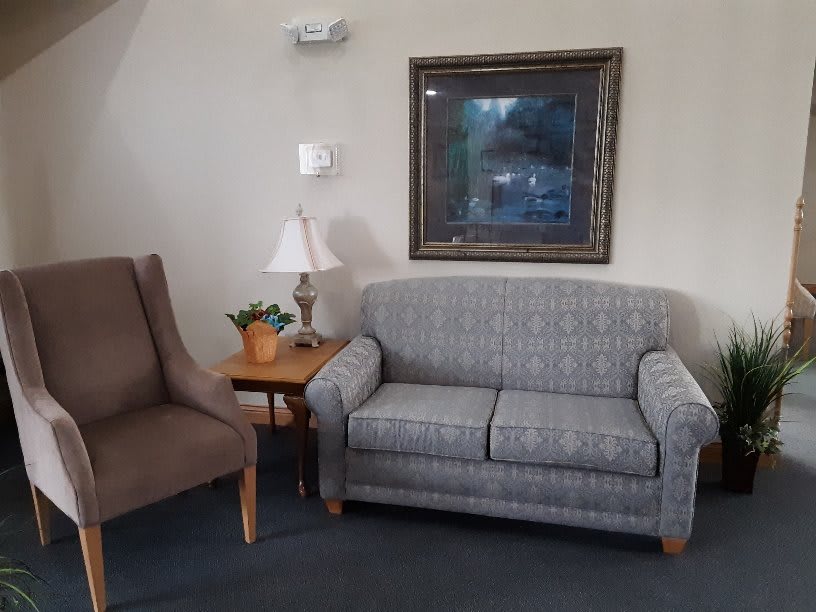
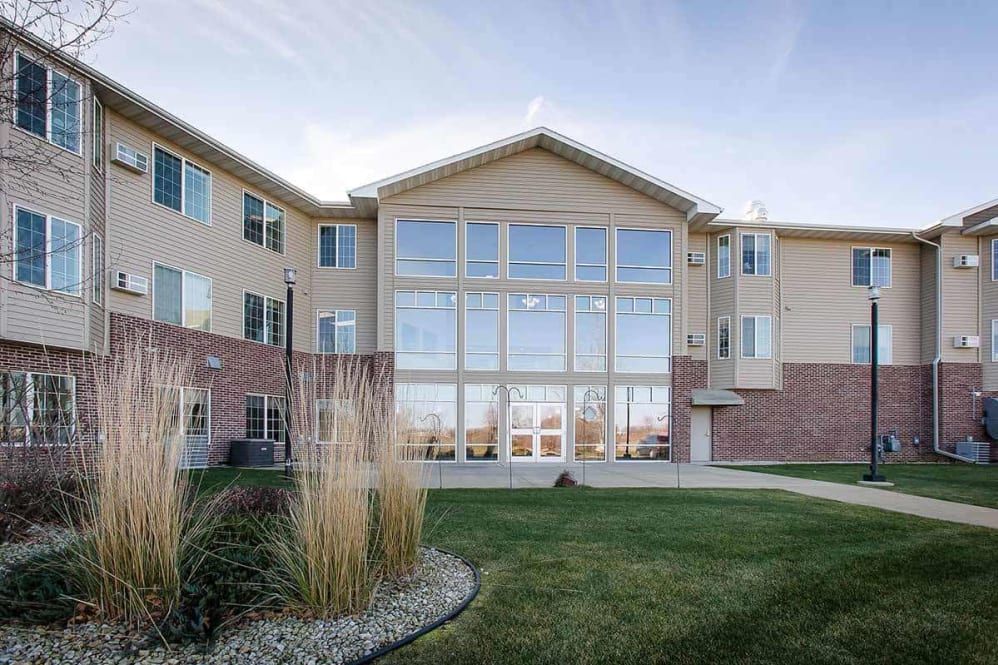
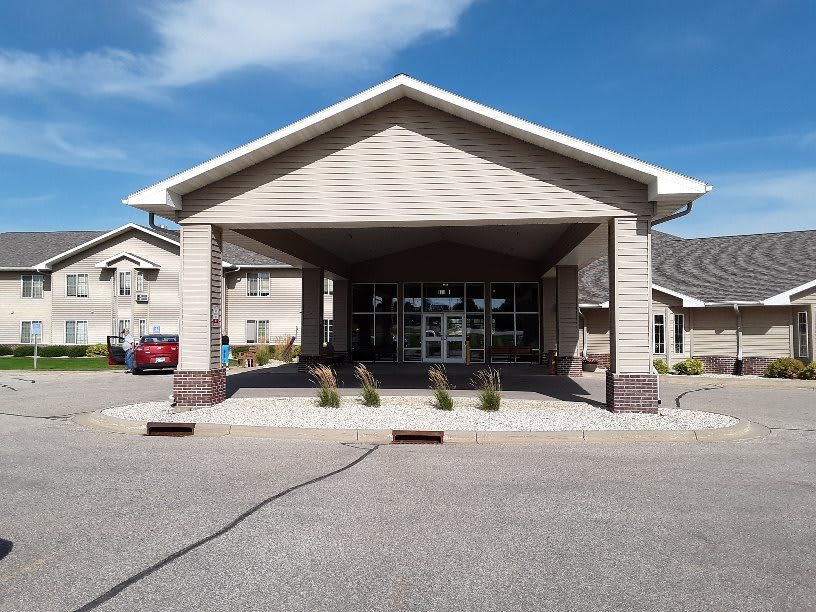
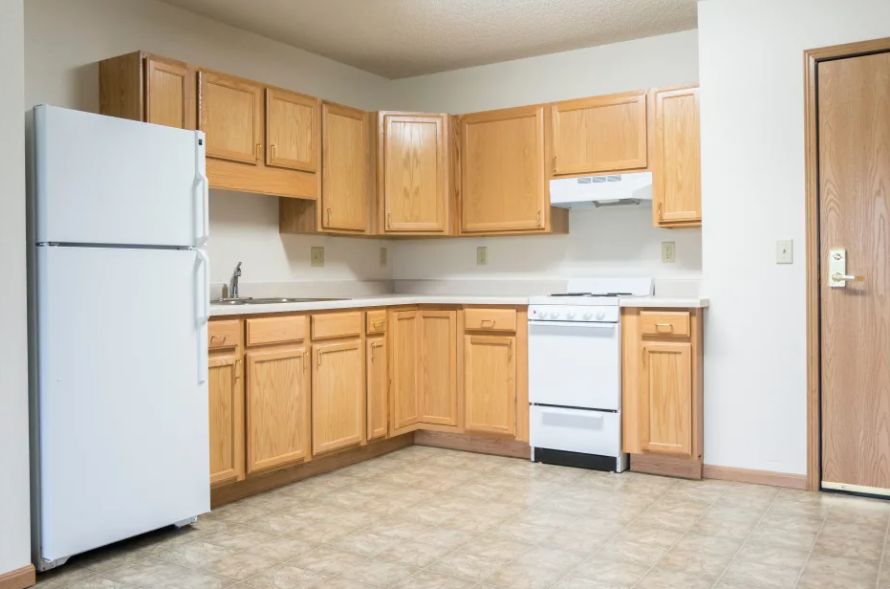
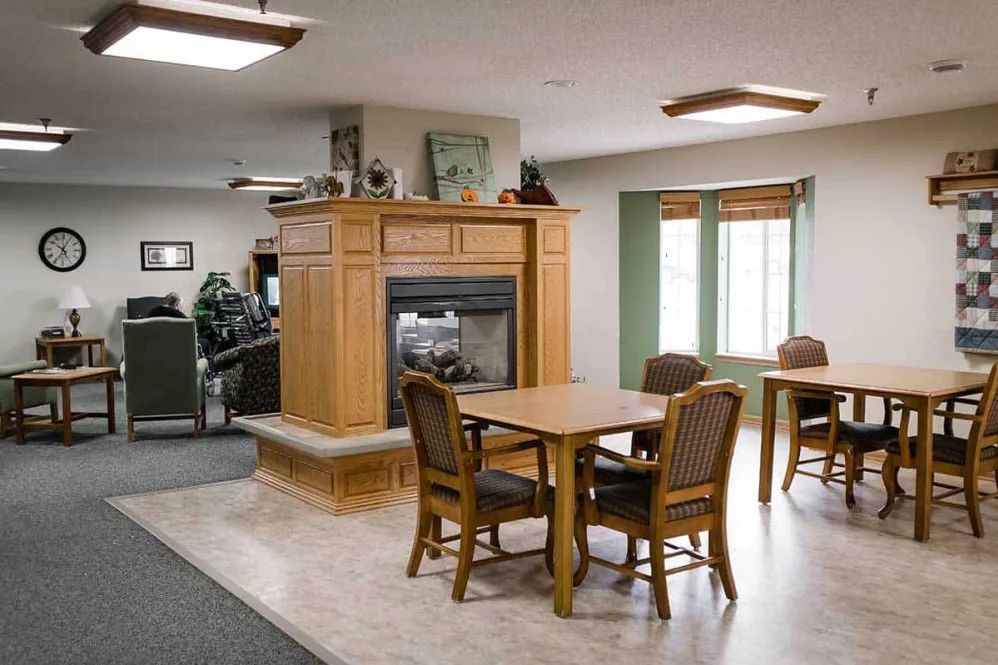
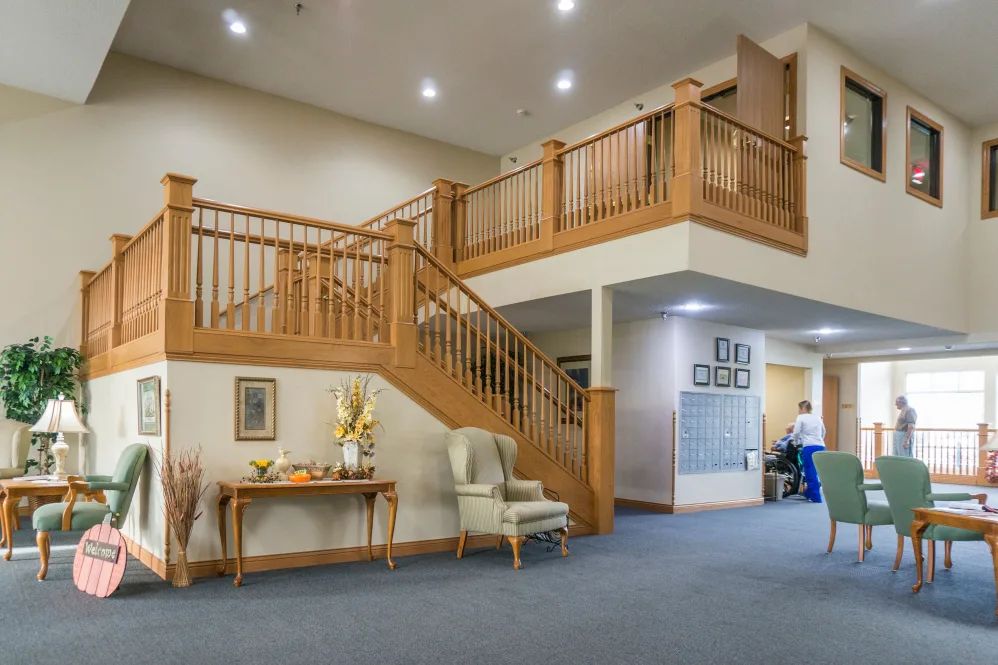
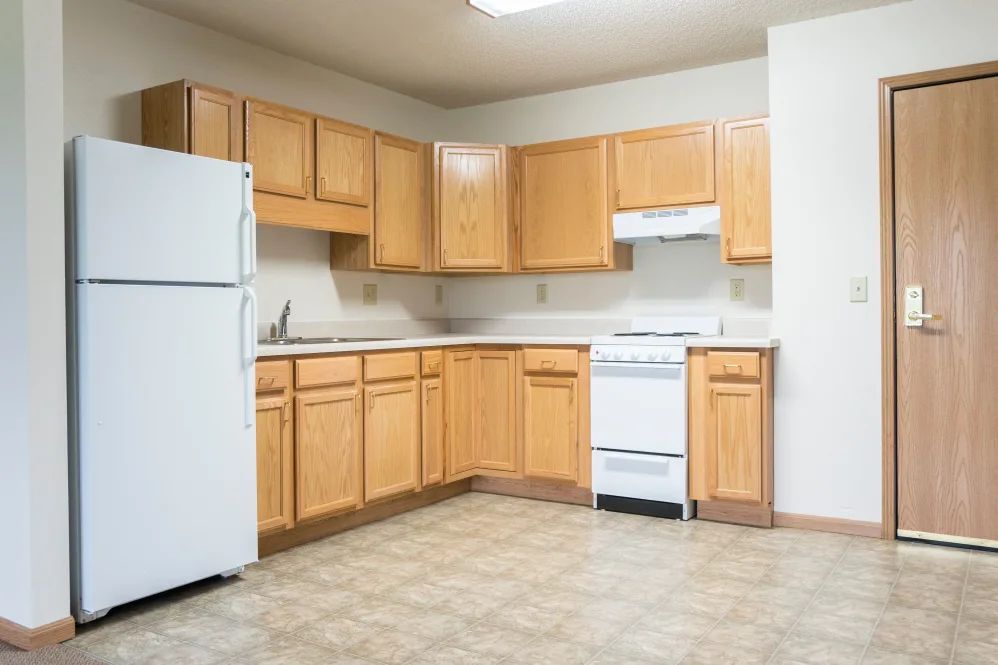
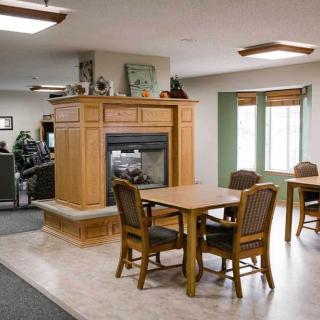
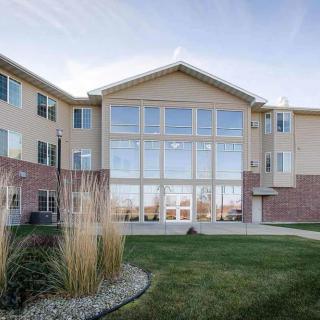
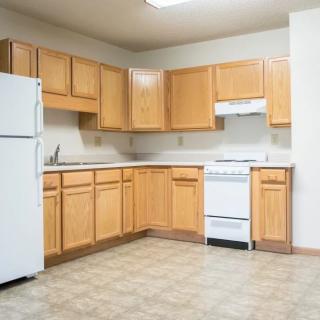
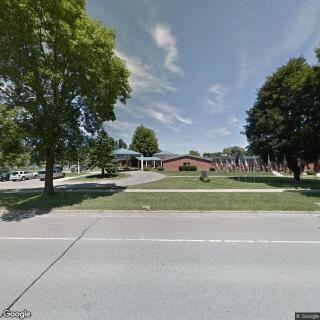
Prairie Meadows Senior Living in Kasson, Minnesota is best suited for families seeking a small, intimate community where staff know residents well, daily life feels like a home, and memory care is delivered in a focused, hands-on way. The property presents as a warm, almost-new setting with 500–600 square-foot apartments that accommodate wheelchair access and familiar decor, large windows, and private areas for residents. The memory care unit stands out for its deliberately low resident-to-staff ratio, which translates into more individualized attention and calmer daily routines. For families who prize engagement, the atmosphere fosters social connection through a steady stream of activities, from theatre and arts programs to garden clubs and daily exercise, with transportation available for errands and shopping.
Careful consideration is warranted for those who may want alternatives. Several reviews raise red flags about consistency and reliability in day-to-day care, and these concerns cut across shifts and management eras. Not all staff interactions meet expectations, and some families report gaps in basic care tasks, such as bathing or timely meals, alongside frustration with communication and responsiveness. A few assessments reference management turnover or perceived instability, and a few families describe experiences that are difficult to reconcile with the facility’s otherwise positive portrayals. Prospective residents with high clinical needs or those requiring unwavering, proactive oversight may wish to compare options with stronger, more uniform governance or larger caregiver teams.
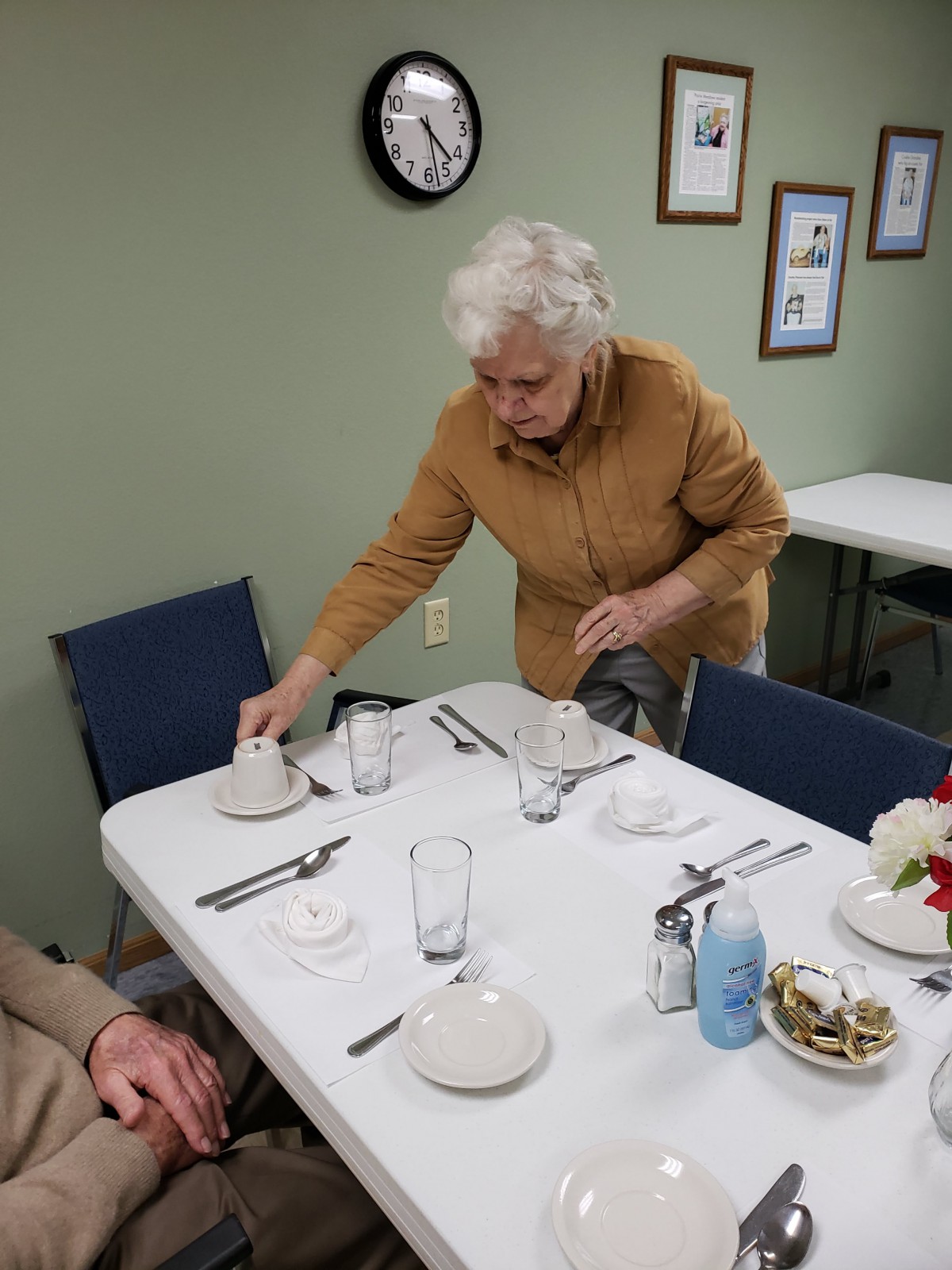
On the upside, Prairie Meadows earns strength from its intimate size and the caliber of people who are highlighted by families as sources of real care. Staff described as friendly, kind, and dedicated, especially in memory care, help residents feel seen and valued. The memory care unit, often cited as a bright spot, offers more staff per resident and dedicated routines that accommodate changing needs, which families say translates into more stable meals, activities, and companionship. Visitors repeatedly note the home-like environment, comfortable rooms, and the opportunity to decorate personal spaces with familiar items, elements that help reduce anxiety and promote dignity. The programming is robust and varied, with daily activities that keep residents engaged, and a dining experience praised for home-style meals and a welcoming atmosphere.
Yet the picture is not uniformly rosy. The most troubling reviews point to inconsistent communication and occasional lapses in basic care, from missed showers to meals not being provided unless family members intervene. The comments about staff being distracted or not fully present on certain shifts, paired with anecdotes about management concerns, suggest that reliability can be uneven. For families evaluating Prairie Meadows, these gaps matter because daily trust in care teams is central to comfort and safety, especially for memory-care residents who rely on steady routines and vigilant oversight. The volume of mixed experiences means that outcomes are highly contingent on specific caregiving teams and current leadership.
The key pros and cons thus interact in a practical, decision-driving way. The petite, home-like setting, strong memory-care emphasis, and broad activity calendar are meaningful positives that can offset minor scheduling hiccups and occasional communication delays. For families that value a community feel, accessible apartments, pet-friendliness, and a track record of engaged programming, Prairie Meadows can deliver meaningful quality of life improvements for a loved one. However, for those with persistent concerns about consistency, fidelity of care, or leadership stability, these advantages may not fully compensate for the perceived risk of lapses or the sense that care can vary by shift or management phase.
To move forward confidently, engage in a rigorous, first-hand assessment. Visit the community with specific questions about staff-to-resident ratios, especially in memory care, and request to observe a shift in action. Speak with current residents’ families about their recent experiences, and ask to meet both the front-line team and the memory-care director to gauge responsiveness and communication style. Inquire about the care planning process, how often plans are updated, and how families are kept informed (the best practices include proactive updates rather than ad-hoc calls). Verify details about transportation, meal services, and activity calendars, and confirm the exact parameters of pet policies and apartment options. Prairie Meadows offers a solid, appealing option for a small, engaged community, but only when management continuity and consistent caregiving are clearly demonstrated at the time of enrollment.
 21 resident community capacity
 1-bedroom apartments
 Assisted Living
 Memory Care
 Cats allowed
 Dogs allowed
 Activities off-site
 Air-conditioning
 Beautician on-site
 Cable or satellite TV
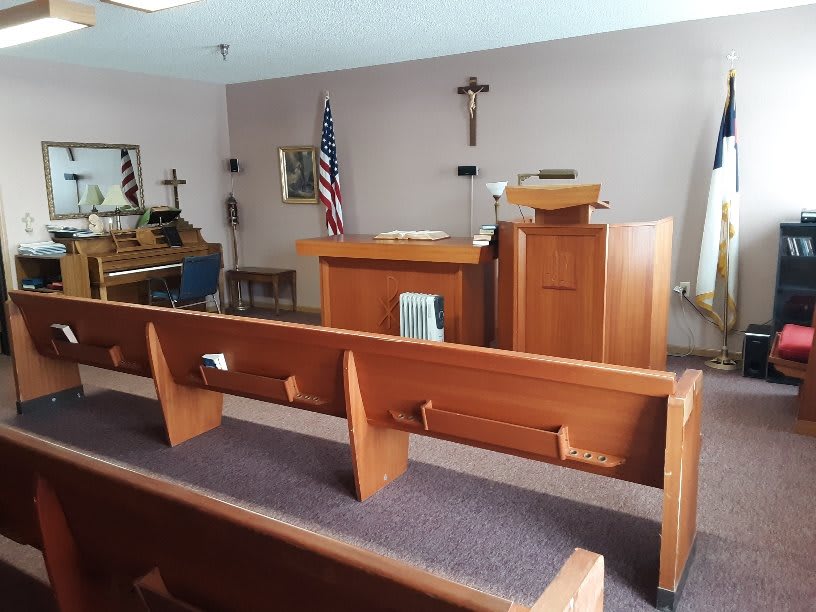
 Devotional services on-site
 Dining room
 Full kitchen
 Fully furnished
 Garden
 Handicap accessible
 Housekeeping services
 Indoor common areas
 Move-in coordination
 Outdoor common areas
 Pet friendly
 Resident parking
 Respite or short term stays offered
 Telephone
 Wi-Fi/high-speed internet available
 Rochester International (16 miles away)
 Transportation & parking
 24-hour call system
 Assistance with bathing
 Assistance with dressing
 Assistance with transfers
 Diabetes diet
 Diabetic care
 Incontinence care
 Meal preparation and service
 Medication management
 Mental wellness program
 Special dietary restrictions
 Transportation arrangement (medical)
 Art classes
 Catholic services
 Day trips and outings
 Educational speakers / life long learning
 Happy hour
 Live musical performances
 Live well programs
 English




 Dementia Behaviors: In-Depth Understanding and Effective Coping Strategies
 5 Early Indicators of Dementia and What You Can Do
 8 Important Indicators That Memory Care May Be Necessary