
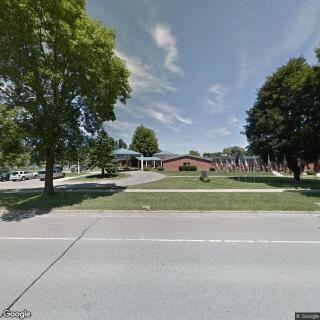
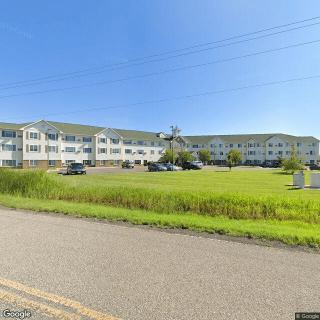
702 10Th Avenue Northwest, Po Box 10, Dodge Center, MN 55927
For more information about senior living options: (866) 208-4318
Overall Review of Fairview Care Center
Pros
 The facility is awesome, with caring staff who provided excellent care.
- The staff looked after visiting family members with warmth and attentiveness.
- The facility combines warmth and friendliness with professional, knowledgeable, and disciplined personnel.
- There is a strong focus on rehabilitation, with clear steps to help residents return home.
- Overall, the facility receives high praise and is likely to impress others.
Cons
 The admin staff only care about making a profit and not the care of the residents.
- They are highly disappointed and would not recommend the facility to anyone.
- It is not a friendly environment; they would never place a family member there.
- The admin and finance staff are profit-focused.
- There is nothing for younger kids to do.
Review
Fairview Care Center in Dodge Center is best suited for families seeking a rehabilitation-centric experience where warmth from frontline caregivers sits beside a disciplined clinical program. The center earns trust for short-term, post-acute recovery with a clear aim of returning residents home. When the priority is skilled rehab after a fall or surgery, and when caregivers who know residents by name are valued, this center stands out. The ambiance can feel welcoming, and the caregiving staff often demonstrates care in the moment that matters most. That said, this is not a one-size-fits-all choice. For families prioritizing a consistently ultra-friendly administrative culture, or a fully enabled social life across all shifts, other communities may be a better fit.
Consider alternatives if the decisive factors include transparent, resident-centered administration and a truly cheerful, everyday environment. Several reviewer voices flag admin and finance teams as profit-oriented, and friends and family members seeking a consistently warm social atmosphere may be disappointed. A few notes also point to an environment that doesn’t feel particularly friendly or inclusive, which can be a meaningful drawback for long-term residents or for families who want daily positivity from all staff, not just bedside caregivers. In addition, a program that increasingly emphasizes rehab at the expense of wide-ranging activities may not satisfy those who want a lively community life beyond episodic visits.
On the upside, the core advantages are compelling. Frontline caregivers are often described as caring and attentive, with some families reporting excellent care for loved ones and even support offered to visiting relatives. The rehab program is described as focused, professional, and effective, with staff who are knowledgeable and disciplined and capable of guiding a resident through the process of getting back home after a fall. The "hybrid" quality, that blend of warmth and clinical competence, creates a practical environment where residents feel known and treated with respect, not just managed. These strengths directly address the decisive goal of recovery and safe discharge, which can offset concerns about administration and social programming in the short term.
However, the notable cons carry weight. Multiple reviewers bluntly accuse admin and finance staff of being profit-driven, implying a misalignment between what residents need day-to-day and what administrative rhetoric emphasizes. That perception erodes trust for families who expect a transparent, resident-first approach from the top down. Other feedback mentions a lack of a consistently friendly environment, suggesting that the experience can vary by shift or department. For families evaluating long-stay options or those who depend on daily social engagement for a loved one, this inconsistency may be a significant deterrent, especially if the center’s social calendar or internal culture does not meet expectations.
Yet there is still a practical target for households weighing the decision. If the primary objective is rehab success and a staff culture that genuinely respects residents as people in recovery, Fairview Care Center can deliver. The positive experiences highlight real outcomes: post-acute rehabilitation that emphasizes readiness to return home and a staff that feels professional and capable. The warmth described by some families, people who know each other and care about each other's wellbeing, can translate into meaningful daily interactions that help comfort residents during a stressful transition. The bottom line is that these advantages can compensate for the drawbacks when the care plan centers on short-term recovery with a clear discharge path.
For practical next steps, pursue a targeted tour with a rehab-focused lens. Ask how the center matches clinical goals to daily routines, what the rehab team’s credentials are, and how discharge planning is handled. Probe the admin philosophy: how is resident welfare prioritized in budgeting and staffing decisions? Inquire about social programming, what activities exist for residents and families, and how often they are updated, and whether the center supports longer stays if needed. If a family places a premium on ongoing social vitality and a consistently warm administrative climate, it may be prudent to compare with other communities. For those whose priority is robust post-acute recovery and a caring frontline culture, Fairview Care Center remains a viable, practical option that can deliver solid outcomes when aligned with the right care plan.
 55 resident community capacity
 Skilled Nursing Facility
 Air-conditioning
 Beauty salon
 Cable or satellite TV
 Computer center
 Dining room
 Fitness room
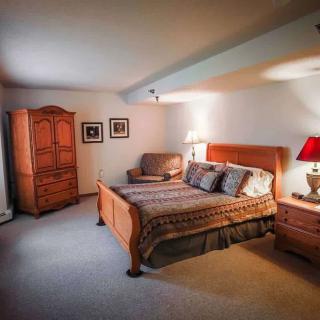
 Fully furnished
 Gaming room
 Garden
 Housekeeping services
 Kitchenette
 Move-in coordination
 Outdoor space
 Private bathrooms
 Restaurant-style dining
 Small library
 Telephone
 Wellness center
 Wi-Fi/high-speed internet available
 Rochester International (21 miles away)
 Community operated transportation
 12-16 hour nursing
 24-hour call system
 Activities of daily living assistance
 Assistance with bathing
 Assistance with dressing
 Assistance with transfers
 Diabetes diet
 Medication management
 Mental wellness program
 Special dietary restrictions
 Concierge services
 Planned day trips

 Encouraging Participation in Adult Day Care: A Guide to Supporting a Hesitant Parent
 Comprehensive Exploration of Living Wills and Other Advance Directives
 A Detailed Exploration of Living Wills and Advance Directives