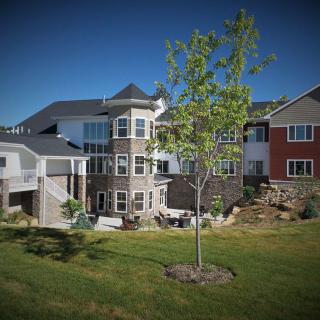
Residents and families repeatedly say the community is exceptionally clean and well maintained.
Multiple reviews emphasize cleanliness, describing a spotless feel and a facility that stays fresh after daily life begins. Several people also mention that the building looks well cared for and maintained, with homes that feel updated and bright. A few families specifically connect the cleanliness to feeling comfortable and confident in day-to-day routines.
common19 reviews mention this
Staff care is a consistent theme
Residents and families describe staff as attentive, caring, and present when help is needed.
Reviews often return to how supported people feel by staff across multiple departments, from nursing and aides to housekeeping and activities. Families describe prompt responses when needs change, along with interactions they characterize as warm and respectful. Even when describing difficult periods, reviewers say staff showed up consistently and treated their loved one with care.
common9 reviews mention this
Activities keep residents engaged
Many reviews highlight scheduled activities and social options that help residents stay engaged.
Residents and families describe regular programming such as entertainment, music, and bingo, along with opportunities for outings and socializing. Several reviews also mention how quickly residents seem to participate, including community-style gatherings that take place near residents’ rooms. Overall, people portray activities as a meaningful part of daily life, not just an occasional event.
differentiator5 reviews mention this
Memory care support includes care updates
For memory care, residents receive support that families describe as adapting as symptoms change.
Several reviews describe loved ones living in memory care and point to how the care plan adjusts as dementia needs evolve. Families mention changes to medications or treatment plans when behaviors or health status change, including when aggression becomes an issue. Reviews also describe a structured approach that pairs memory-focused programming with ongoing coordination of care needs.
common3 reviews mention this
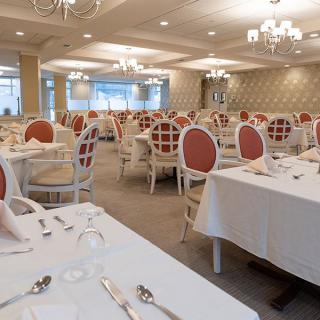
Dining draws positive feedback
Dining is frequently described as enjoyable, with families noting strong food satisfaction.
A few reviewers directly call out the quality of meals, including comments about delicious food. Others mention that residents dine together and that menu choices are a bright spot for daily life. The community also lists specific diet support categories, which aligns with families mentioning food being handled around individual needs.
How we summarize
Counts show how many written reviews mention each theme; a review can touch several themes, and only frequently mentioned themes are displayed.
Features
Housing
21 resident community capacity
Types of Care
Assisted Living
Memory Care
Amenities
Beauty salon
Cable or satellite TV
Dining room
Fully furnished
Garden
Housekeeping services
Kitchenette
Move-in coordination
Outdoor space
Telephone
Wi-Fi/high-speed internet available
Transportation
Rochester International (11 miles away)
Care Services
24-hour call system
24-hour supervision
Activities of daily living assistance
Assistance with bathing
Assistance with dressing
Assistance with transfers
Coordination with health care providers
Dementia waiver
Diabetes diet
Hospice waiver
Meal preparation and service
Medication management
Mental wellness program
Mild cognitive impairment
Special dietary restrictions
Specialized memory care programming
Transportation arrangement (medical)
Transportation to doctors appointments
Dining
Diabetes diet
Special dietary restrictions
Activities
Community-sponsored activities
Resident-run activities
Scheduled daily activities
Nearby Places of Interest
Pharmacies
Market Place Pharmacy (0.4 miles)
Hy-Vee Pharmacy (5.4 miles)
Pharmaceutical Specialties (6.1 miles)
CVS Pharmacy (6.4 miles)
Target Pharmacy (6.4 miles)
Walmart Pharmacy (6.4 miles)
Kasson Drug (6.4 miles)
Hospitals
Olmsted Medical Center (0.4 miles)
Olmsted Medical Center (5.3 miles)
Francis Building - Saint Marys Hospital (7.1 miles)
Mary Brigh Building - Saint Mary's Hospital - Mayo Clinic (7.1 miles)
Generose Building (7.1 miles)
Saint Marys Hospital (7.1 miles)
Joseph Building - Saint Marys Hospital (7.2 miles)
Madonna Meadows offers a comprehensive range of features designed to support residents with dementia or Alzheimer's disease effectively. Assistance with dressing and bathing ensures that personal hygiene and comfort are maintained, fostering dignity in daily routines. Medication management is crucial for maintaining health and preventing complications, while meal preparation and service cater to nutritional needs tailored for those with cognitive challenges. Transportation arrangements facilitate access to medical appointments, ensuring continuity of care through coordination with healthcare providers. Activities of daily living assistance helps residents engage in meaningful tasks, promoting independence and a sense of purpose. Round-the-clock supervision ensures safety and immediate support when needed. The dementia waiver acknowledges the unique needs of residents, supported by specialized memory care programming aimed at enhancing cognitive function and social interaction. Additionally, programs focusing on mental wellness address the emotional aspects of memory disorders, particularly for those experiencing mild cognitive impairment, contributing to an overall environment conducive to well-being and quality of life.
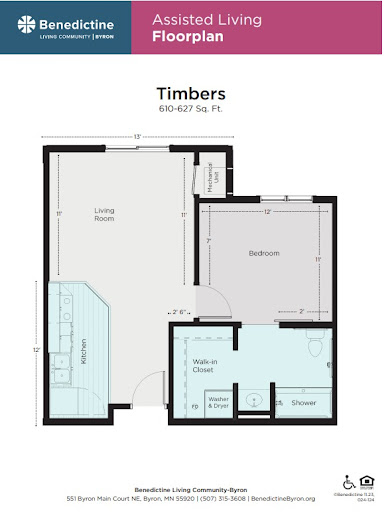
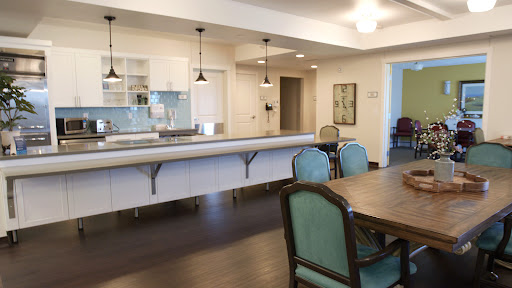
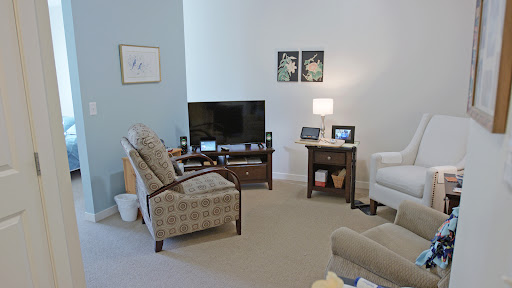
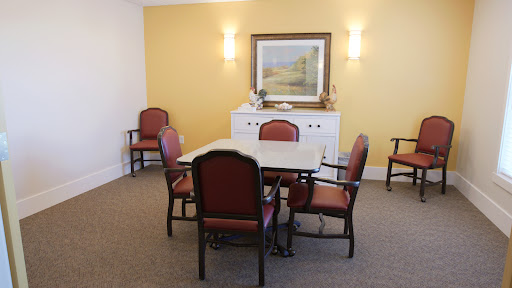
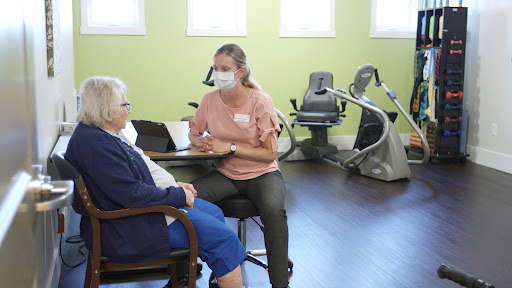
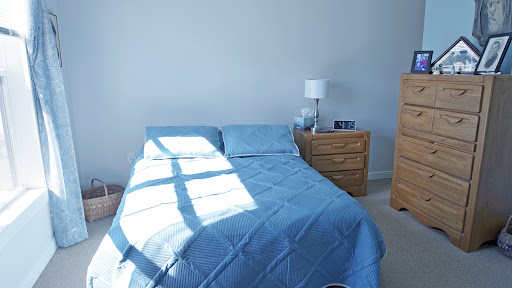
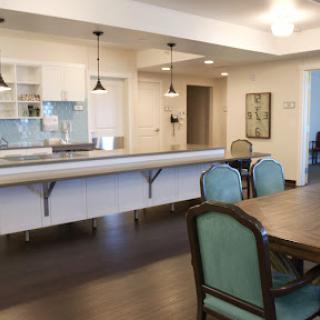
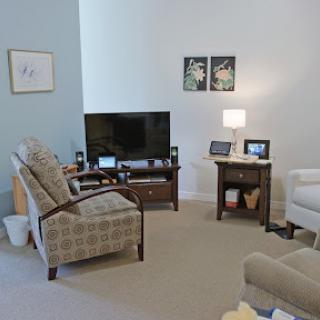
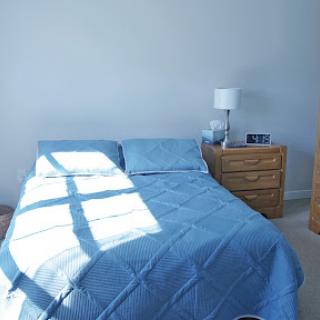
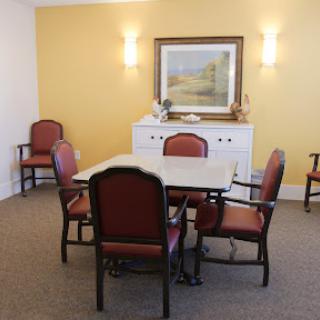
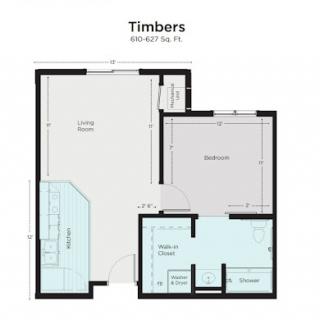
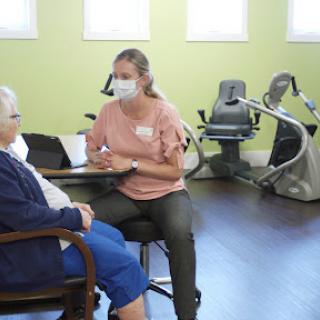
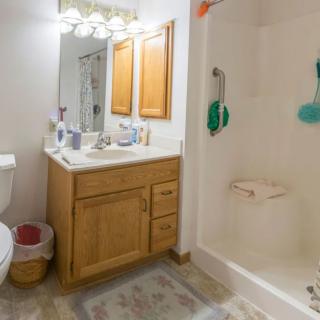
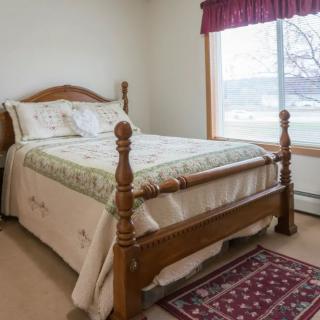
Madonna Meadows on seniors.fyi includes 8 photos including images showing interior, decor, floor plan, bedroom, dining, open space, table and chairs, living room, and more.
Nearby Communities
The Plummer Home
Byron, MN
4.5 from 110 reviews
Fully furnished apartments with 24-hour supervision and medication management
Apria Healthcare II
Rochester, MN
2.9 from 7 reviews
24/7 supervision and diabetes-friendly, restaurant-style dining in a fully furnished setting.
Country Care
Byron, MN
$3,000 / month
Low-cost private/semi-private rooms ($3,000/mo) with on-site activities and diabetic/high-acuity care.
Advanced One Care Center II
Rochester, MN
24-hour supervision with full care services and medical transport.
Meadow Lakes Senior Living
Rochester, MN
4.4 from 33 reviews
$4,400 to $5,000 / month
Friendly staff, a welcoming apartment-style community, and active resident life.
Meadows Lakes
Rochester, MN
4.2 from 13 reviews
Specialized memory care with 24-hour supervision and tailored programming
Madonna Towers Nursing Care
Rochester, MN
4.1 from 44 reviews
Good reputation for quality care and a pet-friendly environment that supports residents' well-being.
The Homestead at Rochester
Rochester, MN
3.4 from 50 reviews
$3,450 to $3,595 / month
Spacious, well-maintained apartments with ample activities and pleasant grounds.
The Waters on Mayowood
Rochester, MN
4.6 from 81 reviews
$2,340 to $4,500 / month
Beautiful, well-maintained facility with engaging activities and compassionate staff.
Delirium is a rapidly onset, reversible cognitive disturbance often caused by acute medical issues, while dementia is a gradual and irreversible decline due to chronic neurodegenerative diseases. Accurate differentiation between the two is essential for appropriate treatment and management in older adults.
Dementia, including Alzheimer’s disease, is often mischaracterized in terms of lethality as it leads to complications that can be fatal rather than being a direct cause of death; it causes a progressive decline in cognitive and physical health, making patients vulnerable to infections and other health crises. Effective management of nutrition, hydration, and communication is crucial in patient care, with palliative care becoming vital in advanced stages to enhance comfort and quality of life while caregivers play a key role amidst the challenges posed by the disease.
Reminiscence therapy helps individuals with dementia recall past memories through structured discussions and meaningful objects, enhancing mood, relationships, and sense of identity while celebrating their lives. It can be practiced in formal settings or at home, requiring sensitivity to personal histories and cultural backgrounds.
Living Room, Artwork, Television, and Seating Area
Floor Plan and Design
Kitchen, Open Space, and Table And Chairs
Healthcare and Physical Therapy
Additional Photos
Get PricingAsk A QuestionSchedule A TourContact Senior Advisor
By clicking submit, you agree to our Partner's Terms of Use. You
also consent to receive calls and texts, which may be autodialed, from our Partner. Your consent is not a condition to
using our Partner's service. Please visit our Partner's Privacy Policy for information about their privacy practices.



 21 resident community capacity
 Assisted Living
 Memory Care
 Beauty salon
 Cable or satellite TV
 Dining room
 Fully furnished
 Garden
 Housekeeping services
 Kitchenette
 Move-in coordination
 Outdoor space
 Telephone
 Wi-Fi/high-speed internet available
 Rochester International (11 miles away)
 24-hour call system
 Activities of daily living assistance
 Assistance with bathing
 Assistance with dressing
 Assistance with transfers
 Diabetes diet
 Hospice waiver
 Meal preparation and service
 Medication management
 Mental wellness program
 Special dietary restrictions
 Transportation arrangement (medical)
 Transportation to doctors appointments
 Fully furnished apartments with 24-hour supervision and medication management
 Delirium and Dementia: Unraveling the Key Differences
 Are Dementia and Alzheimer's Disease Lethal? A Comprehensive Exploration
 Exploring the Power of Reminiscence Therapy for Individuals With Dementia