The Waters on Mayowood offers competitive pricing for its living accommodations when compared to both Olmsted County and the broader state of Minnesota. The cost for a one-bedroom unit is $2,340, significantly lower than the county average of $3,647 and also more affordable than the state average of $2,893. Similarly, two-bedroom units at The Waters are priced at $3,499, which is quite favorable compared to Olmsted County's rate of $4,447, though slightly higher than Minnesota's average of $2,955. For those considering studio apartments, The Waters' monthly fee stands at $4,500 - this is slightly above the county rate of $4,357 but exceeds the state average of $3,617. Overall, The Waters on Mayowood presents an appealing option for potential residents seeking quality housing in a cost-effective manner.
Floor plans
The Waters on Mayowood
Olmsted County
Minnesota
1 Bedroom
$2,340
$3,647
$2,893
2 Bedrooms
$3,499
$4,447
$2,955
Studio
$4,500
$4,357
$3,617
Overall Review of The Waters on Mayowood
common19 reviews mention this
Activities keep residents engaged
Residents repeatedly describe busy daily programming that keeps life full.
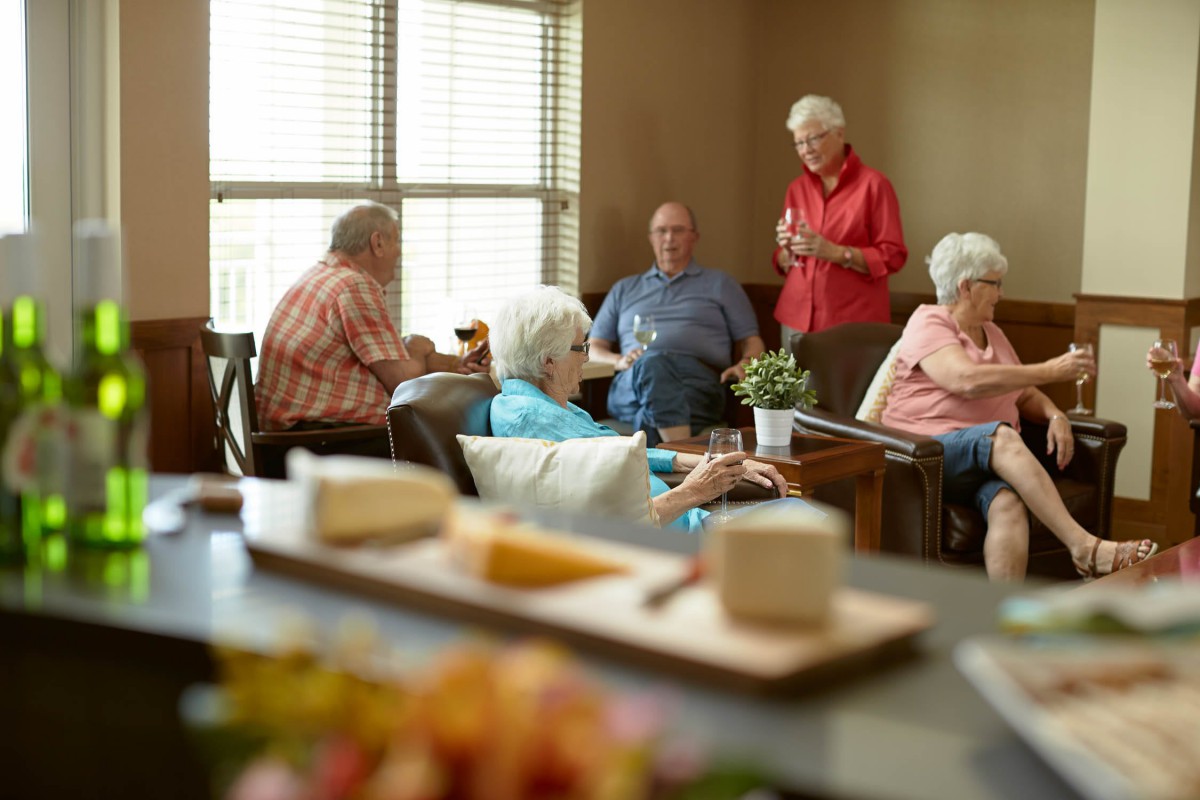
Many reviews highlight frequent activities that are meaningful rather than passive, including music, art, outings, and specialty programming through the day. Several reviewers specifically praise the activity team and the variety of events, from group activities like bingo to performances and field trips. A few residents also mention being able to participate during visits, which supports the idea that programming is a real part of day-to-day life.
common24 reviews mention this
Caring, communicative staff stands out
Across reviews, families describe staff who are supportive and responsive.
A large portion of feedback emphasizes kindness and attentiveness, with reviewers saying staff take time to learn residents’ preferences and help them stay engaged. Several families also mention clear communication with the nursing team and feeling “peace of mind” about care. There are also a few strongly negative reviews that describe gaps in communication or staffing in memory care, but the overall positive pattern is that families feel supported by the team.
caveat4 reviews mention this
Memory care fit is questioned
Some families report problems getting the level of memory support they were promised.
While several reviews describe memory care as safe and engaging, multiple families raise concerns about whether the community could meet specific memory-related needs. One reviewer describes being denied residency after discussing nighttime staffing capacity for residents who may wander or have “sundowners,” and another reports that promised checks did not happen as expected. Other negative feedback includes sanitation and care quality concerns in the memory care area. Taken together, these reviews suggest it’s important to confirm specific care routines and capacity before moving in.
caveat6 reviews mention this
Maintenance and cleanliness concerns appear
A minority of reviews describe maintenance delays and cleanliness issues.
Most reviewers describe the community as clean and well-kept, but some report serious problems. Negative experiences include a stained, dirty floor, concerns about unsanitary care practices in memory care, and maintenance not being addressed quickly enough. One reviewer also flags an elevator that had been down “for a long time.” Even where the building is praised as beautiful, these comments focus on follow-through and upkeep as areas to verify.
caveat4 reviews mention this
Pricing feels fair, but not to all
Pricing is a mixed theme, with some calling it predictable and others calling it too high.
Some residents and families say pricing is fair and predictable, and a few reviews frame it as worth it for the care and activities. Others, including a couple of negative reviews, call the community overpriced and mention rent increases or reduced inclusions over time. Pricing can’t be judged from reviews alone because comments conflict, but the structured pricing overview shows the community’s listed ranges are positioned below county and state levels across unit types. If price is a key decision factor, reviewers suggest looking closely at what’s included and how costs change.
How we summarize
Counts show how many written reviews mention each theme; a review can touch several themes, and only frequently mentioned themes are displayed.
Features
Housing
21 resident community capacity
Types of Care
Assisted Living
Independent Living
Memory Care
Pets
Cats allowed
Dogs allowed
Amenities
Activities off-site
Activities on-site
Air-conditioning
Beauty salon
Cable or satellite TV
Devotional services off-site
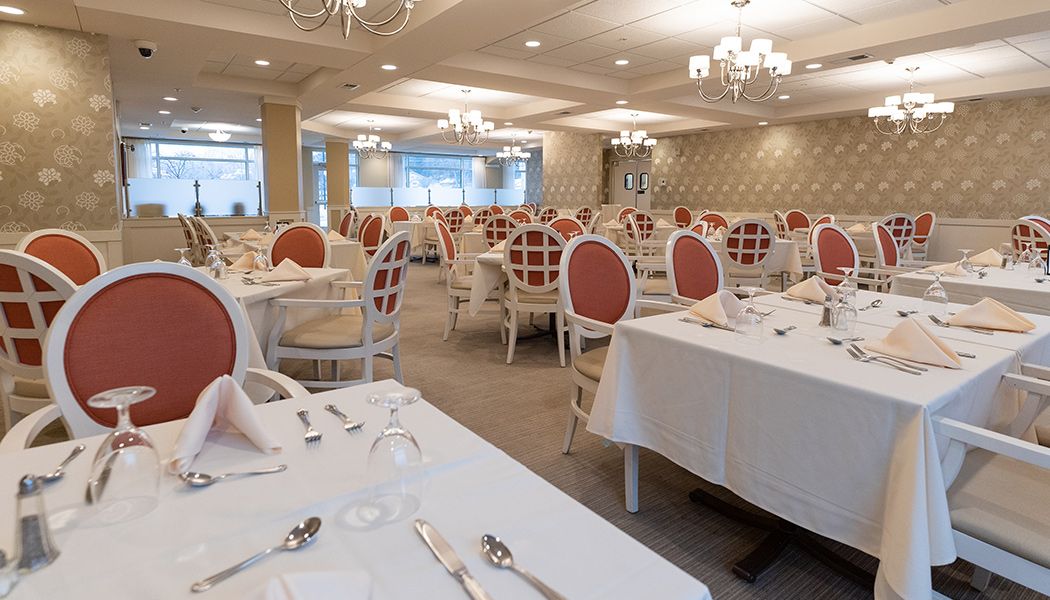
Dining room
Full kitchen
Fully furnished
Garden
Handicap accessible
Housekeeping services
Indoor common areas
Kitchenette
Move-in coordination
Outdoor common areas
Outdoor space
Spa
Telephone
Wheelchair accessible showers
Wi-Fi/high-speed internet available
Transportation
Rochester International (6 miles away)
Care Services
24-hour call system
24-hour supervision
Activities of daily living assistance
Ambulatory care
Assistance with bathing
Assistance with dressing
Assistance with transfers
Coordination with health care providers
Dementia waiver
Diabetes diet
Diabetic care
Hospice waiver
Meal preparation and service
Medication management
Mental wellness program
Mild cognitive impairment
Special dietary restrictions
Specialized memory care programming
Transportation arrangement (medical)
Transportation to doctors appointments
Dining
Anytime dining
Diabetes diet
Gluten-free
Guest meals
Low / no sodium
Meals provided
Professional chef
Restaurant style dining
Room service
Special dietary restrictions
Activities
Art classes
Community-sponsored activities
Cooking classes
Day trips and outings
Devotional activities offsite
Educational speakers / life long learning
Forever fit
Happy hour
Live dance or theater performances
Live musical performances
Live well programs
Resident-run activities
Scheduled daily activities
Stretching classes
Wine tasting
Nearby Places of Interest
This part of Rochester, Minnesota offers a variety of amenities and services that cater to senior living. With a selection of restaurants within close proximity, including First Meeting Noodle and Chick-Fil-A, residents have convenient dining options. Additionally, there are reputable physicians and hospitals nearby such as Prairiecare Medical Group and Mayo Eugenio Litta Children's Hospital for any medical needs. Pharmacies like Walgreens and Weber & Judd-South Broadway are easily accessible for medication requirements. The area also boasts several parks for outdoor recreational activities and places of worship for spiritual fulfillment. Cafes like Caribou Coffee provide a cozy atmosphere for social gatherings while transportation options such as U-Haul Moving & Storage offer convenience for any moving needs. For entertainment, there are theaters like Marcus Rochester Cinema and CineMagic Hollywood Luxury Stadium 12 in the vicinity. Overall, this part of Rochester provides a well-rounded community with essential services suitable for senior living.
Restaurants
First Meeting Noodle Rochester (0.1 miles)
Nupa (0.6 miles)
Flapdoodles Ice Cream - South Store (0.7 miles)
Newt's South (0.7 miles)
Chick-Fil-A (0.8 miles)
Chipotle Mexican Grill (0.8 miles)
Taco Bell (1 miles)
Physicians
Prairiecare Medical Group (0.5 miles)
Rochester Family Medicine Clinic (0.7 miles)
Carol Reid, MD (1.2 miles)
Mayo Eugenio Litta Children's Hospital (1.5 miles)
Brackenridge Building - Mayo Clinic (1.7 miles)
Mid America Orthopaedic Assoc (1.7 miles)
Charlton Building - Mayo Clinic (1.8 miles)
Hospitals
Respira Airway, Snoring and TMJ (0.6 miles)
Mayo 8-Neuro Surgery (1.2 miles)
Generose Building (1.4 miles)
DaVita Rochester Dialysis (1.4 miles)
Generose Building - Saint Mary's Hospital - Mayo Clinic (1.4 miles)
Old Marion Hall - Saint Marys Hospital (1.5 miles)
Mary Brigh Building - Saint Mary's Hospital - Mayo Clinic (1.5 miles)
The Waters on Mayowood offers competitive pricing for its living accommodations when compared to both Olmsted County and the broader state of Minnesota. The cost for a one-bedroom unit is $2,340, significantly lower than the county average of $3,647 and also more affordable than the state average of $2,893. Similarly, two-bedroom units at The Waters are priced at $3,499, which is quite favorable compared to Olmsted County's rate of $4,447, though slightly higher than Minnesota's average of $2,955. For those considering studio apartments, The Waters' monthly fee stands at $4,500 - this is slightly above the county rate of $4,357 but exceeds the state average of $3,617. Overall, The Waters on Mayowood presents an appealing option for potential residents seeking quality housing in a cost-effective manner.
The Waters on Mayowood offers a comprehensive range of features that cater specifically to the needs of residents with memory challenges. With 24-hour supervision, residents receive constant monitoring to ensure their safety and well-being, while assistance with activities of daily living, such as bathing and dressing, promotes dignity and independence despite cognitive limitations. The coordination with healthcare providers ensures tailored medical support, complemented by specialized memory care programming designed to engage individuals at various stages of dementia. Meal preparation and service accommodate dietary needs while medication management helps maintain optimal health through adherence to prescribed regimens. Additionally, the mental wellness program addresses emotional well-being, and transportation arrangements for medical appointments facilitate access to necessary care. Together, these elements create a nurturing environment where residents can thrive amidst the complexities of mild cognitive impairment or advanced dementia.
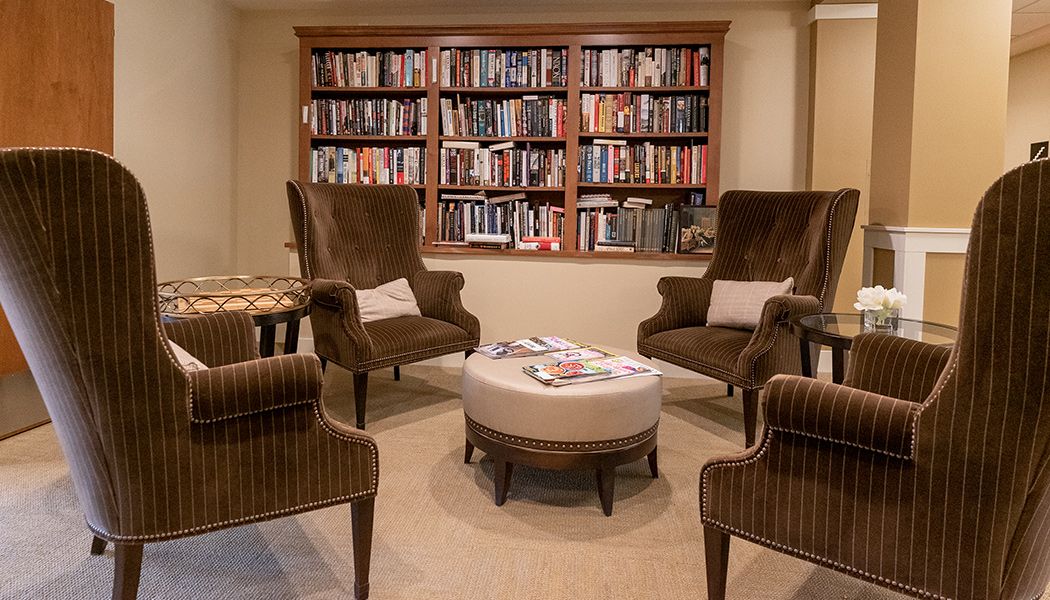
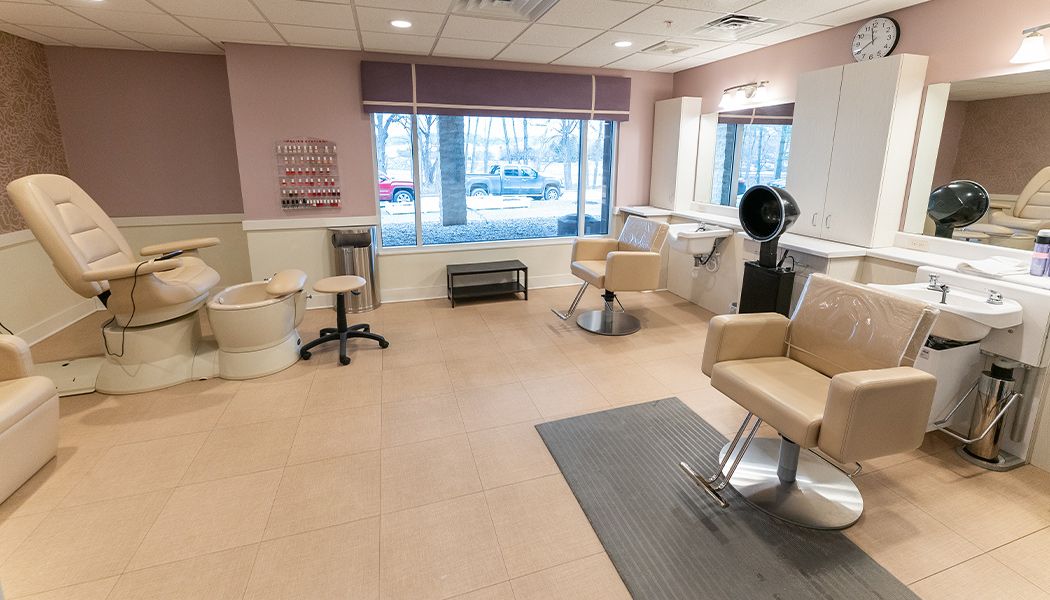
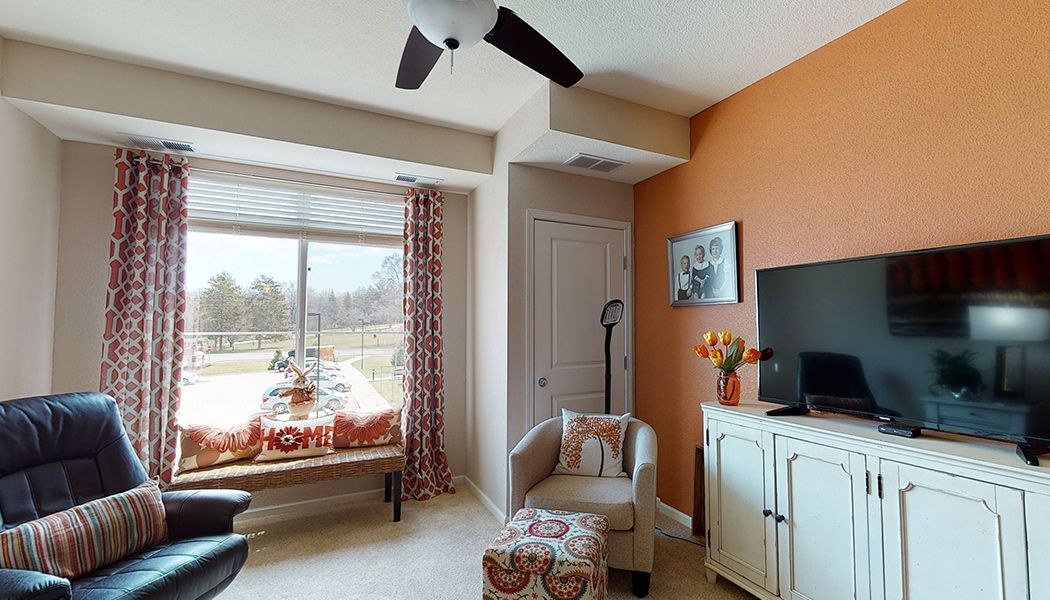
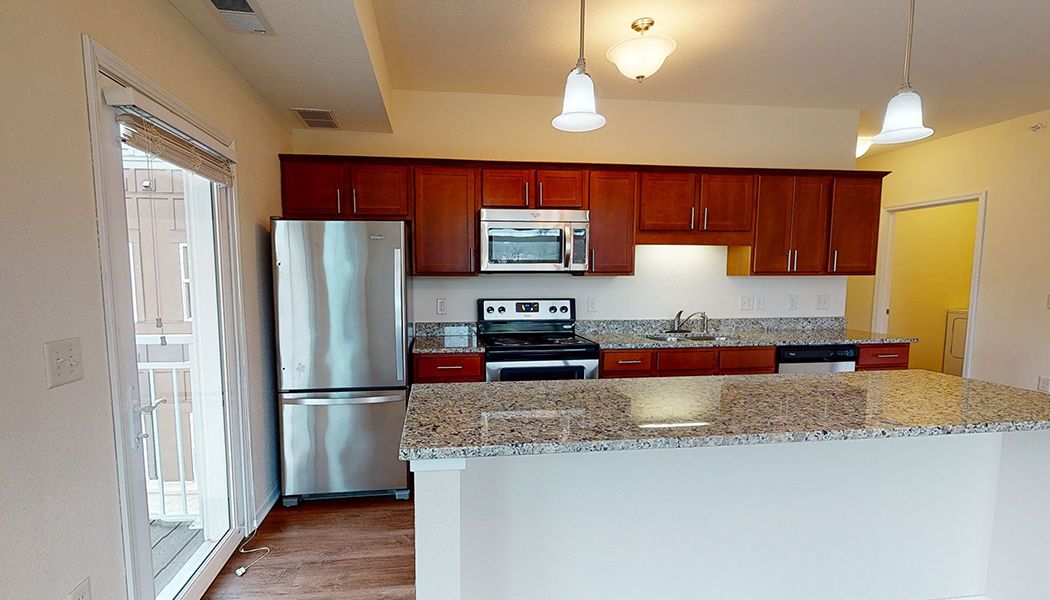
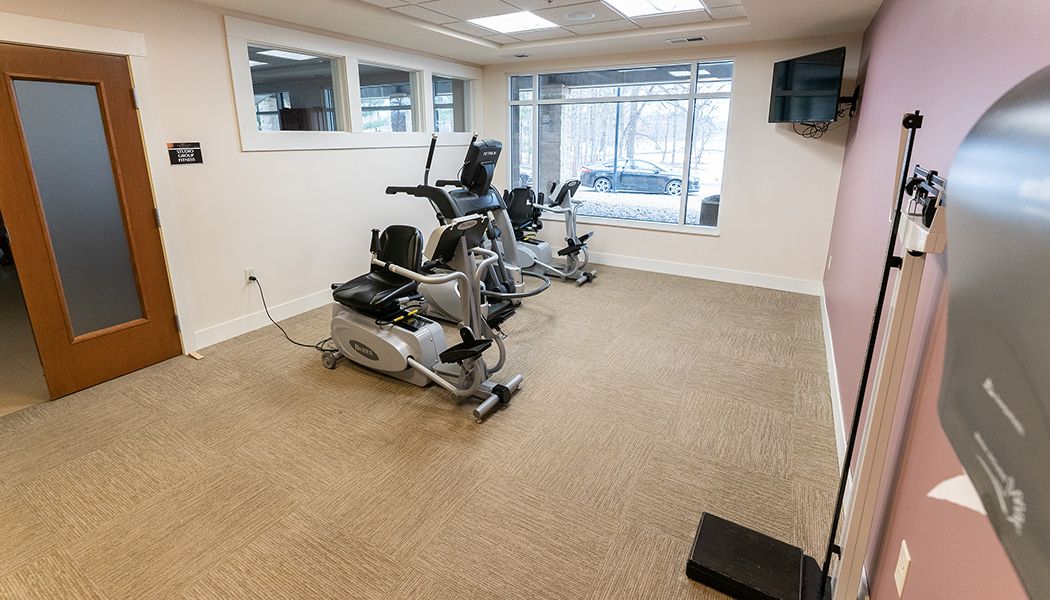
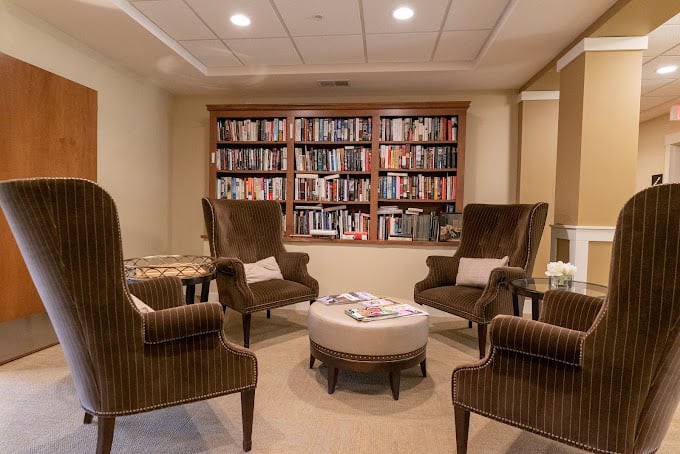
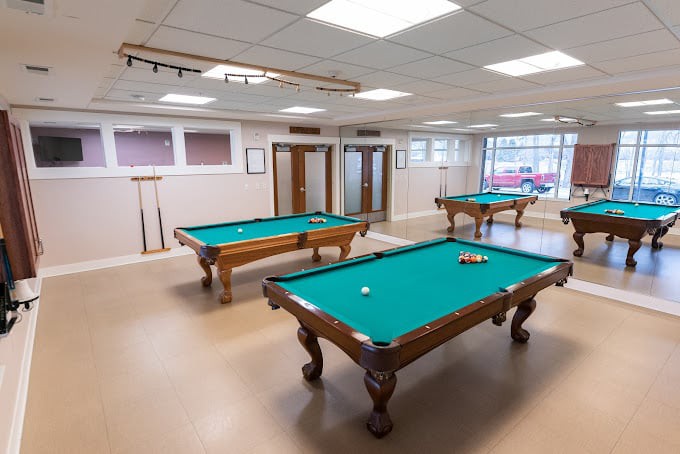
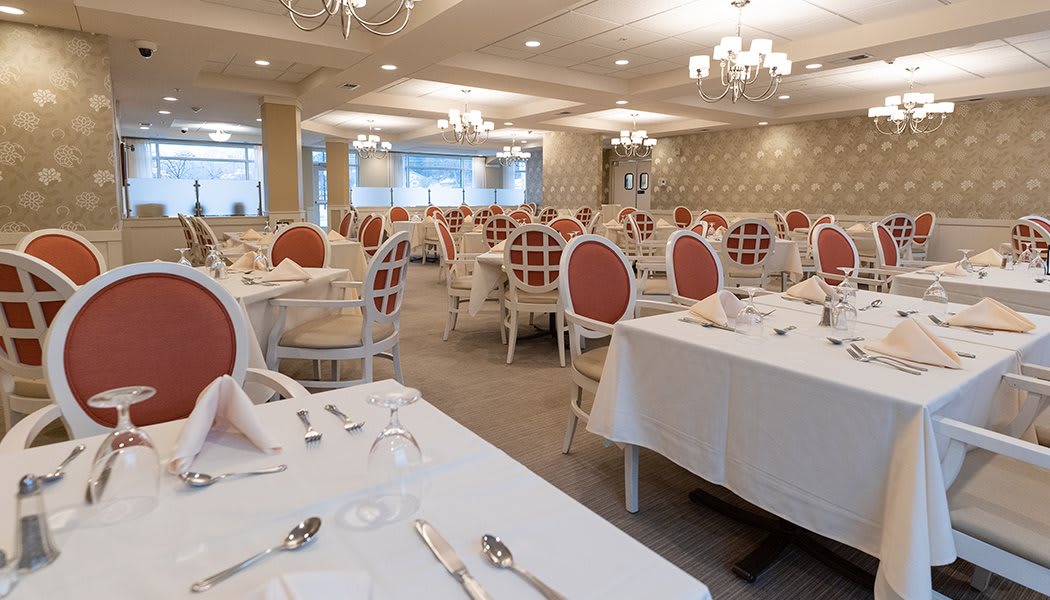
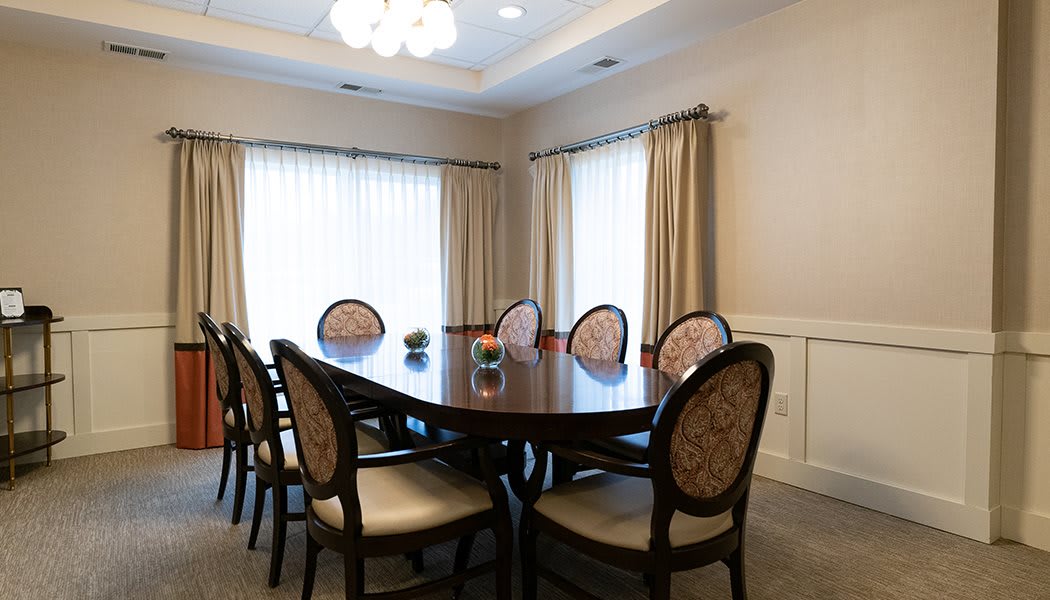
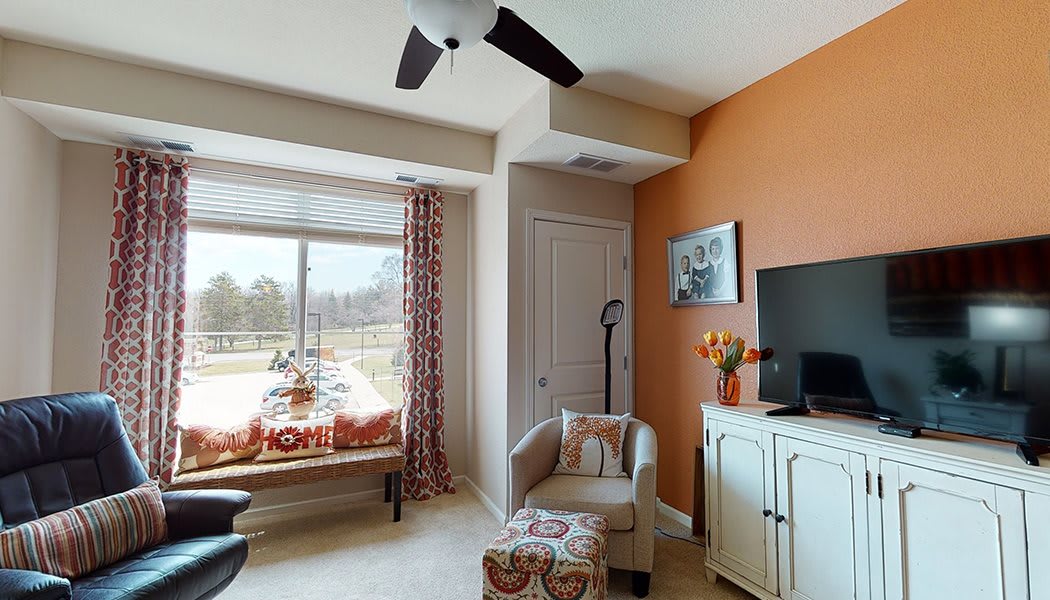
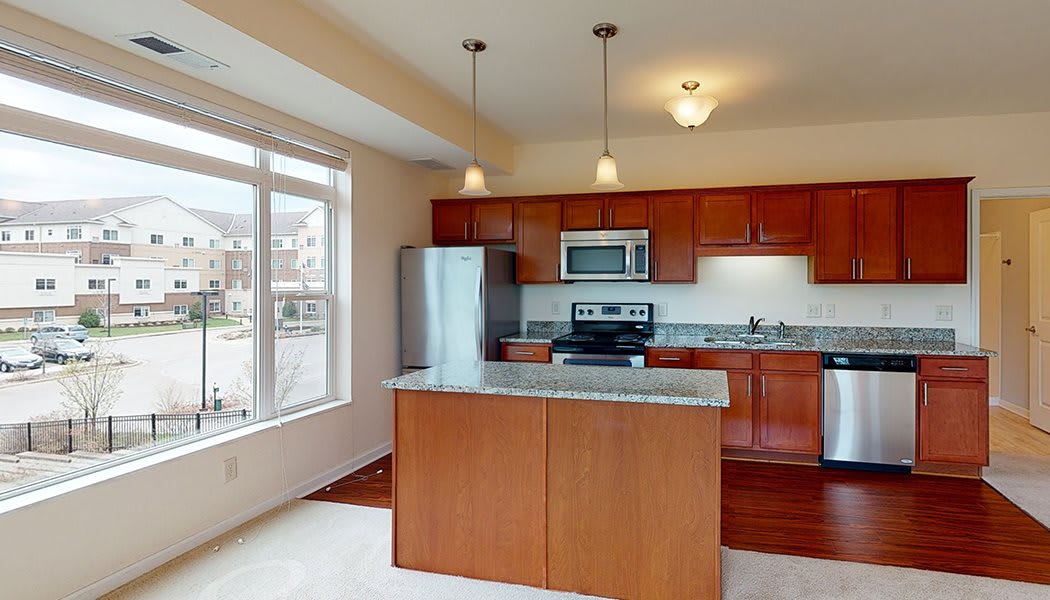
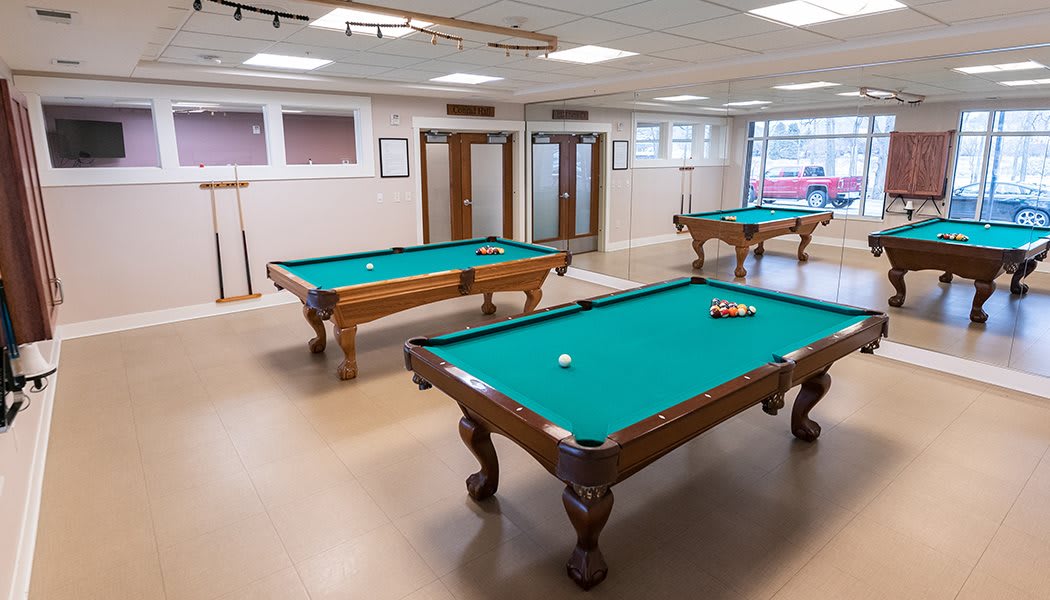
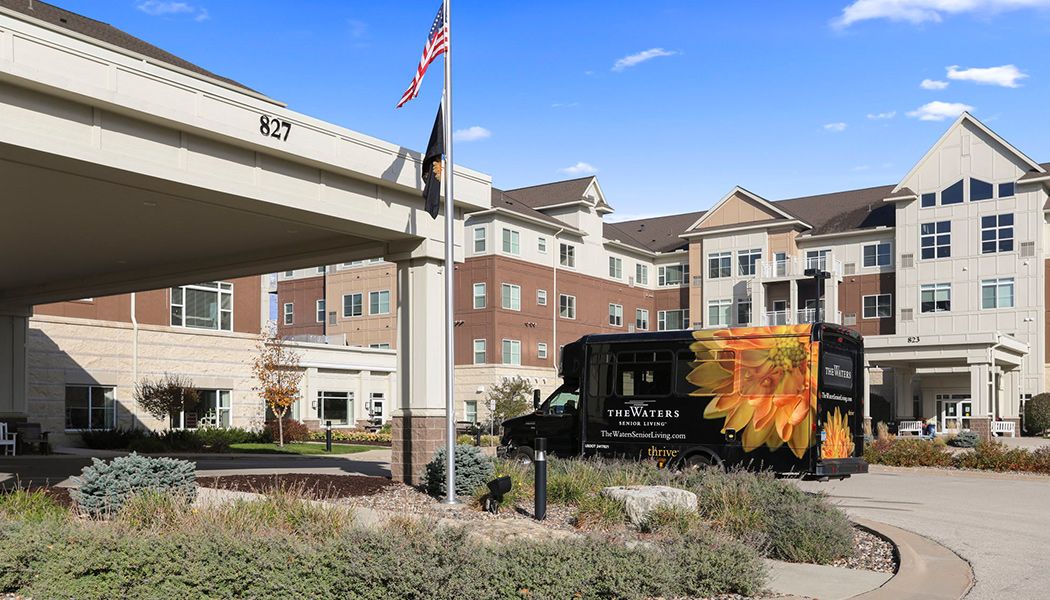
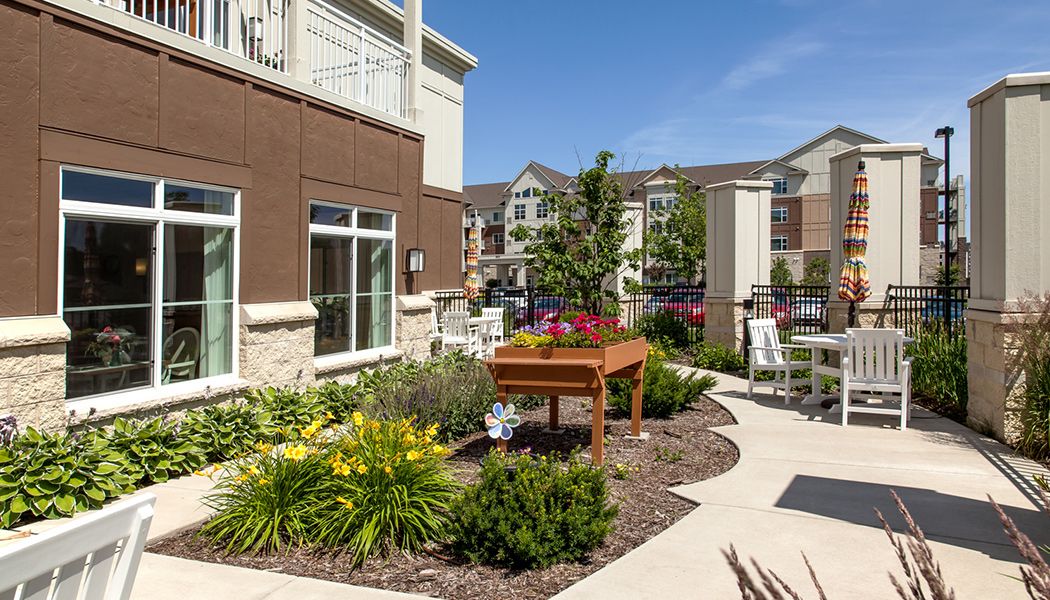
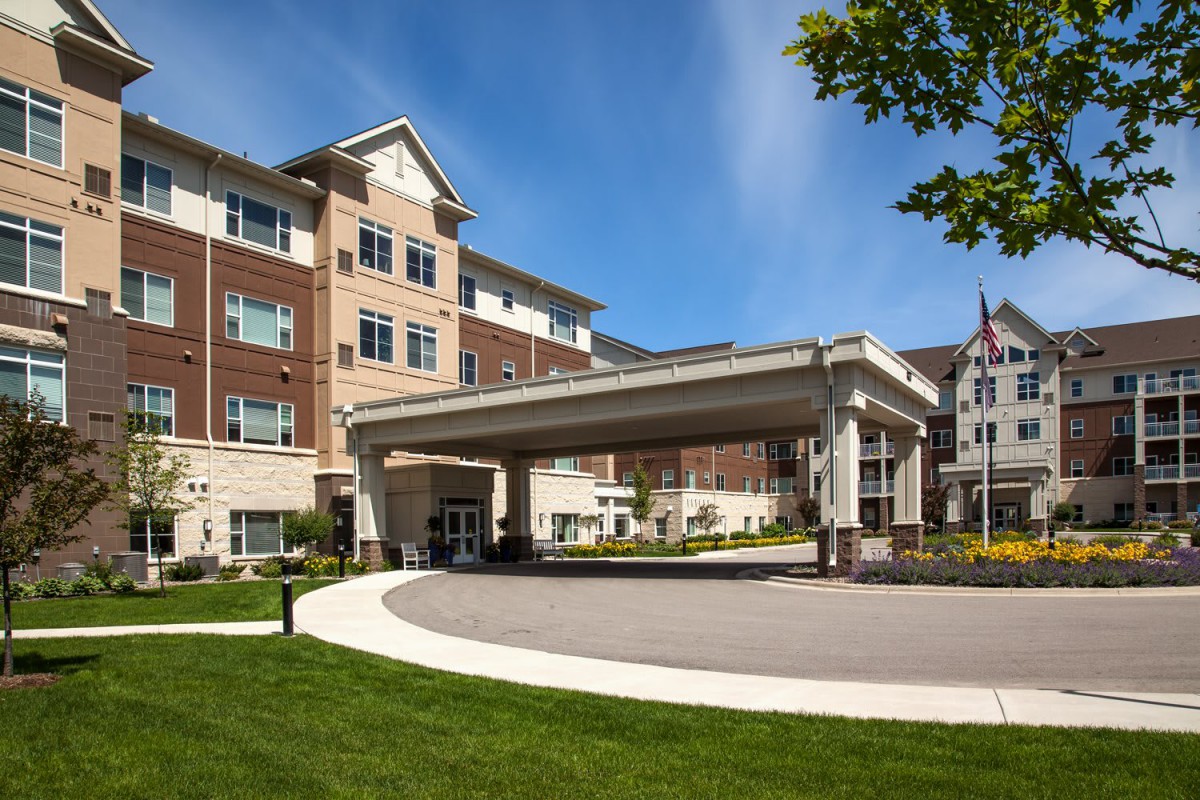
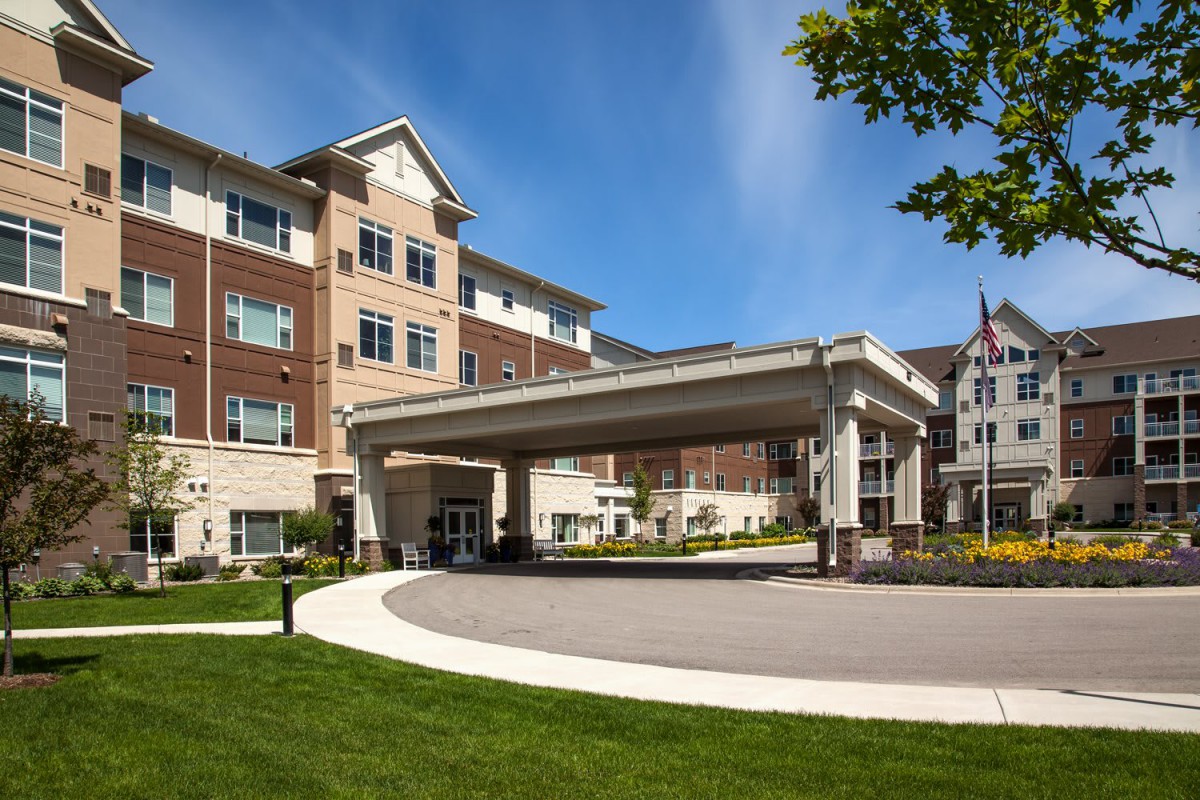
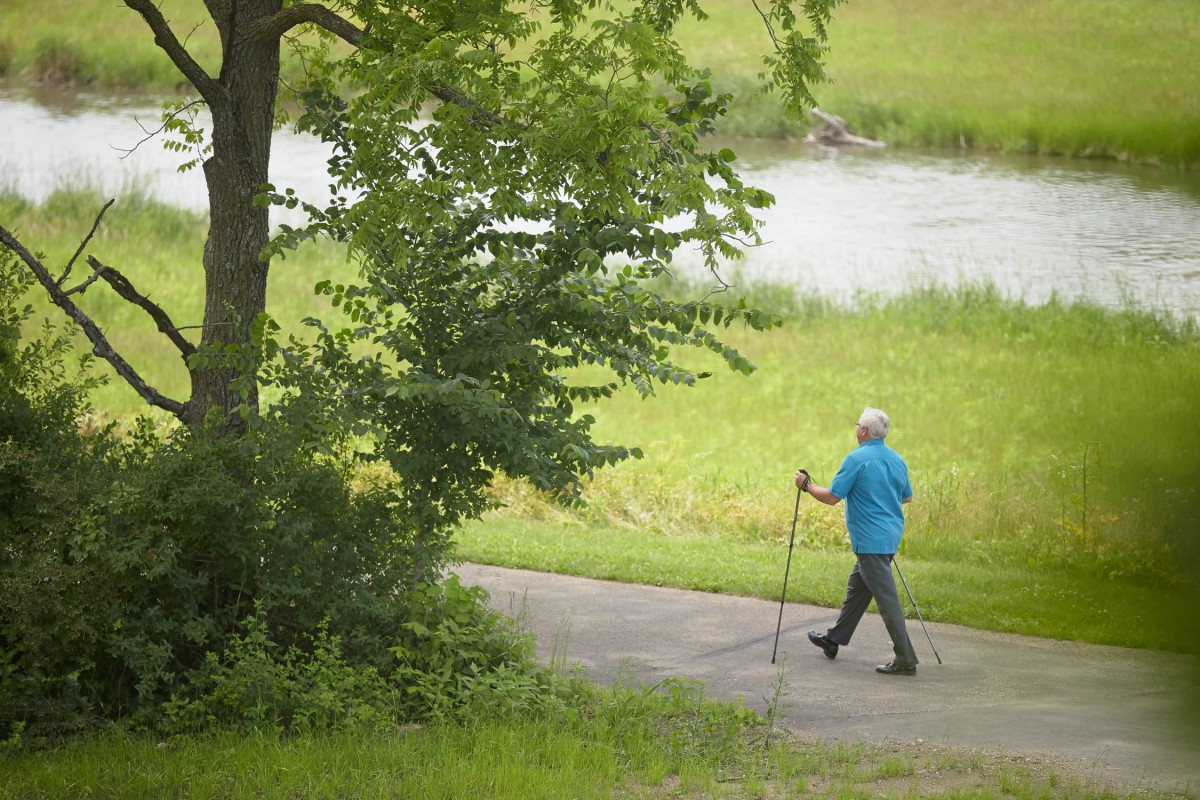
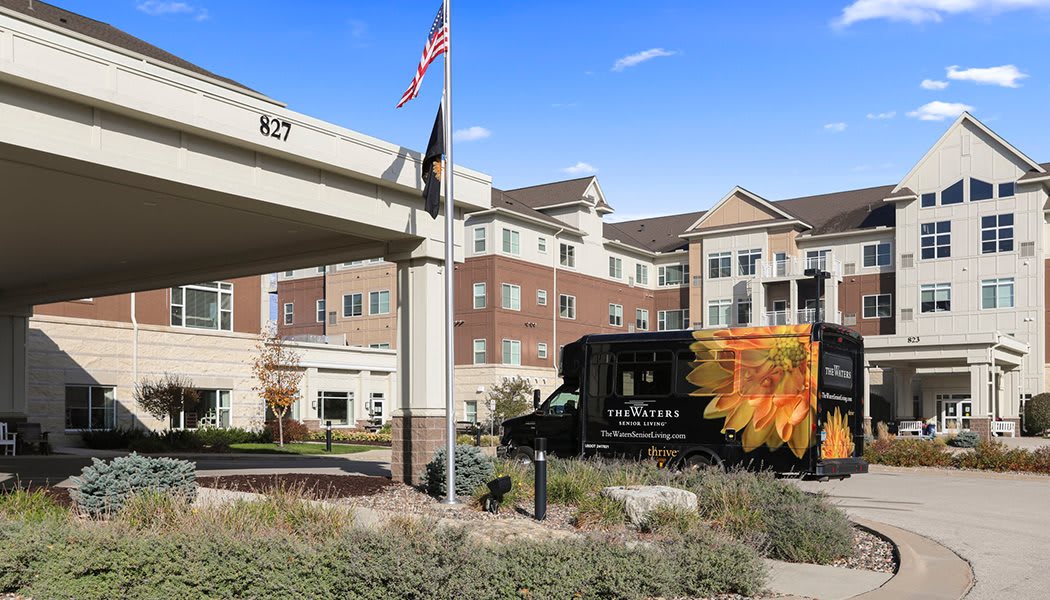
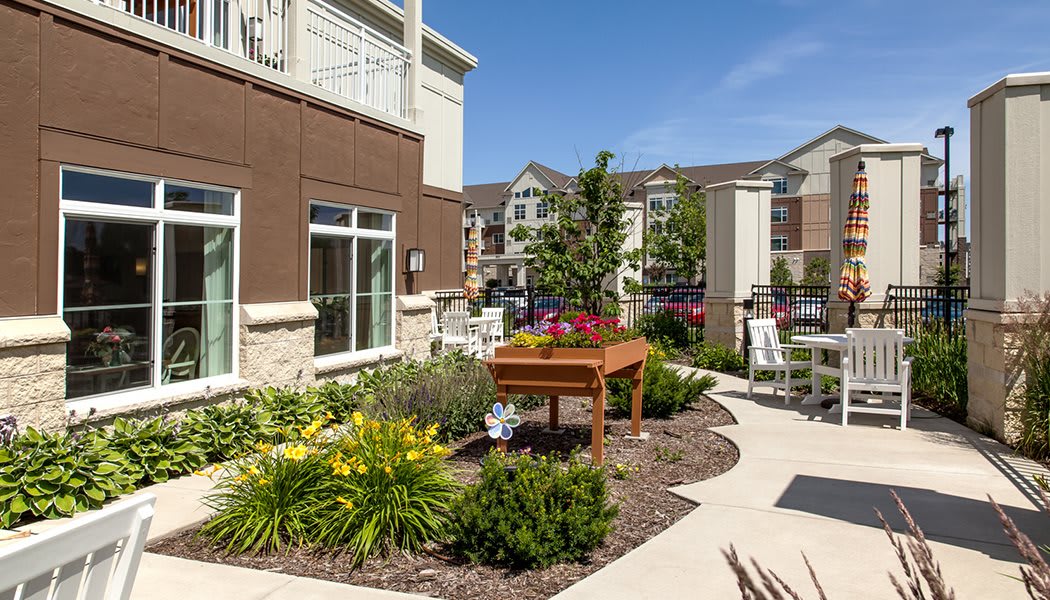
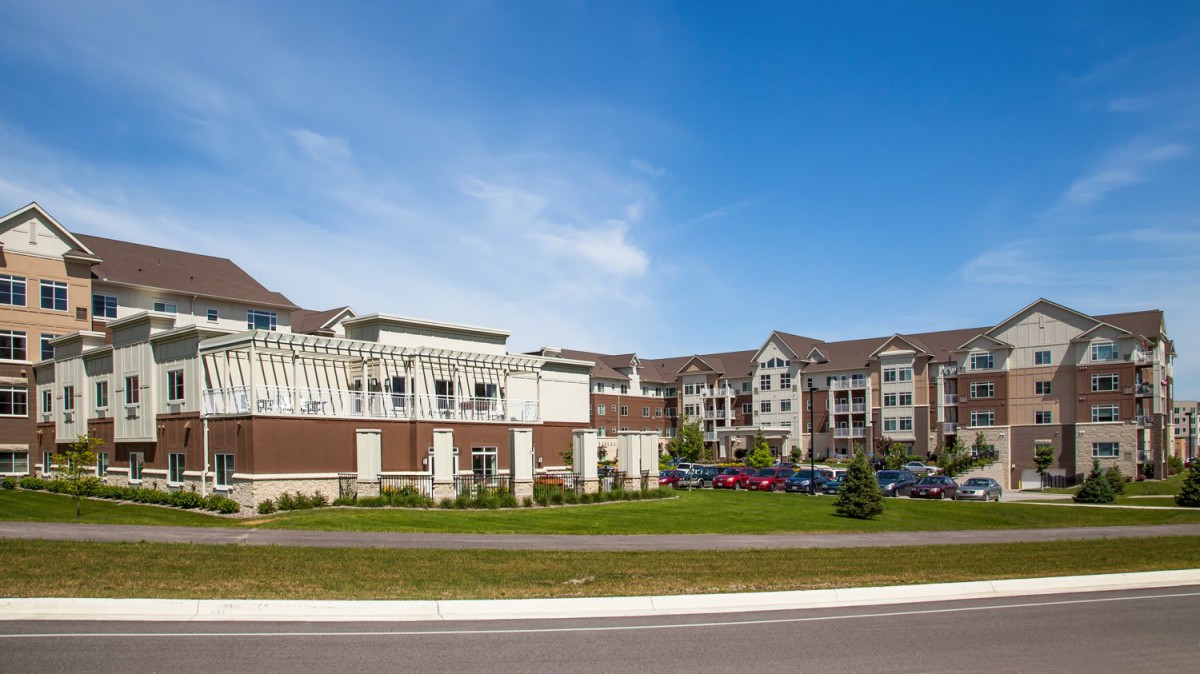
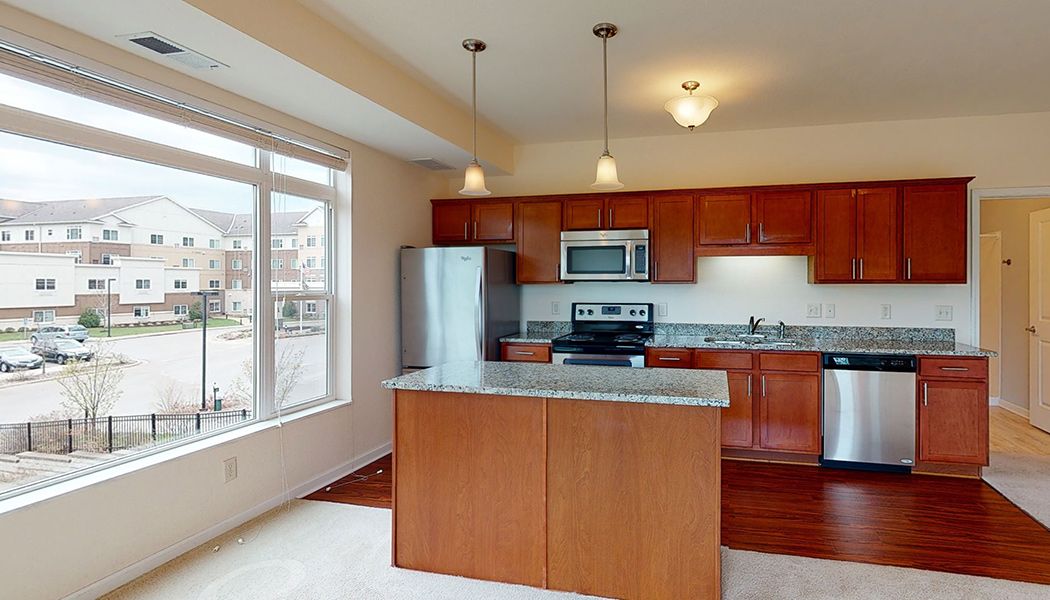
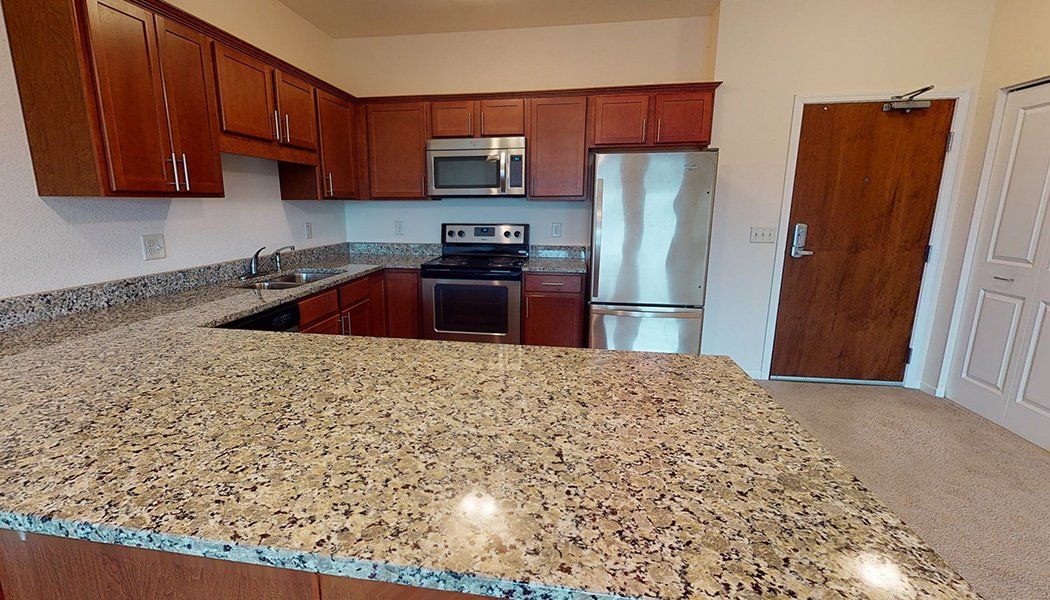
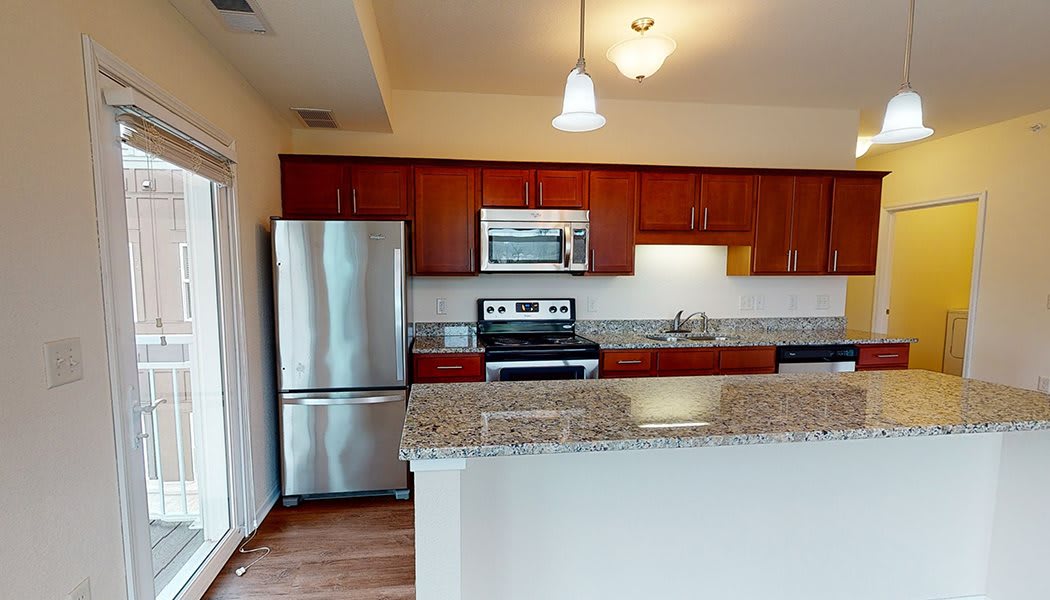
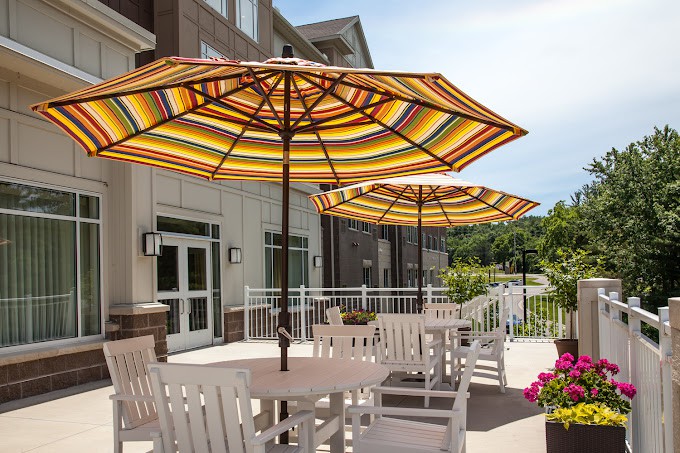
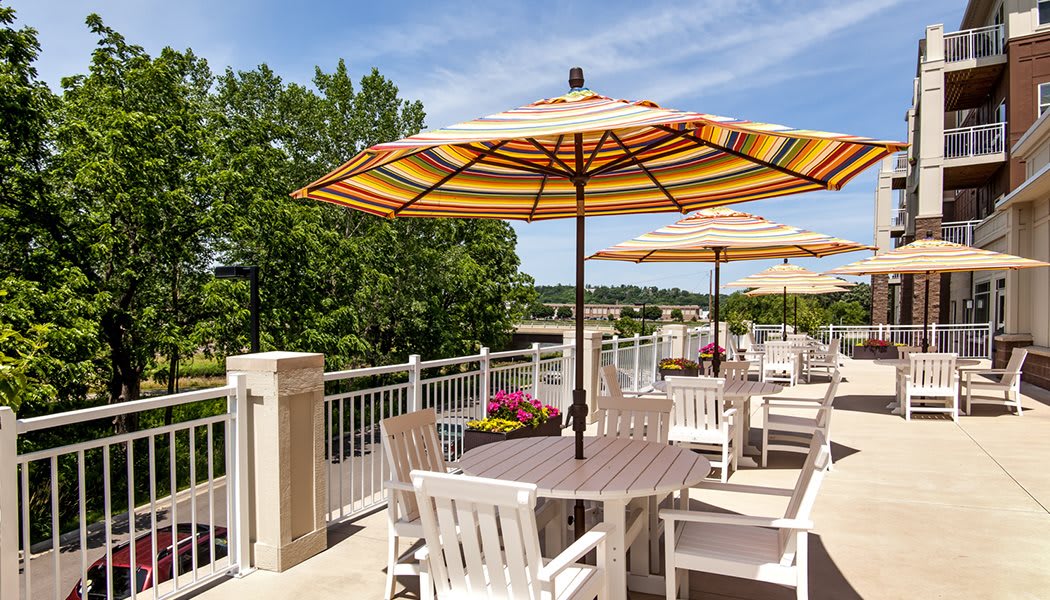
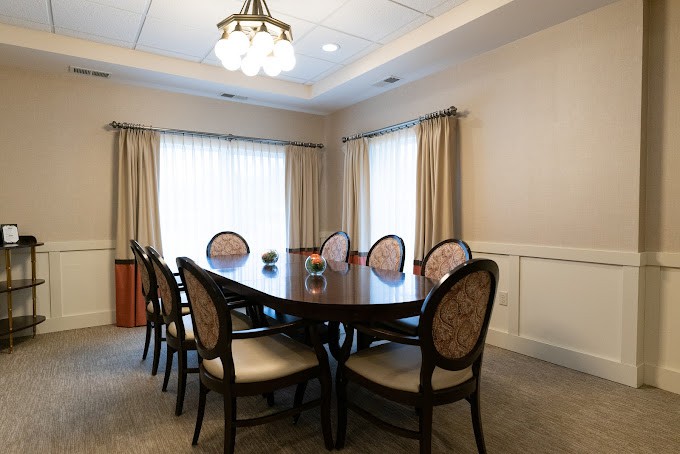
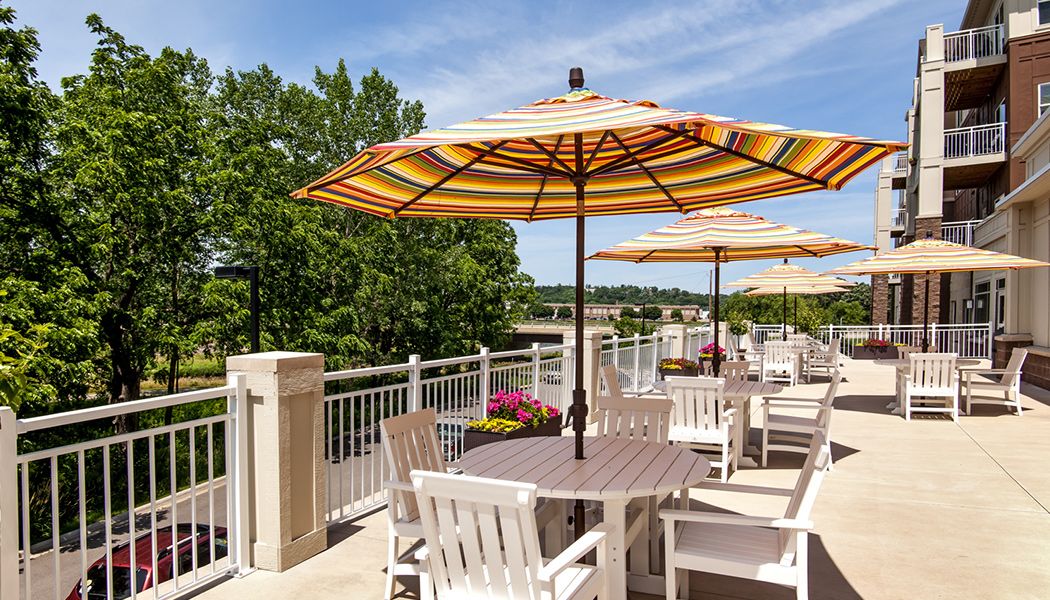
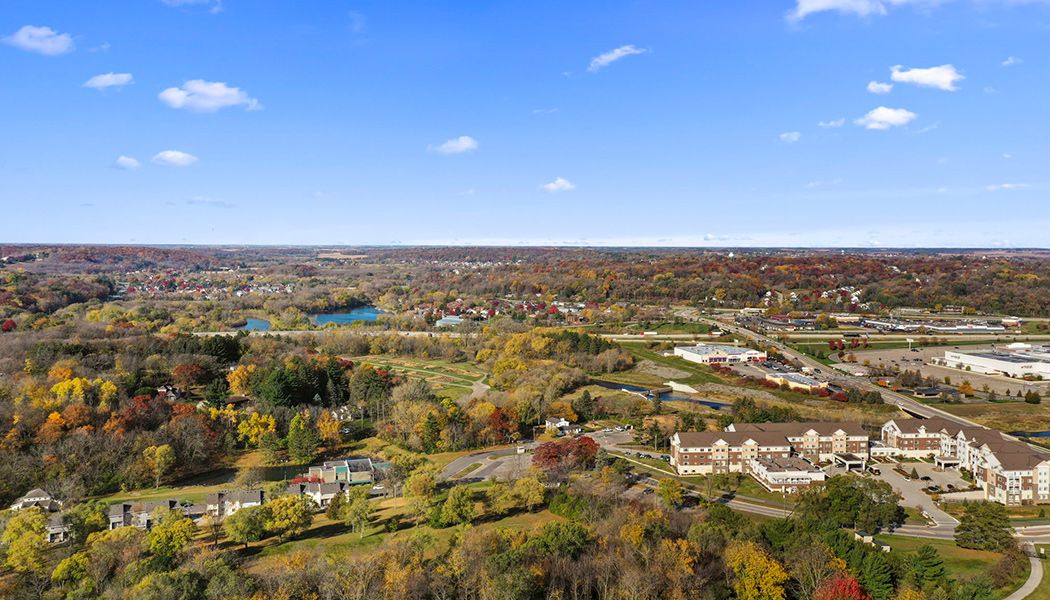
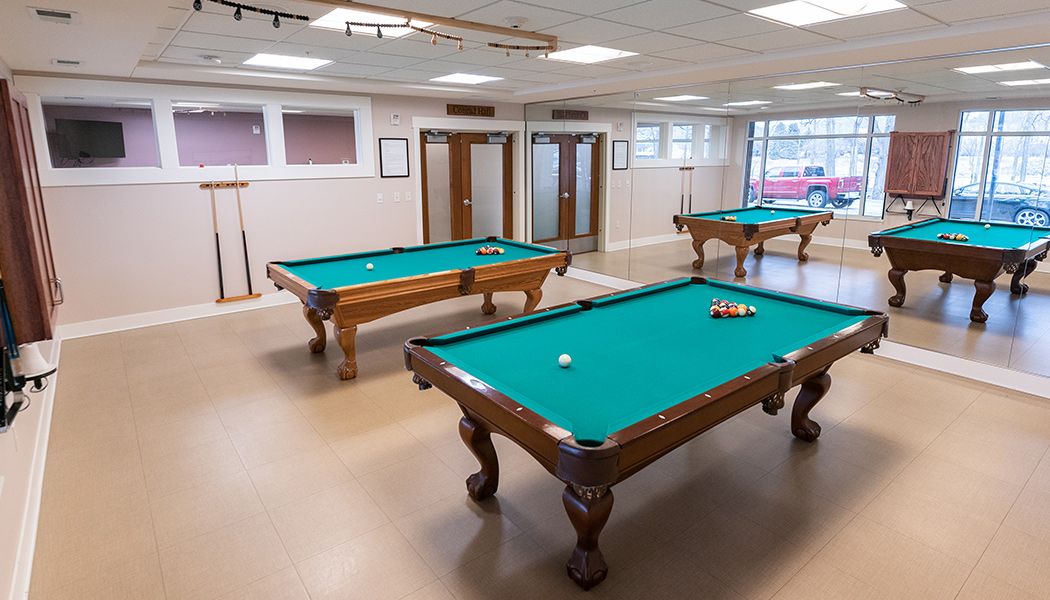
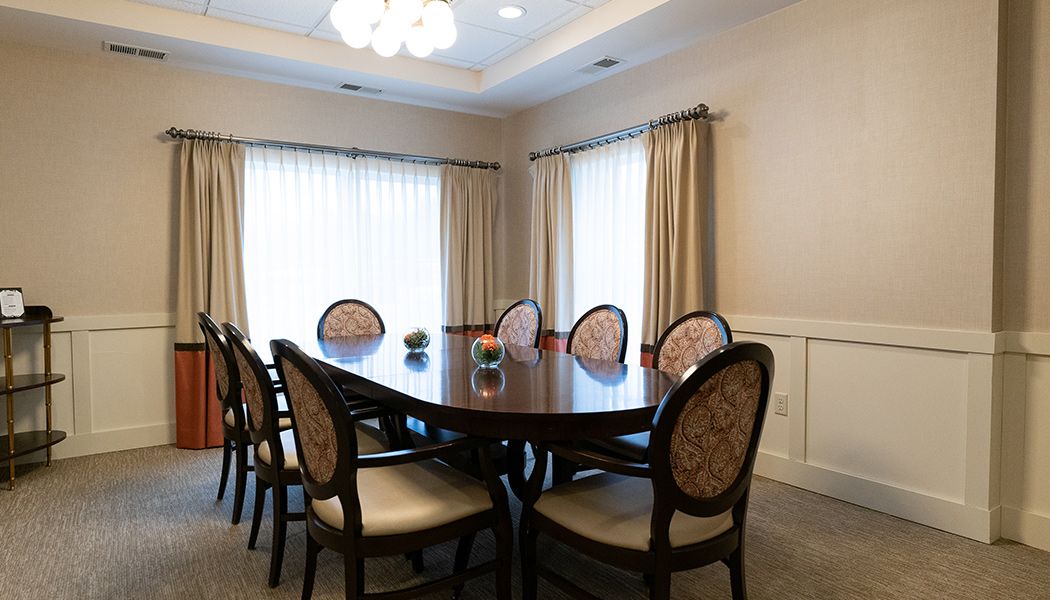
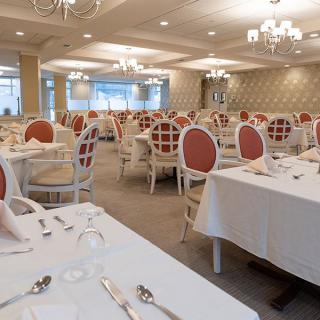
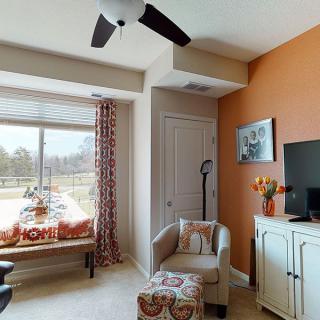
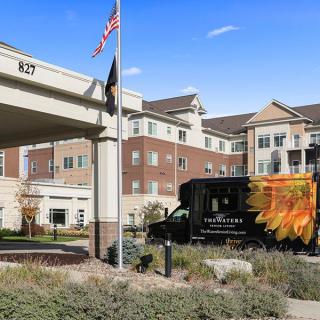
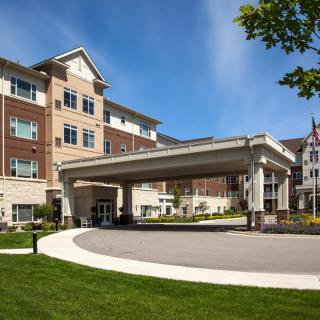
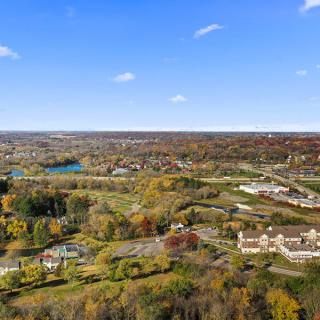
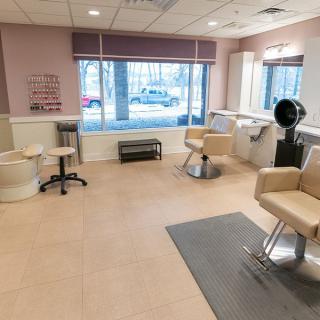
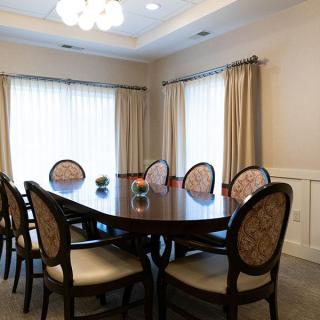
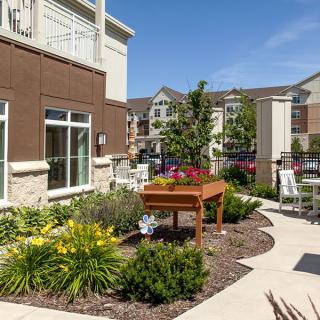
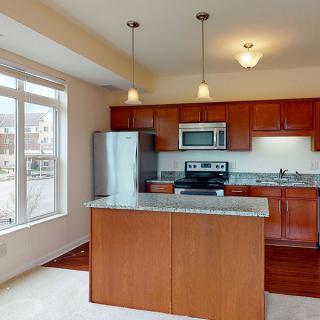
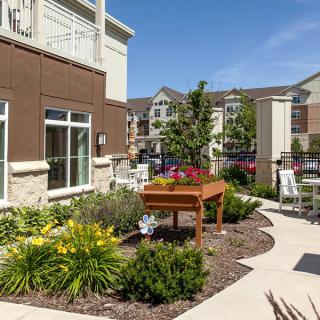
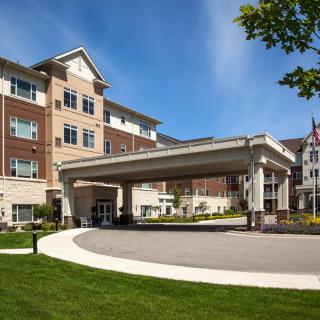
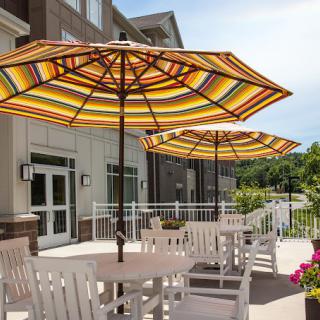
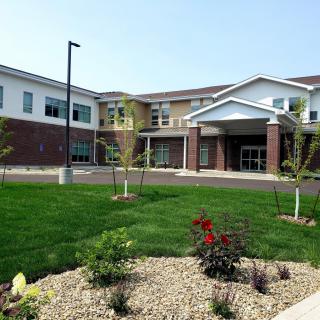
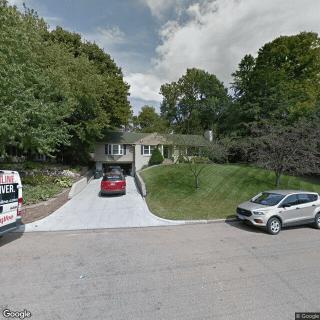
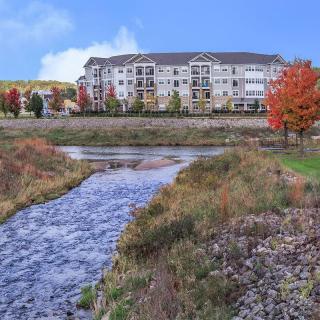
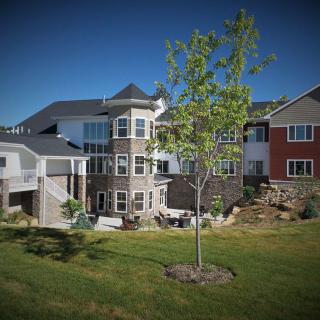
The Waters on Mayowood on seniors.fyi includes 36 photos including images showing interior, landscaping, building, dining, billiards, outdoor, kitchen, appliances, and more.
Nearby Communities
Carelink Skilled Nursing
Rochester, MN
Fully furnished accommodations with 24-hour supervision and diabetes-friendly dining.
Spectrum Community Health II
Rochester, MN
1.7 from 3 reviews
24/7 care with medication management, meals, wellness program, and care coordination in a furnished setting.
Marcella Manor
Rochester, MN
4.8 from 15 reviews
Well-appointed, furnished apartments with 24/7 supervision, meals, and engaging activities.
Cascade Creek Memory Care
Rochester, MN
4.3 from 29 reviews
$5,800 to $6,900 / month
Caring, responsive staff and engaging activities in a clean, newer facility.
Plummer Place
Rochester, MN
$4,367 / month
Competitive private-room pricing with extensive amenities and care services.
Glazon Group I
Rochester, MN
24/7 supervision with meal service and fully furnished apartments.
River Bend Senior Living
Rochester, MN
4.1 from 96 reviews
$3,330 to $4,750 / month
Friendly, welcoming staff; active social programs and well-maintained amenities.
Madonna Towers Nursing Care
Rochester, MN
4.1 from 44 reviews
Good reputation for quality care and a pet-friendly environment that supports residents' well-being.
The Homestead at Rochester
Rochester, MN
3.4 from 50 reviews
$3,450 to $3,595 / month
Spacious, well-maintained apartments with ample activities and pleasant grounds.
The article emphasizes the significance of establishing a power of attorney for elderly parents to enable an agent to make decisions on their behalf regarding health and finances, especially during cognitive or physical decline. It outlines various types of power of attorney, the importance of consulting legal professionals, and the responsibilities and challenges faced by agents, while also discussing alternatives and common misconceptions.
Caregiver support groups are crucial for providing emotional and practical assistance to those caring for loved ones, offering resources, coping strategies, and a sense of community through various organizations and platforms. These groups help alleviate isolation and burnout while addressing the unique challenges faced by caregivers of individuals with specific conditions.
The guide outlines the complexities of Medicaid coverage for assisted living, highlighting significant state-to-state variations, limited coverage often restricted to personal care services, and the existence of specialized waivers for certain needs like memory care. It advises families to consult local Medicaid offices for options while emphasizing the importance of understanding state-specific regulations and facility policies.
Exercise Equipment, Gym, Fitness, and Excercise Equipment
Pathway and Urban
Outdoor Seating
Exterior
Salon and Dryer
Bookshelves
Flag
Nature
Parking
Library and Reading Room
Billiards
Hardwood Floor
Conference Room and Meeting Room
Aerial View
Game Room and Recreation
Umbrellas
Apartment Building
Oven and Fridge
Light Fixture
Facility
Pendant Lighting
Recreation Room
Get PricingAsk A QuestionSchedule A TourContact Senior Advisor
By clicking submit, you agree to our Partner's Terms of Use. You
also consent to receive calls and texts, which may be autodialed, from our Partner. Your consent is not a condition to
using our Partner's service. Please visit our Partner's Privacy Policy for information about their privacy practices.







 21 resident community capacity
 Assisted Living
 Independent Living
 Memory Care
 Cats allowed
 Dogs allowed
 Activities off-site
 Air-conditioning
 Beauty salon
 Cable or satellite TV
 Devotional services off-site
 Dining room
 Full kitchen
 Fully furnished
 Garden
 Handicap accessible
 Housekeeping services
 Indoor common areas
 Move-in coordination
 Outdoor common areas
 Spa
Spa Telephone
 Wheelchair accessible showers
 Wi-Fi/high-speed internet available
 Rochester International (6 miles away)
 24-hour call system
 Ambulatory care
 Assistance with bathing
 Assistance with dressing
 Assistance with transfers
 Diabetes diet
 Diabetic care
 Hospice waiver
 Meal preparation and service
 Medication management
 Mental wellness program
 Special dietary restrictions
 Transportation arrangement (medical)
 Transportation to doctors appointments
 Art classes
 Cooking classes
 Day trips and outings
 Educational speakers / life long learning
 Forever fit
 Happy hour
 Live dance or theater performances
 Live musical performances
 Wine tasting
 Fully furnished accommodations with 24-hour supervision and diabetes-friendly dining.
 Guiding Your Journey: Understanding Power of Attorney for Elderly Parents
 22 Remarkable Caregiver Support Groups Available Online and In-Person
 Understanding Medicaid Coverage for Assisted Living: A Comprehensive Guide