
930 W 16th St, Hastings, MN 55033
To contact a resident: (651) 437-6176
For more information about senior living options: (866) 208-4318
Overall Review of Hastings Campus
Pros
 The staff are very friendly and go out of their way to accommodate residents' needs.
- The CNAs and the nurses are outstanding.
- The facility does a fabulous job caring for residents.
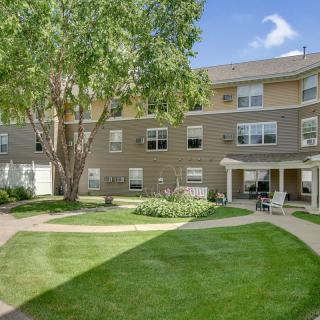
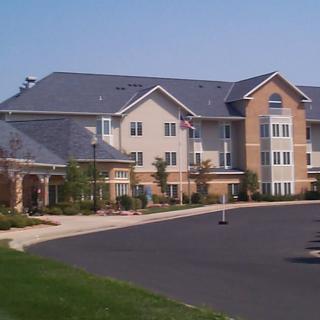
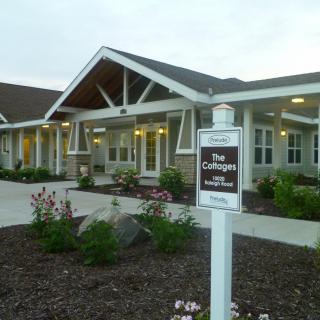
- The building is beautiful and new.
- The facility is spotlessly clean.
- The staff address issues promptly when concerns arise.
- The care team views its work as a ministry, not just a job.
- Families are grateful for the loving and thorough care provided to their loved ones.
Cons
 The staff did not administer pain medications on time, leaving patients in unnecessary pain.
- Nursing staff were unknowledgeable and ill-equipped to manage patients' needs.
- The facility did not seem to care about the patients, with delays in care and attention.
- There were not enough employees to properly care for residents.
- The cost of care was outrageous.
- The building felt old and outdated, like a nursing home from the seventies.
Review
Hastings Campus is best suited for families that prize a warm, relationship-driven care culture where staff engagement and resident advocacy are repeatedly praised. This community appeals to those who want a homey atmosphere, strong daily interaction with CNAs and nurses, and a rehab track record that families feel confident in. It suits residents who benefit from on-site spiritual and program support, and who view staff as partners in caregiving. Those who insist on private rooms, ultra-modern facilities, or perfectly consistent on-demand medication management may want to consider alternatives.
The strongest positives are clear: a consistently clean, well-maintained environment paired with genuinely caring, approachable staff. Multiple families describe the staff as among the friendliest they’ve encountered, capable of coordinating care across caregivers to meet evolving needs. Rehab outcomes are cited positively, with residents returning to independence or mobility, and families repeatedly noting how staff work with them to navigate challenges. The sense of community is palpable, the building’s atmosphere, paired with activities and pastoral support, fosters a feeling that resident well-being is a shared mission rather than a routine checkbox.
On the downside, there are persistent concerns that can weigh heavily in a decision. A subset of reviews reports significant delays in medication administration and pain control, with examples of hours-long gaps that leave patients uncomfortable and frustrated. Some staff are described as lacking up-to-date medical knowledge, and there are mentions of staffing gaps that affect responsiveness, particularly during off-hours. A few residents and families also point to the building’s age and the related perception of a dated environment, alongside disclosures about the cost of care being high. Shared rooms, while common in senior care, appear to be a disliked feature for those prioritizing privacy.
These pros and cons interact in meaningful ways. The remarkable staff warmth, thorough caregiving, and robust rehab can offset many practical frustrations for families who value personal attention and a responsive care team. Cleanliness and a welcoming, almost cottage-like feel help reduce stress for families visiting and for residents settling into a new routine. The faith-spirited elements and organized activities can also soothe families during difficult transitions, making the caregiving experience feel collaborative rather than confrontational. However, when pain control and timely meds fail to materialize, the most heartfelt care can feel undermined, and the risk of unmet expectations rises. In such cases, the otherwise strong caregiving culture may not fully compensate for operational gaps.
Alternatives are worth considering for families prioritizing privacy, modern amenities, or tighter cost control. If private rooms and quieter, more contemporary surroundings are non-negotiable, this Hastings Campus may fall short. If the priority is near-perfect medication management and uniform, predictable nursing responsiveness, some other facilities, where staffing models and pharmacy workflows are optimized, could be a better fit. Families with limited tolerance for high ongoing costs should also weigh the financial realities against the strong relational care this community provides, as some reviewers describe the price as a drawback in the overall value equation.
In the end, the decision hinges on values and risk tolerance. Hastings Campus delivers a caregiving culture that some families rank above all else: compassionate caregivers, hands-on rehab, cleanliness, and a community feel that eases the emotional burden of placement. That strength matters most for families who can overlook occasional med delays or the realities of an older building, and who view staff responsiveness as the daily lifeblood of quality care. For those who require rock-solid, around-the-clock pain management, private accommodations, and cost certainty, it is prudent to explore alternatives and compare current staffing efficacy, medication protocols, and room configurations with other options before committing. Conduct a candid tour, request to meet direct caregivers and the charge nurse, and ask concrete questions about med pass timing, pain-management policies, and room options to ensure alignment with the resident’s needs and family expectations.
 Assisted Living
 Independent Living
 Skilled Nursing Facility
 Activities on-site
 Devotional services off-site
 Indoor common areas
 Minneapolis-St Paul International (20 miles away)
 Ambulatory care
 Diabetic care
 Meals provided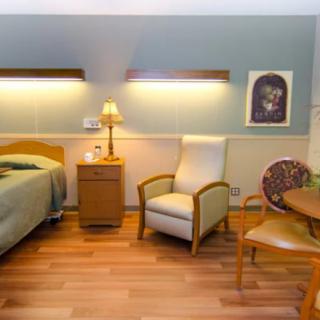


 Social Security Benefits and Assisted Living: Navigating Options Across the U.S.
 An Extensive Exploration of the VA Aid and Attendance Benefit
 Senior Transition Services: Understanding Their Role, Cost, and Importance