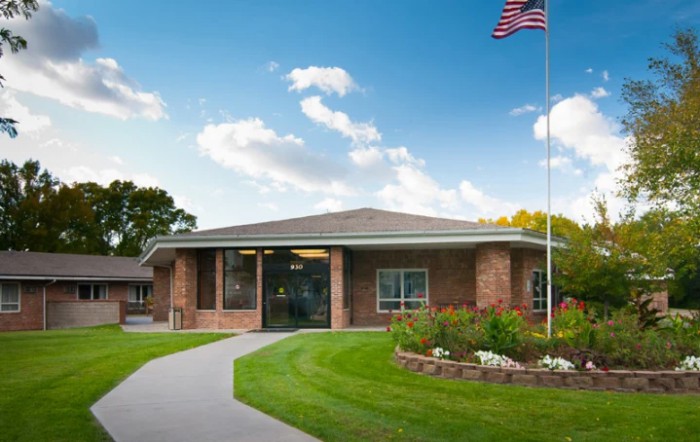
930 West 16Th Street, Hastings, MN 55033
For more information about senior living options: (866) 208-4318
Overall Review of Augustana Care Hastings Health And Rehabilitation
Pros
 The daily musing aids are great.
- Breakfasts are good.
- The nurses were very accommodating.
- The food was very good.
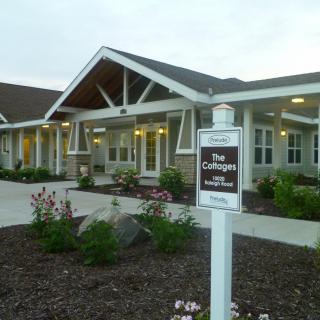
- The facility was spacious with lots of windows and trees outside.
- The people were really nice.
Cons
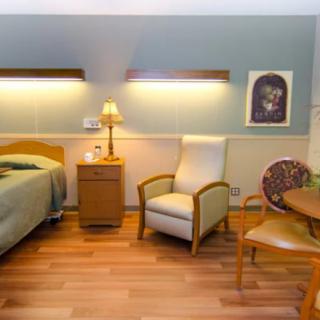
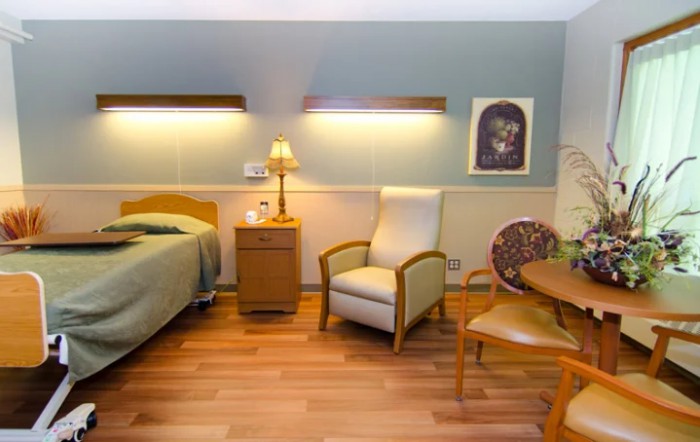
 The furniture is very old and banged up.
- The food is questionable and lacks variety or options.
- If residents don’t want what’s served, they only get a plain dry sandwich.
- Assistance requests are often delayed for 5–10 minutes.
- A family member was given melatonin nightly whether it was needed.
- The cost of care and food is ridiculous.
- The administration and nurses are deceitful and not always honest with family members.
- The facility would not be recommended except in a total emergency.
Review
Augustusta Hastings Health and Rehabilitation is best suited for families prioritizing reliable nursing attention, a calm, sunlit environment, and dependable meal service, while accepting shared rooms and older furnishings as the trade‑offs. The positives cited by families center on responsive nurses and a dining routine that feels steady, with residents who enjoy the view from many windows and the sense of space in the common areas. It fits residents who do not require private rooms or high‑end décor but want consistent care, visible staff engagement, and meals that can be brought to the bedside when needed.
Those who strongly value privacy, private rooms, modern interiors, broader menu options, predictable costs, and transparent leadership should consider alternatives. If price predictability and clear communication about care and billing are non‑negotiables, a community with more upfront disclosures and private accommodations may suit better. In short, this Hastings location works for caregivers who can tolerate some aging-in-place realities in exchange for dependable nursing presence and a pleasant overall environment.
On the plus side, the staff profile is a recurring strength: aides and nurses are described as accommodating, making it easier to address routine needs and to coordinate in-room dining when residents prefer not to dine in a crowded unit. The facility’s layout contributes to a humane feel, ample space, abundant windows, and tree‑lined views that can soothe anxious or disoriented seniors and support orientation. These factors help offset reservations about the dining lineup and the occasional rigidity of meal planning, delivering a sense of steadiness that families can count on during transitional periods.
Still, the downsides carry enough weight to shape decisions. Most rooms are doubles with shared bathrooms, and the furniture repeatedly comes up as worn or outdated. The dining program is narrow: lunches often center on pasta dishes, and suppers tend toward soup with a salad or sandwich and canned fruit, with few appealing alternatives. When residents do not want what is served, the fallback is limited, which can undermine mealtime satisfaction for long stays. Assistance response times can trail at 5–10 minutes, which in urgent moments may feel too slow. Coupled with safety concerns, one resident suffered serious injuries from a fall, another injury occurred after an aide’s slip, these issues erode confidence in day‑to‑day safety. There are troubling impressions from family members about administration and nursing communications, described by some as deceitful when questioned, and the overall impression is that cost does not always align with perceived value.
To weigh these factors prudently, families should pursue practical verification before committing. Request a thorough tour that includes a live meal service, observe how quickly staff answer calls during peak times, and inspect room configurations for any private‑room options and their associated costs. Review state survey results and incident records, and ask for a detailed, itemized monthly bill to understand true ongoing expenses. A short-term respite stay or trial period, if possible, can reveal whether the care tempo and dining routine truly fit the resident’s needs. Involve a trusted advisor or clinician in the process to interpret the care plan and safety features in real terms.
Bottom line: Augustana Hastings can be a solid match for families prioritizing steady nursing presence and a bright, open atmosphere, provided privacy, cost, and safety concerns are acknowledged and actively explored. For residents who demand private rooms, a broader, more varied dining program, and tighter oversight of care and communications, it is reasonable to pursue alternatives that deliver greater privacy, more contemporary furnishings, and clearer accountability. The decision should hinge on which trade‑offs matter most for the individual resident’s safety, dignity, and day‑to‑day happiness.
 80 resident community capacity
 Skilled Nursing Facility
 Air-conditioning
 Beauty salon
 Cable or satellite TV
 Computer center
 Dining room
 Fitness room
 Fully furnished
 Gaming room
 Garden
 Housekeeping services
 Kitchenette
 Move-in coordination
 Outdoor space
 Private bathrooms
 Restaurant-style dining
 Small library
 Telephone
 Wellness center
 Wi-Fi/high-speed internet available
 Minneapolis-St Paul International (20 miles away)
 Community operated transportation
 12-16 hour nursing
 24-hour call system
 Activities of daily living assistance
 Assistance with bathing
 Assistance with dressing
 Assistance with transfers
 Diabetes diet
 Medication management
 Mental wellness program
 Special dietary restrictions
 Concierge services
 Planned day trips



 Weight Training for Seniors: Building Strength and Vitality
 Understanding the Sandwich Generation: Stress and Responsibilities for Multigenerational Caregivers
 8 Essential Assistive Devices for Older Adults