
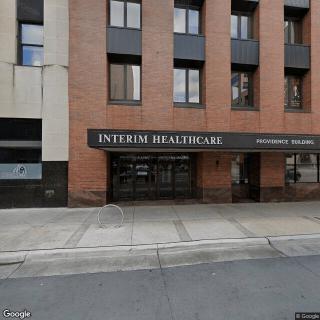
100 Elizabeth St # 106, Duluth, MN 55803
To contact a resident: (218) 724-1753
For more information about senior living options: (866) 208-4318
Overall Review of Royal Assisted Living
Pros
 The staff at The Pines provide great care with kindness and compassion.
- Residents enjoy participating in all the daily activities offered.
- The care gives residents independence while providing a safety net.
- Families describe The Pines as a fantastic place.
- The staff are fantastic and well-regarded by residents’ families.
Review
Royal Assisted Living in Duluth is best suited for seniors who want an activity-rich, personable living environment where compassionate staff provide steady support while allowing residents to maintain a meaningful degree of independence. The reviews consistently highlight a warm, attentive staff and a culture of care, with residents engaging in a robust slate of daily activities and families noting genuine kindness across generations. The overall impression is of a community that prioritizes personal connection and social engagement as its core strengths, backed by a five-star sentiment from multiple sources.
Those who may want to consider alternatives are primarily families facing higher medical needs or looking for memory-care specialization. The reviews do not describe on-site nursing supervision at a level typical of skilled-nursing facilities, nor do they address dedicated memory-care programming. For seniors requiring frequent clinical interventions, complex wound care, or 24/7 medical oversight, or for households needing a clearly defined memory-care pathway, alternatives with more explicit medical capabilities or memory-focused units would be prudent. Similarly, households prioritizing transparent, volume-driven price structures or rapid transitions to hospital-level care should compare options with clearer cost disclosures and varied care tiers.
The strongest counterbalance to potential drawbacks rests in the demonstrated strengths: staff kindness and compassion, meaningful daily activities, and a safety net that preserves independence. Families repeatedly mention the staff as a standout attribute, describing them as caring and reliable, which translates into consistent, familiar support for daily routines and personal needs. The ability to participate in a broad array of activities appears not merely as recreation but as a therapeutic anchor that sustains mood, social ties, and purpose. In real-world terms, this combination often reduces the stress of transitioning to care and helps residents stay engaged, which can lower reliance on higher levels of paid care.
In addition, the long-standing endorsement from multiple family members, across generations, speaks to a community that earns trust over time. When care feels personal and dependable, families can lean into the arrangement with confidence that their loved one will be treated with respect and dignity. The social fabric of the community, reinforced by recurring positive feedback about interactions with staff and peers, supports ongoing satisfaction for residents who thrive on routine and connection. These elements collectively offset the absence of explicit medical-service granularity by delivering a high-quality, people-centered living experience.
Still, it is prudent to acknowledge the potential gaps that families should confirm before committing. The reviews offer limited detail on the level of medical acuity managed on-site, the availability of specialized memory-care services, or the exact pricing and what it covers. Prospective residents should verify how frequently nurses are on-site, what kinds of therapy or clinical oversight are included, and how emergency needs are handled after hours. Location matters as well; while Duluth offers a pleasant setting, families from outside the area will want to assess commute, visiting hours, and long-term accessibility for caregivers. Absence of clarity in these areas can tilt a decision toward communities with more transparent care levels or signposted memory-care options.
For families weighing options, the practical path is clear: prioritize Royal Assisted Living if engagement, relational care, and a safety-conscious environment are the top criteria. The reported experiences suggest a community that treats residents with warmth, fosters independence within a supportive framework, and maintains a lively calendar of activities that sustain social momentum. If medical- or memory-care needs exceed what assisted living typically provides, or if price transparency and a clearly defined care continuum are essential, it is wise to explore alternatives with stronger clinical offerings or dedicated memory-needs programs. In the end, the fit hinges on aligning the resident’s daily rhythms and care expectations with what the community demonstrably delivers: genuine care, enriching activity, and a dependable safety net.
 Assisted Living
 Activities on-site
 Devotional services off-site
 Indoor common areas
 Duluth International (6 miles away)
 Ambulatory care
 Diabetic care
 Meals provided

 Securing Financial Support for Assisted Living: A Comprehensive Overview
 Social Security Benefits and Assisted Living: Navigating Options Across the U.S.
 An Extensive Exploration of the VA Aid and Attendance Benefit