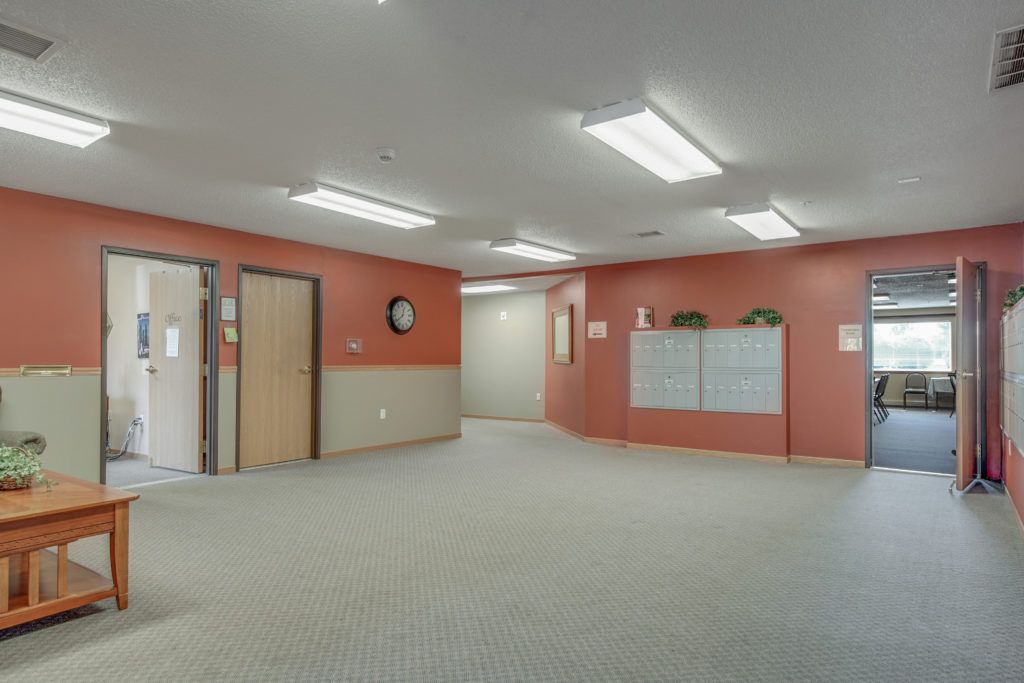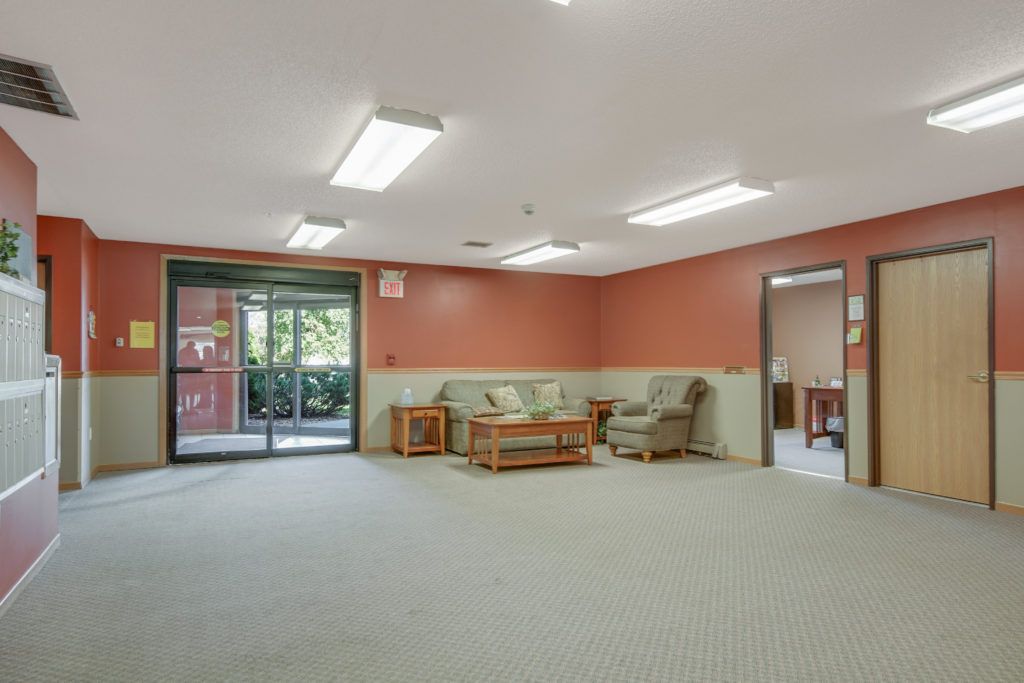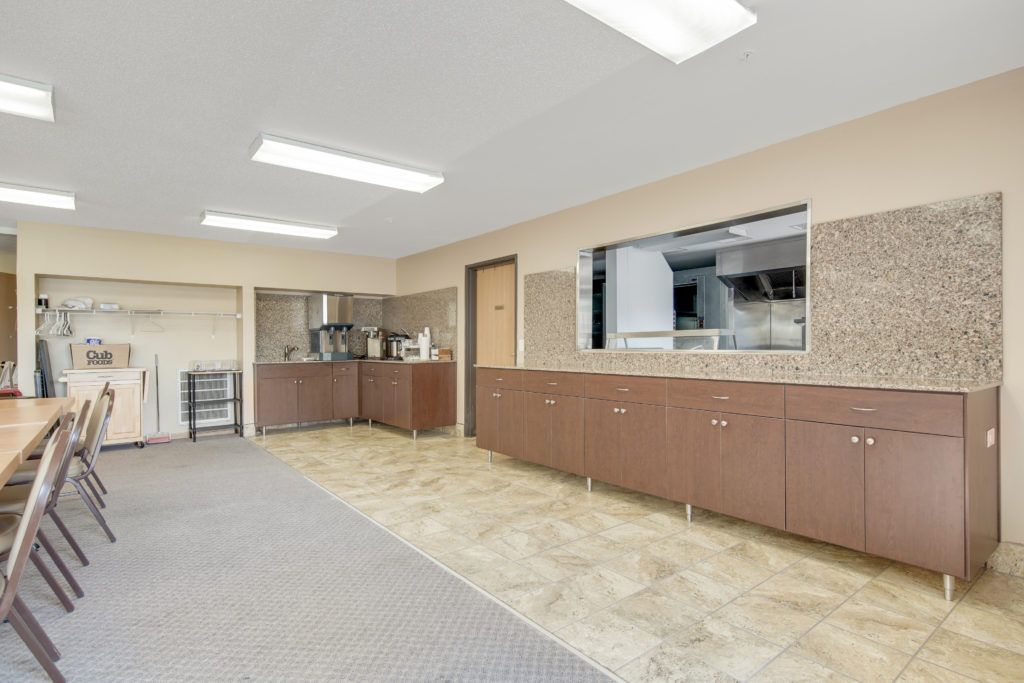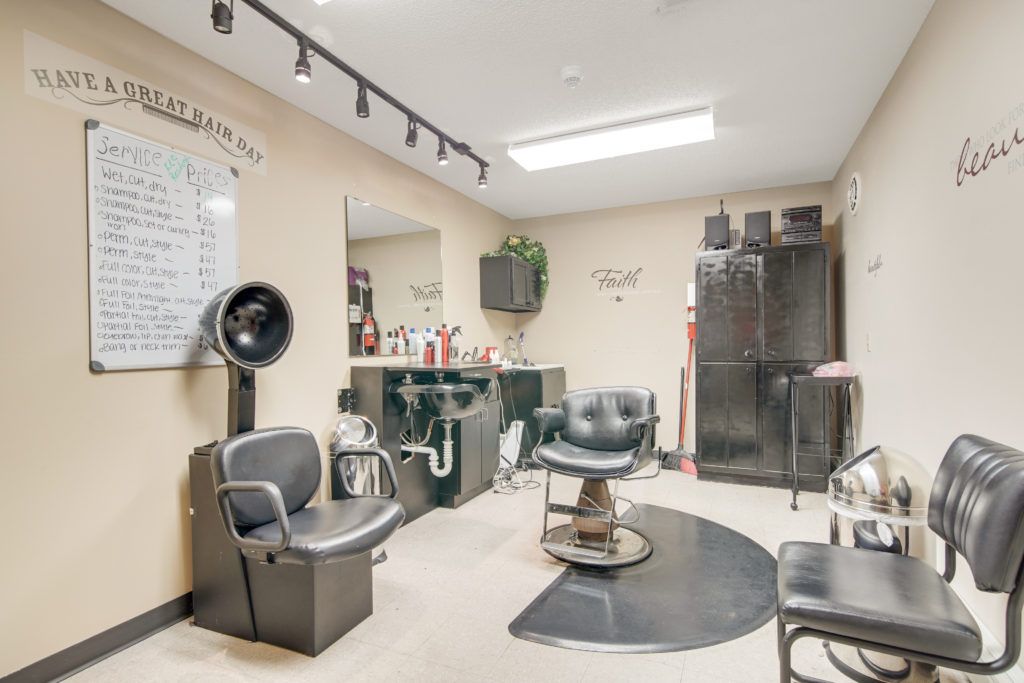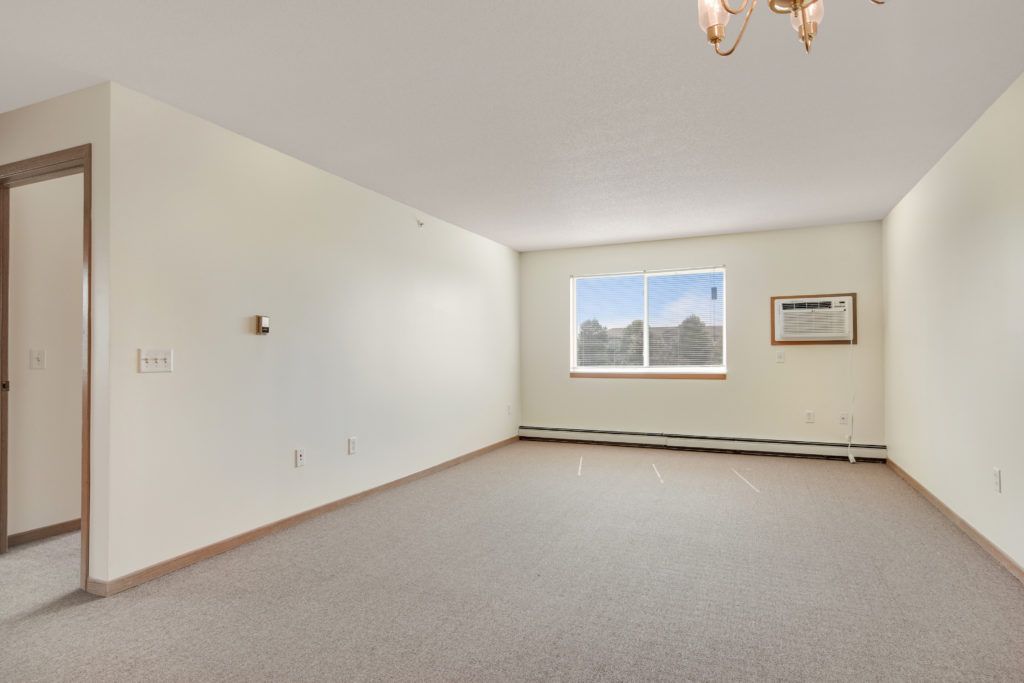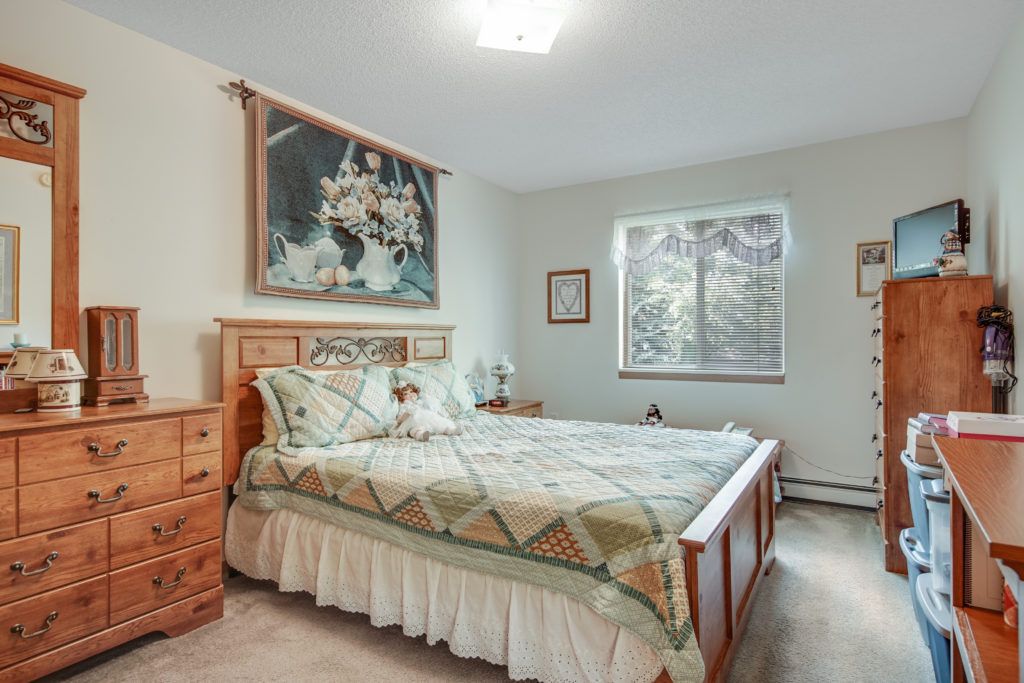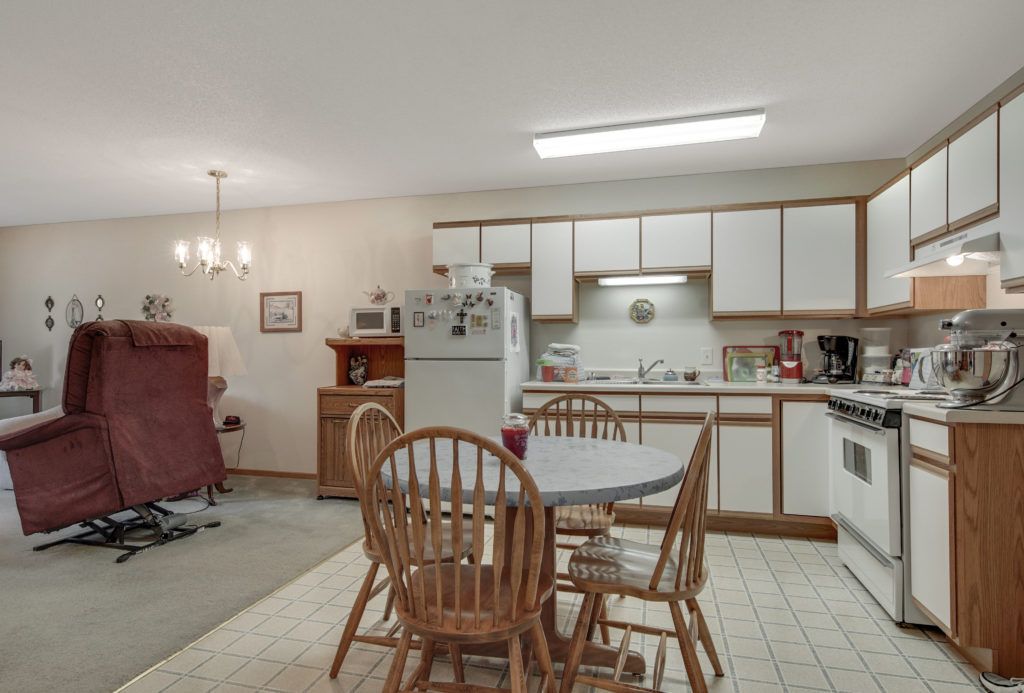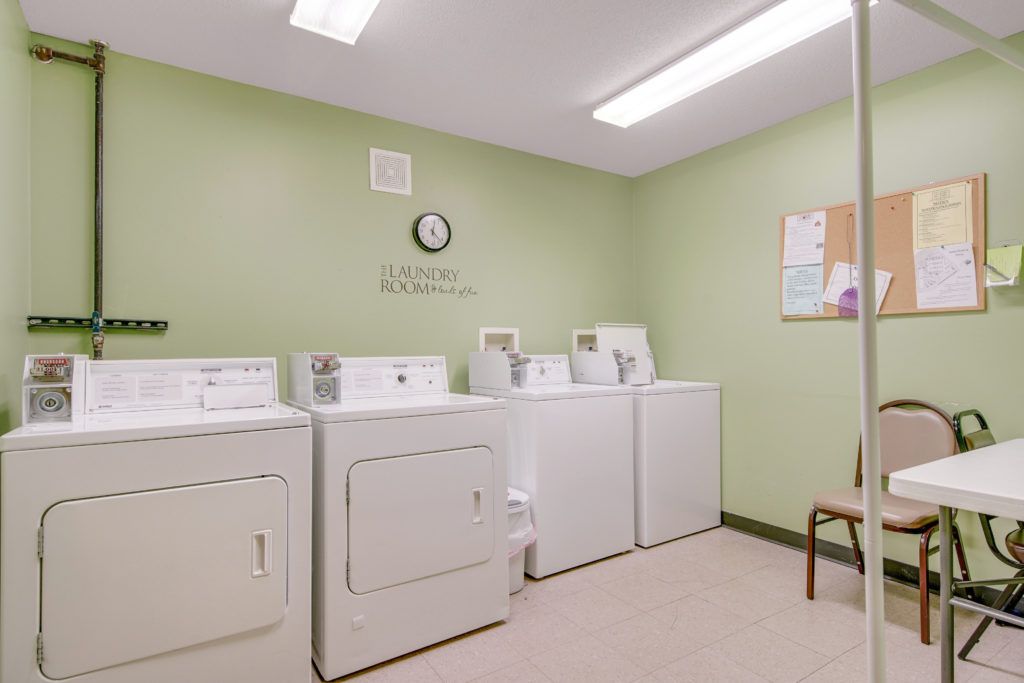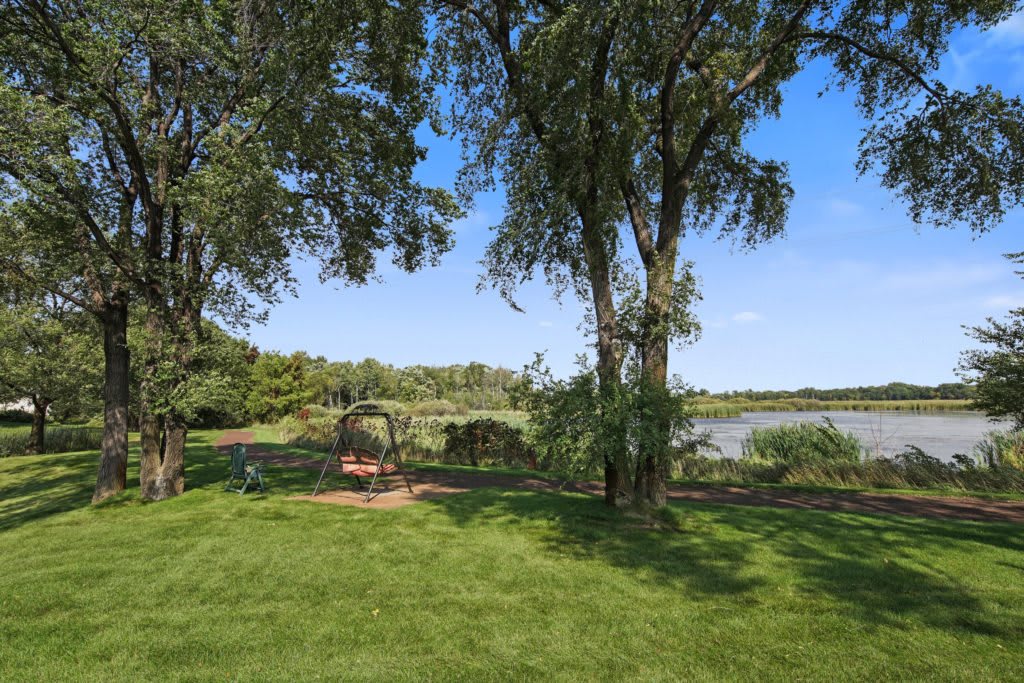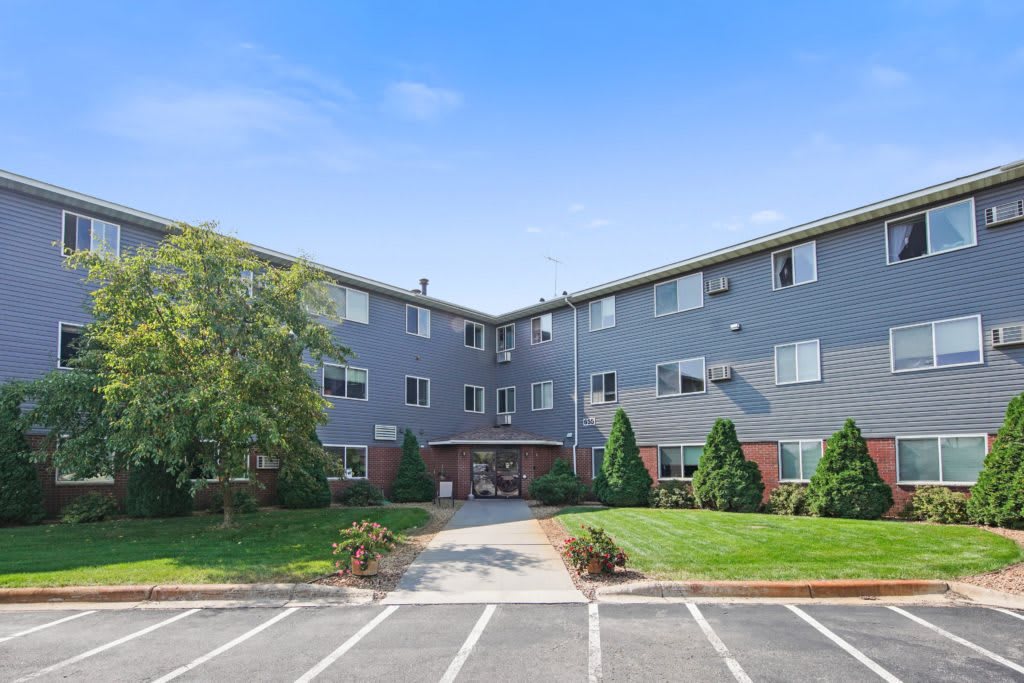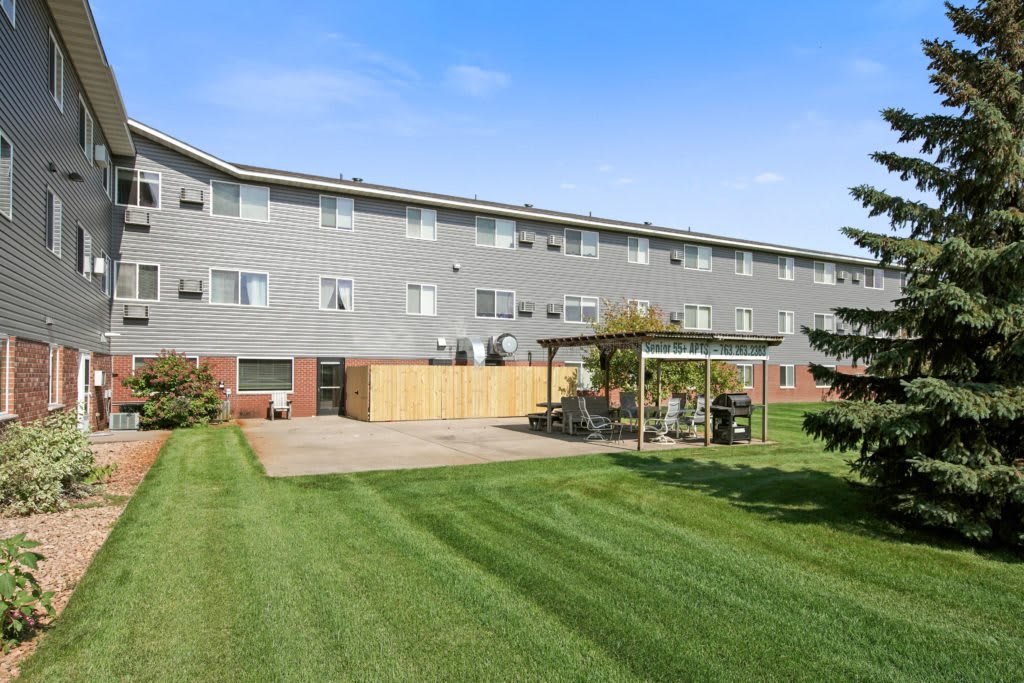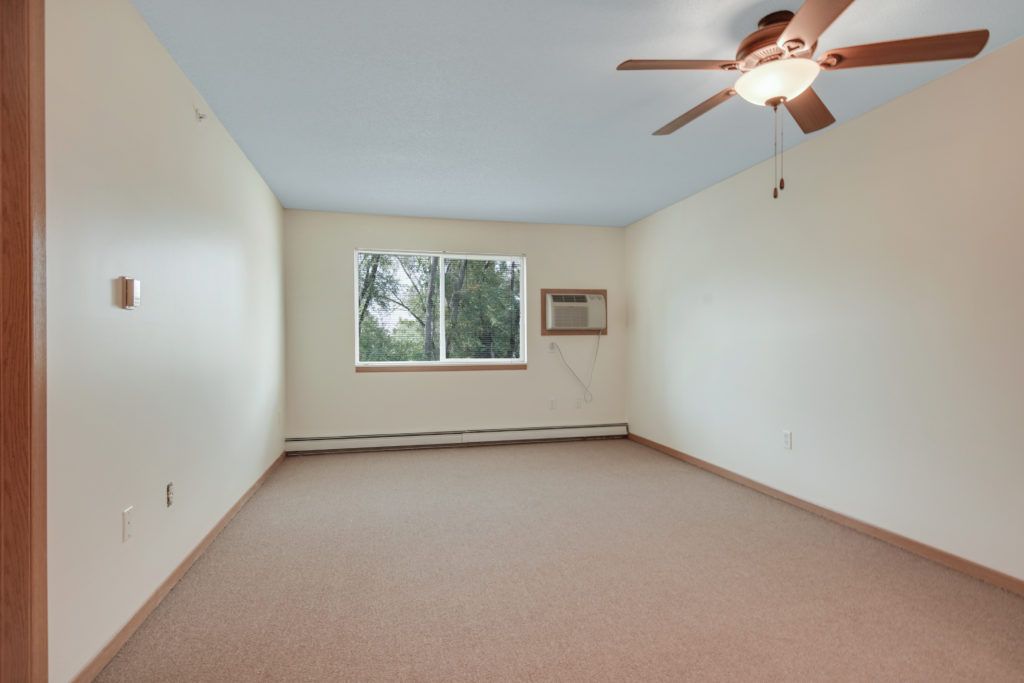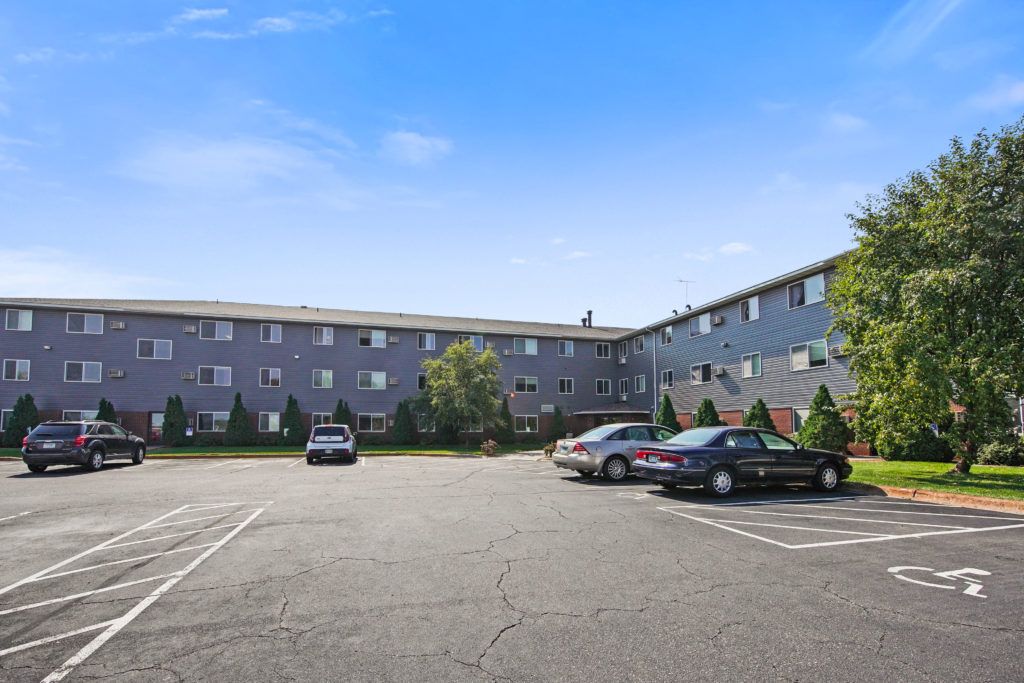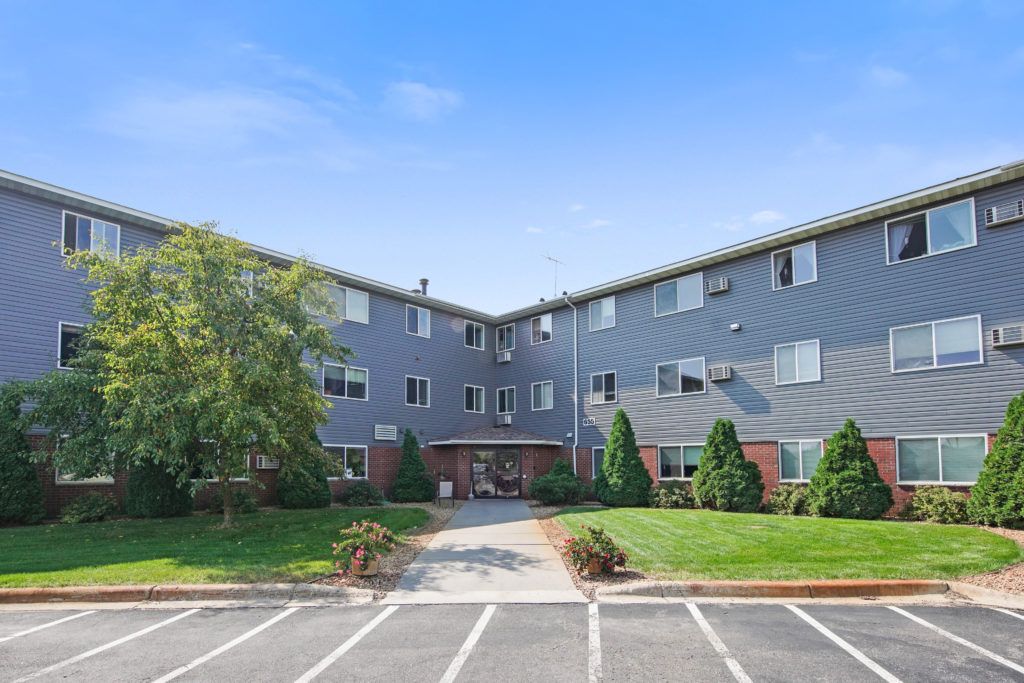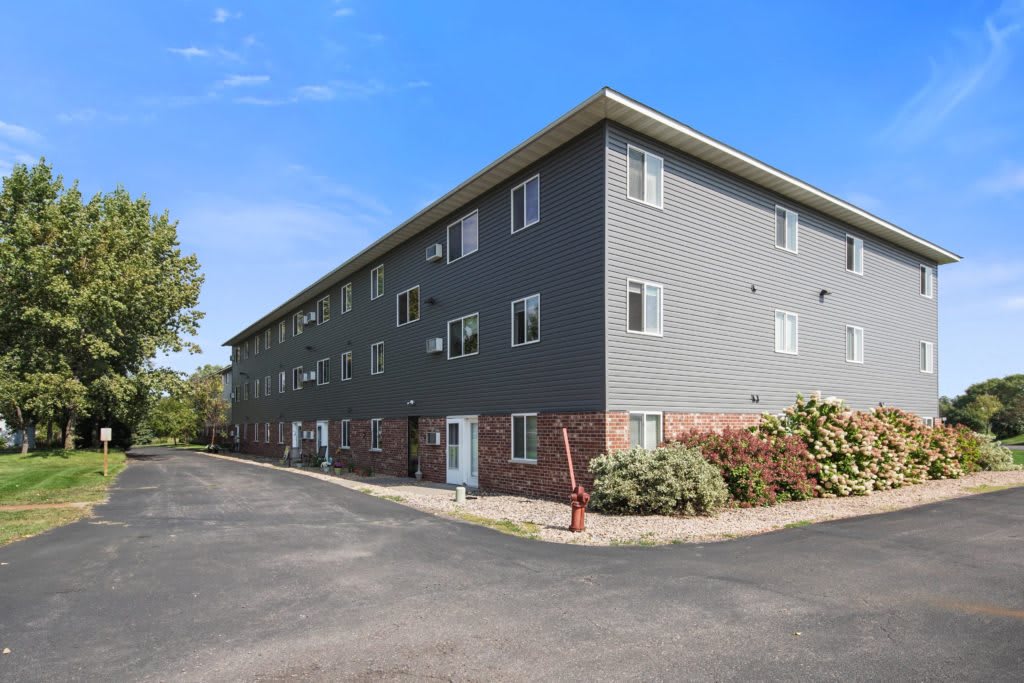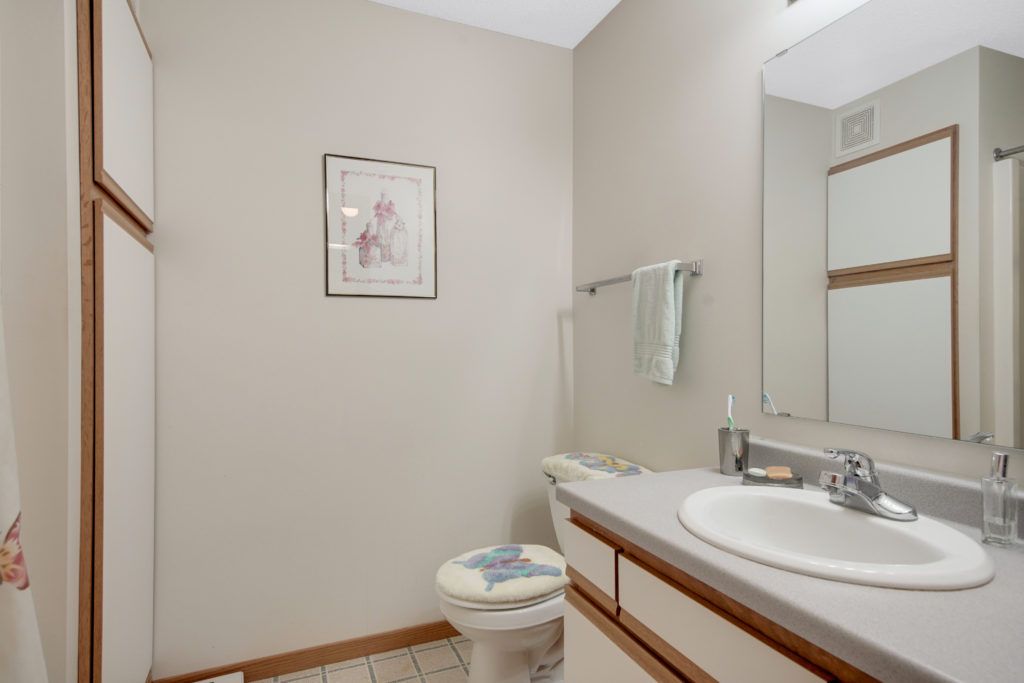
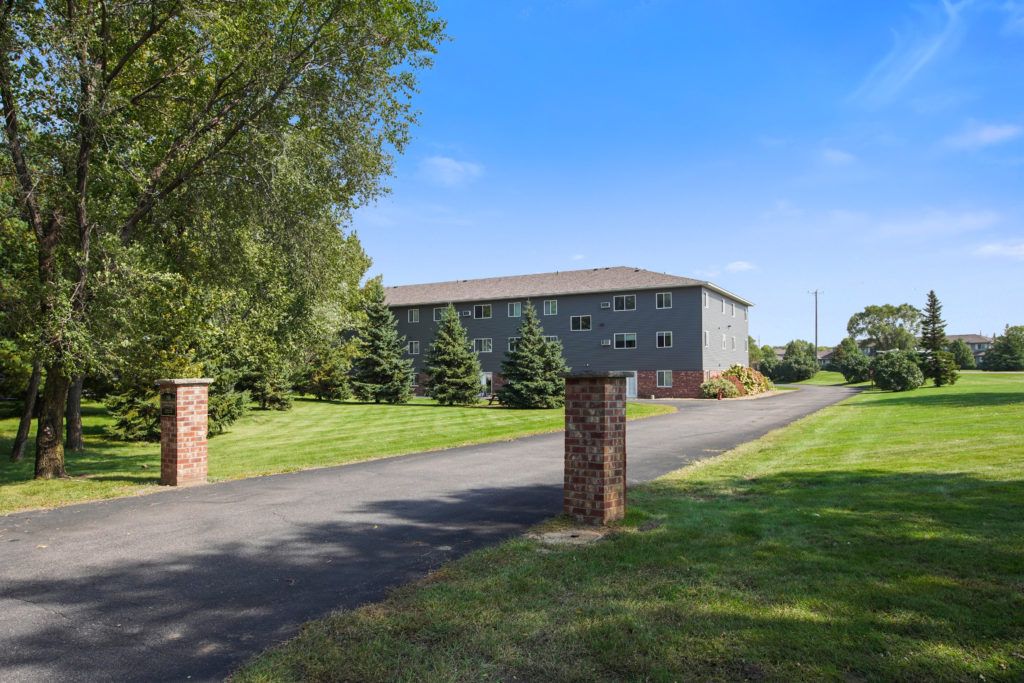
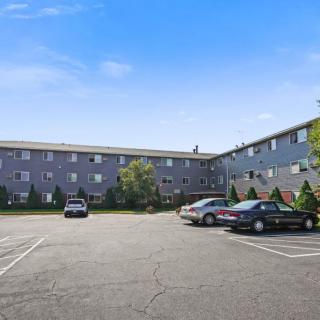
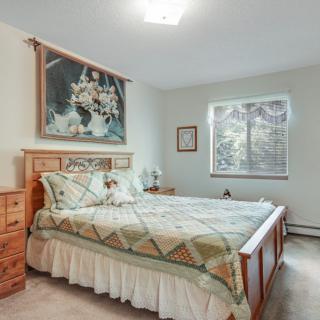
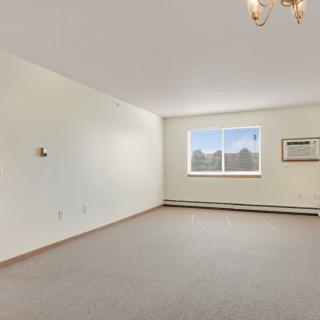
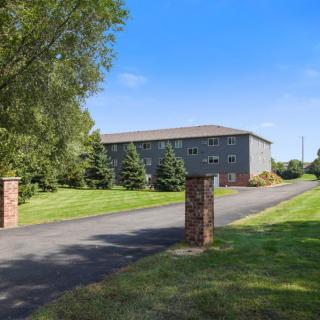
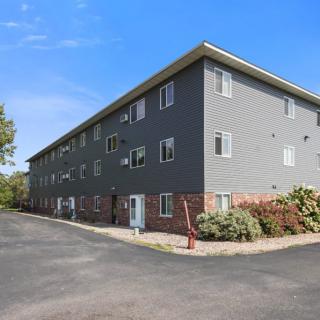
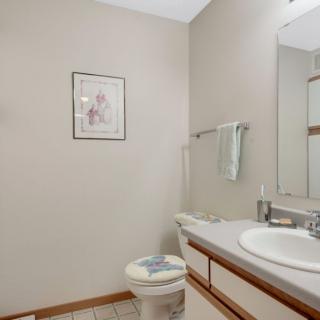
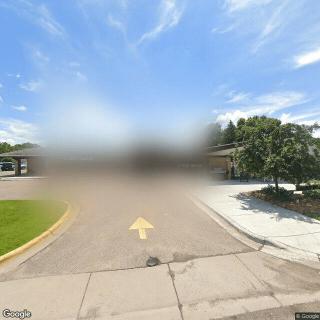
655 Norwood Lane, Big Lake, MN 55309
For more information about senior living options: (866) 208-4318
Keller Lake Commons Costs & Pricing
At Keller Lake Commons, the monthly costs for housing reflect a distinct positioning within both Sherburne County and the broader Minnesota state landscape. For a one-bedroom apartment, residents can expect to pay $3,291, which significantly exceeds the county average of $2,392 and falls above the state average of $2,893. Similarly, two-bedroom apartments at Keller Lake Commons are priced at $3,564; this is markedly higher than both the local rate of $1,945 and the statewide average of $2,955. These figures suggest that while Keller Lake Commons offers unique amenities or services that may justify its pricing, potential residents should be aware that these costs are substantially above regional trends.
| Floor plans | Keller Lake Commons | Sherburne County | Minnesota |
|---|---|---|---|
| 1 Bedroom | $3,291 | $2,392 | $2,893 |
| 2 Bedrooms | $3,564 | $1,945 | $2,955 |
Assisted Living communities with a similar price nearby
-
from -$291 / mo
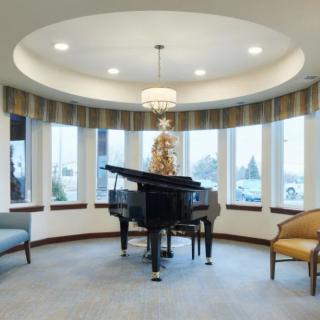
Willows Landing
$3,000 to $3,800 / month2.2 miles away -
from -$161 / mo
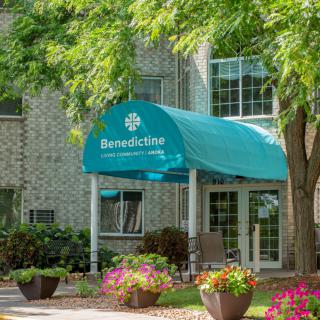
Benedictine Living Community Anoka
$3,130 to $3,530 / month19.1 miles away -
About the same

Comfort Keepers 424 & 783
$3,195 / month22.3 miles away -
from +$609 / mo
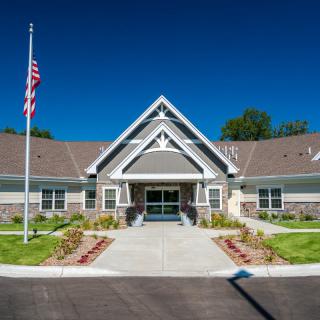
NorBella Champlin
$3,900 / month20.6 miles away -
from +$309 / mo
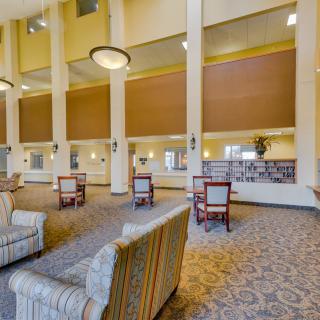
Champlin Shores
$3,600 to $6,900 / month20.0 miles away
Overall Review of Keller Lake Commons
Pros
 The staff are nice.
- They tried very hard with meals and dining.
- They offer good activities like arts and crafts and painting classes.
- They would recommend Keller Lake to other families.
- The management is highly regarded and the atmosphere is positive.
- It is a great place to work, with strong teamwork and staff willing to train for positions.
- Residents make the job enjoyable.
Cons
 An apparition of the reviewer’s deceased family members drank milk from the fridge and turned the water into blood.
Review
Keller Lake Commons in Big Lake, MN is best suited for active seniors who want a small-to-mid-size, neighborly community where social life and accessible programming drive daily life. The strongest appeal rests with residents who value thoughtfully prepared meals, a steady calendar of engaging activities, and a home-like setting rather than a clinical feels. Dining and programming rank high in reviews, with attendees noting the quality of meals and the presence of arts and crafts and painting classes. The “winter home” vibe also resonates for those who spend part of the year in the area or who appreciate a place that feels seasonal and personable rather than institutional. In short, this is a practical fit for seniors who prize companionship, creativity, and a lively but intimate residential atmosphere.
Those who may want to consider alternatives are anyone whose priorities center on intensive medical oversight, highly specialized memory care, or a facility with a larger clinical footprint. Families seeking on-site, round-the-clock nursing with a robust dementia program, or a setting that operates more like a hospital-like campus, should compare Keller Lake Commons against options designed to deliver higher medical acuity and a broader continuum of care. Likewise, buyers focused on ultra-luxury amenities, expansive campuses, or concierge-level services may find different communities that align better with those expectations. The reviews imply a strong social environment and solid staff culture, but they do not promise the level of clinical infrastructure some families require.
The core strengths, quality dining and a broad slate of activities, offer a meaningful buffer against common downsides in smaller communities. When meals are well-regarded and the activity calendar includes arts and crafts and painting classes, residents stay engaged, which reduces frustration and boredom and supports overall morale. A well-conceived activities program is especially valuable for those who fear loneliness or isolation after a transition to assisted living. The consistent emphasis on social engagement helps offset perceptions of limited on-site medical resources by delivering ongoing purpose and companionship, which is often the decisive factor in sustaining a positive quality of life.
Staff culture emerges as another decisive advantage. Several reviews highlight management’s effectiveness and teamwork, with employees describing strong leadership, opportunities for training, and a sense of being valued. This translates into more stable staffing, better continuity of care, and quicker problem-solving for residents. Home health aides note that the job is steady, rewarding, and supported by a cohesive team. For families, this suggests a predictable, resident-centered environment where caregivers are more likely to know individual histories, preferences, and routines, an outcome that directly supports safety, comfort, and well-being.
Among the reviews, one outlier stands apart: a highly unusual, supernatural-themed anecdote that reads more like an isolated anecdote than a typical experience. Such an extreme sentiment does not reflect the broader pattern of satisfaction and the 4.7 rating achieved from seven reviews. Families should weigh this single, eccentric remark against the strong, multiple testimonials praising dining, activities, and staff culture. The overall takeaway remains clear: the resident experience at Keller Lake Commons appears consistently positive, with tangible benefits in day-to-day life that outweigh any isolated oddities.
The practical conclusion is to visit and test-drive the community firsthand. Prospective families should assess the dining experience during a meal, observe activity offerings and attendance, and talk with staff about daily routines, safety checks, and questions about staffing ratios. If medical complexity or dementia-specific care becomes a priority, request detailed disclosures about on-site nursing availability, emergency response times, and memory-care options before committing. For those who place high value on engagement, companionship, and a supportive staff ethos, Keller Lake Commons offers a compelling, well-rounded option worth considering seriously.
 102 resident community capacity
 Assisted Living
 Cats allowed
 Dogs allowed
 Activities on-site
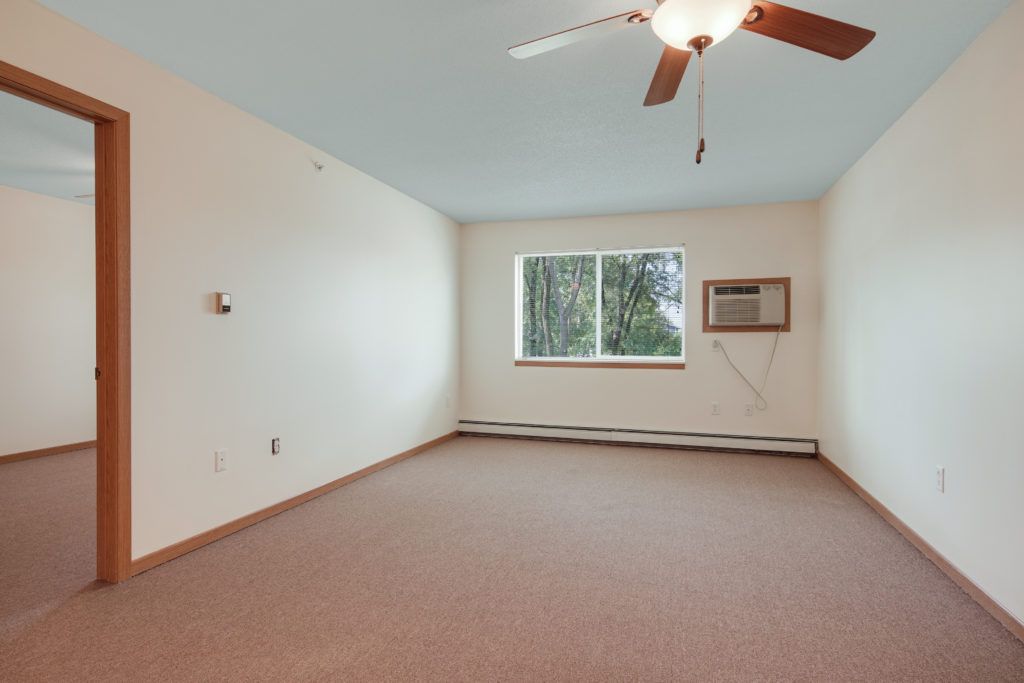
 Air-conditioning
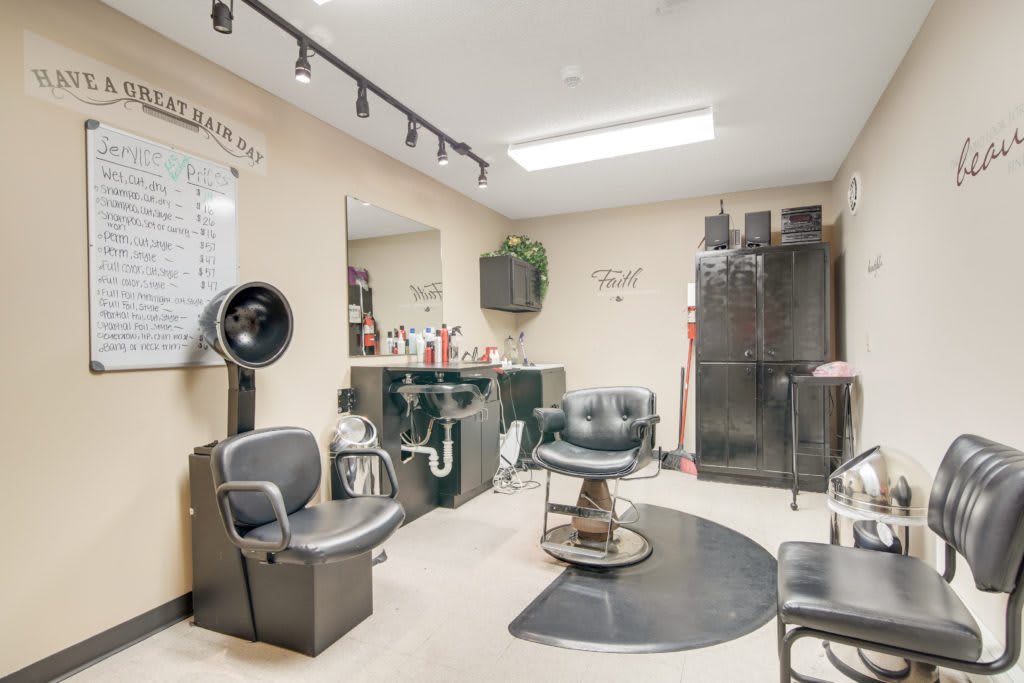
 Beautician on-site
 Cable or satellite TV
 Computer center
 Devotional services on-site
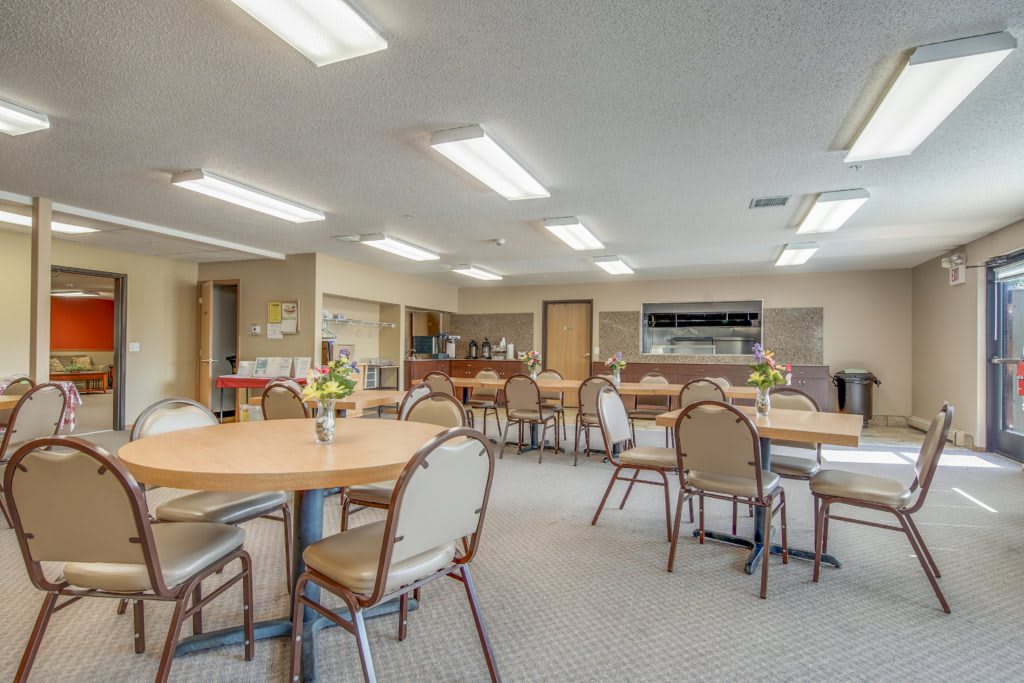
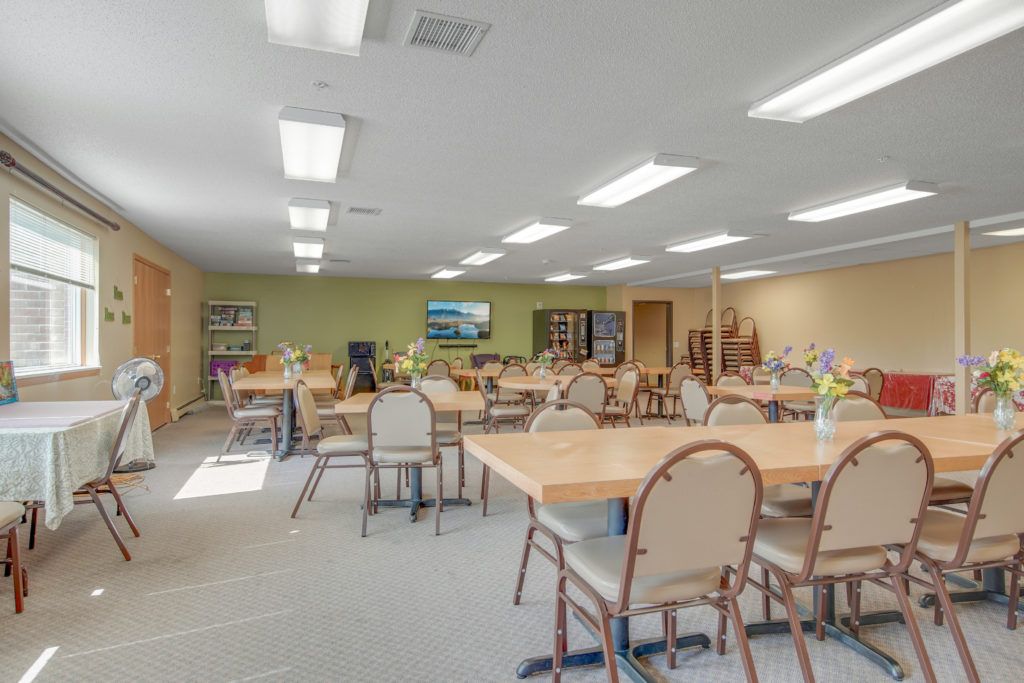
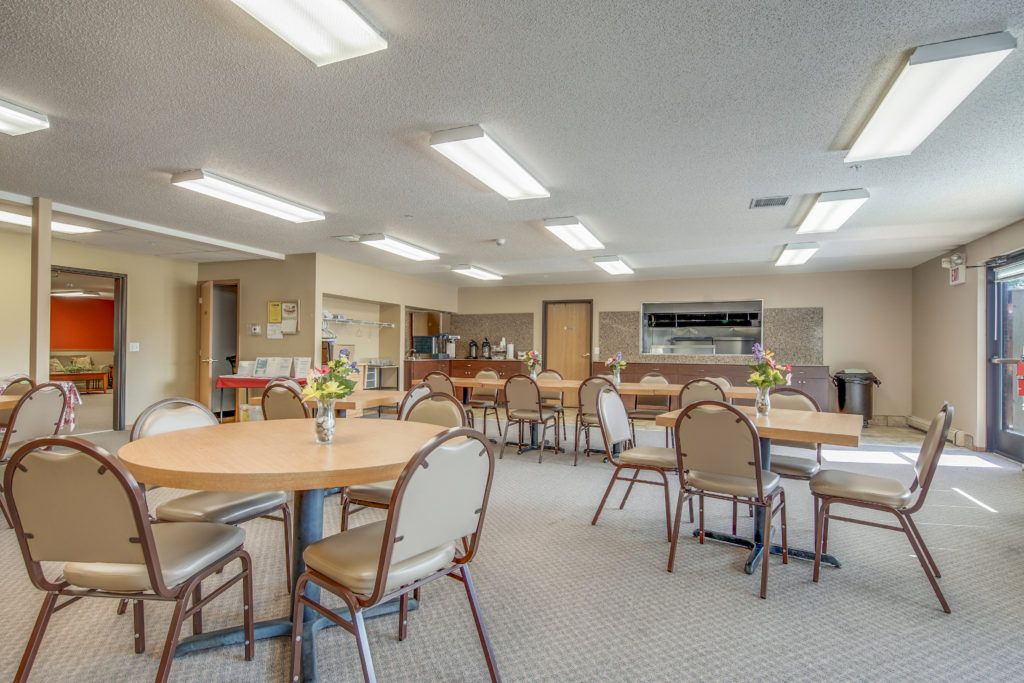
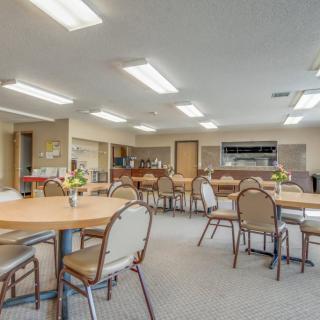
 Dining room
 Fitness room
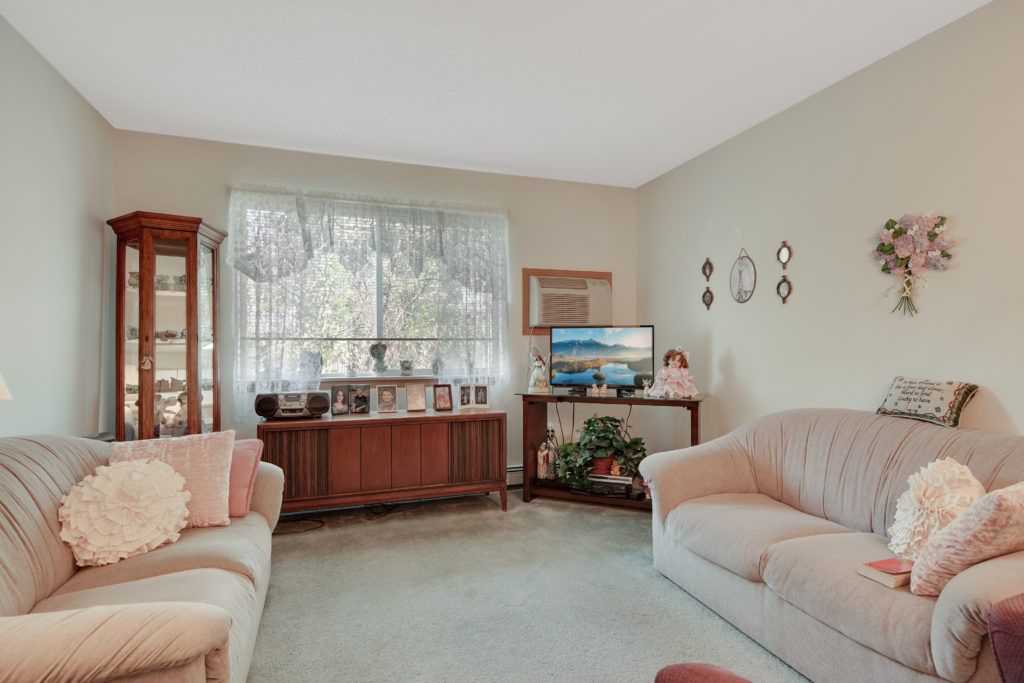
 Fully furnished
 Gaming room
 Garden
 Housekeeping services
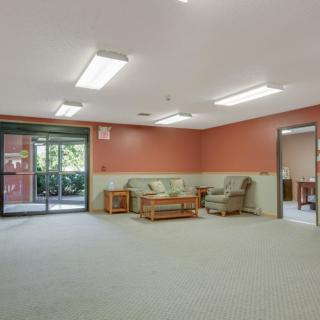
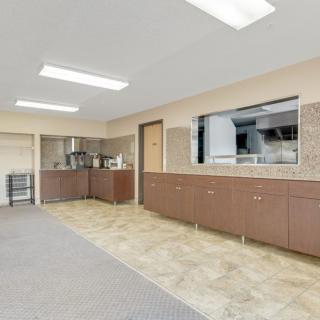
 Indoor common areas
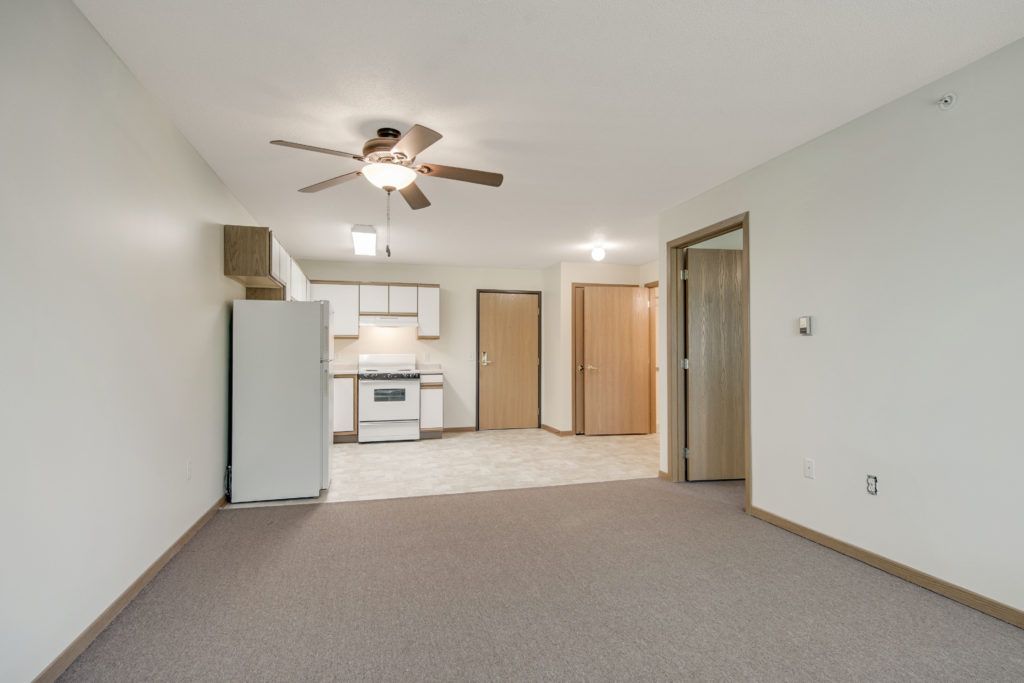
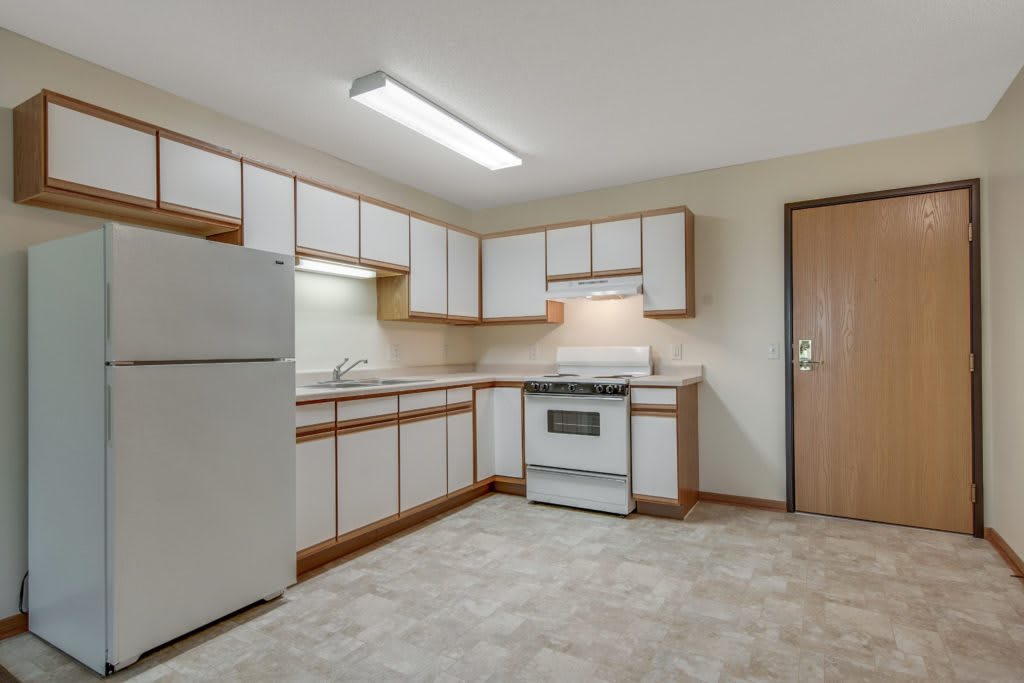
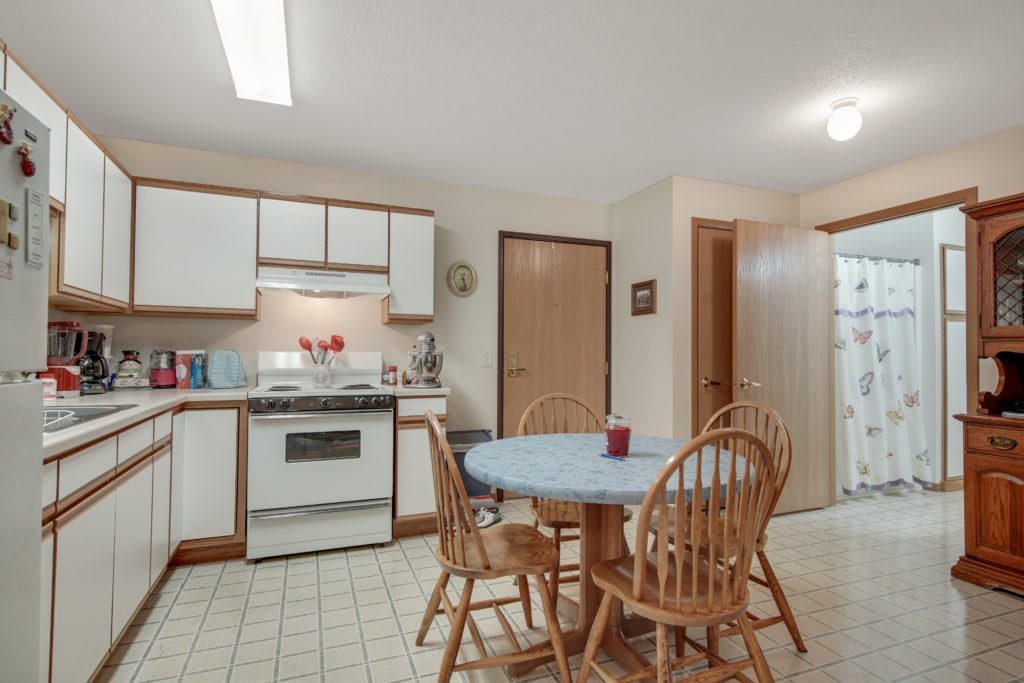
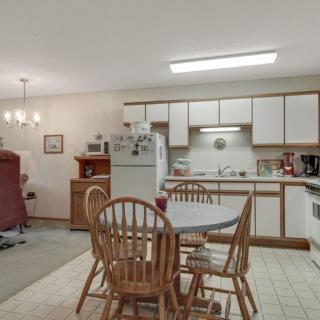
 Kitchenette
 Move-in coordination
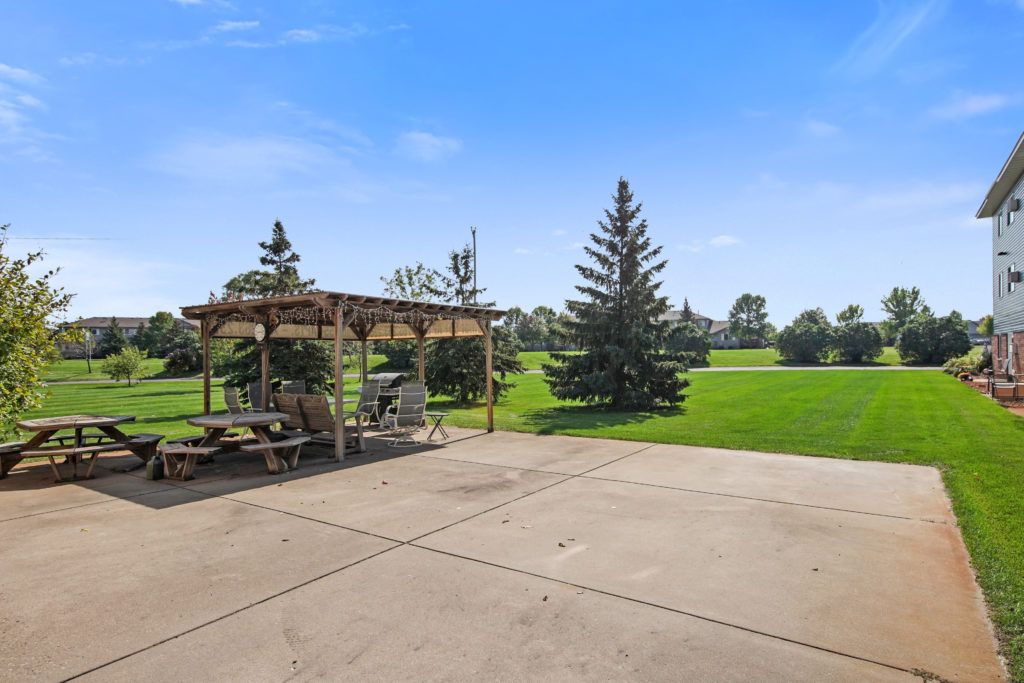
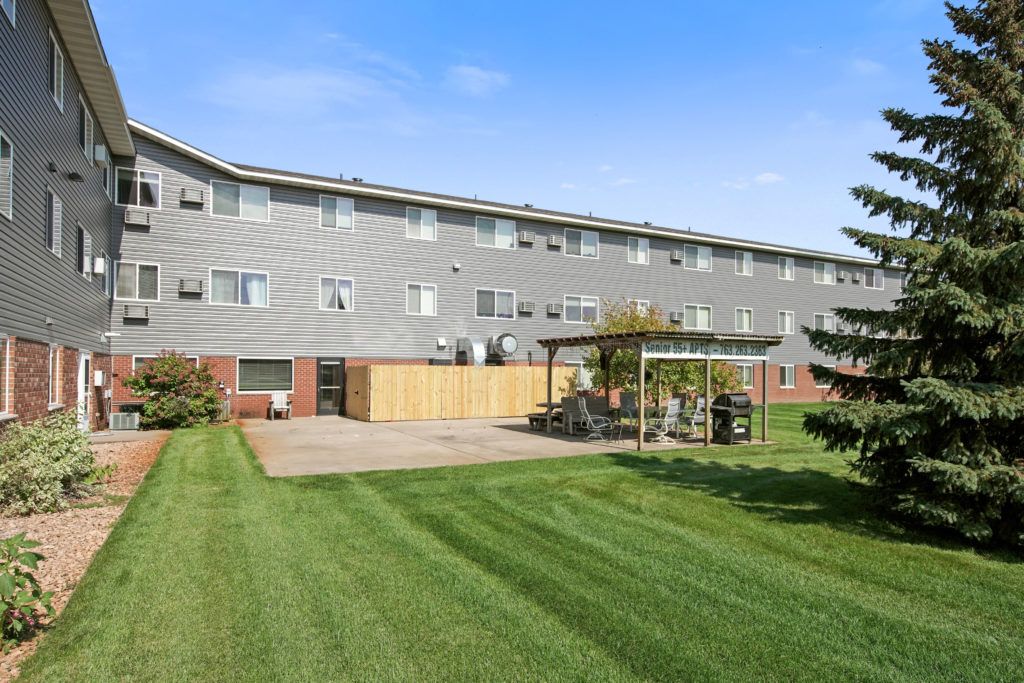
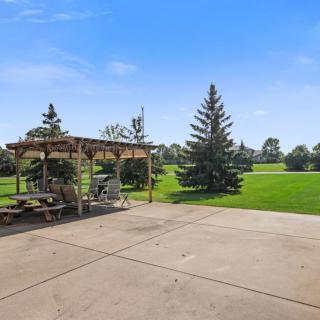
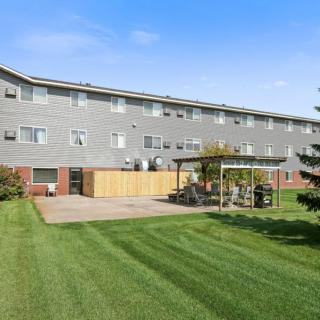
 Outdoor common areas
 Private bathrooms
 Restaurant-style dining
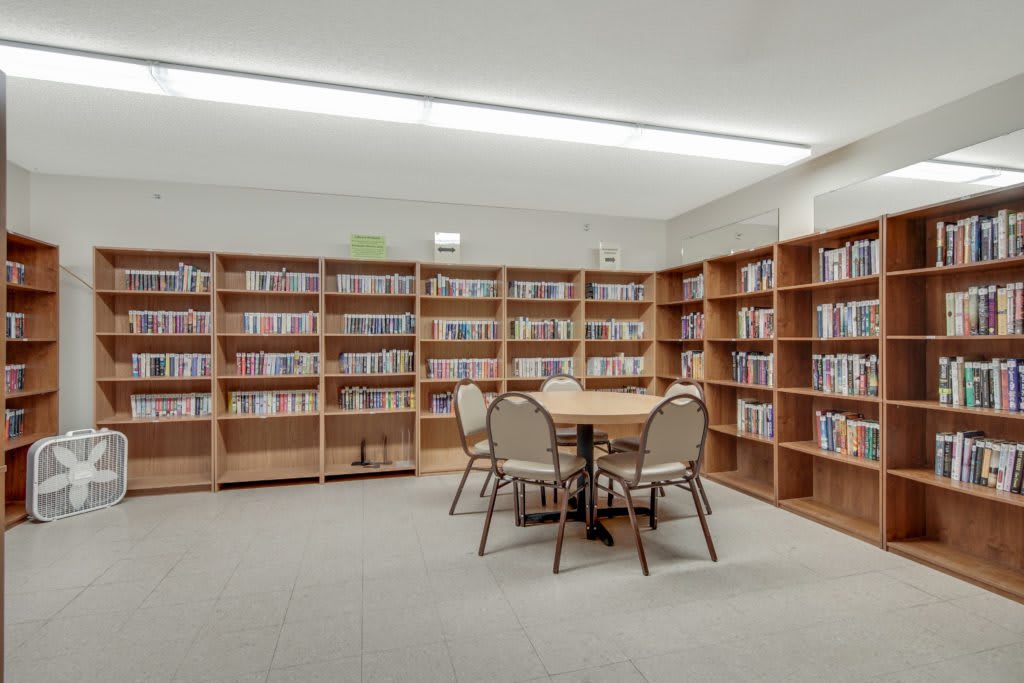
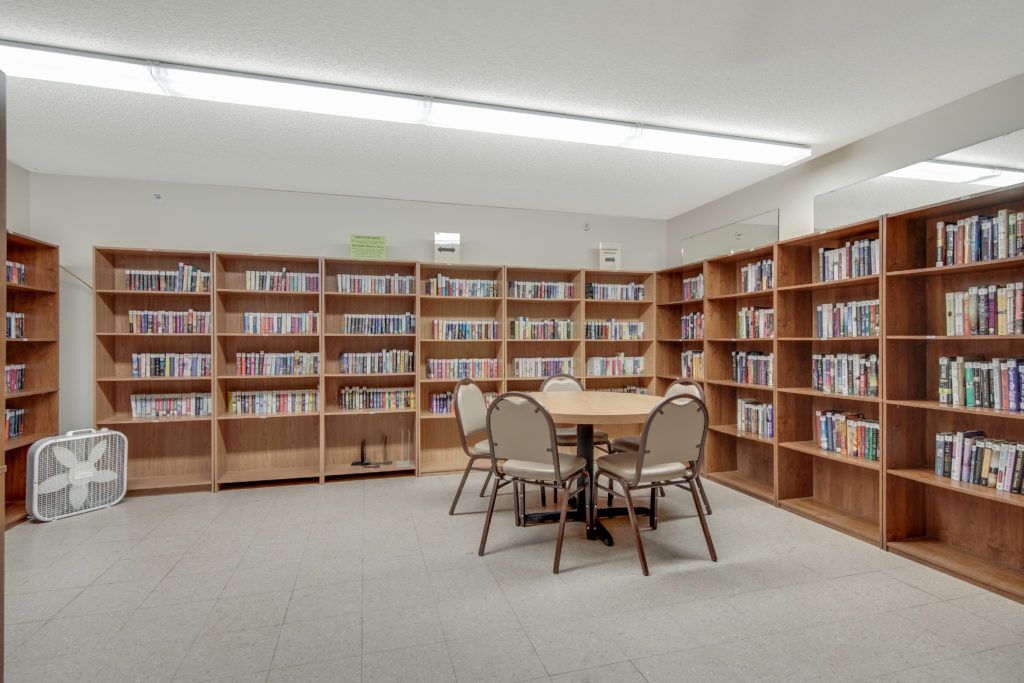
 Small library
 Telephone
 Wellness center
 Wheelchair accessible showers
 Wi-Fi/high-speed internet available
 St Cloud Regional (21 miles away)
 Community operated transportation
 12-16 hour nursing
 24-hour call system
 Ambulatory care
 Assistance with bathing
 Assistance with dressing
 Assistance with transfers
 Diabetes diet
 Diabetic care
 Incontinence care
 Medication management
 Mental wellness program
 Special dietary restrictions
 Transportation arrangement (medical)
 Concierge services
 Planned day trips
 Understanding Medicaid Coverage for Assisted Living: A Comprehensive Guide
 How and When Medicaid May Cover Assisted Living Costs
 A Detailed Exploration of Assisted Living Medicaid Waivers Across the United States