
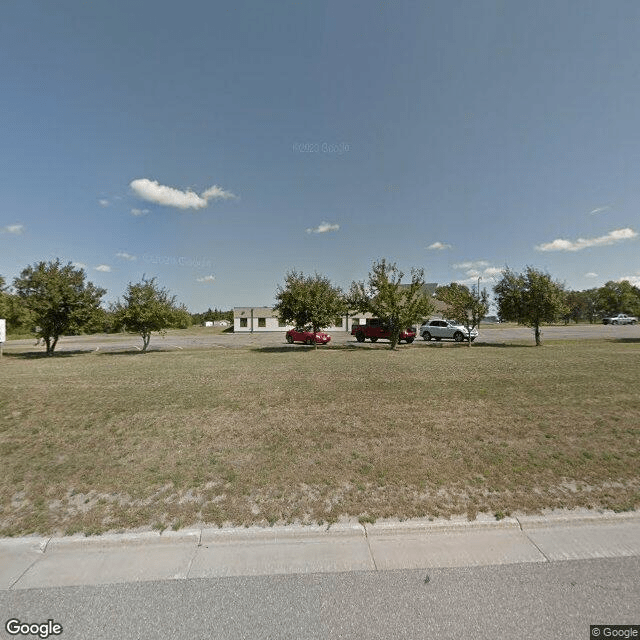
2508 Washington Ave SE, Bemidji, MN 56601
To contact a resident: (218) 751-1324
For more information about senior living options: (866) 208-4318
Overall Review of Adult Day Svc of Bemidji
Pros
 The facility takes very good care of residents with Alzheimer's and shows kindness to all clients.
- It offers plenty of activities to keep seniors busy.
- The place is nice with friendly staff.
- It is a wonderful place for seniors, special needs individuals, or anyone needing assistance.
- It’s a valuable resource for the community.
Review
Adult Day Svc of Bemidji is best suited for families seeking a structured, daytime supportive option that keeps an at-home senior engaged, safe, and socially connected. The program clearly serves seniors who need supervision and companionship during the day, with a particular fit for individuals living with memory impairment such as Alzheimer's disease, as well as those with special needs who benefit from organized activities. It also works well as a respite resource for caregivers, providing reliable daytime coverage that can help maintain a home routine and reduce burnout. In short, this is a practical daytime solution for families aiming to extend independent living at home while layering in meaningful engagement for the participant.
Those evaluating alternatives should consider that this is not a full living facility. Anyone requiring 24/7 supervision, round-the-clock medical oversight, or overnight care will likely need a different arrangement, such as an assisted living or memory care community. Transportation logistics can also influence suitability; if reliable getting-to-and-from services are not available, the program’s daytime model may be challenging. For seniors with complex medical needs or aggressive behaviors, a setting with dedicated on-site medical staff and more intensive supervision could offer greater peace of mind. In other words, this option excels for daytime activity and companionship, but falls short as a complete residential or high-acuity care solution.
On the strength side, the key advantages are clear and compelling. Families report that care for a relative with Alzheimer’s is notably attentive and kind, with staff who treat clients with respect and genuine warmth. The environment comes across as welcoming and well-maintained, reinforcing a sense of safety and belonging. Most importantly, the program is rich in activities, curated sessions, social opportunities, and mentally stimulating options, that keep participants engaged rather than idle. For caregivers, the predictable routine and attentive staff translate into real respite, turning what can be daily stress into manageable, still-connected days.
There is a modest but real caveat to weigh. The most significant limitation is inherent to any daytime service: it does not replace the need for overnight care or ongoing medical management. For families needing sustained, around-the-clock supervision or participants requiring continuous clinical monitoring, alternatives with housing and medical staffing will be more appropriate. A single less-emphasized data point, an outlier rating, suggests that experiences may vary; while the positives dominate, no program is perfect, and expectations should be calibrated accordingly. In practice, the absence of overnight coverage is the primary constraint to plan around.
When evaluating whether this program offset’s its limitations, the answer is a robust yes for its core mission: daytime engagement, social connection, and caregiver relief. The layered benefits of compassionate staff, dementia-friendly attention, and an active calendar tend to overrule the drawbacks for many families. For someone who values a well-structured day and thrives on consistent activities, the gains in mood, socialization, and safety can meaningfully improve quality of life. The right match occurs when the need is for daytime support rather than full-time residential care, and when the caregiver’s schedule aligns with the program’s hours.
To decide confidently, families should ask direct questions about eligibility, hours, and daily routines. Inquire about staff-to-participant ratios, dementia-care training, and how activities are tailored to different ability levels. Clarify transportation options, sign-in procedures, and how medical or behavioral incidents are handled. Request a sample day plan, ask about the intake process, and review transparent pricing with what’s included versus add-ons. If the goal is to extend independent living at home with reliable daytime support and meaningful engagement, this Bemidji program deserves strong consideration; if 24/7 care or advanced medical oversight is non-negotiable, alternatives should be pursued.
 Day Program
 Bemidji-Beltrami County (6 miles away)


 Caregiver Exhaustion: Recognizing the Signs and Restoring Your Well-Being
 Understanding Hospice Care at Home: Comprehensive Services, Key Benefits, and Eligibility
 Understanding the Full Cost of 24/7 In-Home Care: A Detailed Overview