
701 Polk Street, Anoka, MN 55303
For more information about senior living options: (866) 208-4318
Overall Review of The Cedars
Pros
 The staff are always there whenever residents need anything.
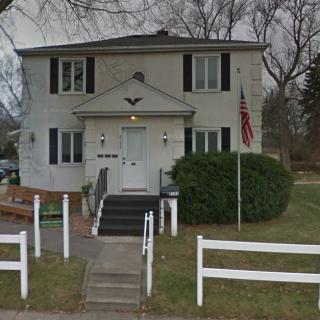
- The houses and landscaping are very well maintained.
- Management answers questions promptly and reliably.
- The street is kept clear of cars and the staff are friendly to neighbors.
- The residents are well taken care of by conscientious and capable employees.
- They are an asset to the neighborhood.
- The residents look forward to seeing people on the street and stopping to chat.
Cons
 The staff are rude.
- Management is not responsive.
- There are constant problems with parking.
- Garbage and medical waste are regularly left in the street.
- People in their care run away quite often without staff noticing they're gone.
- The outside treatment of elderly patients is appalling.
- They would not be trusted to take care of a dog, much less an elderly family member.
- The room is filthy.
Review
This community in Anoka, MN is best suited for families that prize a visibly cared-for setting and a staff presence that feels accessible day to day. The Cedars tends to appeal to those who want well maintained houses and landscaping, with driveways and streets kept clear, and neighbors reporting that residents are greeted warmly on the way in or out. In practical terms, it fits best when peace of mind comes from knowing staff are consistently around to respond to simple daily needs, questions, and routine contacts from family members. For families who place a premium on curb appeal, dependable housekeeping, and a neighborhood-friendly atmosphere, The Cedars delivers a tangible sense of order and reliability.
Those who should consider alternatives are families with an uncompromising focus on staffing culture, safety oversight, and transparent management responsiveness. While several reviewers praise the care team, others raise serious red flags about interactions with staff, management accessibility, and the facility’s procedures for handling safety and security. Parking can become a frequent point of tension, and some neighbors describe ongoing issues with waste and cars obstructing streets. Most consequential are claims about residents’ treatment and protective oversight, allegations of mismanagement, potential neglect, and even harassment. These issues, if borne out, point to fundamental questions about daily safeguarding and trust that warrant careful comparison with other providers.
The strongest positives center on daily attentiveness and the physical environment. Families report that staff are present when needed, that questions are answered, and that the homes themselves feel orderly and well cared for. The hands-on maintenance of grounds and interiors demonstrates an ethic of pride in appearance and routine upkeep, which matters for residents who benefit from a calm, predictable atmosphere. The social dimension also shows up in neighborly interaction: residents appear approachable, and the community language around upkeep and courtesy creates a sense of belonging. In short, the consistent, visible care and the inviting exterior can translate into lower daily stress for families and a more dignified living experience for residents.
The most troubling narratives focus on management responsiveness and safety concerns. A few reviewers describe rude or unresponsive staff, persistent parking problems, and waste left in the public street, all of which undermine daily comfort and neighborhood trust. More severe charges include allegations of mistreatment, inappropriate restraint, and financial disputes that extend into hospital or long-term care contexts. While these accounts cannot be assumed true without verification, they signal potential gaps in oversight, incident reporting, and corrective action that could have serious consequences for resident safety and family confidence. For a family weighing options, these are the kinds of risks that must be weighed against the community’s physical upkeep and general amiability.
Ultimately, the decision hinges on which elements of quality care matter most and how robustly one requires them to be aligned. If a well-kept environment, regular staff presence, and a friendly, low-conflict street front are the priority, The Cedars can be a strong fit. If, instead, clear channels of management accountability, rigorous safeguarding practices, and consistently positive staff-resident interactions are non-negotiable, this community may prompt a closer search elsewhere. Prospective families should demand direct conversations with leadership, request written policies on incident reporting and corrective action, and seek current resident or family references focusing on safety and responsiveness. A thorough tour that includes shadowing staff during peak hours, conversations with residents, and scrutiny of common areas will illuminate whether the positives outweigh the concerns in the specific case at hand.
In the end, a decision about The Cedars should align with personal risk tolerance and care expectations. For some, the aura of well-kept grounds, apparent staff availability, and neighborly warmth will justify the tradeoffs. For others, the potential downsides, especially around management responsiveness and safety allegations, will necessitate a broader comparison with other nearby options. Families owe it to their loved ones to pursue clear, concrete assurances: written incident policies, transparent communication practices, and documented references that corroborate a consistent, respectful, and safe living experience. Only then can a confident choice be made.
 10 resident community capacity
 Assisted Living
 Cable or satellite TV
 Dining room
 Fully furnished
 Garden
 Housekeeping services
 Move-in coordination
 Outdoor space
 Telephone
 Wi-Fi/high-speed internet available
 Minneapolis-St Paul International (24 miles away)
 24-hour supervision
 Activities of daily living assistance
 Assistance with bathing
 Assistance with dressing
 Assistance with transfers
 Diabetes diet
 Meal preparation and service
 Medication management
 Special dietary restrictions
 Transportation arrangement (medical)
 Transportation to doctors appointments



 Securing Financial Support for Assisted Living: A Comprehensive Overview
 Social Security Benefits and Assisted Living: Navigating Options Across the U.S.
 An Extensive Exploration of the VA Aid and Attendance Benefit