Sabainah Healthcare II is an assisted living community in Anoka, MN.
Information last verified:
914 38Th Street, Anoka, MN 55303
For more information about senior living options: (866) 208-4318
3.4 from 25 reviews
5 stars
12
4 stars
3
3 stars
1
2 stars
0
1 stars
9
Overall Review of Sabainah Healthcare II
caveat5 reviews mention this
Staffing response draws mixed reports
Some residents and families report slow help when they call for assistance.
A recurring concern is getting timely help, with multiple accounts describing long waits after call-button requests. Several negative reviews also describe aides not showing up promptly, or residents left waiting for bathroom help and medication. At the same time, other reviews say staff were helpful once present, so the experience appears inconsistent across visits.
common19 reviews mention this
Personal care and supervision vary
Residents describe the day-to-day care team as both supportive and inconsistent.
Many reviews focus on the quality of care and personal attention, including staff addressing residents by name, answering questions about care, and providing help when needed. Other reviews are much more critical, describing inadequate care during stays and missed or delayed needs like bathing, transfers, and medication. Because both viewpoints show up repeatedly, the feedback suggests the overall care experience can depend heavily on the situation and caregiver coverage.
common5 reviews mention this
Therapy support is highlighted
Physical and occupational therapy are frequently mentioned as effective.
Several residents and families describe therapy as a strong part of the experience, including help working toward goals and improving mobility after injury or surgery. Reviews specifically praise occupational and physical therapy, as well as staff who guide patients through difficult recovery stages. This theme aligns with the way residents talk about progress during their stays.
common2 reviews mention this
Activities keep people engaged
The activity program is mentioned as a positive outlet for residents.
At least a couple of reviews describe an active schedule and an activity department with enough going on for residents to do. One review also mentions participation and day-to-day engagement through small routines and support with tasks. These comments suggest activities are one area families notice during their time there.
common2 reviews mention this
Clean rooms and housekeeping noticed
Families mention cleanliness and housekeeping as a steady strength.
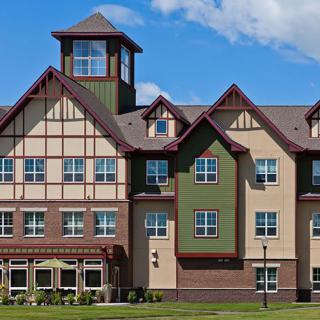
Some reviewers describe the facility as clean and a room as comfortable, including positive comments about the overall look and feel. Another review specifically calls out good housekeeping staff, reinforcing that cleanliness is something families notice. Even though other reviews raise serious care concerns, these comments point to consistent attention to the physical environment in those accounts.
How we summarize
Counts show how many written reviews mention each theme; a review can touch several themes, and only frequently mentioned themes are displayed.
Features
Housing
4 resident community capacity
Types of Care
Assisted Living
Amenities
Cable or satellite TV
Dining room
Fully furnished
Garden
Housekeeping services
Move-in coordination
Outdoor space
Telephone
Wi-Fi/high-speed internet available
Transportation
Minneapolis-St Paul International (25 miles away)
Care Services
24-hour supervision
Activities of daily living assistance
Assistance with bathing
Assistance with dressing
Assistance with transfers
Coordination with health care providers
Diabetes diet
Meal preparation and service
Medication management
Special dietary restrictions
Transportation arrangement (medical)
Transportation to doctors appointments
Dining
Diabetes diet
Special dietary restrictions
Activities
Community-sponsored activities
Scheduled daily activities
Nearby Places of Interest
Hospitals
Anoka Metro Regional Treatment Center (0.6 miles)
Pharmacies
CVS Pharmacy (0.7 miles)
Walgreens (0.7 miles)
Walmart Pharmacy (1.1 miles)
Cub Pharmacy (1.3 miles)
CVS Pharmacy (1.7 miles)
Walgreens (2 miles)
Dakota Drug (2 miles)
Restaurants
Pappy's (0.7 miles)
Boston's Restaurant & Sports Bar (1.7 miles)
Ambi Wine Bar (1.8 miles)
10K Brewing (1.9 miles)
Mandarin Buffet (2 miles)
Willy Mccoys Of Andove (2.8 miles)
Willy Mccoys (2.9 miles)
Parks
Riverdale Park (1.3 miles)
Kelsey Round Lake Park (1.7 miles)
Crooked Lake Park & Beach (1.9 miles)
Pennisula Park (2.3 miles)
Sunshine Park (3.2 miles)
Pinebrook Park (6.9 miles)
Ham Lake City Park (7.5 miles)
Physicians
The Dental Specialists (1.5 miles)
Dr Kara Durick, Optometrist, and Associates - Coon Rapids (1.7 miles)
HealthPartners Riverway Clinic Anoka (1.8 miles)
Allina Hospitals & Clinics (2.3 miles)
Mercy Orthopedics Clinic (2.6 miles)
North Suburban Eye Specialists (2.8 miles)
Allina Health Ramsey Clinic (3.9 miles)
Cafes
Caribou Coffee (1.9 miles)
Caribou Coffee (5.6 miles)
Starbucks (6.8 miles)
Theaters
Andover Cinema (2.9 miles)
AMC Coon Rapids 16 (6.6 miles)
Places of Worship
Saint Katharine Drexel Catholic Church (3.7 miles)
Assisted living provides moderate support for seniors seeking independence, while memory care offers specialized support for individuals with dementia or cognitive impairments through structured routines and trained staff. Key differences include care approaches, environment security measures, staff training levels, activity types, and cost considerations.
Assisted living communities offer diverse activities beyond traditional games to enhance seniors' physical health, cognitive well-being, emotional enrichment, and social connections, including fitness classes, creative expression, and intergenerational interactions. These enriching programs foster community bonds and support residents' independence and happiness.
The article differentiates between assisted living and memory care, explaining that assisted living supports seniors with daily activities while promoting independence, whereas memory care provides specialized services for individuals with dementia, focusing on secure environments and cognitive support. It also addresses staff training, safety considerations, costs, family involvement, and transition strategies for families navigating these care options.
Get PricingAsk A QuestionSchedule A TourContact Senior Advisor
By clicking submit, you agree to our Partner's Terms of Use. You
also consent to receive calls and texts, which may be autodialed, from our Partner. Your consent is not a condition to
using our Partner's service. Please visit our Partner's Privacy Policy for information about their privacy practices.

 4 resident community capacity
 Assisted Living
 Cable or satellite TV
 Dining room
 Fully furnished
 Garden
 Housekeeping services
 Move-in coordination
 Outdoor space
 Telephone
 Wi-Fi/high-speed internet available
 Minneapolis-St Paul International (25 miles away)
 24-hour supervision
 Activities of daily living assistance
 Assistance with bathing
 Assistance with dressing
 Assistance with transfers
 Diabetes diet
 Meal preparation and service
 Medication management
 Special dietary restrictions
 Transportation arrangement (medical)
 Transportation to doctors appointments
 Comprehensive assisted living with meals, ADL support, transportation to medical appointments, and care coordination.
 Assisted Living and Memory Care: Understanding Their Core Differences
 Beyond the Bingo Hall: 50+ Enriching Activities for Seniors in Assisted Living
 Understanding the Distinctions: Assisted Living and Memory Care Explained