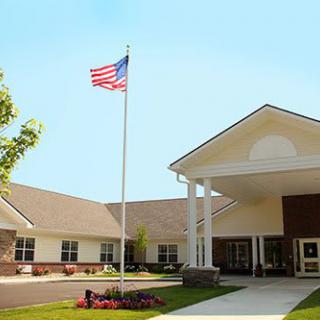
Williamston Compassionate Care in Williamston, MI

3800 Vanneter Road, Williamston, MI 48895

For more information about senior living options: (844) 490-3973

2 from 1 review
Assisted Living Board and Care Home Memory Care

Overall Review of Williamston Compassionate Care

Cons

  • pro The staff here is not licensed, or not sufficiently experienced in caring for these individuals.
  • pro Medications have been administered by non-medical professionals.
  • pro The facility is too crowded.
  • pro The facility is not clean.
  • pro The meals are unhealthy.
  • pro There are no in-house activities.

Review

Williamston Compassionate Care in Williamston, MI is best suited for seniors who have very low care needs and are willing to accept unlicensed staff, minimal oversight, and a decidedly no-frills environment. It is not appropriate for anyone who requires consistent medical supervision, licensed caregivers, or a structured, engaging activity calendar. Families should recognize that the facility's current model relies on caregivers who may lack formal training, and this should factor heavily into any decision about staying long-term or transitioning a loved one there.

The most consequential red flags are interwoven: staff is described as not licensed and not necessarily experienced in caring for residents, and medications have been administered by non-medical personnel. Those points translate into real safety concerns - medication errors, improper administration, and the potential for missed doses. Couple that with a crowded environment and substandard cleanliness, and the risk of accidents, infections, or general neglect becomes a persistent strain on daily life. The absence of in-house activities compounds isolation, leaving residents with little structure, social interaction, or meaningful engagement beyond basic shelter.

Pros, if any, do little to blunt these fundamental flaws. The scarcity of programs or amenities means residents face a quiet, passive routine with few opportunities for stimulation or progression, which is a serious liability for mental and emotional health. If cost were the sole driver, a bare-bones living situation might seem appealing, but the combination of unlicensed care and hygiene concerns tends to erode any perceived affordability. In practical terms, there are essentially no compelling trade-offs here - the drawbacks overwhelm the limited "benefits" implied by the facility's minimalism.

Alternatives should be the default lens for families evaluating options in this area. Look for facilities with licensed nursing staff, clearly defined care protocols, and dedicated medication management overseen by professionals. Prioritize environments with consistent cleaning schedules, transparent housekeeping standards, and nutrition programs that provide balanced, medically appropriate meals. A robust activities calendar and opportunities for social engagement are non-negotiables for most seniors, so seek communities that deliver regular group events, therapeutic activities, and supportive outreach. In short, aim for a setting where safety, cleanliness, and engagement are integral, not incidental.

When assessing potential communities, use a concrete checklist. Ask about licensing status and staff qualifications, details of how medications are administered and tracked, staffing ratios, and on-site supervision hours. Inquire about housekeeping and sanitation routines, meal plans, diet accommodations, and the cadence of activities or outings. Visit at different times of day to observe staff-resident interactions, meal quality, and the overall atmosphere. Request contact with current residents or families to understand day-to-day realities. A facility that cannot readily answer these questions with specifics should be avoided in favor of options with proven systems and verifiable standards.

Overall, Williamston Compassionate Care is not a strong fit for seniors who require reliable medical oversight, consistent cleanliness, and an active, engaging daily life. It is a stark choice that tends to expose residents to safety risks and disengagement. Families weighing options should steer toward communities that demonstrate licensed clinical oversight, rigorous hygiene practices, nutritious meals, and a full slate of purposeful activities. For anyone with modest expectations about care quality, this facility may still be considered; for virtually every senior needing dependable supervision and a higher quality of life, stronger alternatives will deliver far better outcomes.

Features

Housing

  • 12 resident community capacity 12 resident community capacity

Types of Care

  • Assisted Living Assisted LivingAssisted living facilities provide crucial support and care for seniors who may need help with daily tasks such as medication management, bathing, and meal preparation. These communities offer a safe and comfortable environment where seniors can maintain their independence while receiving the assistance they need to thrive in their golden years.
  • Board and Care Home Board and Care HomeBoard and care homes provide a smaller, more intimate setting for seniors who require assistance with daily tasks but do not need the level of care offered by a nursing home. They offer personalized care, meals, and social activities in a homelike environment, ensuring that seniors receive individualized attention and support in their golden years.
  • Memory Care Memory CareMemory care is crucial for seniors as it provides specialized support and services for individuals with dementia or Alzheimer's disease. These programs offer a safe and secure environment where residents receive personalized care, cognitive stimulation, and help with daily activities. Memory care helps seniors maintain their independence, quality of life, and dignity while also providing peace of mind for their families.

Amenities

  • Cable or satellite TV Cable or satellite TVCable or satellite TV is important for seniors because it provides entertainment, news, and companionship, helping to combat loneliness and boredom. It also offers a wide range of programming options tailored to different interests and preferences.
  • Dining room Dining roomDining rooms are important for seniors as they provide a space for socialization, connection, and nutritious meals. They offer opportunities for residents to bond over shared meals, foster a sense of community, and promote healthy eating habits. Dining rooms also ensure that seniors have access to well-balanced meals tailored to their dietary needs and preferences.
  • Fully furnished Fully furnishedFully furnished senior living communities are important for seniors because they provide convenience, comfort, and a hassle-free moving experience. Seniors can easily settle into their new living space without the stress of having to buy and move furniture. This allows them to focus on enjoying their new home and community.
  • Garden GardenGardens are important for seniors as they provide a peaceful and therapeutic environment for relaxation, physical activity, and socialization. Being in nature has been shown to reduce stress, improve mood, and promote overall well-being. Gardens also offer opportunities for seniors to engage in gardening activities, which can improve mobility, flexibility, and cognitive function. Additionally, gardens create a sense of community and connection with others who share a passion for plants and outdoor spaces.
  • Housekeeping services Housekeeping servicesHousekeeping services are important for seniors because they help maintain a clean and safe living environment, promote independence, and reduce the risk of accidents or illnesses. Additionally, having assistance with household chores can alleviate physical strain and allow seniors to focus on other aspects of their well-being.
  • Move-in coordination Move-in coordinationMove-in coordination is important for seniors because it helps ease the transition into their new living environment. It ensures that all logistics, such as packing, organizing movers, and setting up utilities are taken care of, allowing seniors to focus on settling in and adjusting to their new home. Having a smooth move-in process can alleviate stress and anxiety, making the transition smoother and more enjoyable for seniors.
  • Outdoor space Outdoor spaceOutdoor spaces are important for seniors as they provide opportunities for physical activity, social interaction, exposure to natural light and fresh air, and a sense of connection to nature. Having access to outdoor spaces can improve overall well-being and quality of life for older adults living in senior communities.
  • Telephone TelephoneTelephones are important for seniors as they provide a lifeline for communication with loved ones, emergency services, and healthcare providers. They offer a sense of security and independence, enabling seniors to stay connected and access assistance when needed.
  • Wi-Fi/high-speed internet available Wi-Fi/high-speed internet availableWi-Fi/high-speed internet is important for seniors to stay connected with loved ones, access online resources, and participate in virtual activities to combat feelings of loneliness and isolation. It also allows them to easily manage healthcare needs, access entertainment, and engage in lifelong learning opportunities.

Transportation

  • Capital City (17 miles away) Capital City (17 miles away)

Care Services

  • 24-hour supervision 24-hour supervision24-hour supervision is important for seniors to ensure their safety, well-being, and access to immediate assistance in case of emergencies or health issues. This constant support provides peace of mind for both seniors and their loved ones, allowing them to age in place with dignity and security.
  • Activities of daily living assistance Activities of daily living assistanceActivities of daily living assistance are important for seniors because they provide essential support with tasks such as eating, bathing, dressing, and mobility. This assistance helps seniors maintain their independence, dignity, and overall quality of life as they age.
  • Assistance with bathing Assistance with bathingAssistance with bathing is crucial for seniors as it helps maintain personal hygiene, prevents infections, and ensures their overall well-being and comfort. It also provides a sense of dignity and independence for seniors who may struggle with this task on their own.
  • Assistance with dressing Assistance with dressingAssistance with dressing is important for seniors because it helps maintain their independence, promotes personal hygiene, prevents accidents and injuries, and improves overall quality of life. This service ensures that seniors can continue to dress comfortably and confidently, despite any physical limitations they may have.
  • Assistance with transfers Assistance with transfersAssistance with transfers is crucial for seniors as it helps prevent falls and injuries, maintains their independence, and ensures they can safely navigate their living environment. It also provides peace of mind for both seniors and their loved ones.
  • Coordination with health care providers Coordination with health care providersCoordination with health care providers is crucial for seniors to ensure proper medical care, medication management, and overall well-being. This collaboration helps prevent overlapping treatments, track progress more effectively, and provide comprehensive support tailored to individual needs.
  • Dementia waiver Dementia waiverDementia waivers are essential for seniors as they provide critical protections and accommodations for those experiencing cognitive decline. These waivers ensure individuals with dementia receive appropriate care, support, and resources to maintain their quality of life and dignity as they navigate the challenges of this progressive condition.
  • Diabetes diet Diabetes dietA diabetes diet is crucial for seniors as it helps manage blood sugar levels, reduce risks of complications, and improve overall health and well-being. By following a balanced and nutritious diet tailored to their specific needs, seniors can better control their diabetes and enhance their quality of life.
  • Hospice waiver Hospice waiverHospice waivers are important for seniors because they allow individuals to receive specialized end-of-life care and support at home or in a hospice facility. This waiver ensures that seniors can access the necessary resources and services to maintain comfort and dignity during their final days.
  • Meal preparation and service Meal preparation and serviceMeal preparation and service are crucial for seniors as they may have limited mobility or energy to cook nutritious meals. Having access to healthy and convenient food options can ensure they are getting the proper nutrition needed to maintain their overall health and well-being.
  • Medication management Medication managementMedication management is crucial for seniors to ensure they are taking the right medications at the correct dosages and times. This helps prevent adverse drug interactions, reduces the risk of medication errors, and promotes overall health and well-being. Proactive management also allows for adjustments as needed based on changing health conditions or new prescriptions.
  • Mental wellness program Mental wellness programMental wellness programs are essential for seniors as they promote cognitive stimulation, emotional support, and social engagement. These programs help prevent isolation, depression, and cognitive decline, ultimately enhancing the overall quality of life for older adults.
  • Mild cognitive impairment Mild cognitive impairment"Mild cognitive impairment" is important for seniors because it is an early stage of cognitive decline that can potentially progress to more severe conditions such as dementia. Recognizing and addressing mild cognitive impairment can help seniors receive appropriate care and support to maintain their quality of life and independence for as long as possible.
  • Special dietary restrictions Special dietary restrictionsSpecial dietary restrictions are important for seniors because age-related changes in metabolism and health conditions can make it difficult for their bodies to process certain foods. By following a diet tailored to their specific needs, seniors can maintain their overall health and well-being, manage chronic conditions, and reduce the risk of complications such as malnutrition or food interactions with medications.
  • Specialized memory care programming Specialized memory care programmingSpecialized memory care programming is crucial for seniors with cognitive impairments such as dementia or Alzheimer's disease. These programs provide a safe and supportive environment tailored to the unique needs of individuals with memory loss, helping them maintain their independence, dignity, and quality of life.
  • Transportation arrangement (medical) Transportation arrangement (medical)Transportation arrangements for medical purposes are essential for seniors as they may have difficulty driving themselves to appointments or accessing public transportation. Having reliable and safe transportation options ensures that seniors can receive timely medical care and maintain their health and well-being.
  • Transportation to doctors appointments Transportation to doctors appointmentsTransportation to doctors' appointments is crucial for seniors as it ensures they have access to necessary medical care and support for their health needs. Without reliable transportation, seniors may struggle to attend important appointments, leading to potential delays in treatment and health complications. Providing transportation services helps seniors maintain their overall well-being and quality of life.

Dining

  • Diabetes diet Diabetes dietA diabetes diet is crucial for seniors as it helps manage blood sugar levels, reduce risks of complications, and improve overall health and well-being. By following a balanced and nutritious diet tailored to their specific needs, seniors can better control their diabetes and enhance their quality of life.
  • Special dietary restrictions Special dietary restrictionsSpecial dietary restrictions are important for seniors because age-related changes in metabolism and health conditions can make it difficult for their bodies to process certain foods. By following a diet tailored to their specific needs, seniors can maintain their overall health and well-being, manage chronic conditions, and reduce the risk of complications such as malnutrition or food interactions with medications.

Activities

  • Community-sponsored activities Community-sponsored activitiesCommunity-sponsored activities are important for seniors as they provide opportunities for social interaction, mental stimulation, and physical activity. These activities can help improve overall well-being, combat loneliness and isolation, and promote a sense of belonging and purpose among older adults.
  • Scheduled daily activities Scheduled daily activitiesScheduled daily activities are important for seniors because they provide structure, socialization, mental stimulation, and physical activity. Engaging in regular activities can improve overall well-being and quality of life for seniors living in a community setting.

Description

Williamston Compassionate Care in Williamston, MI is an exceptional assisted living community designed to provide a comfortable and nurturing environment for seniors in need of board and care home or memory care services. Our compassionate team understands the unique needs of our residents and strives to deliver personalized care that promotes their overall well-being.

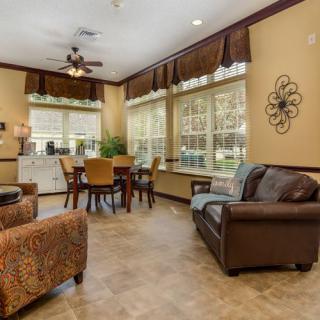
Our community offers a range of amenities to enhance the quality of life for our residents. They can enjoy delicious meals in our cozy dining room, where special dietary restrictions are catered to. Our spacious accommodations come fully furnished, ensuring a convenient transition for new residents. In addition, our beautiful garden and outdoor spaces provide opportunities for relaxation and fresh air.

We take pride in maintaining a clean and organized environment for our residents, offering housekeeping services to ensure their comfort at all times. We also provide move-in coordination, easing the transition process for both residents and their loved ones. For connectivity needs, Wi-Fi/high-speed internet access is readily available throughout the community.

At Williamston Compassionate Care, we prioritize providing comprehensive care services tailored to individual needs. Our dedicated staff assists with activities of daily living such as bathing, dressing, and transfers, promoting independence while offering support where needed. We coordinate with healthcare providers to ensure seamless medical attention. Residents requiring dementia or hospice waivers can rest assured that we have specialized programs designed specifically for them.

Our community places great importance on mental wellness, offering a program that emphasizes cognitive preservation and stimulation. For individuals with mild cognitive impairment or special dietary restrictions due to conditions like diabetes, we are well-equipped to meet their specific needs. Medication management is also provided by our trained staff members.

Transportation arrangements are available for medical appointments and doctor visits as part of our commitment to keeping residents connected with crucial healthcare services.

In addition to providing exceptional care services and amenities, Williamston Compassionate Care boasts an ideal location with access to nearby parks, pharmacies, physicians, and restaurants. This ensures our residents have convenient options for recreation, shopping, and healthcare.

At Williamston Compassionate Care, we strive to create a welcoming and compassionate environment where our residents can enjoy their golden years with dignity and comfort.

Nearby Places of Interest

Parks

  • McCormick Park (0.5 miles)
  • Lake Lansing Park South (8.1 miles)
  • Hidden River Park (9.8 miles)
  • Patriarche Park (10.6 miles)

Restaurants

  • Spad's Twisters (0.6 miles)
  • Tavern 109 (0.6 miles)
  • Williamston Pub & Grill (0.7 miles)
  • Little Caesars Pizza (0.9 miles)
  • Jose's Cuban Sandwich (1.2 miles)
  • Old Nation Brewing Co. (1.6 miles)
  • McDonald's (4.4 miles)

Pharmacies

  • Sparrow Pharmacy Plus #2 (0.6 miles)
  • Village Drug Shop (5.4 miles)
  • Good Neighbor Pharmacy (5.4 miles)
  • Rite Aid (7.1 miles)
  • Walgreens (8.1 miles)
  • Msu Pharmacy (9.6 miles)
  • Snyders Pharmacy (9.8 miles)

Physicians

  • Inside Out Wellness of Williamston (2.1 miles)
  • Yemisrach Beyene, MD (6.9 miles)
  • Ingham County Rehabilitation Center (6.9 miles)
  • Okemos Pediatric Association (6.9 miles)
  • Sparrow Family Medical Center (6.9 miles)
  • Pandit Rheumatology (7.1 miles)
  • John D Wenzel (7.1 miles)

Cafes

  • Panera Bread (7.1 miles)
  • Starbucks (7.4 miles)
  • Biggby Coffee (7.7 miles)
  • Biggby Coffee (8.1 miles)
  • Koi Tea (8.1 miles)
  • Starbucks (8.1 miles)
  • Chapelure (9.7 miles)

Places of Worship

  • Faith Lutheran Church (7.1 miles)
  • Ascension Lutheran Church (9.7 miles)
  • University Reformed Church (9.8 miles)
  • Hashley Gary (10 miles)
  • Conway Free Methodist Church (10 miles)

Transportation

  • CSX (10.5 miles)

Frequently Asked Questions

Where is Williamston Compassionate Care?
Does Williamston Compassionate Care provide care for residents with dementia or Alzheimer's disease?

Nearby Communities

  • Cedar Woods

    Cedar Woods

    Williamston, MI


    pro Intimate, small-community setting with furnished apartments and comprehensive care.


  • Williamston House

    Williamston House

    Williamston, MI

    5 from 1 review
     

    pro Small, intimate assisted living with personalized care.

  • Riverwind Senior Assisted Living

    Riverwind Senior Assisted Living

    Williamston, MI

    5 from 12 reviews
    $4,450 / month

    pro Excellent security, a vibrant social atmosphere, and memory-care-friendly amenities.

  • Riverwind Adult Foster Care

    Riverwind Adult Foster Care

    Williamston, MI

    5 from 11 reviews
     

    pro 24/7 supervision with memory care programming and medical coordination.

  • Haven Of Rest

    Haven Of Rest

    Williamston, MI

    3 from 4 reviews
     

    pro Small, personalized community with 24-hour supervision and memory care.

  • Crosaires

    Crosaires

    Williamston, MI

    4.8 from 21 reviews
     

    pro 24/7 supervision with comprehensive dementia/memory care and a mental wellness program.

  • The Willows At Okemos

    The Willows At Okemos

    Okemos, MI

    4.1 from 44 reviews
    $4,380 / month

    pro Knowledgeable consultant and friendly staff; high-quality dining in a serene, intimate setting.

  • Bickford of Okemos

    Bickford of Okemos

    Okemos, MI

    4.2 from 107 reviews
    $3,802 to $4,258 / month

    pro Friendly, long-tenured staff in a well-maintained, homey setting with engaging activities and outdoor spaces.

  • Burcham Hills

    Burcham Hills

    East Lansing, MI

    4.4 from 171 reviews
    $3,835 to $5,495 / month

    pro Compassionate staff and a continuous care option that lets couples stay together.

Related Resources

  • active senior livingVibrant Senior Living: A Comprehensive Guide for Active Older Adults

    Vibrant Senior Living emphasizes active senior living communities that promote independence and engagement through diverse amenities and activities, fostering wellness and social interaction among older adults. These communities range from independent to assisted living, with a focus on personal growth, family involvement, financial planning, and leveraging technology to enhance residents' experiences.

  • assisted living vs memory careAssisted Living and Memory Care: Understanding Their Core Differences

    Assisted living provides moderate support for seniors seeking independence, while memory care offers specialized support for individuals with dementia or cognitive impairments through structured routines and trained staff. Key differences include care approaches, environment security measures, staff training levels, activity types, and cost considerations.

  • assisted living vs nursing homeChoosing the Right Senior Care: A Detailed Exploration of Assisted Living and Nursing Homes

    Choosing between assisted living and nursing homes involves evaluating emotional and financial factors, with assisted living offering independence and support for daily activities at a lower cost, while nursing homes provide intensive medical care for individuals with significant health needs. The decision is influenced by personal preferences, health status, cognitive function, and varying Medicaid coverage across states.