
241 McCormick St, Williamston, MI 48895
To contact a resident: (517) 655-5800
For more information about senior living options: (866) 208-4318
Riverwind Senior Assisted Living Costs & Pricing
Riverwind Senior Assisted Living offers its residents a studio living option priced at $4,450 per month. When compared to the average costs in Ingham County, which stand at approximately $3,783 per month, and the statewide average of around $3,824, Riverwind's pricing is notably higher. This premium may reflect the enhanced services, amenities, or overall quality of care that Riverwind provides to its residents. While it is essential for prospective residents and their families to consider budgetary constraints, they may also want to weigh these costs against the value and comfort associated with living at Riverwind.
| Floor plans | Riverwind Senior Assisted Living | Ingham County | Michigan |
|---|---|---|---|
| Studio | $4,450 | $3,783 | $3,824 |
Memory care communities with a similar price nearby
-
from -$750 / mo
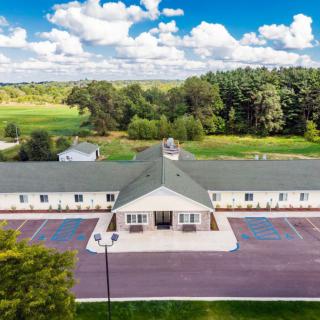
Divine Nest Assisted Living
$3,700 / month18.9 miles away -
from +$590 / mo
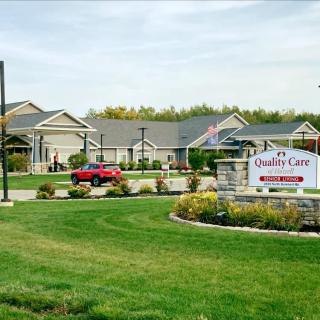
Quality Care of Howell
$5,040 to $6,195 / month15.6 miles away -
from -$400 / mo
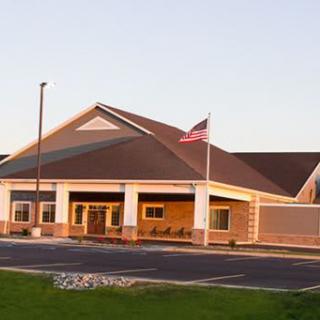
Meadows of Owosso
$4,050 to $5,075 / month23.1 miles away -
About the same
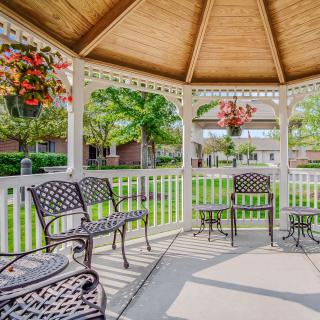
Grace Haven Assisted Living & Memory Care
$4,405 to $4,750 / month24.2 miles away -
About the same
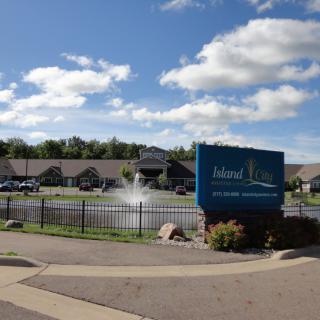
Island City Assisted Living
$4,330 to $6,455 / month22.8 miles away
Overall Review of Riverwind Senior Assisted Living
Pros
 The residents have a lovely home with a beautiful backyard.
- The activities are a big hit, and the staff are amazing.
- Divine Nest of Williamston is highly recommended for assisted living.
- The staff are wonderful and go out of their way to make residents feel at home and cared for.
- The resident-to-caregiver ratio is better than most, the food is great, and there are games and a salon.
- Divine Nest in Williamston is a wonderful facility with professional and kind staff, giving families peace of mind.
- Riverwind is a beautiful facility with great security and a vibrant social atmosphere.
Review
Riverwind Senior Assisted Living in Williamston, MI is best suited for seniors who value an intimate, home-like setting where daily life feels personal rather than institutional. Families seeking a high-touch approach will find the quiet strength of strong caregiver attention, warm relationships, and routines built around social connection to be the core of daily life here. The community emphasizes safety, a beautiful backyard, and an active calendar that keeps residents engaged without the feel of a hospital environment. For those who measure quality by the warmth of staff, by conversations that happen by name rather than by room number, Riverwind delivers consistently. It’s the kind of place where residents become familiar neighbors and visitors sense a genuine family atmosphere rather than a distant, impersonal operation.
That said, Riverwind is not the right fit for every senior. Those requiring robust, hospital-style medical oversight, or specialized memory-care programs, should seriously consider alternatives with larger medical teams or dementia-focused units. Families seeking a campus with a broader range of on-site specialists or amenities that resemble a more clinical or institutional setting may find Riverwind’s intimate scale limiting. The same-ness of a smaller, close-knit community can feel restrictive to those who expect extensive on-site medical resources or a wider array of clinical services.
What truly distinguishes Riverwind are its standout positives, and they largely offset any potential trade-offs. The resident-to-caregiver ratio is described as superior to most, yielding attentive rounds, faster responses, and a confidence that residents are seen and tended to promptly. Food quality is consistently praised, not as a token perk but as a reliable, enjoyable part of daily life that supports independence and dignity. The activity calendar is real, games, social events, and interactive engagement, rather than decorative fluff, ensuring residents stay connected, purposeful, and mentally active. Staff embody professionalism with genuine warmth, creating relationships that feel sincere and enduring, and the secure, intimate setting gives families peace of mind about safety and daily routines.
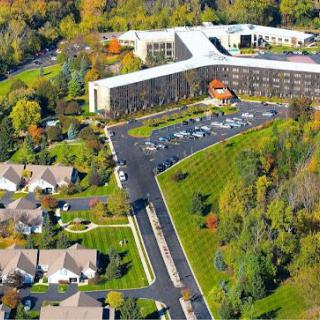
The environment reinforces these strengths. Riverwind presents a beautiful, well-kept campus with secure grounds that cultivate a sense of safety and belonging. An intimate atmosphere reduces the anxiety many families experience when transitioning a loved one to care, while amenities like a salon and accessible common areas support autonomy without sacrificing comfort. Reviewers repeatedly emphasize the community’s welcoming nature, noting how staff take the time to know residents, their families, and their histories, which translates into tailored moments and celebrations that reinforce a “home first” philosophy. Even during ownership transitions, the core values and daily experience remain conspicuously strong, offering steadiness that families rely on when counting on consistent care.
One practical caveat to keep in mind is that the allure of an intimate, homey setting can come with practical limits. Turnover or changes in ownership can raise questions about consistency, but firsthand accounts describe sustained quality of care and ongoing staff commitment, which mitigates those concerns. For families prioritizing a bustling, large-campus environment with a broad medical team, Riverwind’s smaller footprint may feel restrictive. Yet the same close-knit culture, where staff know residents’ preferences, routines, and milestones, often proves more meaningful for those who fear impersonal care and miscommunication in larger facilities. In short, the trade-off favors personalized, attentive living for most seniors, with a clear note that clinical breadth may be less expansive than in bigger operators.
In sum, Riverwind Senior Assisted Living stands out for families seeking a warm, secure, and socially vibrant home for an aging loved one who does not demand heavy clinical intervention. It is a practical match for seniors who prize daily engagement, high-quality meals, and a small-community feel where staff presence is constant and familiar. Alternatives make sense for those requiring intensive medical oversight, memory-focused programming, or a campus-scale experience. Prospective families should tour with a checklist focused on caregiver responsiveness, meal consistency, and the rhythm of activities, then weigh those observations against personal priorities. When warmth, attentiveness, and a sense of belonging top the list, Riverwind presents a compelling, well-reasoned choice in Williamston.
 Assisted Living
 Memory Care
 Cats allowed
 Dogs allowed
 Activities on-site
 Devotional services off-site
 Indoor common areas
 Capital City (16 miles away)
 Ambulatory care
 Diabetic care
 Incontinence care
 Meals provided

 Understanding Dementia Behaviors: Practical Insights and Strategies for Caregivers
 When Dementia Sparks Anger and Aggression: Understanding the Connection and Ways to Cope
 Dementia Behaviors: In-Depth Understanding and Effective Coping Strategies