
5710 Hidden Lane, White Lake, MI 48383
For more information about senior living options: (866) 208-4318
Overall Review of Hidden Lane Home
Pros
 It is a great little spot to stop at or drive to if in the area.
- It features a big open grass area for kids to play or dogs to run.
- The baseball field is clean and well maintained.
- It is easy to walk into from the dugout and lets dogs run around off the leash.
- It includes a neighborhood book library box with a “Take a book, leave a book” vibe.
- The park is well kept with hardly any traffic and ample dirt parking.
- It offers a portable toilet on site.
- The baseball diamond is very nice with a wide-open park for playing fetch with dogs.
- There is plentiful parking, and dog bags are available on site.
Review
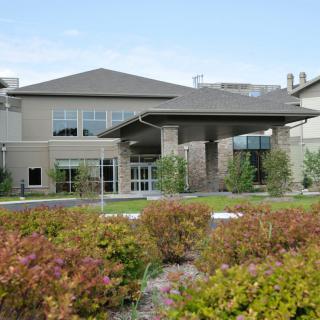
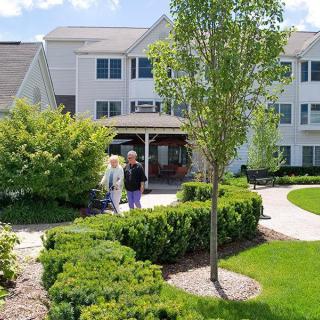
Hidden Lane Home in White Lake, MI is best suited for seniors who prize a low-friction, neighborly setting with true outdoor space, where daily life centers on the outdoors, pets, and simple, accessible touchpoints rather than formal indoor programming. The environment reads like a small-town park that happens to be adjacent to a residence: a broad grass area ideal for a casual stroll or a dog to stretch its legs, and a clean, well-maintained baseball diamond that signals outdoor activity as a regular option. Easy on-site access from the dugout, ample dirt parking, and minimal traffic create a calm, low-stress feel. A neighborhood book exchange box adds a small but meaningful civic touch, making the place feel more like a community hub than a facility. For families seeking independence, low-key social opportunities, and a pet-friendly rhythm, this setting can be a strong fit.
Those considering alternatives should note that the apparent strength of Hidden Lane Home lies in outdoor livability rather than in-house care infrastructure. There is no emphasis in the observed materials on continuous medical oversight, scheduled care plans, memory care, or dense indoor programming. Prospective residents looking for comprehensive assisted living services, on-site dining programs, structured daily activities, or 24/7 supervision will likely want to explore other communities with clearly defined care teams and safety systems. The absence of explicit indoor amenities or staffing details means this option is best viewed as a supplemental or independent-living-oriented choice rather than a full-service solution.
The key positives, uncomplicated outdoor space, pet-friendly appeal, and practical conveniences, do a good job of offsetting some natural limitations. The open grass area invites light physical activity and routine dog walking, both of which support mobility and mood for residents who can manage with limited supervision. Parking is abundant and easy, reducing logistical friction for visits from family and friends. The presence of dog bags and a portable toilet on site signals a practical approach to daily life in a shared outdoor setting. The book library box fosters informal social interaction and a sense of local belonging, which can soften the transition for seniors who value neighborly connection without rigid programming.
Nevertheless, the main cons are not easy to overlook for anyone contemplating long-term care needs. There is no documented evidence of in-house healthcare services, emergency response protocols, or accessibility features tailored to mobility challenges. Uncertainty about daily meals, housekeeping, housekeeping-to-care transitions, or structured social calendars means residents who require consistent assistance or structured activity may feel underserved. The quiet, park-like atmosphere is appealing for independence, but it also risks limited social stimulation and insufficient overseen safety for individuals who require ongoing supervision or cognitive support. Families must weigh whether the outdoor-orientation matches the senior’s day-to-day requirements.
From a practical decision-making perspective, the evaluation hinges on matching care expectations to the environment. If a senior thrives with freedom to roam, enjoys dogs, and values informal, spontaneous social moments, Hidden Lane House offers a favorable backdrop. It’s worth verifying whether any on-site arrangements exist for intermittent in-home care, transportation to appointments, or partner services that can fill gaps in medical or daily living needs. Prospective residents should investigate accessibility features (entryways, bathrooms, grab bars), safety measures, and emergency protocols in place, even if not explicitly advertised. Visiting the site with a checklist focused on mobility, fall prevention, and ease of family involvement will reveal how well the outdoor-centric model translates into day-to-day security.
The bottom-line verdict is focused and practical: Hidden Lane Home serves a niche audience, seniors who prize a tranquil, outdoor-forward lifestyle, pet interactions, and neighborly simplicity over formalized care structures. For those whose goals include independence with minimal hands-on supervision and a daily routine anchored by outdoor activity and light social exchanges, this community can deliver genuine value. For anyone seeking guaranteed caregiving, on-site health services, or a robust indoor activity program, alternatives that clearly articulate those supports will be the wiser choice. In short, align expectations with need: outdoor comfort and autonomy for the able, with a clear plan for care elsewhere if medical or daily living support becomes necessary.
 6 resident community capacity
 Assisted Living
 Cable or satellite TV
 Dining room
 Fully furnished
 Garden
 Housekeeping services
 Move-in coordination
 Outdoor space
 Telephone
 Wi-Fi/high-speed internet available
 Bishop (22 miles away)
 24-hour supervision
 Activities of daily living assistance
 Assistance with bathing
 Assistance with dressing
 Assistance with transfers
 Diabetes diet
 Meal preparation and service
 Medication management
 Special dietary restrictions
 Transportation arrangement (medical)
 Transportation to doctors appointments
 Comprehensive Insights into Activities of Daily Living (ADLs) and Their Assessment
 Medicare Coverage for Assisted Living: An In-Depth Exploration
 Your Comprehensive Guide to Luxury Assisted Living: Elevated Facilities, Amenities, and Costs