Westland Venoy

Save

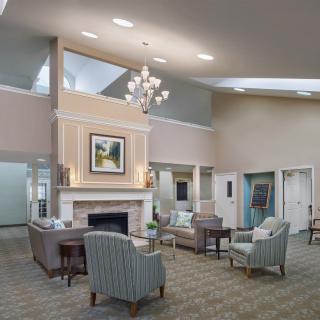
  • Interior

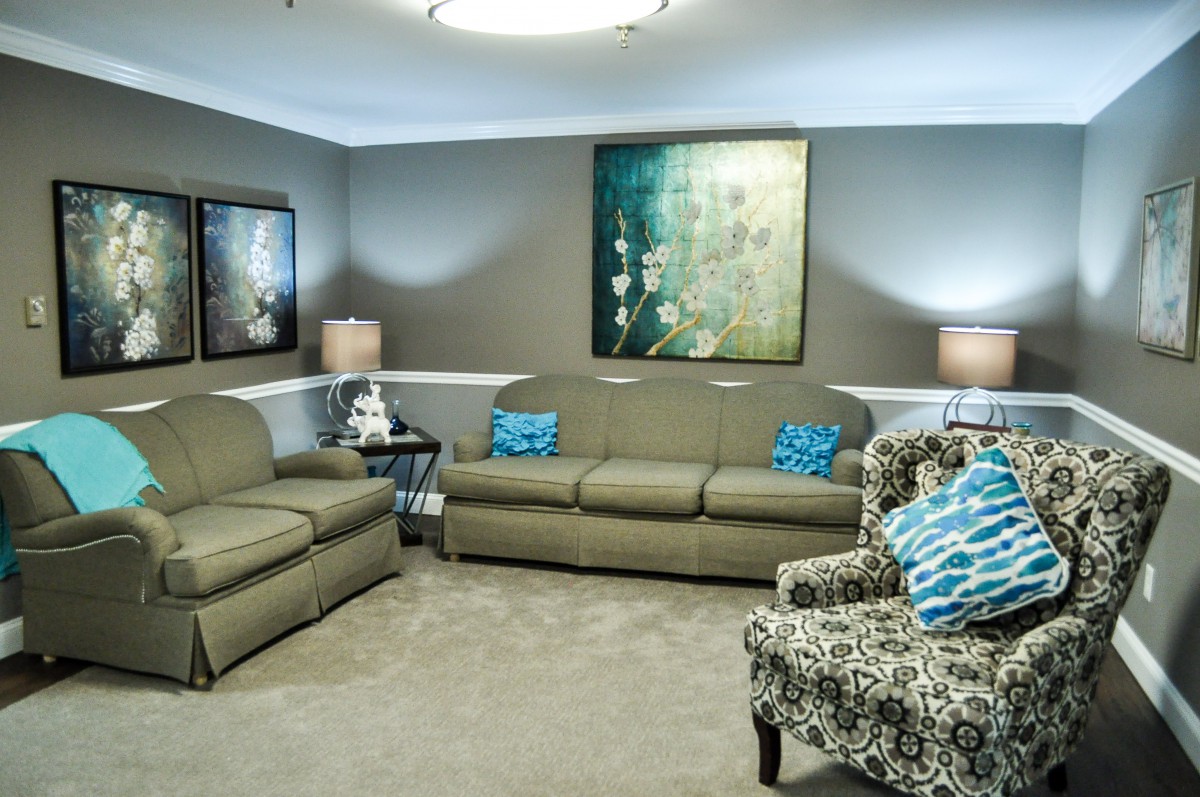
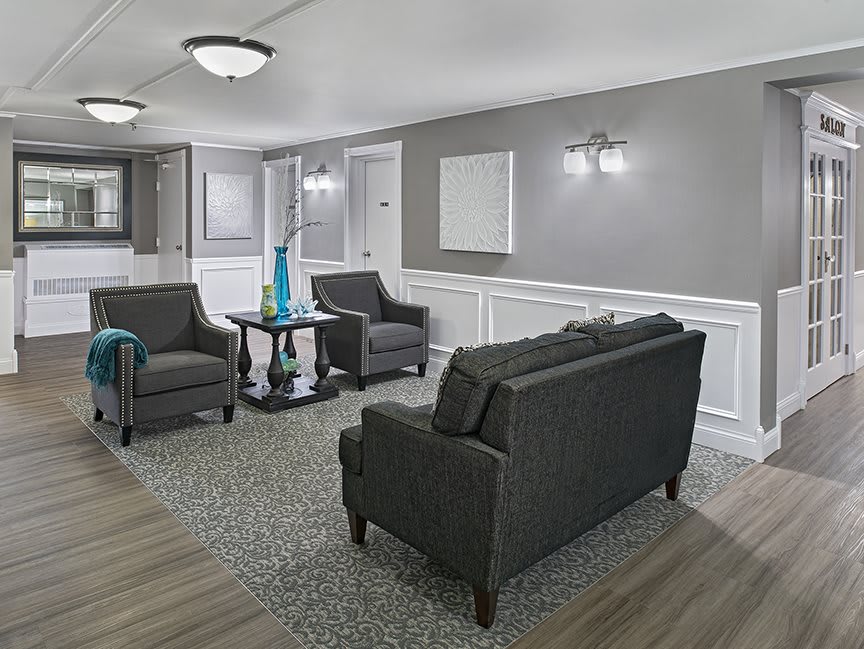
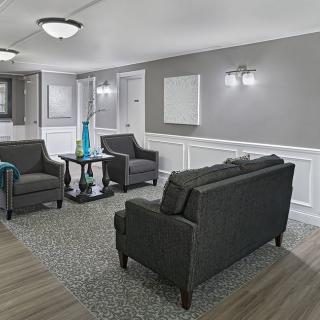
    A modern living room with dark gray sofas, a carpet, and elegant lighting.
  • Decor

    A modern living room with stylish furniture and art decor.
  • Building

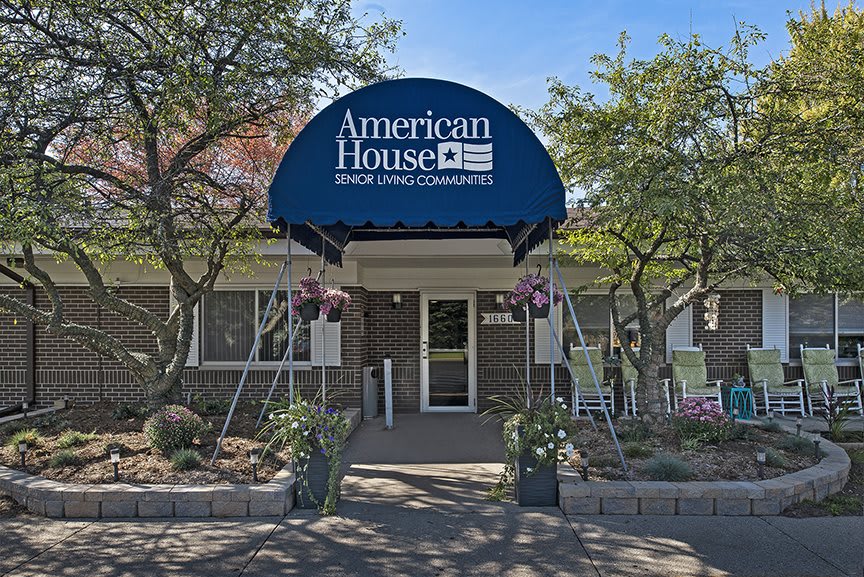
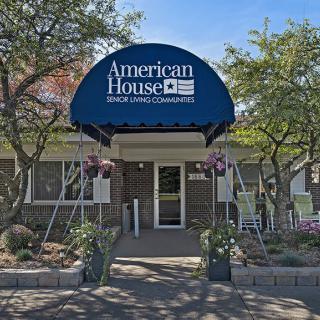
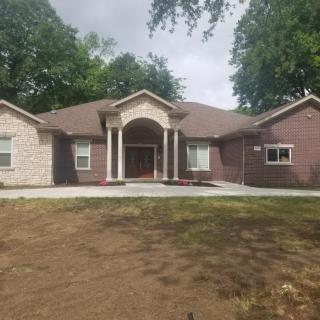
    Entrance to the American House senior living community with a blue awning and surrounding trees.
  • Bedroom

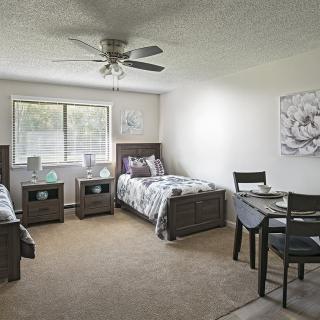
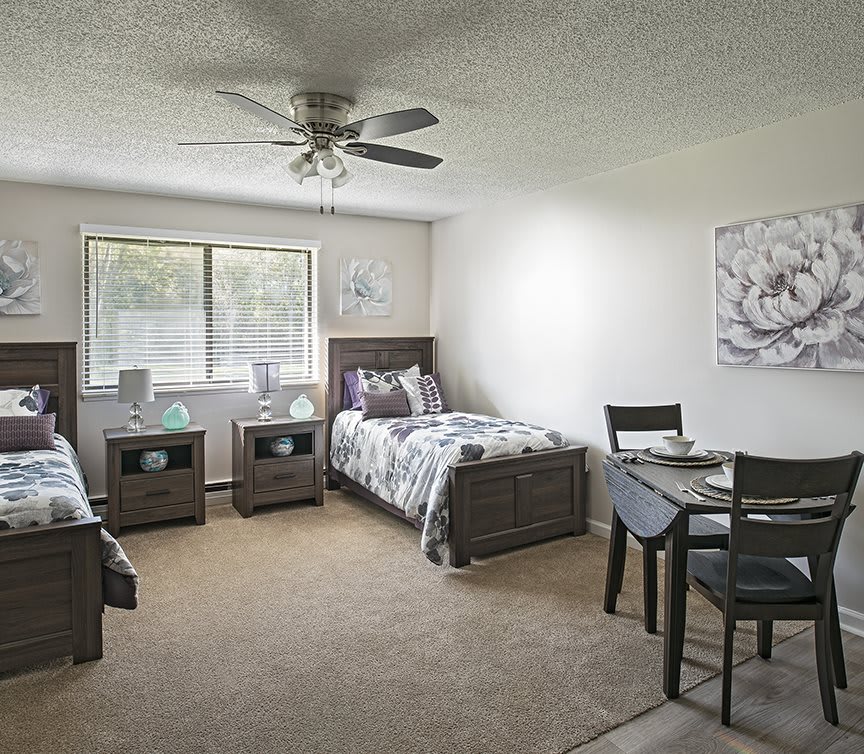
    A spacious bedroom with two twin beds, each accompanied by a nightstand. The room features a large window for natural light, a ceiling fan, and a small dining table with chairs.
  • Trees

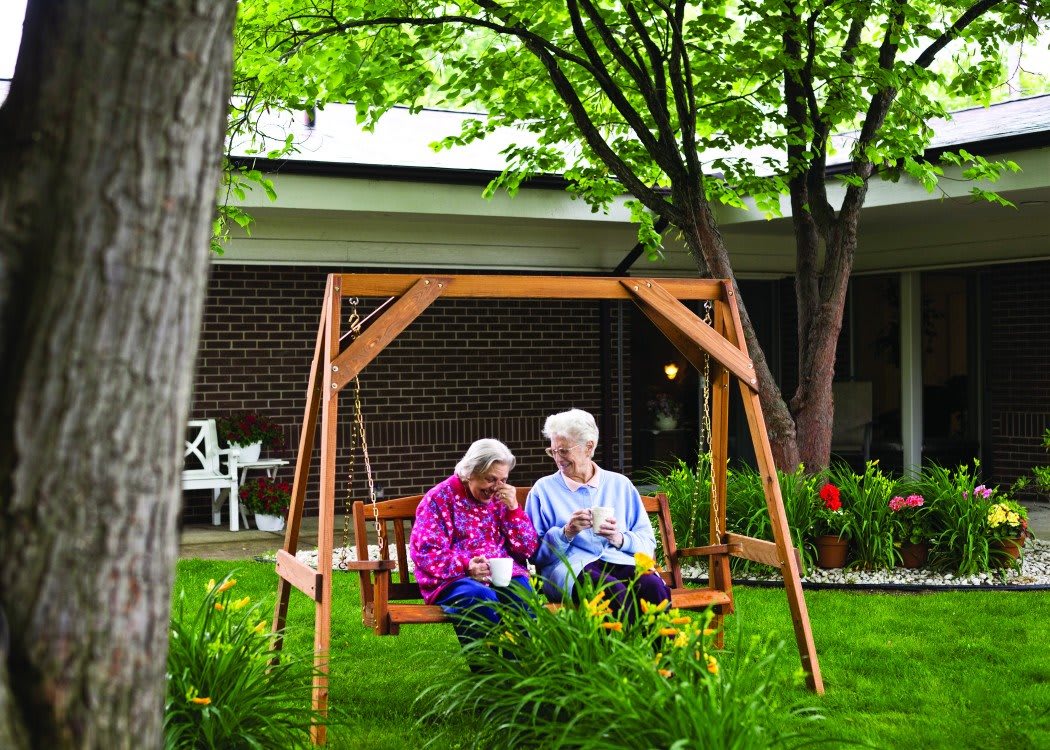
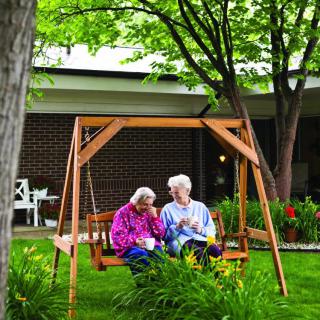
    An elderly couple sitting together on a wooden swing in a lush garden.
  • Windows

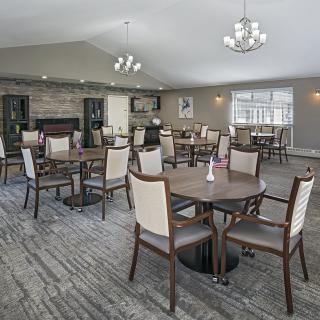
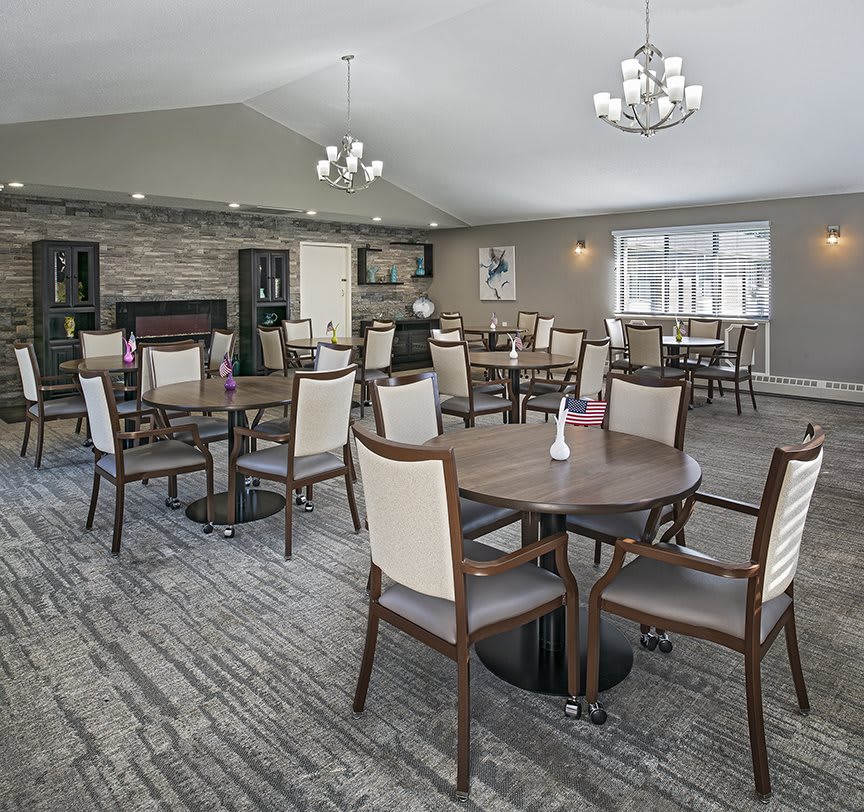
    A spacious dining room with multiple tables and chairs, featuring elegant chandeliers and a carpeted floor.
  • Dining

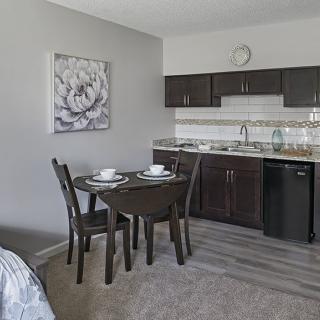
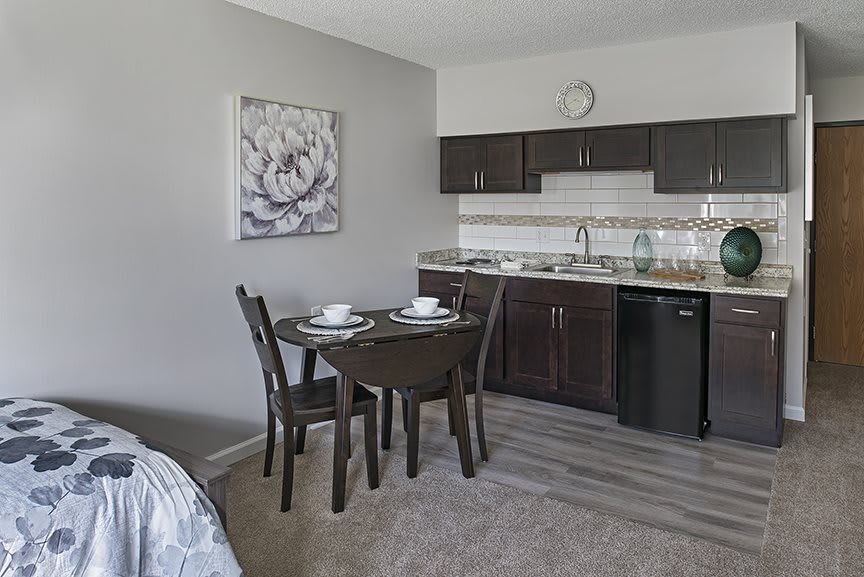
    A compact kitchenette with dark cabinets and a small dining area featuring a round table and chairs, complemented by floral artwork on the wall.
  • Artwork

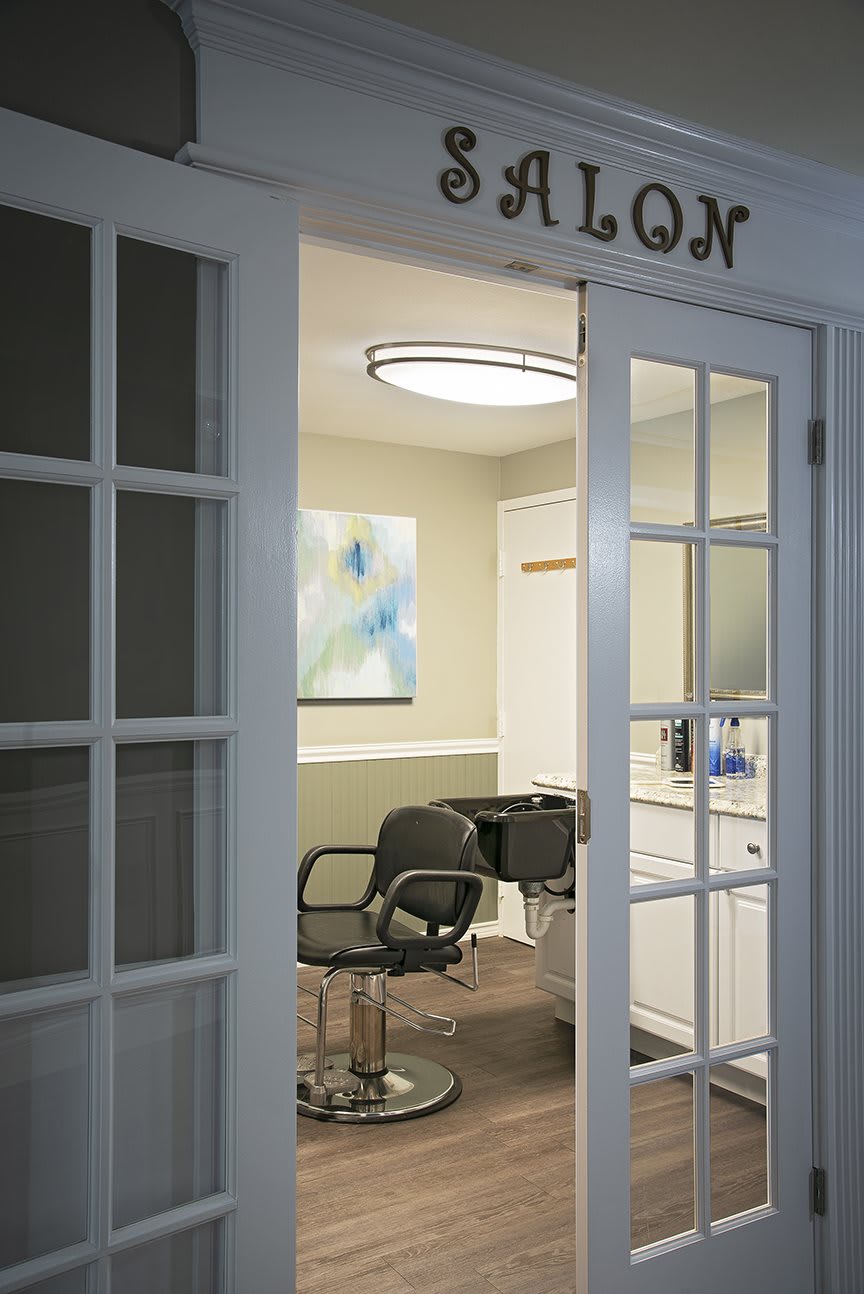
    Interior view of a modern salon with stylish chairs and artwork.

Westland Venoy in Westland, MI

1660 South Venoy Road, Westland, MI 48186

For more information about senior living options: (844) 490-3973

3.8 from 67 reviews
5 stars
31
4 stars
15
3 stars
10
2 stars
1
1 stars
10

Assisted Living Independent Living Memory Care

Westland Venoy Costs & Pricing

At Westland Venoy, the monthly cost for a studio apartment is $2,000, which stands in stark contrast to the average costs across Wayne County and the broader state of Michigan. In Wayne County, the average monthly rate for similar accommodations reaches approximately $3,495, while statewide averages soar to around $3,824. This significant difference highlights Westland Venoy's competitive pricing strategy and positions it as an appealing option for those seeking affordable housing without compromising on quality in a region where living expenses can be considerably higher.

Floor plansWestland VenoyWayne CountyMichigan
Studio$2,000$3,495$3,824

What level of care are you interested in?

Assisted Living

Memory Care

Independent Living

Skilled Nursing Facility

Continuing Care Retirement Community (CCRC)CCRC

Other


Request a tour at Westland Venoy

    Overall Review of Westland Venoy

    Pros

    • pro The facility is described as wonderful and very clean, with staff who go above and beyond in care.
    • pro It is a very nice place with friendly, kind, patient, and helpful staff who truly care about residents.
    • pro Families highly recommend American House Venoy for loved ones, noting caring staff, good treatment, and friendships formed.
    • pro The staff across all roles (office and caregivers) are amazing and dedicated.
    • pro The community provides a variety of activities and events throughout the year.
    • pro The meals are good, especially after the recent addition of a nutritionist/chef.
    • pro The memory care staff are caring and attentive, making residents feel at home in the memory care unit.
    • pro The facility is bright, clean, and has a welcoming atmosphere, making residents feel like family.
    • pro Residents can socialize with others and enjoy a positive, home-like environment.

    Cons

    • pro The memory care staff are not properly supervised or trained.
    • pro Items are frequently lost or ruined in the laundry.
    • pro The reviewer would not bring their dog to this place.
    • pro Incontinence care is not handled well.
    • pro The food quality is inconsistent and not often good.
    • pro The memory care unit is not a safe environment for residents.
    • pro Residents are not fed adequately and are largely ignored by staff.
    • pro Emergency pendant alarms are turned off by staff, delaying help.
    • pro There have been reports of theft of residents' belongings.

    Review

    Westland Venoy American House Westland Venoy is best suited for families seeking an affordable, intimate, hands-on environment where a resident can receive meaningful daily assistance, including memory-care support, without paying premium-nursing-home prices. The community tends to attract seniors who value a warm, home-like atmosphere, steady staff attention, and regular opportunities for socializing. It can work well for a loved one who benefits from a smaller setting and who can thrive with dependable routine, a built-in activities calendar, and access to a memory-care unit. For families prioritizing on-site physicians, rigorous clinical oversight, or a high level of medical complexity, alternatives with stronger nursing services may be more appropriate.

    Pros that recur in positive experiences cut through some of the hesitations that families express. Residents are often described as living in a clean, bright, and welcoming environment where staff are perceived as friendly, compassionate, and genuinely invested in residents' well-being. The smaller, more intimate footprint helps staff know residents well, support socialization, and accommodate family involvement. The memory-care unit is frequently cited as a meaningful option for loved ones with cognitive impairment, offering staff who are patient and engaged, and opportunities for residents to form friendships within a structured setting. The combination of a relatively low entrance cost, flexible tenancy options, and the ability to leverage Medicaid waivers in some cases makes the community a practical entry point for families watching budgets, while still delivering consistent daily care and activities.

    Yet, significant drawbacks temper the positives and demand careful scrutiny. Staffing consistency is a recurrent concern; multiple reviews point to turnover, uneven supervision, and moments when care did not meet expectations, particularly for residents with higher needs or complex medication schedules. Instances of delayed responses, gaps in monitoring, and allegations of medication mismanagement have left some families wary about the level of everyday oversight. Laundry and housekeeping inconsistencies surface in several accounts, along with occasional odors or cleanliness lapses. These issues are not universal, but they appear often enough to warrant a rigorous on-site assessment: ask to observe shift changes, request to review care plans, and verify how medical and pharmacy tasks are coordinated - especially for memory care residents.

    Financial and logistical realities are another axis of concern. Non-refundable community fees and bundled pricing can surprise families who expect straightforward, transparent terms. Several reviews highlight that care is delivered through a mix of in-house staff and outside agencies, which can complicate accountability and response times. Some families report challenges with communication, reliance on third-party caregivers, and gaps between what is promised during tours and what is delivered day-to-day. The result is a mixed picture: strong personal warmth and a genuine sense of community in some wings, shadowed by operational fragility in others. Prospective residents should demand a clear, written care plan, exact staffing ratios, and documented procedures for emergencies, medication management, and daily living tasks.

    For families deciding where to place a loved one, the practical takeaway centers on purposeful diligence and targeted questions. Visit more than once, at different times of day, and request to speak with current residents' families about their ongoing experiences. Probe the memory-care unit with direct questions about staff training, incident logs, and how behavioral or medical concerns are escalated. Confirm whether on-site medical oversight exists, or if a contracted medical team is responsible for charting and med administration, and insist on a transparent schedule for care plan reviews and family updates. Evaluate the feeding program, laundry processes, housekeeping responsiveness, and the accessibility of bathrooms for residents with mobility aids. Importantly, verify the exact terms of entry and ongoing costs, and obtain a clear accounting of what is included in each monthly rate.

    Overall, American House Westland Venoy presents a pragmatic option for families prioritizing affordability, personal attention, and a community-focused atmosphere - especially for residents who can thrive with steady routine and the support of a memory-care environment. It is not a universal fit: the strongest cautions center on staffing stability, consistency of care, and the potential for communication gaps. If those risks are untenable for a particular loved one - especially one with high medical or toileting needs, frequent caregiver changes, or strict dietary and safety requirements - alternatives with more robust on-site clinical oversight and tighter operational controls should be pursued. For many families, the right choice hinges on careful, reality-grounded due diligence, a clear understanding of care plans, and a candid appraisal of whether the community's warmth and affordability outweigh the potential gaps in day-to-day oversight.

    Features

    Housing

    • 21 resident community capacity 21 resident community capacity

    Types of Care

    • Assisted Living Assisted LivingAssisted living facilities provide crucial support and care for seniors who may need help with daily tasks such as medication management, bathing, and meal preparation. These communities offer a safe and comfortable environment where seniors can maintain their independence while receiving the assistance they need to thrive in their golden years.
    • Independent Living Independent LivingIndependent living communities are important for seniors because they offer a safe and supportive environment where older adults can live independently while still having access to amenities and services that enhance their quality of life. These communities provide social opportunities, recreational activities, and assistance with daily tasks, promoting overall well-being and allowing seniors to maintain their independence for as long as possible.
    • Memory Care Memory CareMemory care is crucial for seniors as it provides specialized support and services for individuals with dementia or Alzheimer's disease. These programs offer a safe and secure environment where residents receive personalized care, cognitive stimulation, and help with daily activities. Memory care helps seniors maintain their independence, quality of life, and dignity while also providing peace of mind for their families.

    Pets

    • Cats allowed Cats allowed"Pet friendly" senior living communities are important for seniors because pets provide companionship, reduce feelings of loneliness and depression, promote physical activity and mental stimulation, and offer a sense of purpose and responsibility. Pets can improve overall well-being and quality of life for seniors in many ways.
    • Dogs allowed Dogs allowed"Pet friendly" senior living communities are important for seniors because pets provide companionship, reduce feelings of loneliness and depression, promote physical activity and mental stimulation, and offer a sense of purpose and responsibility. Pets can improve overall well-being and quality of life for seniors in many ways.

    Amenities

    • Activities off-site Activities off-siteEngaging in off-site activities is crucial for seniors to maintain social connections, stay active, and stimulate their minds. It promotes overall well-being and helps combat feelings of isolation and loneliness.
    • Activities on-site Activities on-siteActivities on-site are important for seniors because they provide opportunities for socialization, mental stimulation, physical activity, and overall well-being. Engaging in activities can help seniors stay active, maintain their independence, and improve their quality of life.
    • Beautician on-site Beautician on-siteHaving a beautician on-site at a senior living community is important for seniors as it allows them to easily access grooming and personal care services, boosting their self-esteem and overall well-being. It also provides convenience and helps seniors maintain their sense of independence and personal style.
    • Beauty salon Beauty salonBeauty salons are important for seniors because they provide a space for them to feel pampered, socialize, and maintain their personal grooming and hygiene. Regular visits to a beauty salon can help boost seniors' self-esteem and overall well-being.
    • Cable or satellite TV Cable or satellite TVCable or satellite TV is important for seniors because it provides entertainment, news, and companionship, helping to combat loneliness and boredom. It also offers a wide range of programming options tailored to different interests and preferences.
    • Devotional services off-site Devotional services off-siteDevotional services off-site are important for seniors as they provide spiritual nourishment, social engagement, and a sense of community outside of the senior living facility. This can enhance overall well-being and help combat feelings of isolation and loneliness often experienced by older adults.
    • Devotional services on-site Devotional services on-siteDevotional services on-site provide seniors with spiritual support and a sense of community, as well as an opportunity for reflection and guidance during their senior living experience. This can promote emotional well-being and connection to others, leading to a more fulfilling and enriching lifestyle in their later years.
    • Dining room Dining roomDining rooms are important for seniors as they provide a space for socialization, connection, and nutritious meals. They offer opportunities for residents to bond over shared meals, foster a sense of community, and promote healthy eating habits. Dining rooms also ensure that seniors have access to well-balanced meals tailored to their dietary needs and preferences.
    • Fully furnished Fully furnishedFully furnished senior living communities are important for seniors because they provide convenience, comfort, and a hassle-free moving experience. Seniors can easily settle into their new living space without the stress of having to buy and move furniture. This allows them to focus on enjoying their new home and community.
    • Garden GardenGardens are important for seniors as they provide a peaceful and therapeutic environment for relaxation, physical activity, and socialization. Being in nature has been shown to reduce stress, improve mood, and promote overall well-being. Gardens also offer opportunities for seniors to engage in gardening activities, which can improve mobility, flexibility, and cognitive function. Additionally, gardens create a sense of community and connection with others who share a passion for plants and outdoor spaces.
    • Ground floor units Ground floor unitsGround floor units are important for seniors because they provide easy accessibility, reduced risk of falls and injuries, and convenience for those with mobility issues. Seniors can avoid climbing stairs or using elevators, making daily tasks and activities more manageable and enjoyable.
    • Housekeeping services Housekeeping servicesHousekeeping services are important for seniors because they help maintain a clean and safe living environment, promote independence, and reduce the risk of accidents or illnesses. Additionally, having assistance with household chores can alleviate physical strain and allow seniors to focus on other aspects of their well-being.
    • Indoor common areas Indoor common areasIndoor common areas are crucial for seniors as they provide a space for socialization, recreation, and community engagement, promoting overall well-being and reducing feelings of isolation and loneliness.
    • Kitchenette KitchenetteKitchenettes are important for seniors living in senior living communities because they provide the convenience and independence of being able to prepare simple meals and snacks in the comfort of their own living space. This can help promote a sense of autonomy and well-being for seniors, allowing them to maintain some level of control over their dietary choices and daily routines.
    • Move-in coordination Move-in coordinationMove-in coordination is important for seniors because it helps ease the transition into their new living environment. It ensures that all logistics, such as packing, organizing movers, and setting up utilities are taken care of, allowing seniors to focus on settling in and adjusting to their new home. Having a smooth move-in process can alleviate stress and anxiety, making the transition smoother and more enjoyable for seniors.
    • Outdoor common areas Outdoor common areasOutdoor common areas are important for seniors as they provide a space for socialization, physical activity, and relaxation. Being outside in nature can improve mood and overall well-being, while also encouraging movement and engagement with others. These spaces can help combat feelings of isolation and promote a sense of community among residents.
    • Outdoor space Outdoor spaceOutdoor spaces are important for seniors as they provide opportunities for physical activity, social interaction, exposure to natural light and fresh air, and a sense of connection to nature. Having access to outdoor spaces can improve overall well-being and quality of life for older adults living in senior communities.
    • Private bathrooms Private bathroomsPrivate bathrooms are important for seniors in senior living communities because they provide independence, dignity, and comfort. Having a private bathroom allows seniors to maintain their personal hygiene routines without the need for assistance, promoting a sense of autonomy and privacy. Additionally, private bathrooms help prevent the spread of infections and provide a safe and clean environment for seniors to navigate safely.
    • Respite or short term stays offered Respite or short term stays offeredRespite or short term stays provide seniors with a temporary solution when their regular caregiver is unavailable, offering them the opportunity to receive additional care and support during times of need, while also giving caregivers a chance to rest and recharge.
    • Telephone TelephoneTelephones are important for seniors as they provide a lifeline for communication with loved ones, emergency services, and healthcare providers. They offer a sense of security and independence, enabling seniors to stay connected and access assistance when needed.
    • Wheelchair accessible showers Wheelchair accessible showersWheelchair accessible showers are crucial for seniors as they provide a safe and independent bathing option for those with mobility challenges. These showers help prevent falls and allow seniors to maintain their dignity and autonomy while ensuring they can bathe comfortably.
    • Wi-Fi/high-speed internet available Wi-Fi/high-speed internet availableWi-Fi/high-speed internet is important for seniors to stay connected with loved ones, access online resources, and participate in virtual activities to combat feelings of loneliness and isolation. It also allows them to easily manage healthcare needs, access entertainment, and engage in lifelong learning opportunities.

    Transportation

    • Detroit Metropolitan-Wayne County (6 miles away) Detroit Metropolitan-Wayne County (6 miles away)

    Care Services

    • 24-hour call system 24-hour call system24-hour call systems are important for seniors because they provide peace of mind and immediate assistance in case of emergencies. This technology ensures that help is always available, promoting safety and security for elderly individuals living alone or in assisted living facilities.
    • 24-hour supervision 24-hour supervision24-hour supervision is important for seniors to ensure their safety, well-being, and access to immediate assistance in case of emergencies or health issues. This constant support provides peace of mind for both seniors and their loved ones, allowing them to age in place with dignity and security.
    • Activities of daily living assistance Activities of daily living assistanceActivities of daily living assistance are important for seniors because they provide essential support with tasks such as eating, bathing, dressing, and mobility. This assistance helps seniors maintain their independence, dignity, and overall quality of life as they age.
    • Assistance with bathing Assistance with bathingAssistance with bathing is crucial for seniors as it helps maintain personal hygiene, prevents infections, and ensures their overall well-being and comfort. It also provides a sense of dignity and independence for seniors who may struggle with this task on their own.
    • Assistance with dressing Assistance with dressingAssistance with dressing is important for seniors because it helps maintain their independence, promotes personal hygiene, prevents accidents and injuries, and improves overall quality of life. This service ensures that seniors can continue to dress comfortably and confidently, despite any physical limitations they may have.
    • Assistance with transfers Assistance with transfersAssistance with transfers is crucial for seniors as it helps prevent falls and injuries, maintains their independence, and ensures they can safely navigate their living environment. It also provides peace of mind for both seniors and their loved ones.
    • Coordination with health care providers Coordination with health care providersCoordination with health care providers is crucial for seniors to ensure proper medical care, medication management, and overall well-being. This collaboration helps prevent overlapping treatments, track progress more effectively, and provide comprehensive support tailored to individual needs.
    • Diabetes diet Diabetes dietA diabetes diet is crucial for seniors as it helps manage blood sugar levels, reduce risks of complications, and improve overall health and well-being. By following a balanced and nutritious diet tailored to their specific needs, seniors can better control their diabetes and enhance their quality of life.
    • Diabetic care Diabetic careDiabetic care is crucial for seniors as they are more susceptible to developing diabetes due to aging and other health conditions. Proper management of diabetes can help prevent complications such as heart disease, vision loss, and nerve damage, improving the overall quality of life for seniors in senior living communities.
    • High acuity care High acuity careHigh acuity care is important for seniors because it provides specialized medical attention and support for individuals with complex medical needs. This level of care ensures that seniors receive the appropriate treatment and assistance to maintain their health and quality of life as they age.
    • Incontinence care Incontinence careIncontinence care is essential for seniors to maintain their dignity, hygiene, and overall quality of life. By addressing incontinence issues promptly and effectively, seniors can enjoy a sense of independence and comfort in their daily activities.
    • Meal preparation and service Meal preparation and serviceMeal preparation and service are crucial for seniors as they may have limited mobility or energy to cook nutritious meals. Having access to healthy and convenient food options can ensure they are getting the proper nutrition needed to maintain their overall health and well-being.
    • Medication management Medication managementMedication management is crucial for seniors to ensure they are taking the right medications at the correct dosages and times. This helps prevent adverse drug interactions, reduces the risk of medication errors, and promotes overall health and well-being. Proactive management also allows for adjustments as needed based on changing health conditions or new prescriptions.
    • Mental wellness program Mental wellness programMental wellness programs are essential for seniors as they promote cognitive stimulation, emotional support, and social engagement. These programs help prevent isolation, depression, and cognitive decline, ultimately enhancing the overall quality of life for older adults.
    • Special dietary restrictions Special dietary restrictionsSpecial dietary restrictions are important for seniors because age-related changes in metabolism and health conditions can make it difficult for their bodies to process certain foods. By following a diet tailored to their specific needs, seniors can maintain their overall health and well-being, manage chronic conditions, and reduce the risk of complications such as malnutrition or food interactions with medications.
    • Transportation arrangement (medical) Transportation arrangement (medical)Transportation arrangements for medical purposes are essential for seniors as they may have difficulty driving themselves to appointments or accessing public transportation. Having reliable and safe transportation options ensures that seniors can receive timely medical care and maintain their health and well-being.
    • Transportation to doctors appointments Transportation to doctors appointmentsTransportation to doctors' appointments is crucial for seniors as it ensures they have access to necessary medical care and support for their health needs. Without reliable transportation, seniors may struggle to attend important appointments, leading to potential delays in treatment and health complications. Providing transportation services helps seniors maintain their overall well-being and quality of life.

    Dining

    • Diabetes diet Diabetes dietA diabetes diet is crucial for seniors as it helps manage blood sugar levels, reduce risks of complications, and improve overall health and well-being. By following a balanced and nutritious diet tailored to their specific needs, seniors can better control their diabetes and enhance their quality of life.
    • Low / no sodium Low / no sodiumLow/no sodium options are important for seniors because excessive sodium intake can lead to high blood pressure, heart disease, and other health issues commonly experienced by older adults. By choosing low/no sodium foods, seniors can better manage their health and reduce their risk of developing these conditions.
    • Meals provided Meals provided"Meals provided" are crucial for seniors in assisted living communities as it ensures they have access to nutritious, balanced meals without the stress of meal planning and preparation. This can help promote overall health and well-being for seniors who may have limited mobility or cognitive abilities.
    • No Sugar No SugarNo sugar diets are important for seniors because they can help prevent or manage chronic conditions such as diabetes, heart disease, and obesity. Sugar can also contribute to cognitive decline and inflammation in the body, so reducing sugar intake can lead to overall improved health and well-being in older adults.
    • Special dietary restrictions Special dietary restrictionsSpecial dietary restrictions are important for seniors because age-related changes in metabolism and health conditions can make it difficult for their bodies to process certain foods. By following a diet tailored to their specific needs, seniors can maintain their overall health and well-being, manage chronic conditions, and reduce the risk of complications such as malnutrition or food interactions with medications.
    • Vegetarian VegetarianA vegetarian diet is important for seniors because it can help lower the risk of chronic diseases, maintain a healthy weight, and provide essential nutrients needed for aging bodies. Additionally, plant-based diets are often easier on digestive systems and can contribute to overall well-being in older adults.

    Activities

    • Art classes Art classesArt classes are important for seniors because they provide a creative outlet, improve cognitive function, reduce stress and anxiety, promote socialization, and enhance overall well-being and quality of life.
    • Community-sponsored activities Community-sponsored activitiesCommunity-sponsored activities are important for seniors as they provide opportunities for social interaction, mental stimulation, and physical activity. These activities can help improve overall well-being, combat loneliness and isolation, and promote a sense of belonging and purpose among older adults.
    • Day trips and outings Day trips and outingsDay trips and outings are important for seniors as they provide opportunities for socialization, mental stimulation, physical activity, and a break from daily routines. These experiences can enhance overall well-being and quality of life for older adults living in senior communities.
    • Devotional activities offsite Devotional activities offsiteDevotional activities offsite are important for seniors because they provide social engagement, spiritual growth, and a sense of community outside of their living environment. This can improve overall well-being, mental health, and combat feelings of isolation or loneliness.
    • Devotional activities on-site Devotional activities on-siteDevotional activities on-site provide seniors with a sense of community, spiritual fulfillment, and emotional support, promoting overall well-being and a positive sense of purpose in their lives.
    • Educational speakers / life long learning Educational speakers / life long learningEducational speakers and lifelong learning opportunities are crucial for seniors as they provide mental stimulation, promote social engagement, and contribute to overall well-being. Continuous learning helps seniors stay mentally sharp, build new skills, and maintain a sense of purpose and fulfillment in their lives. It also allows them to stay connected to the world around them and fosters a sense of community within senior living facilities.
    • Happy hour Happy hourHappy hour is important for seniors as it provides a social activity that promotes camaraderie and reduces feelings of loneliness or isolation. It also offers an opportunity for older adults to relax, unwind, and enjoy some drinks or snacks in a fun and welcoming atmosphere.
    • Karaoke KaraokeKaraoke provides seniors with a fun and social activity that can boost mood, confidence, and cognitive function. It encourages social interaction, physical movement, and creative expression, making it an important form of entertainment for senior living communities.
    • Live dance or theater performances Live dance or theater performancesLive dance or theater performances are important for seniors because they provide opportunities for socialization, mental stimulation, and emotional engagement. These performances can help combat feelings of isolation and loneliness, while also offering a sense of connection to the arts and culture. Additionally, watching live performances can bring joy and create lasting memories for seniors in their later years.
    • Live musical performances Live musical performancesLive musical performances can provide seniors with a sense of joy, nostalgia, and connection. Music has the power to evoke emotions and memories, improve mood and cognitive function, and foster social interaction among seniors. It can also serve as a form of therapy and stress relief for older adults, making it an important activity to include in senior living communities.
    • Live well programs Live well programs"Live well programs are essential for seniors as they provide opportunities for physical activity, social engagement, and mental stimulation, ultimately promoting overall health and well-being in later years."
    • Other religious services Other religious servicesOther religious services are important for seniors as they provide a sense of community, spiritual comfort, and opportunities for socializing. These services can help seniors feel connected to their faith and maintain a sense of purpose and belonging in their later years.
    • Resident-run activities Resident-run activitiesResident-run activities are important for seniors as they encourage social interaction, creativity, and a sense of autonomy. These activities empower seniors to stay engaged and active in their community while fostering meaningful connections with their peers.
    • Scheduled daily activities Scheduled daily activitiesScheduled daily activities are important for seniors because they provide structure, socialization, mental stimulation, and physical activity. Engaging in regular activities can improve overall well-being and quality of life for seniors living in a community setting.

    Description

    Westland Venoy is an assisted living community located in Westland, MI. We offer a range of care services including independent living and memory care for seniors who require additional support. Our community is designed to provide a comfortable and safe environment for our residents.

    Residents at Westland Venoy have access to various amenities to enhance their quality of life. We offer numerous activities on-site, allowing residents to engage in social and recreational experiences. Additionally, we have a beautician on-site along with a beauty salon where residents can pamper themselves.

    Our fully furnished accommodations feature private bathrooms and are wheelchair accessible. Housekeeping services are provided to ensure that residents can enjoy a clean and tidy living space. The indoor common areas provide ample space for socializing and relaxation.

    Healthcare needs are addressed with 24-hour supervision and coordination with healthcare providers. Our dedicated staff provides assistance with activities of daily living, transfers, bathing, dressing, and medication management. For individuals with diabetes, we offer specialized care and diet support.

    Nutrition is an important aspect of our community, and therefore we offer meals that cater to specific dietary needs such as low/no sodium, diabetic-friendly options, vegetarian choices, and no sugar options.

    We believe in providing a fulfilling lifestyle for our residents through various activities. Community-sponsored activities, day trips, outings, educational speakers/life-long learning opportunities are organized regularly. Live entertainment performances including dance theater or musical acts add excitement to our residents' lives.

    To cater to the needs of our diverse resident population, we also provide devotional services both on-site and off-site along with transportation arrangements for medical appointments or visits to places of worship.

    Westland Venoy is conveniently located near cafes, parks, pharmacies, restaurants, transportation options, theaters ,and hospitals making it easy for residents to access the amenities they need within close proximity.

    At Westland Venoy Assisted Living Community we prioritize the well-being and comfort of our residents while providing them with a caring and supportive environment.

    Videos

    Nearby Places of Interest

    Westland, Michigan offers a convenient and diverse range of amenities for senior living. There are multiple pharmacies within a short distance, making it easy to access medication and healthcare needs. The area also boasts a variety of restaurants, including options for different tastes and dietary preferences. For medical care, there are hospitals and physicians' offices nearby, ensuring that seniors have access to quality healthcare services. Additionally, Westland provides opportunities for recreation with several parks in the vicinity. Places of worship cater to various religious denominations, promoting spiritual well-being. Transportation options are also readily available, allowing for easy travel around the area. Overall, Westland presents a well-rounded community with resources that cater to the needs of seniors.

    Pharmacies

    • Walgreens (0.9 miles)
    • CVS Pharmacy (1.2 miles)
    • CVS Pharmacy (1.2 miles)
    • Rite Aid (1.6 miles)
    • Walgreens (2 miles)
    • CVS Pharmacy (2.2 miles)
    • CVS Pharmacy (2.4 miles)

    Restaurants

    • Jimmy John's (1.6 miles)
    • The Halal Guys (3.8 miles)
    • McDonald's (4 miles)
    • Black Rock Bar & Grill (4.8 miles)
    • SKY Lounge West (5.2 miles)
    • The Lava Lounge Too (5.5 miles)
    • Mezza Mediterranean Grille (6 miles)

    Hospitals

    • Oakwood Annapolis Hospital (1.7 miles)
    • Trinity Health Wound Care - Livonia Hospital (7 miles)
    • Beaumont Dearborn Hospital (7.7 miles)
    • DaVita Belleville Dialysis (8 miles)

    Parks

    • Garden City Park (2.2 miles)
    • Paul Revere Park (5.7 miles)
    • Heritage Park (6.3 miles)
    • Ford Field Park (6.4 miles)
    • Schemansky Park (6.5 miles)
    • Heritage Park (8 miles)

    Cafes

    • Biggby Coffee of Westland (2.7 miles)
    • Tim Hortons (3.5 miles)
    • Tim Hortons (4.7 miles)
    • Starbucks (5.8 miles)
    • Starbucks (6 miles)
    • Qahwah House (6.2 miles)
    • Starbucks (8 miles)

    Transportation

    • Avis Rent A Car (2.7 miles)
    • Budget Rent A Car (4.4 miles)
    • Hertz Rent A Car (4.4 miles)
    • Enterprise Rent-A-Car (4.5 miles)
    • National Car Rental (4.6 miles)
    • DTW Delta Cargo (4.7 miles)
    • Concourse D (5 miles)

    Theaters

    • Emagine Theatres (3.4 miles)

    Physicians

    • Garden City Hospital Medical Office Building (3.6 miles)
    • Botsford Primary Care Physician (4.2 miles)
    • Dearborn Obstetrical & Gynecological Assoc PC (4.2 miles)
    • Ophthalmic Specialists of Michigan - Dearborn Office (4.6 miles)
    • Pinkney, Greenbaum, MacFarland, and Timpner, DDS (4.8 miles)
    • Partners In Internal Medicine (4.9 miles)
    • Fairwood Medical (5.9 miles)

    Places of Worship

    • Muslim Community of Western Suburbs (3.8 miles)
    • Church of the Divine Child (4.5 miles)

    Frequently Asked Questions

    How much does it cost to live at Westland Venoy in Westland, MI?
    Where is Westland Venoy?
    Does Westland Venoy provide care for residents with dementia or Alzheimer's disease?
    Does Westland Venoy allow residents to have pets?
    What photos are available for Westland Venoy in Westland, Michigan?

    Nearby Communities

    • Adams Senior Village

      Adams Senior Village

      Westland, MI

      4.4 from 26 reviews
       

      pro Well-kept exterior with friendly staff and a front entertainment room.


    • Ashby Adult Foster Care Home

      Ashby Adult Foster Care Home

      Westland, MI


      pro Small, intimate setting (capacity 6) with personalized care and comprehensive services (ADL assistance, 24-hour supervision, medication management, transportation, and dietary accommodations).

    • House Of Grace

      House Of Grace

      Westland, MI


      pro Small, personalized community with 24/7 supervision, medication management, diabetes-friendly meals, and medical transport.

    • Palmer Homes

      Palmer Homes

      Westland, MI


      pro Small, intimate assisted living with comprehensive care and amenities.

    • Ottawa Ct Home

      Ottawa Ct Home

      Westland, MI


      pro Intimate 6-bed community with personalized care and furnished apartments.

    • Grand Traverse Adult Foster Care

      Grand Traverse Adult Foster Care

      Westland, MI


      pro Comprehensive care with meals, medication management, and daily living support in a furnished setting.

    • Presbyterian Village Westland

      Presbyterian Village Westland

      Westland, MI

      3.9 from 149 reviews
      $1,882 to $4,200 / month

      pro Spacious, well-maintained apartments with friendly staff and engaging activities.

    • Thomas F Taylor Towers

      Thomas F Taylor Towers

      Westland, MI

      3.7 from 24 reviews
       

      pro Friendly staff and a clean, well-maintained community with clear guidelines.

    • Thompson Tower Rental Office

      Thompson Tower Rental Office

      Inkster, MI


      pro Excellent access to nearby amenities (cafes, parks, pharmacies, restaurants, and medical facilities).

    Related Resources

    • assisted living vs nursing homeChoosing the Right Senior Care: A Detailed Exploration of Assisted Living and Nursing Homes

      Choosing between assisted living and nursing homes involves evaluating emotional and financial factors, with assisted living offering independence and support for daily activities at a lower cost, while nursing homes provide intensive medical care for individuals with significant health needs. The decision is influenced by personal preferences, health status, cognitive function, and varying Medicaid coverage across states.

    • how to prevent memory loss in old ageSafeguarding Your Memory Through the Golden Years: Eight Ways to Preserve Cognitive Health

      The article presents eight strategies for preserving cognitive health and memory in older adults, emphasizing a nutrient-rich diet, regular exercise, intellectually stimulating activities, adequate sleep, social connections, stress management techniques, limiting harmful substances, and regular medical checkups to mitigate age-related memory decline.

    • activities of daily livingComprehensive Insights into Activities of Daily Living (ADLs) and Their Assessment
      Activities of Daily Living (ADLs) are fundamental tasks vital for an individual's independence, particularly in older adults over 85, and include functions like bathing and dressing; assessing ADLs alongside Instrumental Activities of Daily Living (IADLs) helps determine the level of required assistance due to age-related health challenges. Tailored support plans, involving family and community resources, are essential for maintaining dignity and autonomy in assisted living environments.


    Get Pricing Ask A Question Schedule A Tour Contact Senior Advisor