Residents repeatedly describe therapists and nurses as knowledgeable and professional during recovery.
A large number of reviewers praise the competence of the therapy staff, describing therapists who explain exercises, help them progress, and follow through with care. Many also mention punctuality and a calm, supportive approach when recovering after surgery, including knee and hip procedures. Across physical therapy and nursing visits, reviewers consistently link professionalism with feeling safer and improving mobility.
common37 reviews mention this
Care quality is often described
Many families describe compassionate, dependable caregivers as a key reason they trusted the service.
Reviewers often describe staff as caring, attentive, and dependable—whether during physical therapy, wound care, or hospice visits. Several comments specifically highlight emotional support, patience, and responsiveness to family questions. A few reviewers also contrast their experience by calling out situations where care did not match expectations.
caveat4 reviews mention this
Communication and follow-through vary
Some residents and families report problems with communication, missed visits, and delayed coordination.
While many reviews are positive, a small set raises concerns about follow-through. One reviewer describes a missed visit and being informed of discharge related to an insurance issue, after previously receiving therapy. Others describe calls not being returned, forms not being handled as promised, and care providers or aides not showing up or not arriving when expected, leading to frustration for families.
caveat3 reviews mention this
Hospice support brings mixed reactions
Hospice experiences range from deeply supportive to serious complaints about medication and neglect.
Some families describe hospice care as compassionate and respectful, including end-of-life support at home. However, other reviewers make severe complaints involving medication decisions and alleged negligence, including claims about pain control and medication scheduling. These negative accounts stand apart from the broader praise for hospice teams and caregivers, indicating the need to confirm expectations for hospice-level medication support and coordination.
How we summarize
Counts show how many written reviews mention each theme; a review can touch several themes, and only frequently mentioned themes become a section.
Features
Housing
6 resident community capacity
Types of Care
Assisted Living
Amenities
Cable or satellite TV
Dining room
Fully furnished
Garden
Housekeeping services
Move-in coordination
Outdoor space
Telephone
Wi-Fi/high-speed internet available
Transportation
Detroit Metropolitan-Wayne County (22 miles away)
Care Services
24-hour supervision
Activities of daily living assistance
Assistance with bathing
Assistance with dressing
Assistance with transfers
Coordination with health care providers
Diabetes diet
Meal preparation and service
Medication management
Special dietary restrictions
Transportation arrangement (medical)
Transportation to doctors appointments
Dining
Diabetes diet
Special dietary restrictions
Activities
Community-sponsored activities
Scheduled daily activities
Nearby Places of Interest
Physicians
Beaumont Medical Center - West Bloomfield (0.6 miles)
Millenium Diagnostic Center (0.9 miles)
Michigan Institute For Neurological Disorders (2 miles)
The guide highlights the importance of assisted living facilities for aging veterans needing daily support, discusses unique challenges they face, and outlines available financial assistance from the VA, including the Aid and Attendance program. It emphasizes understanding eligibility criteria and navigating the VA system to access necessary benefits effectively.
The article compares assisted living and skilled nursing facilities, detailing their differing levels of assistance, medical support, cost structures, and day-to-day experiences. It emphasizes that assisted living is for those needing help with daily activities while maintaining independence, whereas skilled nursing facilities provide intensive medical care with 24-hour staff supervision.
The transition from assisted living to skilled nursing care is often prompted by complex medical needs that assisted living cannot meet, with key indicators including frequent health declines, increased falls, severe memory issues, and caregiver burnout. Families should recognize these signs early to discuss options with healthcare providers and prepare for the emotional and logistical aspects of moving to a facility that offers comprehensive medical support.
×
Get PricingAsk A QuestionSchedule A TourContact Senior Advisor
By clicking submit, you agree to our Partner's Terms of Use. You
also consent to receive calls and texts, which may be autodialed, from our Partner. Your consent is not a condition to
using our Partner's service. Please visit our Partner's Privacy Policy for information about their privacy practices.


 6 resident community capacity
 Assisted Living
 Cable or satellite TV
 Dining room
 Fully furnished
 Garden
 Housekeeping services
 Move-in coordination
 Outdoor space
 Telephone
 Wi-Fi/high-speed internet available
 Detroit Metropolitan-Wayne County (22 miles away)
 24-hour supervision
 Activities of daily living assistance
 Assistance with bathing
 Assistance with dressing
 Assistance with transfers
 Diabetes diet
 Meal preparation and service
 Medication management
 Special dietary restrictions
 Transportation arrangement (medical)
 Transportation to doctors appointments
 Fully furnished living spaces, dining room, garden/outdoor space, and comprehensive care (ADLs, medication management, transportation, diabetes-friendly meals).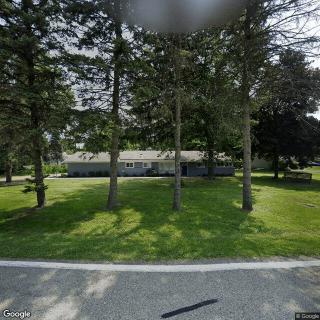



 Assisted Living Support for Veterans: A Complete and Detailed Overview
 Exploring the Contrasts Between Assisted Living and Skilled Nursing
 8 Key Indicators That Suggest It May Be Time to Transition from Assisted Living to Skilled Nursing Care