
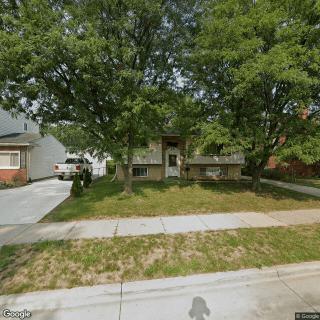
5706 Wayne Road, Wayne, MI 48184
For more information about senior living options: (866) 208-4318
Overall Review of Woods Care Home
Pros
 They are good people there.
- The reviewer would recommend this place to family members experiencing mental health issues.
- The staff are making sure the residents' hygiene is up to code.
Cons
 They are feeding them expired food.
- They are moving the expired food from one house to the other when they get audited.
- They are not giving them all their money.
- Not taking them to outings, keeping them locked up in the house.
- Their boyfriend has been in this house for two years and still doesn't have an ID.
Review
Woods Care Home in Wayne, MI is best suited for families seeking a small, home-like setting where staff relationships with residents can feel personal and responsive, particularly for loved ones who need custodial care and have mental health considerations. The community’s appeal rests on a perception of warmth from the caregiving team and a quieter, less institutional environment. With a 3.5 overall rating drawn from four reviews, the experience is clearly mixed: some families perceive sincere, caring staff, while others encounter troubling questions about safety, administration, and daily living conditions. This combination makes Woods Care Home a reasonable choice only for those who can prioritize a gentle, intimate atmosphere and are willing to pursue diligent oversight.
Those who should consider alternatives are families whose top priorities include ironclad nutrition standards, transparent financial handling, predictable activities, and straightforward paperwork support. The most serious red flags raised in the reviews concern basic safety and administrative integrity: expired food reportedly being served, food management practices seen as opaque or dishonest, and questions about money management and residents’ funds. Additionally, concerns about restricted outings, residents being “locked up” in the house, and ongoing difficulties with obtaining essential identification suggest gaps in daily structure, autonomy, and regulatory compliance. For families needing strong assurances around these areas, other facilities with clearer policies and external oversight may be a safer bet.
On the positive side, the standout pro is the perceived character of the caregiving staff. Multiple accounts describe staff as good people who genuinely care, and the intimate size of the community can enable more individualized attention and faster responsiveness to concerns. For some residents, a cordial, familiar caregiver dynamic can alleviate anxiety and foster a sense of belonging in a way that larger communities struggle to replicate. This warmth, when delivered consistently, can translate into meaningful daily interactions and a more comfortable living rhythm for residents who thrive on predictable, person-centered care.
However, the cons present a compelling case against a broad recommendation. The reported issues around nutrition and food integrity raise immediate health and trust concerns. If meals are not reliably nutritious and safe, the core purpose of a residential setting, to support health and well-being, frays at the edges. In tandem, the alleged mishandling of residents’ money and the lack of transparency around how funds are used erode confidence in administration. The lack of regular outings, coupled with allegations of confinement, undercuts opportunities for stimulation, social engagement, and independence, key components of quality life in assisted living. Finally, the troubling note about a resident without an ID after two years signals potential gaps in essential person-centered planning and access to identity-related services, which can impede access to benefits and services.
Balancing the pros against the cons, Woods Care Home offers genuine warmth and a smaller, more approachable environment, but the reported safety and governance concerns are serious enough to weigh heavily in any decision. For families willing to implement rigorous oversight, demand detailed meal plans, financial accounting, and regular updates, this community could still serve a resident who benefits from a calm, personable setting. Yet for anyone prioritizing consistent nutrition, unequivocal financial transparency, meaningful activities, and robust everyday safety, alternate options should be explored first. The decision hinges on whether the family can secure concrete assurances and ongoing monitoring that address the highlighted red flags.
Practical next steps are essential. Visit in person with a checklist focused on nutrition, hygiene, and safety routines; request a current menu and kitchen practices; ask to review resident funds and recent expenditures, with receipts and resident accounts explained plainly; inquire about planned outings and daily activity schedules, and observe a meal and a care shift. Speak with residents and their families about perceived changes over time and request copies of care plans, incident logs, and any state or licensing inspections. If possible, contact the local ombudsman or state department of aging for the most recent regulatory findings and any open concerns. With careful due diligence and clear expectations set upfront, Woods Care Home can be a workable option for some, but it is not a universal solution and should be approached with caution for families needing rigorous safety and accountability.
 12 resident community capacity
 Assisted Living
 Cable or satellite TV
 Dining room
 Fully furnished
 Garden
 Housekeeping services
 Move-in coordination
 Outdoor space
 Telephone
 Wi-Fi/high-speed internet available
 Detroit Metropolitan-Wayne County (4 miles away)
 24-hour supervision
 Activities of daily living assistance
 Assistance with bathing
 Assistance with dressing
 Assistance with transfers
 Diabetes diet
 Meal preparation and service
 Medication management
 Special dietary restrictions
 Transportation arrangement (medical)
 Transportation to doctors appointments


 Understanding the True Cost of Assisted Living in 2025: A Comprehensive Guide
 Understanding Medicaid Coverage for Assisted Living: A Comprehensive Guide
 How and When Medicaid May Cover Assisted Living Costs