

4646 Walker Street, Wayne, MI 48184
To contact a resident: (734) 846-6988
For more information about senior living options: (866) 208-4318
Walker Home Costs & Pricing
At Walker Home, the monthly cost for a private room is set at an attractive $1,500, significantly lower than both Wayne County and the broader state of Michigan. In Wayne County, similar accommodations average around $3,335 per month, while across Michigan the price escalates further to approximately $3,675. This pricing structure not only highlights Walker Home's commitment to providing accessible care but also positions it as a competitive option for those seeking quality living arrangements without the financial burden often associated with private room facilities in the region.
| Floor plans | Walker Home | Wayne County | Michigan |
|---|---|---|---|
| Private | $1,500 | $3,335 | $3,674 |
Senior living communities with a similar price nearby
-
About the same

Tendercare Residential Services
$1,500 to $3,095 / month12.0 miles away -
from -$225 / mo
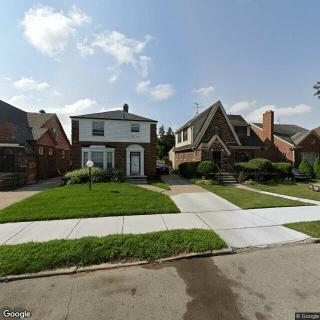
Kenyata's Adult Foster Care
$1,275 to $1,950 / month22.2 miles away -
from -$200 / mo
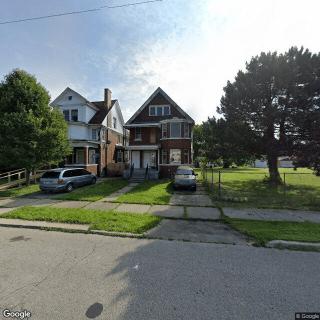
Assure Residential Care
$1,300 to $2,000 / month20.5 miles away -
About the same
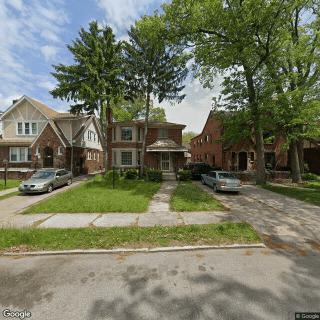
Mother Cabrini Home #1
$1,500 to $4,200 / month16.1 miles away -
from -$100 / mo
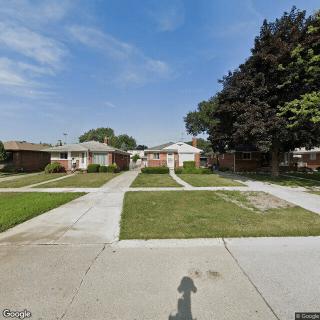
Better Life AFC
$1,400 / month7.1 miles away
Overall Review of Walker Home
Pros
 The home is good.
Cons
 The staff at this home yell at callers on the phone, more like screaming.
- The people who run the home are not very polite.
Review
Walker Home in Wayne, Michigan is best suited for seniors who want a compact, home-like setting and a straightforward, low-frustration daily routine. It appeals to families that prioritize a warm, neighborly atmosphere over campus-style polish, and to residents who can navigate direct lines of communication with a small, close-knit team. The community seems appropriate for those who need help with basic activities of daily living but do not require intensive clinical oversight or a broad menu of high-touch programs. In short, this option serves independence-minded seniors who value familiarity and predictable rhythms more than formalized service structures.
Alternatives exist that would better meet higher expectations for service and oversight. Families prioritizing consistently courteous communication, patient and trauma-sensitive staff interactions, and transparent care coordination may want to look elsewhere. Larger assisted-living operators with standardized training and clearer escalation paths tend to deliver steadier customer experiences. If warmth in telephone conversations, robust activity programming, and strong emergency-response protocols are non-negotiable, Walker Home risks falling short. For residents needing specialized dementia or end-of-life support, comparing with facilities that offer dedicated, specialist teams is prudent.
On the upside, the label “good home” hints at a relaxed, intimate atmosphere where residents can feel settled rather than processed. Smaller homes often deliver more personalized attention and fewer bureaucratic hurdles, which can translate into quicker decisions and a sense of security from being known by name. Family members may appreciate a social dynamic that feels less impersonal than larger campuses. However, the strongest negative signal is a pattern of harsh, loud communication from the people who run the home when contacted by families. That dynamic can strain trust, escalate stress for residents, and undermine confidence in day-to-day care decisions. The positives only go so far if tone and demeanor erode reassurance.
Those benefits partially offset the drawbacks when care needs are modest and expectations align with a simpler setting. If a resident is largely independent, enjoys uncomplicated routines, and only requires occasional help, a home-like environment with a small team can feel sufficient. Direct access to leadership can be a plus for families who want quick issue resolution, provided the tone remains calm and respectful. Yet blunt phone interactions and potential miscommunication can quickly erode confidence during critical moments, discharge planning, medication questions, or changes in care level. In such cases, the negatives tend to eclipse the positives, making thorough vetting essential before committing to this option.
Practical steps for decision-makers are clear. Schedule in-person visits and observe how staff interact with both residents and families, not just over the phone. Request to meet the administrator and seek clarity on communication protocols, including how concerns are escalated. Inquire about how care plans are developed, updated, and reviewed, and who signs off on changes. Confirm meal quality, activity options, transportation, and personal-care assistance details. Demand a written outline of costs, what is included, and what could trigger increases. If possible, observe a typical day and ask how emergencies are handled and how promptly staff respond to calls. Test the tone in conversations to determine whether responses are respectful and patient.
Bottom line: Walker Home offers a compact, homey option for seniors who prioritize atmosphere over polish and who can tolerate straightforward, at times blunt, communication. For families where warmth, empathy, and consistently courteous service are non-negotiable, or where advanced clinical oversight is required, exploring alternatives is prudent. Those who value quick access to leadership and a sense of being known may find the setting workable if the management style improves in tone and responsiveness. Thorough tours and candid conversations will reveal whether this community can deliver reliable daily life with enough reassurance to justify choosing it over a more robustly staffed and consistently courteous option.
 Board and Care Home
 Activities on-site
 Devotional services off-site
 Indoor common areas
 Private
 Detroit Metropolitan-Wayne County (5 miles away)
 Ambulatory care
 Diabetic care
 Meals provided



 Nurturing Our Loved Ones: A Daughter's Journey in Caring for Her Mother
 Nurturing Our Elders: Linda's Journey of Supporting Her Mother
 A Comprehensive Exploration of Common Misunderstandings about Powers of Attorney