
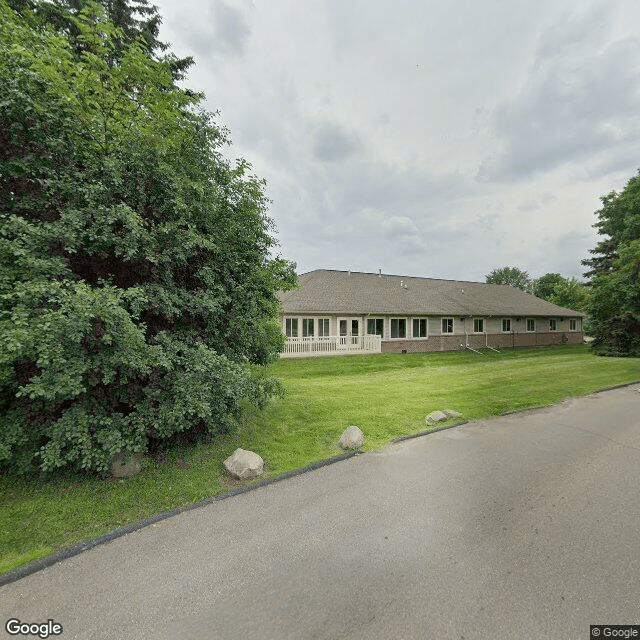
3385 Pontiac Lake Road, Waterford, MI 48328
To contact a resident: (248) 681-4788
For more information about senior living options: (866) 208-4318
Overall Review of Waterford Oaks Senior Center
Pros
 The staff at Waterford Oaks is awesome and very caring toward the residents.
- The care provided is excellent and full of compassion for residents facing dementia or hospice needs.
- It is a great choice for someone who needs a smaller, non-corporate facility with personalized attention and company.
- Briana and the caregiving team go above and beyond to keep residents comfortable, happy, and peaceful.
- The facility offers comprehensive care, good food, a clean environment, and a family-like atmosphere.
- Waterford Oaks is one of the best places, with a reliable, caring team during tough times.
- The staff is caring, helpful, and works as a true team to meet residents' needs.
- Residents have their own rooms and can participate in a variety of activities, with healthy meals.
Cons
 The hospital Hospice was awful.
- They were having trouble getting his medications on time.
- Residents are not allowed to go outside.
- The meals are horrible, with hotdogs and chicken strips for dinner.
- There is a lack of daily activities for residents.
- There is a lot of staff turnover, and the staff are not paid enough.
- Many residents cannot communicate and are described as catatonic, which was not what was expected.
- They are not staffed properly.
Review
Waterford Oaks Senior Center in Waterford, MI is best suited for families seeking a small, privately owned, home‑like environment where care is deeply relational and highly responsive. It works well for residents who need memory‑care support or end‑of‑life hospice companionship, and for families who place a premium on personal attention over cookie‑cutter programming. The setting is intimate enough that staff can know residents well, which translates into faster care cues, more individualized routines, and a sense of belonging that larger campuses often struggle to deliver. Proximity matters too; several families value being near loved ones and comfortable with a facility that treats residents as part of a tight‑knit community.
Those who should consider alternatives are the families prioritizing daily, robust activity calendars, predictable meal variety, and highly coordinated medication management. Larger, corporate‑style communities typically offer more structured programming and more standardized processes for medication timing and distribution. If outside outings or frequent, diverse social engagements are non‑negotiable, or if a high‑tempo dining program with varied menus is essential, a different setting may better meet expectations. For memory‑care residents who require unrestricted outdoor access or more expansive common areas to accommodate larger activity groups, a larger facility may feel less limiting.
On the plus side, the strongest pros center on people. The staff are repeatedly described as caring and approachable, delivering attentive, compassionate care that can feel like family‑level involvement. The privately owned nature of Waterford Oaks is cited as a practical advantage, often equating to quicker responsiveness and more personalized attention than bigger chains. Cleanliness and a home‑like ambiance are recurring themes, with reviewers noting a genuine “home smell,” comfortable rooms, and a setting that avoids the sterile nursing‑home vibe. For memory care, dedicated teams and consistent, patient interaction help residents stay engaged, while hospice‑adjacent staff are praised for keeping comfort and dignity at the forefront during difficult days. Meals are frequently described as healthy and appealing, and family members appreciate the ability to participate in or observe daily activities, even if the activity slate varies.
The main cons reveal real tensions that can influence satisfaction. Medication distribution and timing have been flagged as problem areas at times, raising concerns about reliability in routine, critical tasks. For memory‑care residents, outside access can be restricted, limiting opportunities for fresh air or purposeful outings that support mood and cognition. Staff turnover has been noted in several accounts, which can disrupt continuity of care and slow the-building of trust between residents and caregivers. Activity levels, while present, are not uniformly described as daily or expansive; some families find the calendar lean and question whether the dining and social life keep pace with expectations for an engaging senior living experience. Food quality is a mixed picture, with at least one report calling meals less appealing, though many families describe meals as satisfactory or better.
These strengths and weaknesses intersect in practical, decision‑driving ways. When the care culture and intimate setting align with a loved one’s personality and care needs, Waterford Oaks’ advantages can meaningfully offset the limits identified. The personal connections, the sense of family among residents and staff, and the attentiveness of caregivers often translate into safer, more comfortable days for those requiring memory‑support or end‑of‑life care. Cleanliness and a quiet, home‑like environment reduce agitation and help maintain dignity. However, for families where daily programming, consistent medication workflows, or expansive shared spaces are non‑negotiable, the drawbacks may loom larger, making alternatives worth a closer look.
For families considering Waterford Oaks, the prudent next steps are pragmatic and focused. Inquire about current staffing levels and turnover, especially in the care and nursing roles, and ask for specifics on how medications are scheduled, administered, and monitored. Review the activity calendar with a candid eye: how many distinct offerings occur weekly, what types of programs exist for memory care, and how residents are supported to participate despite mobility or cognitive limitations. Seek out the dining routine, menu variety, cooking staff, and mealtime pacing, and request a tasting or a day‑in‑the‑life demonstration to gauge how meals feel in practice. Finally, verify policy on outdoor access for memory‑care residents and the process for family involvement in care planning. Waterford Oaks rewards families who value intimate, compassionate care; it is a fit for those who want a home‑like setting where staff know residents well and where care can feel personalized and kind, with the caveat that programming breadth and logistical consistency should be confirmed against what matters most to the resident and the family.
 Studio apartments
 Beautician on-site
 Housekeeping services
 Laundry
 Party space
 Hospice care
 Medication management
 Physical therapy
 Religious services
 English






 Navigating Medicare Coverage for In-Home Care Services
 In-Home Care Costs in 2025: A Detailed State-by-State Exploration
 Understanding Home Health Care: A Comprehensive Guide