
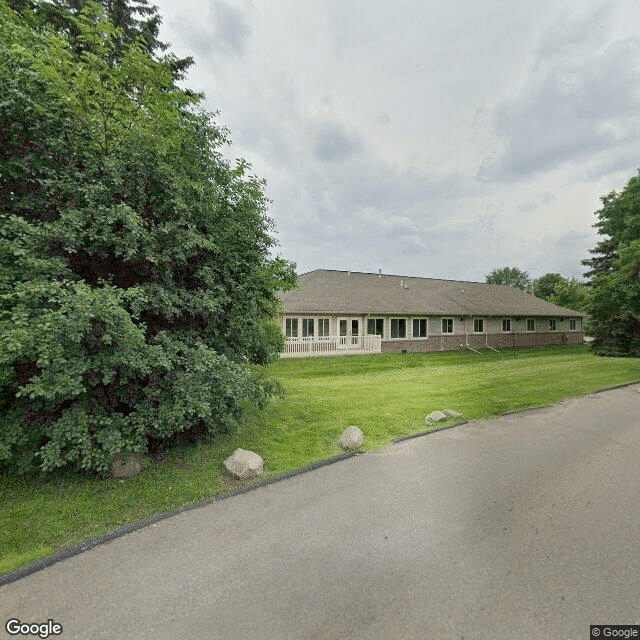
3385 Pontiac Lake Road, Waterford, MI 48328
For more information about senior living options: (866) 208-4318
Overall Review of Waterford Oaks Senior Care
Pros
 Waterford Oaks provides comprehensive care, good food, and a clean environment, making residents feel like family.
- Waterford Oaks is described as one of the best places, with reliable, caring staff and a strong team approach.
- Waterford Oaks Senior Care is a well-kept facility with kind staff, healthy meals, and engaging weekly activities.
- Waterford Oaks offers a convenient location with friendly staff, clean rooms, and a pleasant, quiet atmosphere.
- The care at Waterford Oaks is praised as exceptional, with attentive staff and promptly attended needs.
- Waterford Oaks is professional, with happy residents who are well-fed and treated well in a peaceful, spacious setting.
Cons
 They are having trouble getting his medications on time.
- The medication distribution is the least liked aspect.
- The staff are not staffed properly and residents seem unhappy because they are not paid enough.
- The food is horrible and residents are given hotdogs and chicken strips for dinner.
- There is a lot of turnover among the staff.
- There is not a lot of activities offered.
Review
Waterford Oaks Senior Care is best suited for families seeking a compact, home-like assisted living experience where staff engagement feels personal and consistent. The community operates in a small, intimate setting, roughly a 20-resident footprint in memory care, with residents often sharing a single-room experience that still feels private. For families prioritizing proximity to home, the facility’s location near an easy drive and the option for a resident to have a private room can make hands-on oversight practical and reassuring. The tone from several reviews is that this is not a polished resort, but a place where care, cleanliness, and a sense of belonging are tangible daily benefits.
Those weighing Waterford Oaks should consider alternatives if daily programming, extensive outdoor access for memory-care residents, or restaurant-style dining quality are non-negotiables. Several reviewers flag limited daily activities beyond occasional events like bingo or Friday music, and note the dining room is small enough to feel cramped during peak times. Medication management also emerges as a concern in a few accounts, particularly around timing and distribution. For families seeking robust, continuing engagement and a broad social calendar, a larger community with more frequent outings or more expansive dining spaces might be a better fit.
On the positive side, the strongest lever is the staff. Multiple comments describe caregivers as kind, attentive, and genuinely engaged, with a team-oriented approach that makes care feel cohesive rather than transactional. This is amplified by tangible cues: a resident who has her own room and can participate in weekly activities; a staff culture that communicates openly with families; and a setting where routine cleanliness and prompt attention to needs are the norm. The combination of compassionate attendants, a consistent team ethos, and a quieter, less chaotic environment helps offset the inherent trade-offs of a small facility.
The main drawbacks center on operations and programming gaps. Medication timing lapses, limited outdoor access for memory care residents, and a dining space that cannot easily accommodate all residents at once point to systemic constraints common in smaller houses. Some reviewers describe food as uneven, with critiques ranging from limited variety to occasional lower-quality offerings, which clashes with expectations for senior dining when meals become a central daily ritual. In addition, turnover among staff is referenced, suggesting that while many caregivers are outstanding, consistency can fluctuate and that continuity of care depends heavily on good communication with the leadership team.
Where the pros truly balance the cons lies in the ability to involve families actively and in the setting’s intimate, human scale. The intimate environment enables closer observation of medication routines, a more tailored pacing of activities, and quicker responsiveness to changing needs. Proximity to home makes regular visits and contingently stepping in for supervision feasible, which can dramatically improve overall satisfaction even when occasional service gaps occur. Cleanliness, comfortable private rooms, and visible resident happiness, even in a small dining room, contribute to a sense of security that can make Waterford Oaks a strong mid-range option for many families.
The bottom-line guidance is practical: Waterford Oaks Senior Care suits families who value a close-knit, attentive care team and a smaller, manageable community where residents are known by name and routines are predictable. It is not the best choice for those who require heavy daily programming, want expansive outdoor freedoms for memory-care residents, or demand consistently high-end dining and perfectly seamless medication management. For households with flexible expectations, or those who can actively partner with a tight-knit staff to monitor meds and schedule visits to reinforce care, Waterford Oaks offers a solid, dependable option in Waterford. Where alternatives are considered, compare larger communities with more robust activity calendars and more centralized dining, and use those comparisons to decide which alignments, privacy, proximity, or programming, the family values most in the next chapter of care.
 20 resident community capacity
 Studio apartments
 Assisted Living
 Board and Care Home
 Memory Care
 Respite Care
 Activities on-site
 Beautician on-site
 Cable or satellite TV
 Devotional services off-site
 Dining room
 Fully furnished
 Garden
 Housekeeping services
 Indoor common areas
 Kitchenette
 Laundry
 Move-in coordination
 Outdoor space
 Party space
 Telephone
 Wi-Fi/high-speed internet available
 24-hour call system
 Ambulatory care
 Assistance with bathing
 Assistance with dressing
 Assistance with transfers
 Diabetes diet
 Diabetic care
 Hospice care
 Meal preparation and service
 Medication management
 Mental wellness program
 Physical therapy
 Special dietary restrictions
 Transportation arrangement (medical)
 Transportation to doctors appointments
 English






 Assisted Living and Memory Care: Understanding Their Core Differences
 Choosing the Right Senior Care: A Detailed Exploration of Assisted Living and Nursing Homes
 Safeguarding Your Memory Through the Golden Years: Eight Ways to Preserve Cognitive Health