Terova Adult Foster Care Home in Troy, MI

Information last verified:

2448 Terova, Troy, MI 48085

For more information about senior living options: (844) 490-3973

5 from 47 reviews
5 stars
46
4 stars
1
3 stars
0
2 stars
0
1 stars
0

Seniors.FYI Elite Community Awards

Top 5% Senior Living Community in 2021Top 5% Senior Living Community in 2023Top 5% Senior Living Community in 2024Top 5% Senior Living Community in 2026

Add this award to your website

Overall Review of Terova Adult Foster Care Home

Pros

  • pro The Stratford House staff are consistently kind, caring, and genuinely devoted to residents and their families.
  • pro The environment feels like a welcoming, home-like community where residents and families are treated like part of the family.
  • pro Residents are well groomed, dressed, active, and cared for in a clean, orderly home.
  • pro The meals are appealing, homemade, and enjoyed by residents.
  • pro The care staff communicates well about progress or issues, keeping families informed.
  • pro The owner and staff are patient, compassionate, and consistently attentive to each resident's needs.
  • pro The home offers meaningful activities and celebrations that foster happiness and connection.
  • pro Families are included in care planning and daily life, creating a sense of belonging.
  • pro Stratford House receives high recommendations from families for exceptional, personalized care.

Review

This community is best suited for families seeking a true home-like setting where caregivers know residents well, the pace stays personal, and family involvement is not only welcomed but expected as part of daily care. The consistent thread across the reviews is a small, two-house or single-house model anchored by a devoted owner and long-tenured staff who treat residents as part of a close-knit family. Residents are groomed, dressed, and engaged, meals are homemade and appealing, and daily life centers on companionship, routines, and accessible social activities. For families prioritizing dignity, individualized attention, and continual observation by someone who knows the resident’s history, this model delivers what larger campuses often struggle to maintain: continuity, warmth, and a sense of belonging. It is a setting where residents not only receive care but feel seen, valued, and included in meaningful family-like rituals.

That said, alternatives should be on the table for those with more complex medical needs or preferences for a more clinical or expansive environment. The reviews describe a highly personalized, intimate care home rather than a hospital-like campus with dense medical schedules. For a loved one requiring rigorous 24/7 medical oversight, extensive on-site nursing staff, or highly specialized programs (for advanced dementia, complex wound care, or frequent skilled interventions), a larger facility with robust clinical resources may be a better match. Families who prize anonymity, wide private suites, or highly regimented, scalable programming might also gravitate toward bigger assisted living options. In short, the ideal resident here is someone who thrives on a homelike rhythm, not someone who must be navigated through a sprawling array of medical services under one roof.

The strongest pros, consistently highlighted in the reviews, offset the most plausible cons in this care model. The intimate, home-like environment translates into strong social connectivity: residents socialize readily, participate in parties and outdoor activities, and form genuine relationships with caregivers who know their habits and preferences. The caregiver-to-resident ratio appears favorable, with staff members working closely together and staying with the same residents day after day. This continuity reduces confusion, enhances safety, and supports proactive communication with families. The owner’s accessibility and the staff’s genuine investment in residents’ well-being create a reliable, frictionless flow of information, families are kept in the loop about progress and any concerns. Nourishing meals, regular grooming, and engaging activities further reinforce a dignity-centered approach that keeps residents feeling normal and respected, even as needs evolve.

However, the inherent limitations of a smaller, house-based model cannot be ignored. Capacity is finite, which means fewer beds and a tighter pool of resources if a resident’s needs rapidly escalate or if a crisis requires multiple, simultaneous interventions. The personalized model also depends heavily on the availability and stamina of a small caregiving team; when illness or turnover strains that team, coverage can become tight. Privacy realities in compact living spaces can be a trade-off, with shared common areas and private rooms that still feel intimate, but not as expansive as larger campuses. Transportation logistics, access to on-site medical equipment, and the immediacy of emergency responses may not match what a bigger facility can promise. Families should be comfortable with a high-touch, hands-on care framework where the human connection drives outcomes more than high-tech infrastructure.

The way the pros offset these drawbacks is clear in practice. The social fabric created by a small, tightly knit staff translates into lower risk of miscommunication and missed cues. When families want eyes and ears on every development, the on-site owner who personally oversees operations becomes a decisive advantage, enabling rapid problem-solving and consistent care plans. The emphasis on home cooking, hair and nail care, and routine activities means residents retain a sense of independence and normalcy that is often lost in larger settings. For residents with dementia or special needs, the ability to redirect and engage them in familiar, comforting activities reduces agitation and improves mood. End-of-life care and hospice experiences, when needed, appear to be handled with same-family empathy and coordination, which can be priceless for loved ones navigating difficult journeys.

For families evaluating Terova, the practical takeaway is straightforward. Look for a model that mirrors these strengths: a clearly defined, small care home size; a stable, experienced caregiving team with low turnover; open, respectful, and timely communication from the owner or administrator; and a daily rhythm rich in home-cooked meals, grooming, and meaningful activities. During visits, observe how caregivers interact with residents and how the environment supports dignity, are residents dressed, engaged, and encouraged to participate in life’s simple pleasures? Ask about how hospice or end-of-life care is integrated, what medical oversight exists on-site, and how staff handle emergencies or sudden changes in condition. Talk to current families about how concerns are addressed and how the transition into care felt for loved ones and for the family as a whole.

In sum, Terova will be an excellent fit for families who want a high-touch, emotionally intelligent care setting where residents are treated as cherished members of a household. The strongest case is made for those prioritizing consistent staffing, intimate social environments, and proactive, family-centered care planning. Alternatives matter for anyone whose loved one requires intensive medical resources, or who seeks the amenities and routines of a larger campus. The evidence suggests this model excels at preserving dignity, fostering belonging, and delivering personalized care that makes residents feel at home. A well-chosen unit within Terova, approached with informed questions and a well-tanned sense of what “home” feels like for an elder, can become the foundation of peace of mind for families navigating challenging care decisions.

Features

Housing

  • 6 resident community capacity 6 resident community capacity

Types of Care

  • Assisted Living Assisted LivingAssisted living facilities provide crucial support and care for seniors who may need help with daily tasks such as medication management, bathing, and meal preparation. These communities offer a safe and comfortable environment where seniors can maintain their independence while receiving the assistance they need to thrive in their golden years.

Amenities

  • Cable or satellite TV Cable or satellite TVCable or satellite TV is important for seniors because it provides entertainment, news, and companionship, helping to combat loneliness and boredom. It also offers a wide range of programming options tailored to different interests and preferences.
  • Dining room Dining roomDining rooms are important for seniors as they provide a space for socialization, connection, and nutritious meals. They offer opportunities for residents to bond over shared meals, foster a sense of community, and promote healthy eating habits. Dining rooms also ensure that seniors have access to well-balanced meals tailored to their dietary needs and preferences.
  • Fully furnished Fully furnishedFully furnished senior living communities are important for seniors because they provide convenience, comfort, and a hassle-free moving experience. Seniors can easily settle into their new living space without the stress of having to buy and move furniture. This allows them to focus on enjoying their new home and community.
  • Garden GardenGardens are important for seniors as they provide a peaceful and therapeutic environment for relaxation, physical activity, and socialization. Being in nature has been shown to reduce stress, improve mood, and promote overall well-being. Gardens also offer opportunities for seniors to engage in gardening activities, which can improve mobility, flexibility, and cognitive function. Additionally, gardens create a sense of community and connection with others who share a passion for plants and outdoor spaces.
  • Housekeeping services Housekeeping servicesHousekeeping services are important for seniors because they help maintain a clean and safe living environment, promote independence, and reduce the risk of accidents or illnesses. Additionally, having assistance with household chores can alleviate physical strain and allow seniors to focus on other aspects of their well-being.
  • Move-in coordination Move-in coordinationMove-in coordination is important for seniors because it helps ease the transition into their new living environment. It ensures that all logistics, such as packing, organizing movers, and setting up utilities are taken care of, allowing seniors to focus on settling in and adjusting to their new home. Having a smooth move-in process can alleviate stress and anxiety, making the transition smoother and more enjoyable for seniors.
  • Outdoor space Outdoor spaceOutdoor spaces are important for seniors as they provide opportunities for physical activity, social interaction, exposure to natural light and fresh air, and a sense of connection to nature. Having access to outdoor spaces can improve overall well-being and quality of life for older adults living in senior communities.
  • Telephone TelephoneTelephones are important for seniors as they provide a lifeline for communication with loved ones, emergency services, and healthcare providers. They offer a sense of security and independence, enabling seniors to stay connected and access assistance when needed.
  • Wi-Fi/high-speed internet available Wi-Fi/high-speed internet availableWi-Fi/high-speed internet is important for seniors to stay connected with loved ones, access online resources, and participate in virtual activities to combat feelings of loneliness and isolation. It also allows them to easily manage healthcare needs, access entertainment, and engage in lifelong learning opportunities.

Care Services

  • 24-hour supervision 24-hour supervision24-hour supervision is important for seniors to ensure their safety, well-being, and access to immediate assistance in case of emergencies or health issues. This constant support provides peace of mind for both seniors and their loved ones, allowing them to age in place with dignity and security.
  • Activities of daily living assistance Activities of daily living assistanceActivities of daily living assistance are important for seniors because they provide essential support with tasks such as eating, bathing, dressing, and mobility. This assistance helps seniors maintain their independence, dignity, and overall quality of life as they age.
  • Assistance with bathing Assistance with bathingAssistance with bathing is crucial for seniors as it helps maintain personal hygiene, prevents infections, and ensures their overall well-being and comfort. It also provides a sense of dignity and independence for seniors who may struggle with this task on their own.
  • Assistance with dressing Assistance with dressingAssistance with dressing is important for seniors because it helps maintain their independence, promotes personal hygiene, prevents accidents and injuries, and improves overall quality of life. This service ensures that seniors can continue to dress comfortably and confidently, despite any physical limitations they may have.
  • Assistance with transfers Assistance with transfersAssistance with transfers is crucial for seniors as it helps prevent falls and injuries, maintains their independence, and ensures they can safely navigate their living environment. It also provides peace of mind for both seniors and their loved ones.
  • Coordination with health care providers Coordination with health care providersCoordination with health care providers is crucial for seniors to ensure proper medical care, medication management, and overall well-being. This collaboration helps prevent overlapping treatments, track progress more effectively, and provide comprehensive support tailored to individual needs.
  • Diabetes diet Diabetes dietA diabetes diet is crucial for seniors as it helps manage blood sugar levels, reduce risks of complications, and improve overall health and well-being. By following a balanced and nutritious diet tailored to their specific needs, seniors can better control their diabetes and enhance their quality of life.
  • Meal preparation and service Meal preparation and serviceMeal preparation and service are crucial for seniors as they may have limited mobility or energy to cook nutritious meals. Having access to healthy and convenient food options can ensure they are getting the proper nutrition needed to maintain their overall health and well-being.
  • Medication management Medication managementMedication management is crucial for seniors to ensure they are taking the right medications at the correct dosages and times. This helps prevent adverse drug interactions, reduces the risk of medication errors, and promotes overall health and well-being. Proactive management also allows for adjustments as needed based on changing health conditions or new prescriptions.
  • Special dietary restrictions Special dietary restrictionsSpecial dietary restrictions are important for seniors because age-related changes in metabolism and health conditions can make it difficult for their bodies to process certain foods. By following a diet tailored to their specific needs, seniors can maintain their overall health and well-being, manage chronic conditions, and reduce the risk of complications such as malnutrition or food interactions with medications.
  • Transportation arrangement (medical) Transportation arrangement (medical)Transportation arrangements for medical purposes are essential for seniors as they may have difficulty driving themselves to appointments or accessing public transportation. Having reliable and safe transportation options ensures that seniors can receive timely medical care and maintain their health and well-being.
  • Transportation to doctors appointments Transportation to doctors appointmentsTransportation to doctors' appointments is crucial for seniors as it ensures they have access to necessary medical care and support for their health needs. Without reliable transportation, seniors may struggle to attend important appointments, leading to potential delays in treatment and health complications. Providing transportation services helps seniors maintain their overall well-being and quality of life.

Dining

  • Diabetes diet Diabetes dietA diabetes diet is crucial for seniors as it helps manage blood sugar levels, reduce risks of complications, and improve overall health and well-being. By following a balanced and nutritious diet tailored to their specific needs, seniors can better control their diabetes and enhance their quality of life.
  • Special dietary restrictions Special dietary restrictionsSpecial dietary restrictions are important for seniors because age-related changes in metabolism and health conditions can make it difficult for their bodies to process certain foods. By following a diet tailored to their specific needs, seniors can maintain their overall health and well-being, manage chronic conditions, and reduce the risk of complications such as malnutrition or food interactions with medications.

Activities

  • Community-sponsored activities Community-sponsored activitiesCommunity-sponsored activities are important for seniors as they provide opportunities for social interaction, mental stimulation, and physical activity. These activities can help improve overall well-being, combat loneliness and isolation, and promote a sense of belonging and purpose among older adults.
  • Scheduled daily activities Scheduled daily activitiesScheduled daily activities are important for seniors because they provide structure, socialization, mental stimulation, and physical activity. Engaging in regular activities can improve overall well-being and quality of life for seniors living in a community setting.

Description

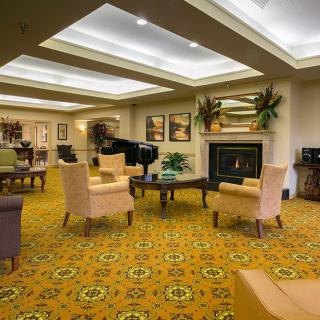
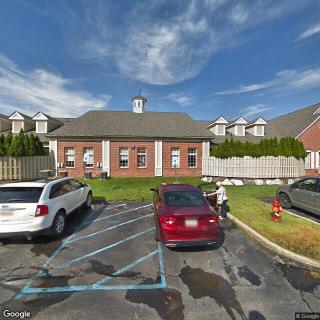
The Terova Adult Foster Care Home in Troy, MI is a welcoming and comfortable assisted living community designed to provide the utmost care and support for seniors. With a range of amenities and care services, residents can enjoy a fulfilling and worry-free lifestyle.

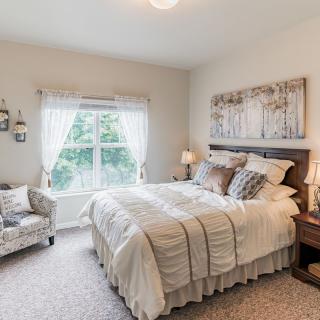
The community features a spacious dining room where delicious meals are served, allowing residents to enjoy socializing with their peers and savoring nutritious food. All living spaces are fully furnished, offering a cozy environment for residents to make themselves at home. Additionally, the presence of a beautiful garden and outdoor space provides an opportunity for relaxation and enjoyment of nature.

Housekeeping services are available, ensuring that residents' living spaces are always clean and tidy. Move-in coordination is also provided to ease the transition into the community. Furthermore, residents have access to both telephone service and Wi-Fi/high-speed internet, enabling them to stay connected with their loved ones or engage in online activities.

The Terova Adult Foster Care Home offers various care services tailored to meet individual needs. Trained caregivers provide assistance with activities of daily living such as bathing, dressing, and transfers. Coordination with health care providers ensures that residents receive proper medical attention when needed. For those with diabetes or special dietary restrictions, personalized meal preparation and management are provided.

Transportation arrangements enable residents to easily attend medical appointments or other necessary outings. Nearby cafes, parks, pharmacies, physicians' offices, restaurants, places of worship, and theaters offer convenience and opportunities for recreation within close proximity to the community. In addition, scheduled daily activities ensure that residents can engage in socialization and participate in enjoyable pastimes.

Overall, the Terova Adult Foster Care Home offers a supportive environment where seniors can feel at home while receiving personalized care services tailored to their individual needs.

Nearby Places of Interest

Pharmacies

  • Rite Aid (0.8 miles)
  • Walgreens (1.7 miles)
  • Walgreens (2.2 miles)
  • CVS Pharmacy (2.4 miles)
  • CVS Pharmacy (3 miles)
  • Walmart Pharmacy (3.4 miles)
  • Walgreens (3.9 miles)

Places of Worship

  • Big Beaver United Methodist Church (1 miles)
  • Church Of The Holy Redeemer (5 miles)

Physicians

  • Sterling Physicians (2.3 miles)
  • Metro Medical Practice (2.7 miles)
  • Troy Medical Center (3.9 miles)
  • Troy Orthopedics Associates (4 miles)
  • Millman-Derr Center For Eye Care (4 miles)
  • Summit Oral & Maxillofacial Surgery (4 miles)
  • Barclay Medical Center (4.1 miles)

Restaurants

  • Pita Way - Troy (2.7 miles)
  • Salsarita's Fresh Mexican Grill (2.7 miles)
  • Mon Jin Lau (2.8 miles)
  • Ishtar Restaurant (2.9 miles)
  • Fogo de Chão Brazilian Steakhouse (3.2 miles)
  • McDonald's (3.7 miles)
  • New York Deli (3.8 miles)

Theaters

  • AMC Forum 3 (3.1 miles)
  • MJR Troy Grand Digital Cinema 16 (3.6 miles)
  • AMC Star John R 15 (4 miles)
  • Emagine Rochester Hills (4 miles)

Cafes

  • Panera Bread (3.7 miles)
  • Starbucks (3.7 miles)
  • Starbucks (4.3 miles)
  • Antonio's Cafe & Grill (4.8 miles)
  • Panera Bread (5.3 miles)
  • The Hot Spot Coffee (5.7 miles)
  • Starbucks (6.2 miles)

Parks

  • Clawson Park (4.1 miles)
  • Firefighters Park (4.4 miles)
  • Earl E Borden Park (4.5 miles)
  • Dodge Park (4.6 miles)
  • Whispering Woods Park (5.3 miles)
  • Avondale Park (5.3 miles)
  • Starr Jaycee Park (5.7 miles)

Frequently Asked Questions

Where is Terova Adult Foster Care Home?

Nearby Communities

  • Genesis Senior Living IV

    Genesis Senior Living IV

    Troy, MI

    4.4 from 22 reviews
    $2,800 to $3,500 / month

    pro Intimate, homey setting with attentive, personalized care.


  • Adams Home

    Adams Home

    Troy, MI

    1 from 1 review
     

    pro Intimate, small-community setting with comprehensive care and on-site amenities.

  • Genesis Senior Living II

    Genesis Senior Living II

    Troy, MI

    3.3 from 6 reviews
     

    pro Comprehensive memory care with 24/7 supervision and dedicated memory care programming.

  • Hearthstone Communities Sterling I

    Hearthstone Communities Sterling I

    Sterling Heights, MI

    4.9 from 64 reviews
    $4,500 / month

    pro Caring staff in a clean, home-like setting with personalized care and engaging activities.

  • Touch Of Care

    Touch Of Care

    Troy, MI


    pro Small, personalized assisted living with comprehensive care and on-site dining.

  • Touch of Care,  LLC

    Touch of Care, LLC

    Troy, MI

    4.8 from 12 reviews
    $3,500 to $4,000 / month

    pro Caring, attentive staff in a clean, home-like setting with personalized care and homemade meals.

  • Oakmont Sterling

    Oakmont Sterling

    Sterling Heights, MI

    4.2 from 27 reviews
    $2,815 to $3,815 / month

    pro Homey, well-maintained environment with friendly staff, engaging activities, and good value for the price.

  • ExpertCare Management Services

    ExpertCare Management Services

    Troy, MI

    3.3 from 35 reviews
     

    pro Strong commitment to finding the right caregiver, improving the loved one's comfort and independence.

  • Town Village Sterling Heights

    Town Village Sterling Heights

    Sterling Heights, MI

    4.5 from 127 reviews
    $2,233 / month

    pro Friendly staff, active social program, and strong dining options.

Related Resources

  • assisted living for disabled adultsComprehensive Supportive Living Arrangements for Adults with Disabilities

    Assisted living for adults with disabilities has transformed to provide personalized care and support services aimed at improving residents' quality of life while balancing independence and assistance. However, low-income individuals often face challenges in affording these services, requiring navigation of various financial resources and advocacy for better policies and solutions.

  • how to pay for assisted livingFunding and Affording Assisted Living: A Thorough Overview

    Assisted living facilities provide support for older adults needing help with daily activities without extensive medical care, but their costs can be high and vary by location and services offered. Families often seek various funding options and financial strategies to manage these expenses effectively while considering future needs and potential price increases.

  • assisted living insuranceAssisted Living Expenses and Long-Term Care Insurance: A Comprehensive Exploration

    The article discusses assisted living expenses, the importance of long-term care insurance in covering these costs, and various financing options, highlighting the need for careful policy review and early planning to address potential needs. It also clarifies common misconceptions about Medicare and private health insurance limitations regarding long-term care coverage.