

2671 Windsor Dr, Troy, MI 48085
To contact a resident: (248) 495-0493
For more information about senior living options: (866) 208-4318
Touch of Care, LLC Costs & Pricing
Touch of Care, LLC offers competitive pricing for its services, with costs that reflect the quality of care provided. For a semi-private room, residents can expect to pay $3,500 per month, which is notably higher than both the Oakland County average of $3,204 and the statewide figure of $3,191. In contrast, private rooms at Touch of Care are priced at $4,000 monthly, again exceeding both local and state averages - Oakland County's cost stands at $3,708 while Michigan's overall average is $3,675. While these rates may be above regional standards, they underscore the commitment to delivering exceptional care and personalized support that sets Touch of Care apart in the marketplace.
| Floor plans | Touch of Care, LLC | Oakland County | Michigan |
|---|---|---|---|
| Semi-Private | $3,500 | $3,204 | $3,189 |
| Private | $4,000 | $3,708 | $3,674 |
Senior living communities with a similar price nearby
-
from -$500 / mo
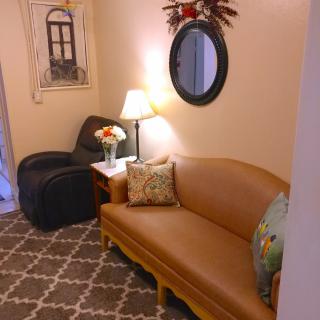
Hutcheson Manor
$3,000 to $4,500 / month15.6 miles away -
from +$195 / mo

Sarah Care Adult Day Care
$3,695 to $4,295 / month5.3 miles away -
from +$300 / mo

Silverbell Manor
$3,800 / month11.3 miles away -
from -$300 / mo
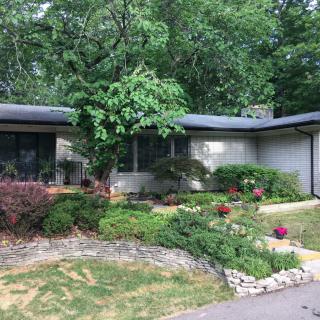
Vicky's Place
$3,200 to $6,000 / month13.2 miles away -
from +$500 / mo
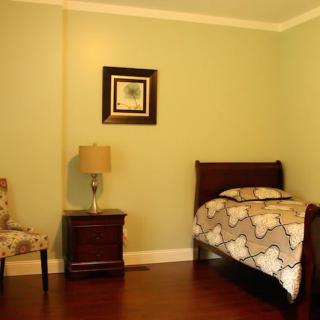
Oakland View Senior Living
$4,000 to $5,000 / month13.8 miles away
Overall Review of Touch of Care, LLC
Pros
 Residents are treated like family at Touch of Care.
- The staff are very caring and attentive toward residents.
- The facility provides high-level, personalized care for those who need it.
- The meals meet residents' needs and are well balanced.
- The owners and staff are genuinely caring and concerned for residents' well-being.
- The small, home-like setting creates a close-knit, family environment.
- The administration is on top of things and highly approachable.
- The home is clean, well maintained, and comfortable.
- Families feel relieved knowing their loved ones are well cared for.
- The care team coordinates doctor visits, nurse visits, therapy sessions, and prescriptions effectively.
- The staff are compassionate, patient, and consistently friendly.
- The facility is highly recommended by families.
- The meals are homemade and well liked by residents.
Cons
 The caregivers are of Asian descent, soft-spoken, and not fluent in English, which makes communication difficult for the resident.
- The community was not the right fit for her mother.
- It wasn't the independence he needed.
- Her mother being legally blind and deaf made communication very difficult, even in the best circumstances.
Review
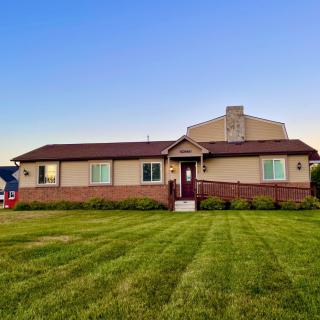
Touch of Care is best suited for seniors who want a small, home‑like environment where care is personalized and consistently attentive. The community operates as a six‑resident house, which translates into intimate daily routines, predictable schedules, and caregivers who can tailor assistance to individual needs. Families seeking peace of mind will find it easy to build trust here, because staff routinely demonstrate warmth, make residents feel like family, and maintain a clean, orderly setting. For someone who values dependable supervision, readily available help with daily activities, and meals crafted to preferred preferences, this is a compelling fit.
Those who may want to consider alternatives include residents requiring higher medical acuity or more independent living options. A larger facility can offer broader on‑site medical services, more diverse programming, and greater social opportunities, which can matter for individuals who crave variety or who need around‑the‑clock medical oversight. Language considerations also matter for some families; one review notes communication can be challenging when staff are not fluent in a resident’s primary language, which could impede care planning and daily interactions for someone who relies on precise communication. Additionally, the six‑bed model has occasionally manifested a gender concentration, which could be a fit or a drawback depending on family preferences and resident compatibility.
The strongest positives, intimacy, compassion, and hands‑on supervision, do a lot of heavy lifting against the downsides. Caregivers are described as genuinely kind, attentive, and capable of handling higher‑needs residents without compromising dignity. The small size means staff can respond quickly, notice subtle changes in health or mood, and coordinate doctor visits, therapy appointments, and medication management efficiently. Cleanliness and consistent maintenance reinforce a sense of safety, and the home atmosphere is consistently praised as more comforting than larger convalescent facilities. The dedication of the owner and administrator to staying on top of operations also translates into reliable day‑to‑day governance and smoother transitions when needs shift.
That said, families should validate how the pros translate into ongoing day‑to‑day life for their loved one. Expect to confirm that the level of medical oversight aligns with current needs, including wound care, medication administration, and the ability to coordinate therapy. In‑service training for dementia care and safety transfers is a meaningful indicator of proactive staff education, but it remains essential to verify that staff language preferences, communication styles, and cultural expectations mesh with the resident’s requirements. Ask about meal variety and dietary accommodations, because even with generally solid meals, routine customization can matter for long‑term satisfaction. Finally, understand how the community handles transitions to higher levels of care if health status changes.
Decision guidance: Touch of Care excels for families who prize a quiet, closely managed setting where staff know residents well, meals are thoughtfully prepared, and daily life feels like a family routine rather than a battery of impersonal services. The intimate layout and straightforward administration make it highly suited for seniors who do not demand broad programming or extensive medical infrastructure, but who do need steady hands and a comforting, predictable rhythm. For loved ones requiring robust medical interventions, diverse social activities, or bilingual staff to minimize miscommunication, it makes sense to compare alternatives at larger, more medically equipped communities.
In sum, Touch of Care is a strong choice when the priority is warmth, reliability, and a high level of personalized attention within a compact, well‑kept home. It is not the best fit for residents who need intensive medical support, expansive social programming, or language‑matched staff across all shifts. Families weighing options should schedule a visit with questions about care plans, staffing patterns, and routine monitoring, observe how caregivers interact with residents, and review menus and activity calendars. With due diligence, this community can deliver the reassurance and daily quality of life that many families say they’ve been seeking.
 Board and Care Home
 Activities on-site
 Private
 Respite or short term stays offered
 Wheelchair accessible showers
 Diabetic care
 High acuity care
 Incontinence care
 Medication management
 Anytime dining
 Birthday parties
 Understanding the Sandwich Generation: Stress and Responsibilities for Multigenerational Caregivers
 8 Essential Assistive Devices for Older Adults
 Navigating the Financial Road to Nursing Home Care: In-Depth Guidance and Resources