
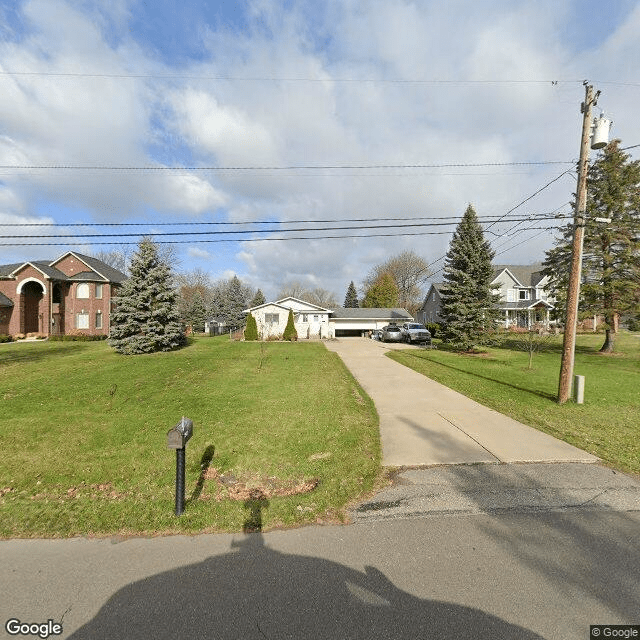
1547 Rockfield, Troy, MI 48085
To contact a resident: (248) 259-2578
For more information about senior living options: (866) 208-4318
Home Sweet Home Costs & Pricing
At Home Sweet Home, we pride ourselves on providing competitive and affordable living options compared to the broader market. In our semi-private rooms, residents enjoy a monthly rate of $2,500, which is significantly lower than the average cost in Oakland County at $3,204 and in Michigan as a whole at $3,191. For those seeking more privacy, our private rooms are similarly well-priced at $3,500, compared to the county's average of $3,708 and the state average of $3,675. This favorable pricing underscores our commitment to delivering quality care without compromising on affordability for our residents.
| Floor plans | Home Sweet Home | Oakland County | Michigan |
|---|---|---|---|
| Semi-Private | $2,500 | $3,204 | $3,189 |
| Private | $3,500 | $3,708 | $3,674 |
Senior living communities with a similar price nearby
-
from -$305 / mo

Simply Beautiful Adult Foster Care Homes
$2,195 to $4,100 / month9.0 miles away -
from +$100 / mo
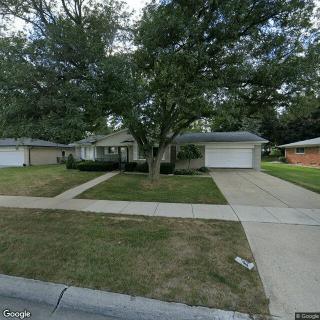
Angelic Foster Care
$2,600 to $3,380 / month6.7 miles away -
About the same

Oakmont Manor
$2,455 to $2,780 / month1.9 miles away -
from +$200 / mo
Home Helpers and Direct Link
$2,700 to $3,000 / month14.9 miles away -
from -$225 / mo
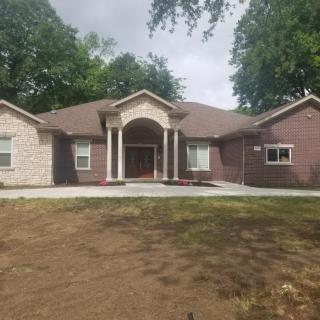
Pleasant Valley Family Care
$2,275 to $7,000 / month12.3 miles away
Overall Review of Home Sweet Home
Pros
 Ovi is super nice.
- The place is nice.
- Ovi is very caring.
Cons
 They are not able to care for their dad.
Review
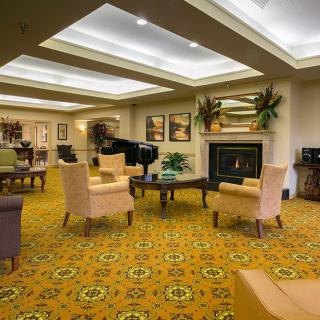
Home Sweet Home in Troy, Michigan is best suited for seniors who thrive in a small, home-like setting where staff know residents by name and daily life centers on warmth, companionship, and gentle, hands-on assistance. This community works well for individuals who are largely independent but need predictable help with activities of daily living, things like reminders for meals, transportation support, light personal care, and a reassuring, watchful presence. The environment favors social interaction and personal attention over clinical bustle. It is not a fit for someone requiring robust medical oversight, complex nursing tasks, or intensive supervision, as those needs exceed what the facility is built to provide.
Families evaluating this option should explicitly weigh acuity and care complexity. The strongest caveat is clear: for residents who depend on regular skilled interventions, memory-care supervision, or around-the-clock medical management, alternatives with higher levels of care are advisable. Prospective occupants should consider whether a transition to a setting that can sustain more demanding medical routines or structured memory care would be necessary in the near term. The reviews consistently flag that the care model here is warm and person-centered, yet it cannot substitute for the medical intensity some seniors require. That boundary should drive the decision-making process early.
The most tangible positives are the people and the atmosphere. Ovi emerges as a standout in both reviews, described as super nice, with a place that is pleasant and staff who are genuinely caring. Those human components translate into daily life that feels safe, welcoming, and respectful. The practical result is reduced loneliness, smoother routines, and a sense of being looked after by people who know each resident’s preferences. For families seeking a setting where staff attentiveness and relational warmth are the primary gain, Home Sweet Home delivers reliably. Yet these strengths do not erase the central limitation: a ceiling on medical and cognitive support that may become binding as needs evolve.
That dynamic, strong interpersonal care paired with limited clinical capacity, shapes how the pros balance against the cons. The kindness and attentiveness help prevent a rapid slide in mood or motivation, which matters a lot for overall well-being and can delay a more abrupt transition to higher-acuity care. The downside is equally real: when medical tasks or specialized supervision become necessary, the community’s ability to adapt without moving to another facility can be insufficient. In practical terms, families should view Home Sweet Home as a solid bridge option for a period of stability in a lower-acuity phase, with a clear contingency plan for escalation if health needs intensify.
From a decision-making standpoint, the right fit hinges on trajectory. If the senior’s needs are expected to remain modest, with occasional help and a preference for a familiar, personable setting, Home Sweet Home can be a prudent choice. It offers the comfort of a small team that remembers routine and preferences, which supports dignity and consistency. But if there is any likelihood that daily medical tasks, wound care, advanced mobility requirements, or progressive memory challenges will arise, this may be a setting in which a more comprehensive care environment should be considered sooner rather than later. Families ought to compare this option against nearby communities that provide dementia care programs, on-site visiting nurses, or greater staffing ratios for medical tasks.
In the end, Home Sweet Home presents a candid trade-off: a warm, attentive, home-like atmosphere that delivers human-centered care, set against a ceiling on medical and cognitive support. For families prioritizing personal connection, regular companionship, and a peaceful daily rhythm, there is clear value. For those whose loved ones require higher care intensity or continuous clinical oversight, alternatives with more robust medical infrastructure are likely to pay off in sustained safety and fewer transition risks. A practical plan is to secure a trial stay or short-term placement to assess fit, while simultaneously surveying competing options that can scale care as needs evolve. This approach ensures the decision honors current comfort without compromising future well-being.
 Board and Care Home
 Activities off-site
 Indoor common areas
 Outdoor common areas
 Private
 Respite or short term stays offered
 Wheelchair accessible showers
 Ambulatory care
 Diabetic care
 High acuity care
 Incontinence care
 Medication management
 Kosher


 Is a Geriatric Care Manager the Right Choice for Your Family?
 Compassionate Conversations: How to Comfort Someone Who Is Grieving
 Home Health Care Aides: Understanding Their Role and Supporting Your Family