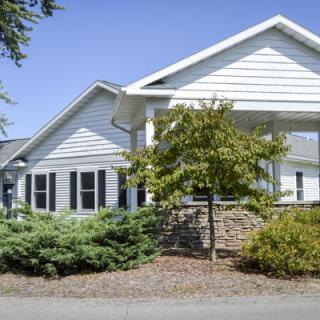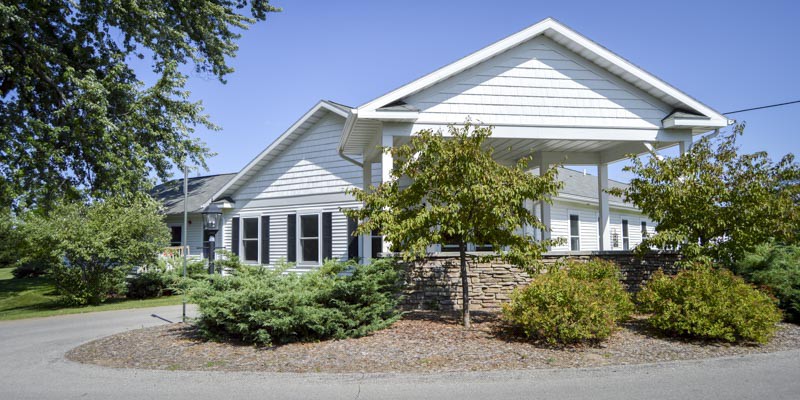
4841 North Long Lake Road, Traverse City, MI 49684
For more information about senior living options: (866) 208-4318
Overall Review of Cherry Hill Haven
Pros
 The staff at Cherry Hill Haven cared for their loved ones with compassion and patience, treating them as if they were family.
- The residents were kept safe and loved by the team.
- The staff were understanding and patient as dementia progressed, with clear and timely communication.
- The quality of care was outstanding and could not be easily improved upon.
- The home was bright and clean, and the meals were true home-cooked options.
- The team was kind, loving, and made the residents feel comfortable and happy.
Cons
 The new ownership should not be in this business.
- The highly organized and trustworthy staff have left.
- The new staff are hardworking but receive no training.
- Families will be left with someone off the street who has received absolutely no training or guidance.
- Medicine mistakes are common.
Review
Cherry Hill Haven in Traverse City is best suited for families seeking dementia-focused, compassionate care delivered in a warm, home-like setting. It excels for residents who need steady daily routines, safety, and patient, individualized attention as dementia progresses, including end-of-life phases. The strongest evidence across multiple families is the way staff treat residents as people first, loved ones are cared for with genuine warmth, patience, and familiarity. The homey atmosphere and home-cooked-style meals contribute to comfort and dignity, rather than a clinical, impersonal environment. For families prioritizing emotional support, long-tenured caregiving teams, and a lay-of-the-land where caregivers become trusted partners, this community stands out as a reliable fit.
That said, alternatives become worth considering for families with different priorities. If a more clinical or upscale setting is desired, where med programs, staffing structures, and oversight are highly standardized, others may prefer larger campuses or facilities with a more modern, polished feel. If stability and continuity of trained, consistently managed staff are non-negotiable, probing ownership history and current leadership becomes essential. Prospective residents who want highly specialized medical services on site or who anticipate rapid, frequent changes in leadership may find it prudent to evaluate additional options to ensure the level of medical oversight aligns with expectations.
The core strengths of Cherry Hill Haven offset several common concerns by delivering remarkable caregiver warmth, reliable family communications, and evident safety. Families repeatedly praise staff who listen, respond promptly, and nurture residents with the kind of devotion that helps dementia-related fear, anxiety, and confusion feel manageable. The ability to work through transitions with Hospice partners, maintain mobility, and eventually adjust to wheelchairs, consistently demonstrates that the team can adapt to shifting needs while preserving dignity. Cleanliness and a bright, lived-in feel further reinforce trust that residents are in a comfortable, supportive home.
In addition to the emotional anchors, practical benefits matter: consistent routines, transparent meals that are described as comforting and home-like, and a level of attentiveness that keeps family members reassured about daily care. The atmosphere isn’t “clinical” in tone; it’s humane, which matters greatly in dementia care where familiarity and predictable rhythms can reduce distress. The combination of compassionate listening, personalized attention, and visible caregiver advocacy creates a durable sense of security for families navigating complex care decisions. When the team is functioning at its best, the care picture is cohesive and reassuring for both residents and families.
However, a not-insignificant caveat appears in at least one review that casts doubt on stability during a recent ownership transition. Concerns about training gaps among new staff and occasional medication-management issues rightly give pause to families weighing risk. The strongest caution here is not about the current team’s compassion but about organizational continuity and the potential for staffing variability to affect compliance and precision in medication administration. This is not a universal verdict, but it is a clear signal to verify who is on site, how med administration is supervised, and what safeguards are in place during any leadership changes. Prospective families should demand concrete answers: on-site nurse coverage, med-to-dose review processes, and an up-to-date care plan that remains responsive over time.
Overall, Cherry Hill Haven delivers a compelling mix for dementia care: a home-like, caring environment with deeply valued staff relationships, strong family communication, and practical daily life stability. It shines for caregivers who want their loved ones surrounded by people who treat them like family and who can adapt to the evolving needs of dementia with tenderness and attentiveness. But for those who cannot tolerate even short periods of potential staffing disruption or who require a tightly controlled medical program with constant oversight, it is wise to compare alternatives and ask pointed questions about leadership stability, staff training pipelines, and medication governance. A thoughtful visit, interviews with the direct care team, and a clear understanding of the current leadership and med-management framework, will reveal whether Cherry Hill Haven aligns with the specific needs and risk tolerance of the family’s situation.
 16 resident community capacity
 Assisted Living
 Board and Care Home
 Memory Care
 Cable or satellite TV
 Dining room
 Fully furnished
 Garden
 Housekeeping services
 Move-in coordination
 Outdoor space
 Telephone
 Wi-Fi/high-speed internet available
 Cherry Capital (4 miles away)
 24-hour supervision
 Activities of daily living assistance
 Assistance with bathing
 Assistance with dressing
 Assistance with transfers
 Diabetes diet
 Hospice waiver
 Meal preparation and service
 Medication management
 Mental wellness program
 Special dietary restrictions
 Transportation arrangement (medical)
 Transportation to doctors appointments




 Why Do Dementia Patients Sleep So Much? Understanding Oversleeping, Stages, and Care Approaches
 8 Key Indicators That Suggest It May Be Time to Transition from Assisted Living to Skilled Nursing Care
 Nourishing the Mind: Essential Dietary Approaches for Dementia