
245 East Michigan Avenue, Three Rivers, MI 49093
For more information about senior living options: (866) 208-4318
Overall Review of Hena's Adult Foster Care Home
Pros
 The staff at Birch Meadows is phenomenal and deeply caring.
- Families feel relief knowing their loved ones are well cared for and treated with dignity.
- The care provided is attentive, compassionate, and consistently of high quality.
- Birch Meadows is described as a place of dignity, kindness, and empathy.
- The staff go above and beyond in their care for every resident.
- The facility is clean, pleasant, and the meals are consistently good.
- Birch Meadows maintains unusually favorable caregiver-to-resident ratios, enabling great care.
- The facility is widely regarded as a trusted, caring senior care option in the community.
Review
Hena's Adult Foster Care Home in Three Rivers, MI is best suited for families that want an intimate, highly personalized living arrangement where every resident is known by name and cared for with consistent warmth. This setting excels for seniors who thrive on a homelike atmosphere and for those navigating memory impairment, particularly Alzheimer’s, who benefit from steady, compassionate supervision and routine. The reviews repeatedly highlight staff who treat residents with dignity and empathy, delivering care that feels less like a shift change and more like a trusted family member overseeing daily well-being. For families who prioritize emotional safety, continuity of relationships, and a calm, respectful environment, this home stands out as a practical, reliable choice.
If the goal is a facility with expansive programming, hospital-style resources, or large-scale medical oversight, this option may not be the right fit. Families weighing alternatives should consider options that offer broader clinical staffing, more structured activity calendars, and a campus-style atmosphere with many amenities. Those needing frequent specialized medical interventions, 24/7 on-site physicians, or a highly centralized care model may find larger assisted living communities or skilled nursing facilities better aligned with medical expectations or social breadth. In short, for residents who value a tight-knit, person-centered home over footprint and volume, this option is an excellent fit; for others with different service demands, alternatives deserve careful comparison.
The core advantages are compelling and wire tightly into the decision matrix. The staff are described as phenomenal, attentive, thoughtful, and genuinely dedicated, which translates into daily care that feels compassionate and personal. The resident experience is consistently framed around dignity, respect, and empathy, even as cognitive needs evolve. Families repeatedly convey relief and confidence, noting that their loved ones appear well cared-for, content, and “thriving” in a nurturing, family-like setting. A clean, pleasant environment and good meals further reinforce the sense that this home prioritizes comfort and quality of life. In a landscape where trust and peace of mind are paramount, these advantages materially offset the trade-offs that accompany smaller, home-based care models.
Because the strongest positives are so pronounced, the decision logic here hinges on fit rather than on fault lines. For a loved one who benefits from predictable routines, close daily interaction with caregivers, and reassurance that compassion guides every decision, the advantage is clear: the care quality and emotional climate offer a unique value that large facilities often struggle to replicate. The reviews’ emphasis on consistent, respectful treatment, along with the ability to adapt to progressive need, suggests that this setting can sustain meaningful improvements in comfort and safety over time. The risk of missing out on the breadth of programming or on high-level clinical services is real in any small-home model, but the documented strengths show that the lived experience offsets those concerns for the right resident.
Decision-makers should weigh practical factors that can influence day-to-day life. Prospective families should inquire about caregiver-to-resident dynamics in practice, including how shifts are managed and how continuity is preserved when staff members are sick or on leave. Clarify memory-care training, emergency protocols, and how communication with families is handled on a regular basis. Understand meal routines, daily activities, and how the home supports mobility, hygiene, and dignity across varying levels of independence. Most importantly, request candid references and observe during a visit how staff interact with residents, as the tone and cadence of those interactions provide the strongest signal of daily quality.
The verdict is clear for families prioritizing warmth, dignity, and a deeply personal approach to elder care. This option is a standout for delivering a high-touch, compassionate experience in a small, homey environment where residents with memory challenges receive attentive, respectful care day in and day out. It is less suited for those whose expectations center on extensive medical programming, broad social activities, or a large, campus-like setting. For families who can align their expectations with a tightly knit, elder-centered home, where staff are described as loving, capable, and consistently dependable, the choice is straightforward: schedule a visit, speak with caregivers, and witness the daily rhythm that makes this setting so compelling in Three Rivers.
 6 resident community capacity
 Assisted Living
 Cable or satellite TV
 Dining room
 Fully furnished
 Garden
 Housekeeping services
 Move-in coordination
 Outdoor space
 Telephone
 Wi-Fi/high-speed internet available
 Kalamazoo County (20 miles away)
 24-hour supervision
 Activities of daily living assistance
 Assistance with bathing
 Assistance with dressing
 Assistance with transfers
 Diabetes diet
 Meal preparation and service
 Medication management
 Special dietary restrictions
 Transportation arrangement (medical)
 Transportation to doctors appointments

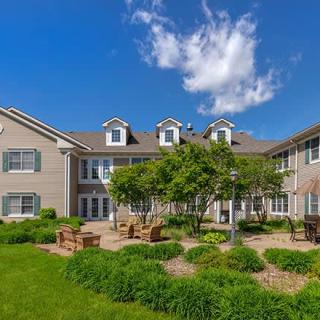
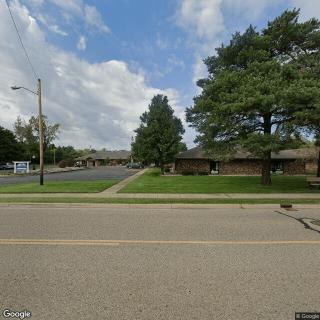
 Comprehensive Supportive Living Arrangements for Adults with Disabilities
 Funding and Affording Assisted Living: A Thorough Overview
 Assisted Living Expenses and Long-Term Care Insurance: A Comprehensive Exploration