
205 West Bennett Street, Three Rivers, MI 49093
For more information about senior living options: (866) 208-4318
Overall Review of Buli Adult Foster Care Home 2
Pros
 The staff are phenomenal and provide compassionate care.
- Residents are treated with dignity and empathy, even as Alzheimer’s progresses.
- The care is excellent and delivered with attentive, warm staff.
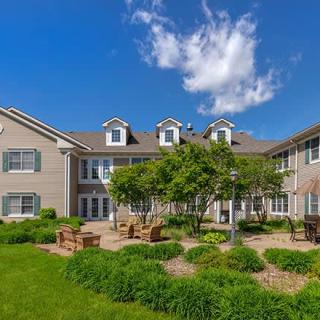
- Birch Meadows is a wonderful place with clean facilities, a pleasant environment, and good meals.
- The caregiver-to-resident ratio is outstanding, enabling thorough, attentive care.
- The staff have genuinely caring hearts and sacrifice for the residents.
- The facility and staff are top-notch and a great asset to the community.
- The care team consistently goes above and beyond for every resident.
- The atmosphere feels like a big loving family.
- Families feel confident and relieved knowing their loved ones are well cared for.
Review
Buli Adult Foster Care Home 2 is best suited for families seeking an intimate, home-like setting where seniors receive exceptional, dignity-forward care, particularly when memory challenges are part of the picture. The model emphasizes close daily interactions, individualized routines, and a calm, predictable pace over the breadth of services found in larger campuses. Residents benefit from staff who know their names, histories, and preferences, creating a sense of belonging and safety that can dramatically ease the transition from independent living to assisted support. This is the kind of community where care feels personal, not perfunctory, and where families gain confidence that their loved one is treated with consistent respect and compassion.
Those who may want to consider alternatives are families needing more intensive medical oversight or a wider array of clinical services on site. If a loved one requires frequent skilled nursing interventions, IV therapy, wound care, or around-the-clock nursing, a larger assisted living, memory-care-focused facility, or a traditional nursing home with on-site medical staff may be a better fit. Additionally, if a broader social calendar, group outings, transportation services, or specialized rehab programs are priorities, other communities designed to deliver a more extensive activity and therapy footprint could outperform a small home-like setting.
From the reviews, the standout strength is the staff. They are described as phenomenal, compassionate, attentive, and consistently respectful. Families repeatedly note the way care is delivered with dignity, even as cognitive needs evolve, and how staff seem genuinely invested in each resident’s well-being. The environment is repeatedly described as clean, pleasant, and conducive to daily comfort, with meals that meet expectations for flavor and nutrition. Taken together, these elements create a sense of trust and relief for families who want assurance that their loved one will be cared for with empathy and steadiness every day.
The core positives, exceptional staff, dignified treatment, an inviting setting, help offset the common trade-offs of a smaller home. In this model, the emphasis on relationship-based care can translate into more time per resident and fewer moments of felt impersonal attention. Families report that the warmth and consistency of caregivers translate into stability for residents, which often matters more than a long menu of campus amenities. While a small home may have fewer on-site resources or less formal programming than a larger community, the depth of personal connection and daily reliability are the compensating advantages that many families value most.
Prospective movers should verify practical details during tours: whether there is on-site nursing support for medications and routine medical tasks, how emergencies are managed after hours, and what memory-care practices are integrated into daily routines. Clarify the cadence of care plan updates, who the primary points of contact are for families, and how resident preferences are documented and honored. It is also prudent to confirm activity options, meal variety, and visiting policies to ensure alignment with expectations and loved one's interests. A clear understanding of these operational details closes gaps that can otherwise erode the perceived quality in the weeks after move-in.
In sum, Buli Adult Foster Care Home 2 delivers a compelling value for families prioritizing intimate, compassionate, dignity-centered care within a welcoming home environment. This community earns particular traction for residents who thrive on consistent routines, personalized attention, and a stable, family-like atmosphere. For those whose priorities lean toward robust clinical staffing, extensive programming, or a broad social calendar, exploring larger campuses or memory-care-focused facilities may be appropriate. When the objective is to preserve comfort, dignity, and everyday quality of life through steady, affectionate caregiving, this home stands out as a strong, practical choice, and deserves a thorough, hands-on evaluation to confirm fit.
 4 resident community capacity
 Assisted Living
 Board and Care Home
 Cable or satellite TV
 Dining room
 Fully furnished
 Garden
 Housekeeping services
 Move-in coordination
 Outdoor space
 Telephone
 Wi-Fi/high-speed internet available
 Kalamazoo County (20 miles away)
 24-hour supervision
 Activities of daily living assistance
 Assistance with bathing
 Assistance with dressing
 Assistance with transfers
 Diabetes diet
 Meal preparation and service
 Medication management
 Special dietary restrictions
 Transportation arrangement (medical)
 Transportation to doctors appointments

 8 Key Indicators That Suggest It May Be Time to Transition from Assisted Living to Skilled Nursing Care
 Vibrant Senior Living: A Comprehensive Guide for Active Older Adults
 When to Transition from Assisted Living to Memory Care: Key Indicators, Steps, and Finding the Right Community