
307 North Main Street, Three Rivers, MI 49093
For more information about senior living options: (866) 208-4318
Overall Review of Sona Adult Foster Care
Pros
 The staff are absolutely phenomenal and provide compassionate, dignified care.
 - Families are relieved knowing their loved ones are well cared for with empathy.
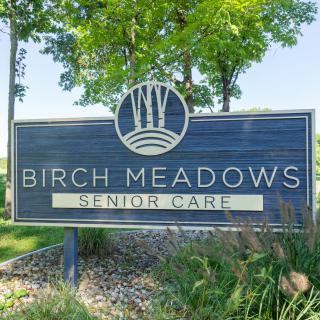
- Birch Meadows is a wonderful place of dignity and kindness.
- The staff go above and beyond in caring for every resident, helping them thrive.
- The environment is clean, pleasant, and the meals are consistently good.
- The caregiver-to-resident ratios are unusually favorable, enabling thorough, attentive care.
Review
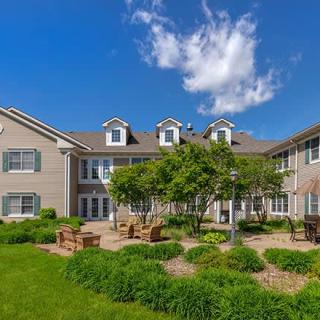
This Three Rivers community is best suited for families seeking an intimate, home‑like setting where care teams become an extension of family life and dignity is the central operating principle. It shines for residents facing memory challenges, including Alzheimer’s, where steady, compassionate, patient support matters most. The repeated feedback centers on dignity preserved, empathy in daily care, and staff who treat residents as individuals rather than tasks to be completed. For families weighing options during a difficult transition, the bottom line is this: when trust in the caregiving relationship is paramount, this environment delivers.
Those evaluating alternatives should consider whether a larger, more hospital‑style or activity‑rich campus is necessary. The reviews emphasize a profoundly personal, intimate care model rather than a broad medical or rehabilitative footprint. If a loved one requires frequent on‑site medical interventions, extensive clinical services, or a calendar filled with high‑volume programs and outings, a bigger facility with more resources may be a better fit. Similarly, for families prioritizing a wide array of structured activities and diverse amenities, a larger community could offer the variety that this setting would not typically emphasize. In short, the strongest fit is a resident whose primary need is consistent, compassionate caregiving over institutional breadth.
The strongest pros revolve around the caregiving culture. Staff are described as phenomenal, consistently kind, attentive, and capable of delivering care with genuine warmth. Families report never questioning whether their loved one is being looked after, a powerful testament to the level of trust and reliability built day after day. The environment is described as clean, pleasant, and person‑centered, with meals that meet expectations and routines that honor individual preferences. A striking point in the feedback is a caregiver ratio that feels unusually favorable for a foster‑care setting, about 1 caregiver for up to 7 residents, which enables meaningful engagement, timely responses, and careful supervision without the sense of crowding or neglect that can accompany larger facilities. Those factors together create a foundation where emotional well‑being translates into physical safety and stability.
Beyond the core caregiving, the reviews highlight a big, loving, family atmosphere. Caregivers are portrayed as going above and beyond, delivering care that feels customized rather than generic. This isn’t merely about daily tasks; it’s about sustaining identity, dignity, and personal connections even as health and cognition shift. Families note that the staff’s empathy reframes difficult days into manageable, dignified ones, which reduces the emotional toll on relatives and fosters a sense of peace about the resident’s daily life. For many families, this translates into confidence that their loved one is not only cared for but truly valued within a nurturing community.
From a practical perspective, the decision hinges on alignment of needs with what is offered. Pros with a direct impact on day‑to‑day life include reliable, compassionate caregivers, a warm, clean setting, and structured routines that support memory impairment and independence to the extent possible. Where concerns could arise, they tend to center on whether the resident’s needs require more medical oversight or richer programming than a smaller, foster‑care model typically provides. In those cases, families should verify the facility’s dementia‑specific training, the availability of medical support, and the breadth of activities and social engagement beyond basic companionship. The best fit shows clear, transparent answers to these questions from staff and administrators.
Ultimately, the choice comes down to prioritizing dignity and dependable, individualized care over breadth of services or campus scale. For families who prize a humane, respectful, almost familial care culture, this community stands out as a top option in Three Rivers. It is especially compelling for anyone seeking reassurance that a loved one will be treated with compassion as memory challenges progress, with staff who readily earn trust and repeatedly demonstrate that care is about preserving personhood. Those who require higher medical acuity, more extensive clinical resources, or a broader menu of amenities may wish to explore alternatives, but the decisive factor remains clear: this setting delivers a level of empathetic, steady care that makes a difficult transition more bearable and safer for residents and their families.
 6 resident community capacity
 Assisted Living
 Cable or satellite TV
 Dining room
 Fully furnished
 Garden
 Housekeeping services
 Move-in coordination
 Outdoor space
 Telephone
 Wi-Fi/high-speed internet available
 Kalamazoo County (20 miles away)
 24-hour supervision
 Activities of daily living assistance
 Assistance with bathing
 Assistance with dressing
 Assistance with transfers
 Diabetes diet
 Meal preparation and service
 Medication management
 Special dietary restrictions
 Transportation arrangement (medical)
 Transportation to doctors appointments

 Vibrant Senior Living: A Comprehensive Guide for Active Older Adults
 When to Transition from Assisted Living to Memory Care: Key Indicators, Steps, and Finding the Right Community
 Assisted Living and Memory Care: Understanding Their Core Differences