
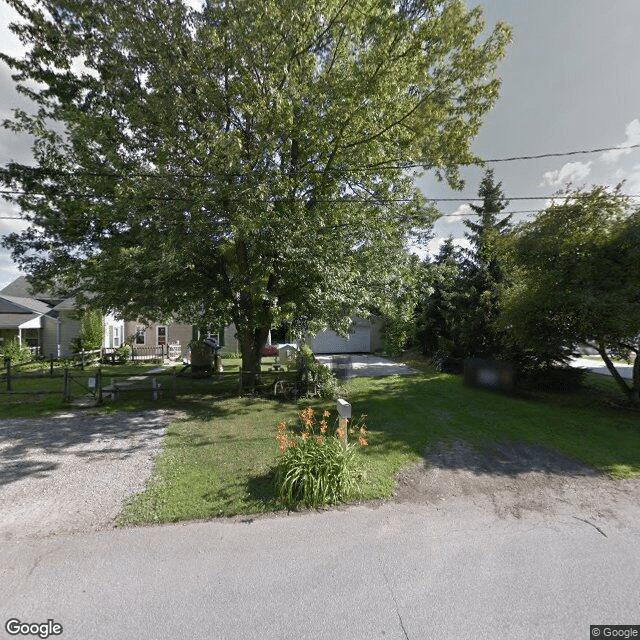
1309 Southwestern Drive, Tecumseh, MI 49286
For more information about senior living options: (866) 208-4318
Overall Review of Tecumseh Place II
Pros
 Tecumseh Place has competently cared for a grandmother for 21 months.
 - Geoff Byron and Carol Belanger were kind, patient, and unhurried as they listened to concerns.
- They have the best interests of the patients at heart, combining competence with compassion.
- Nicole Wingenfeld is amazing, kind, caring, and compassionate, and her staff reflect those qualities.
- Nicole and her Careline Hospice team were an absolute team, providing excellent care and making the family feel welcome and comfortable.
- Executive Director Nicole is warm and welcoming, and she cares about her staff and residents.
Cons
 The experience was described as horrible and left the family terrified to go to any facility afterward.
- They advised that if you care about family, you should get them out of there.
- They stated that the facility needs to be shut down.
Review
Tecumseh Place II is best suited for families seeking a small-community atmosphere with hands-on, approachable leadership and care that feels personal. This community tends to reward residents who benefit from attentive, unhurried conversations with administrators and a staff culture that strives to mirror that warmth in daily care. The presence of a responsive leadership team, whether referred to as Geoff and Carol or Nicole in the latest management arrangement, signals that families can expect real-time discussion of concerns and a willingness to adjust care plans. It is a good fit for seniors who require assistance with daily activities and appreciate a facility where leadership is accessible and genuinely invested in the residents’ well-being.
Those who may want to consider alternatives include families with a high priority on rock-solid safety culture and consistent care quality, or those seeking strong, stand-alone memory-care capabilities. The most troubling feedback centers on experiences described as frightening and unacceptable, with calls to shut the place down. While these appear as outliers to some families, they cannot be dismissed, especially when safeguarding a loved one against neglect or a harmful environment. For residents with significant cognitive or behavioral needs, or for families who require proof of stable staffing and robust incident oversight, exploring other options with clearer, more consistent track records is prudent.
The core strengths here, compassionate leadership, open communication, and demonstrated competence in care, do partially offset the most serious concerns. Reviewers highlight administrators who invest time, listen patiently, and address worries without rushing families. The staff’s reflection of strong leadership and the fact that care for a relative extended over 21 months suggest a capacity for steady, ongoing caregiving when conditions are favorable. When management is warm and present, residents benefit from a sense of continuity and trust, which can translate into more personalized attention and fewer care gaps. These are meaningful advantages in this setting.
Where the balance tips away from confidence is in the evident variability of experiences. Positive reports emphasize individualized attention and meaningful engagement, including attentive handling of memory-related needs and, in one case, the involvement of hospice care that supported family members at a difficult time. Conversely, the negative accounts convey a fear-based view of the environment, implying that lapses in safety or quality of care can occur. Families must weigh the likelihood of positive, attentive care against the risk that some days may fall short. This is not a facility where minor issues can be ignored; they can escalate quickly in a vulnerable population.
Practical due diligence is essential before making a move. Prospective residents should insist on an up-to-date, in-person tour with direct caregivers, and request a candid discussion about staffing levels, turnover, and the facility’s protocol for addressing complaints. Ask for the latest state inspection results, incident logs, and any corrective action plans. Seek introductions to current residents or families who can share recent experiences, and probe specifically about memory-care capabilities if needed. Clarify what “new management” means in terms of daily operations, caregiver training, and consistency of leadership presence on site.
In the end, Tecumseh Place II offers a compelling option for families who prize personable leadership and the possibility of highly attentive, compassionate care within a small-community framework. It is a reasonable choice for those willing to invest time in due diligence and to weigh the potential for positive experiences against the specter of past criticisms. For families whose top priorities are unwavering safety culture, predictable day-to-day quality, and specialized memory-care rigor, alternatives should be explored with urgency. The decision should hinge on current, first-hand experiences during tours and conversations with staff, residents, and the new management team.
 20 resident community capacity
 Assisted Living
 Board and Care Home
 Memory Care
 Respite Care
 Activities on-site
 Beauty salon
 Cable or satellite TV
 Devotional services off-site
 Dining room
 Fully furnished
 Garden
 Housekeeping services
 Indoor common areas
 Kitchenette
 Move-in coordination
 Outdoor space
 Telephone
 Wi-Fi/high-speed internet available
 24-hour call system
 Ambulatory care
 Assistance with bathing
 Assistance with dressing
 Assistance with transfers
 Diabetes diet
 Diabetic care
 Hospice waiver
 Meal preparation and service
 Medication management
 Mental wellness program
 Special dietary restrictions
 Transportation arrangement (medical)
 Transportation to doctors appointments







 A Detailed Exploration of Assisted Living Medicaid Waivers Across the United States
 Exploring the Contrasts Between Assisted Living and Skilled Nursing
 Vibrant Senior Living: A Comprehensive Guide for Active Older Adults