Evangelical Home - Saline

Save

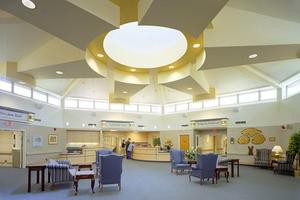
  • Interior

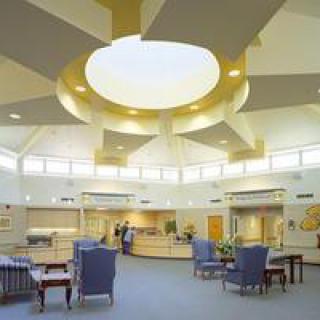
    A modern lobby interior with comfortable seating and a central skylight.
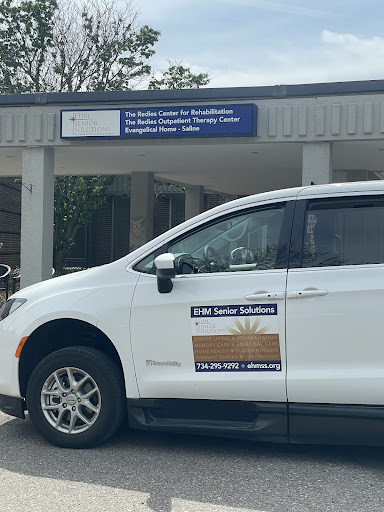
  • Decor

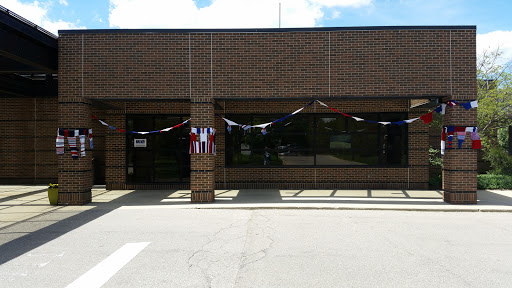
    A storefront decorated with banners, showcasing a brick facade under a clear sky.
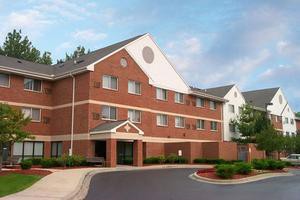
  • Building

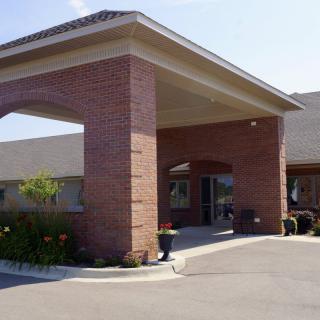
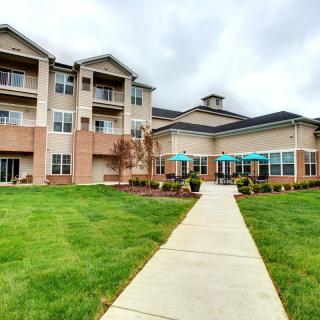
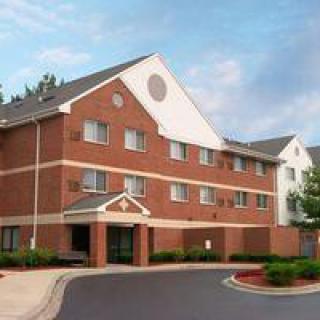
    A brick hotel building with multiple windows and a small entrance, surrounded by landscaping.
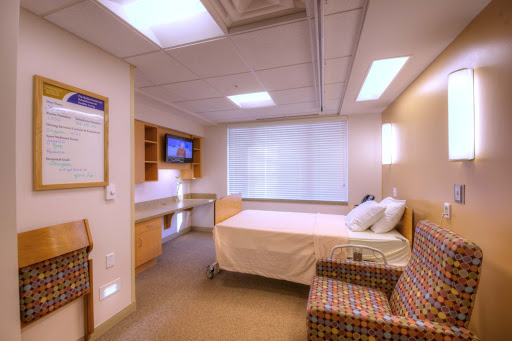
  • Bedroom

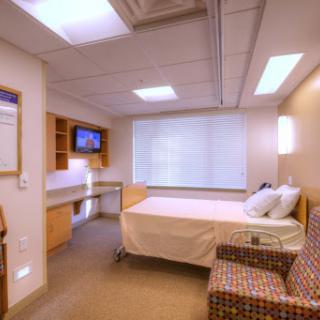
    A modern and clean hospital patient room, equipped with essential furnishings and natural light.
  • Trees

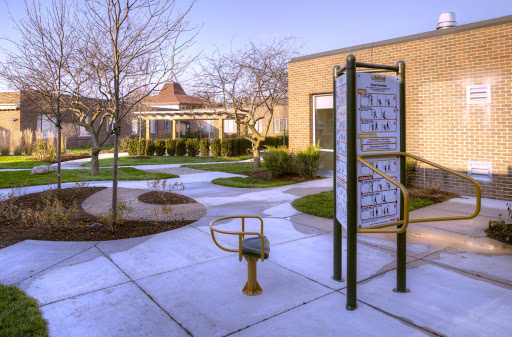
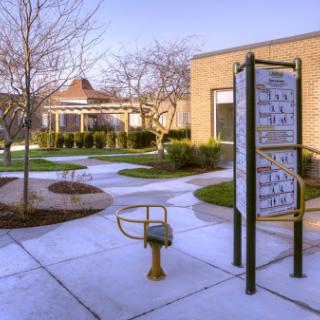
    A serene park area with a pathway, a bench, and informational signage surrounded by trees.
  • Landscaping

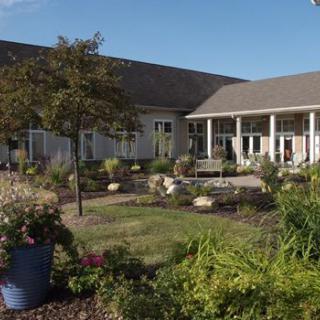
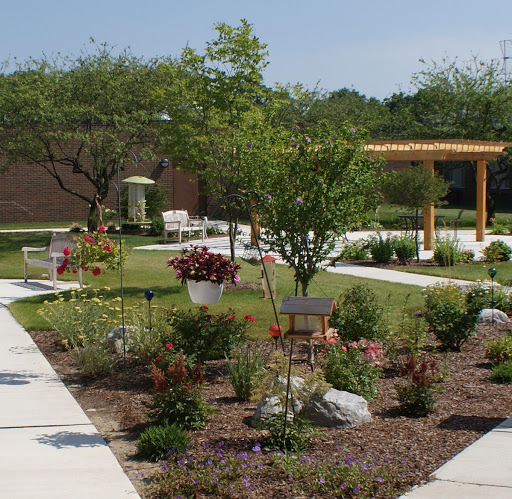
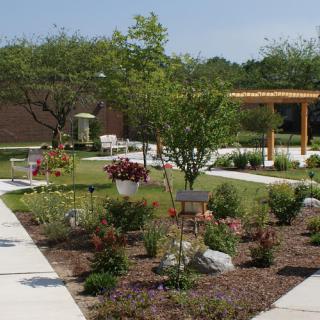
    A serene outdoor garden space featuring neatly arranged plants, pathways, and seating areas.
  • Outdoor

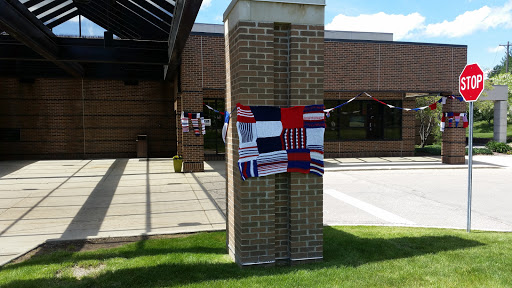
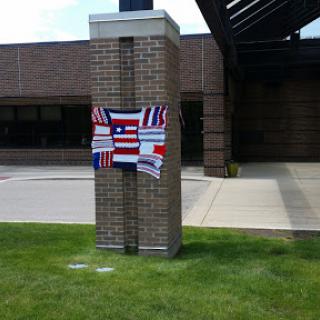
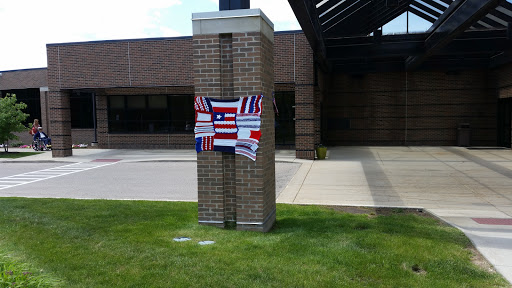
    A decorative display featuring multiple flags on a pillar outside a building.
  • Rehabilitation

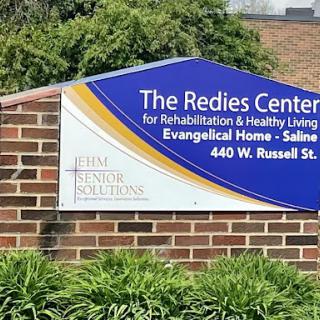
    The Redies Center for Rehabilitation & Healthy Living located at 440 W. Russell St.
  • Indoor Pool

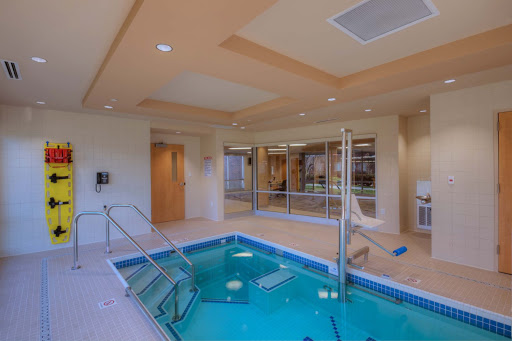
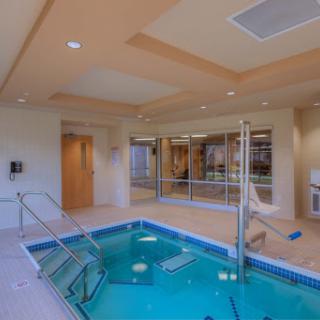
    A serene indoor pool area designed for relaxation and wellness.

Evangelical Home - Saline

Information last verified:

440 West Russell, Saline, MI 48176

For more information about senior living options: (844) 490-3973

4 from 15 reviews
5 stars
10
4 stars
1
3 stars
1
2 stars
0
1 stars
3

Overall Review of Evangelical Home - Saline

Pros

  • pro Care Connect helped a loved one recover to health and move out of Hospice.
  • pro The services are good and the price is excellent.
  • pro Evangelical Home’s rehab services (PT, OT, and speech therapy) are excellent, and the staff are wonderful.
  • pro The staff and administration at Evangelical Home are caring, friendly, and attentive, making the experience pleasant.
  • pro Memory care residents at Evangelical Home appear happy and well taken care of, and the facility is clean.
  • pro The facility is clean, the rooms are comfortable, and the food is good.

Cons

  • pro The nursing staff were described as horrible and the laziest group of nurses ever seen, with a clear warning not to send a loved one there.
  • pro The staff were overworked, uncaring, and cranky, with management perceived as nonexistent and complaints ignored.
  • pro Staff turnover was high and the level of care was labeled as poor at best.
  • pro The facility's main concern seemed to be money and insurance rather than patient care.
  • pro The food was described as not very good.
  • pro The follow-through among staff was difficult, and communication between different staff members needed improvement.

Review

Evangelical Home - Saline is best suited for seniors who need post-acute rehabilitation and memory-care options within a campus-style setting. The Redies Center provides physical therapy, occupational therapy, and speech therapy that consistently earns praise, with families noting real improvements after surgeries or strokes. The community also appeals to those who value a warm, faith-affiliated environment and a long-standing presence in Saline. For memory care, programming is active and residents seem engaged, and rooms are generally described as clean and comfortable. The size matters: this is a large campus with extensive resources, which supports robust programming but can make personal connections harder to achieve on every shift. For rehab-focused goals and social engagement, the setting fits well.

But this community may not be ideal for everyone. Several reviewers warn about inconsistent bedside care: nursing staff described as overworked, with instances of crankiness and limited follow-through. Management’s responsiveness is questioned, and turnover appears high, amplifying the risk of fragmented communication. The sheer scale, hundreds of residents, can dilute individualized attention and complicate care coordination. Medicaid access is a practical consideration in some cases, which may affect long-term admission. Families seeking a consistently cohesive caregiving team, with predictable daily communication and highly reliable bedside nursing, may prefer alternatives that offer more intimate or tightly run environments.

On the upside, rehabilitation outcomes are a consistent bright spot. Families report meaningful gains in strength, balance, and independence after PT, OT, and speech therapy, and some residents transition to ongoing outpatient plans with solid momentum. The staff who do show up as dedicated, nurses, aides, and office personnel, are frequently praised for kindness and attentiveness, especially during rehab stays. The environment’s warmth and cleanliness, plus engaging memory-care activities, contribute to a sense that this campus can support both recovery and daily life with dignity. While food quality is variably described, the overall value is recognized, and the facility’s scale enables extensive programming that small centers may lack.

These strengths do not erase the core drawbacks. The same therapy teams and compassionate frontline staff can be unevenly distributed, producing gaps in continuity of care. Departmental communication can lag, and follow-through on care plans may falter under heavy patient volumes. Critics suggest the administration leans toward financial considerations at times, which clouds perceptions of patient-centered care. The result is a blended experience: strong rehab and friendly staff in some moments, but inconsistent bedside care and navigation challenges on others. Families must weigh whether the potential for rehab gains outweighs the risk of fluctuating daily reliability, especially when long-term needs extend beyond the initial post-acute stay.

A practical decision approach is essential. Schedule back-to-back tours and request conversations with the rehab director and the day-to-day charge nurses. Observe a typical day in both rehab and memory-care wings, and ask about shift staffing ratios, care-plan communication, and how changes are relayed to families. If Medicaid eligibility is a factor, clarify admission pathways and ongoing coverage. For loved ones who thrive on structured activity, the memory-care program offers meaningful engagement, and positive reports about improvements can be persuasive. Ensure discharge planning and continuity of therapy post-hospital is addressed, so gains aren’t lost after leaving the facility.

Overall, Evangelical Home - Saline is a capable choice for rehab-driven care with solid memory-care options and a comforting environment. The strongest case rests on rehabilitative outcomes, staff kindness in many interactions, and clean, well-maintained facilities. The principal caveat lies in inconsistent bedside nursing and occasional communication bottlenecks. If a long-term placement is anticipated, the decision should hinge on whether reliable daily care can be maintained alongside rehab progress. For families weighing options, consider alternatives that offer smaller scale operations, steadier staffing, or more predictable daily routines. When aligned with a loved one’s rehab goals and tolerance for the campus scale, Evangelical Home - Saline can deliver meaningful recovery and peace of mind.

Features

Housing

  • 215 resident community capacity 215 resident community capacity

Types of Care

  • Skilled Nursing Facility Skilled Nursing FacilitySkilled Nursing Facilities are crucial for seniors as they provide round-the-clock medical care, rehabilitation services, and assistance with daily activities. These facilities ensure that seniors receive the specialized care they need to maintain their health and well-being as they age.

Amenities

  • Air-conditioning Air-conditioningAir conditioning is important for seniors as they are more vulnerable to heat-related illnesses and may have underlying health conditions that make it difficult for them to regulate their body temperature. It helps to keep them comfortable, safe, and healthy in hot weather.
  • Beauty salon Beauty salonBeauty salons are important for seniors because they provide a space for them to feel pampered, socialize, and maintain their personal grooming and hygiene. Regular visits to a beauty salon can help boost seniors' self-esteem and overall well-being.
  • Cable or satellite TV Cable or satellite TVCable or satellite TV is important for seniors because it provides entertainment, news, and companionship, helping to combat loneliness and boredom. It also offers a wide range of programming options tailored to different interests and preferences.
  • Computer center Computer centerA computer center is essential for seniors as it provides access to technology, communication tools, and resources that can enhance their daily lives. It allows them to stay connected with loved ones, engage in online activities, and learn new skills, ultimately promoting socialization and mental stimulation.
  • Dining room Dining roomDining rooms are important for seniors as they provide a space for socialization, connection, and nutritious meals. They offer opportunities for residents to bond over shared meals, foster a sense of community, and promote healthy eating habits. Dining rooms also ensure that seniors have access to well-balanced meals tailored to their dietary needs and preferences.
  • Fitness room Fitness roomHaving a fitness room in a senior living community is essential for seniors to stay active, maintain their physical health, and improve their overall well-being. Regular exercise can help prevent falls, reduce the risk of chronic diseases, and promote mental sharpness. It also provides social opportunities for residents to connect with others and enjoy a sense of community.
  • Fully furnished Fully furnishedFully furnished senior living communities are important for seniors because they provide convenience, comfort, and a hassle-free moving experience. Seniors can easily settle into their new living space without the stress of having to buy and move furniture. This allows them to focus on enjoying their new home and community.
  • Gaming room Gaming roomGaming rooms are important for seniors as they provide a fun and engaging environment for socializing, cognitive stimulation, and physical activity. Games can improve memory, problem-solving skills, and overall mental well-being while fostering friendships and reducing feelings of isolation.
  • Garden GardenGardens are important for seniors as they provide a peaceful and therapeutic environment for relaxation, physical activity, and socialization. Being in nature has been shown to reduce stress, improve mood, and promote overall well-being. Gardens also offer opportunities for seniors to engage in gardening activities, which can improve mobility, flexibility, and cognitive function. Additionally, gardens create a sense of community and connection with others who share a passion for plants and outdoor spaces.
  • Housekeeping services Housekeeping servicesHousekeeping services are important for seniors because they help maintain a clean and safe living environment, promote independence, and reduce the risk of accidents or illnesses. Additionally, having assistance with household chores can alleviate physical strain and allow seniors to focus on other aspects of their well-being.
  • Kitchenette KitchenetteKitchenettes are important for seniors living in senior living communities because they provide the convenience and independence of being able to prepare simple meals and snacks in the comfort of their own living space. This can help promote a sense of autonomy and well-being for seniors, allowing them to maintain some level of control over their dietary choices and daily routines.
  • Move-in coordination Move-in coordinationMove-in coordination is important for seniors because it helps ease the transition into their new living environment. It ensures that all logistics, such as packing, organizing movers, and setting up utilities are taken care of, allowing seniors to focus on settling in and adjusting to their new home. Having a smooth move-in process can alleviate stress and anxiety, making the transition smoother and more enjoyable for seniors.
  • Outdoor space Outdoor spaceOutdoor spaces are important for seniors as they provide opportunities for physical activity, social interaction, exposure to natural light and fresh air, and a sense of connection to nature. Having access to outdoor spaces can improve overall well-being and quality of life for older adults living in senior communities.
  • Private bathrooms Private bathroomsPrivate bathrooms are important for seniors in senior living communities because they provide independence, dignity, and comfort. Having a private bathroom allows seniors to maintain their personal hygiene routines without the need for assistance, promoting a sense of autonomy and privacy. Additionally, private bathrooms help prevent the spread of infections and provide a safe and clean environment for seniors to navigate safely.
  • Restaurant-style dining Restaurant-style diningRestaurant-style dining is important for seniors because it allows them to enjoy delicious, nutritious meals in a social and upscale setting. This enhances their dining experience, promotes healthy eating habits, and fosters socialization with fellow residents, ultimately contributing to their overall well-being and quality of life.
  • Small library Small librarySmall libraries are important for seniors as they provide access to a variety of reading materials, including books, newspapers, and magazines. This can help stimulate their minds, keep them engaged, and provide a sense of community through book clubs and other social activities. Additionally, reading has been shown to improve cognitive function and overall mental well-being in older adults.
  • Telephone TelephoneTelephones are important for seniors as they provide a lifeline for communication with loved ones, emergency services, and healthcare providers. They offer a sense of security and independence, enabling seniors to stay connected and access assistance when needed.
  • Wellness center Wellness centerWellness centers are important for seniors because they offer a variety of programs and services that promote physical, mental, and emotional well-being. These centers provide opportunities for exercise, socialization, education, and relaxation, helping seniors maintain their overall health and quality of life.
  • Wi-Fi/high-speed internet available Wi-Fi/high-speed internet availableWi-Fi/high-speed internet is important for seniors to stay connected with loved ones, access online resources, and participate in virtual activities to combat feelings of loneliness and isolation. It also allows them to easily manage healthcare needs, access entertainment, and engage in lifelong learning opportunities.

Transportation

  • Detroit Metropolitan-Wayne County (23 miles away) Detroit Metropolitan-Wayne County (23 miles away)
  • Community operated transportation Community operated transportationCommunity operated transportation is crucial for seniors as it provides them with the means to access essential services, social activities, and medical appointments. It allows seniors to maintain their independence and quality of life by ensuring they can participate in activities outside of their homes. Additionally, community-operated transportation services offer a safe and reliable way for seniors to travel without having to rely on family or friends for assistance.
  • Transportation arrangement Transportation arrangementTransportation arrangements are crucial for seniors as they may face challenges with driving, mobility, or access to public transportation. Having reliable transportation services ensures that seniors can easily attend appointments, social activities, and maintain their independence and quality of life.
  • Transportation arrangement (non-medical) Transportation arrangement (non-medical)Transportation arrangements are essential for seniors as they provide access to essential services, activities, and social interactions outside the home. This service helps maintain independence, mobility, and overall well-being for seniors who may have limited transportation options.
  • Transportation to doctors appointments Transportation to doctors appointmentsTransportation to doctors appointments is crucial for seniors as it ensures they have access to necessary medical care and support, promoting their health and well-being. It allows them to receive timely treatment, monitor existing conditions, and address any new health concerns efficiently. Additionally, transportation services can help seniors maintain their independence and quality of life by enabling them to stay connected with their healthcare providers.

Care Services

  • 12-16 hour nursing 12-16 hour nursing12-16 hour nursing care is crucial for seniors in order to ensure around-the-clock monitoring, timely medication administration, and prompt response to any health concerns or emergencies. This level of care helps to promote the overall well-being and safety of seniors living in senior living communities.
  • 24-hour call system 24-hour call system24-hour call systems are important for seniors because they provide peace of mind and immediate assistance in case of emergencies. This technology ensures that help is always available, promoting safety and security for elderly individuals living alone or in assisted living facilities.
  • 24-hour supervision 24-hour supervision24-hour supervision is important for seniors to ensure their safety, well-being, and access to immediate assistance in case of emergencies or health issues. This constant support provides peace of mind for both seniors and their loved ones, allowing them to age in place with dignity and security.
  • Activities of daily living assistance Activities of daily living assistanceActivities of daily living assistance are important for seniors because they provide essential support with tasks such as eating, bathing, dressing, and mobility. This assistance helps seniors maintain their independence, dignity, and overall quality of life as they age.
  • Assistance with bathing Assistance with bathingAssistance with bathing is crucial for seniors as it helps maintain personal hygiene, prevents infections, and ensures their overall well-being and comfort. It also provides a sense of dignity and independence for seniors who may struggle with this task on their own.
  • Assistance with dressing Assistance with dressingAssistance with dressing is important for seniors because it helps maintain their independence, promotes personal hygiene, prevents accidents and injuries, and improves overall quality of life. This service ensures that seniors can continue to dress comfortably and confidently, despite any physical limitations they may have.
  • Assistance with transfers Assistance with transfersAssistance with transfers is crucial for seniors as it helps prevent falls and injuries, maintains their independence, and ensures they can safely navigate their living environment. It also provides peace of mind for both seniors and their loved ones.
  • Diabetes diet Diabetes dietA diabetes diet is crucial for seniors as it helps manage blood sugar levels, reduce risks of complications, and improve overall health and well-being. By following a balanced and nutritious diet tailored to their specific needs, seniors can better control their diabetes and enhance their quality of life.
  • Meal preparation and service Meal preparation and serviceMeal preparation and service are crucial for seniors as they may have limited mobility or energy to cook nutritious meals. Having access to healthy and convenient food options can ensure they are getting the proper nutrition needed to maintain their overall health and well-being.
  • Medication management Medication managementMedication management is crucial for seniors to ensure they are taking the right medications at the correct dosages and times. This helps prevent adverse drug interactions, reduces the risk of medication errors, and promotes overall health and well-being. Proactive management also allows for adjustments as needed based on changing health conditions or new prescriptions.
  • Mental wellness program Mental wellness programMental wellness programs are essential for seniors as they promote cognitive stimulation, emotional support, and social engagement. These programs help prevent isolation, depression, and cognitive decline, ultimately enhancing the overall quality of life for older adults.
  • Special dietary restrictions Special dietary restrictionsSpecial dietary restrictions are important for seniors because age-related changes in metabolism and health conditions can make it difficult for their bodies to process certain foods. By following a diet tailored to their specific needs, seniors can maintain their overall health and well-being, manage chronic conditions, and reduce the risk of complications such as malnutrition or food interactions with medications.

Dining

  • Diabetes diet Diabetes dietA diabetes diet is crucial for seniors as it helps manage blood sugar levels, reduce risks of complications, and improve overall health and well-being. By following a balanced and nutritious diet tailored to their specific needs, seniors can better control their diabetes and enhance their quality of life.
  • Special dietary restrictions Special dietary restrictionsSpecial dietary restrictions are important for seniors because age-related changes in metabolism and health conditions can make it difficult for their bodies to process certain foods. By following a diet tailored to their specific needs, seniors can maintain their overall health and well-being, manage chronic conditions, and reduce the risk of complications such as malnutrition or food interactions with medications.

Activities

  • Community-sponsored activities Community-sponsored activitiesCommunity-sponsored activities are important for seniors as they provide opportunities for social interaction, mental stimulation, and physical activity. These activities can help improve overall well-being, combat loneliness and isolation, and promote a sense of belonging and purpose among older adults.
  • Concierge services Concierge servicesConcierge services are essential for seniors as they provide assistance with daily tasks and errands, enhance their quality of life by offering convenience and personalized care, and promote a sense of safety and security.
  • Fitness programs Fitness programsFitness programs are crucial for seniors as they help improve strength, flexibility, balance, and overall well-being. Staying active can reduce the risk of chronic diseases, improve mental health, and enhance quality of life in older adults.
  • Planned day trips Planned day tripsPlanned day trips are important for seniors because they offer opportunities for socialization, mental stimulation, and physical activity. They provide a change of scenery and help seniors stay engaged and connected to their community, promoting overall well-being and quality of life.
  • Resident-run activities Resident-run activitiesResident-run activities are important for seniors as they encourage social interaction, creativity, and a sense of autonomy. These activities empower seniors to stay engaged and active in their community while fostering meaningful connections with their peers.
  • Scheduled daily activities Scheduled daily activitiesScheduled daily activities are important for seniors because they provide structure, socialization, mental stimulation, and physical activity. Engaging in regular activities can improve overall well-being and quality of life for seniors living in a community setting.

Description

Evangelical Home - Saline in Saline, MI is an assisted living community that offers a wide range of amenities and care services to its residents. The community is equipped with a beauty salon, cable or satellite TV, a computer center, and a gaming room for the entertainment and relaxation of the residents. There is also a fitness room and a wellness center available for those who wish to stay active and maintain their health.

The dining experience at Evangelical Home - Saline is restaurant-style, ensuring that residents enjoy delicious meals prepared by professional chefs. Special dietary restrictions are accommodated to meet the unique needs and preferences of each individual. In addition to meals, there are two nearby cafes and six restaurants for residents to explore if they wish.

Residents can enjoy outdoor spaces such as gardens and utilize the community-operated transportation service for non-medical purposes or transportation arrangements for doctors' appointments. Move-in coordination is provided to assist with a smooth transition into the community.

For care services, 24-hour call systems and supervision ensure the safety and security of residents at all times. Assistance with activities of daily living such as bathing, dressing, and transfers is available whenever needed. Medication management is provided to ensure that residents take their medications correctly. Special attention is given to mental wellness through various programs designed to promote emotional well-being.

Evangelical Home - Saline also offers a range of activities for residents to engage in. These include fitness programs, planned day trips, resident-run activities, and scheduled daily activities organized by the staff. Additionally, there are nearby parks, pharmacies, physicians' offices, theaters, and hospitals for easy access to various services outside of the community.

Overall, Evangelical Home - Saline provides personalized care and ample amenities in a comfortable environment where seniors can lead fulfilling lives while receiving the support they need.

Nearby Places of Interest

Pharmacies

  • Saint Joseph Mercy Pharmacy (0.1 miles)
  • CVS Pharmacy (1 miles)
  • Costco Store (5 miles)
  • Walmart Pharmacy (5.1 miles)
  • Meijer Pharmacy (5.1 miles)
  • Meijer Pharmacy (5.2 miles)
  • CVS Pharmacy (5.4 miles)

Physicians

  • Community Orthopedic Surgery PC (0.1 miles)
  • Fred M Hankin MD (0.1 miles)
  • Clinton Foot & Ankle Clinic, PC (0.2 miles)
  • Ann Arbor Saline Dental Center (0.4 miles)
  • University of Michigan Health: Castillo Jennifer E MD (1.4 miles)
  • Advance Urgent Care (1.8 miles)
  • Center For Family Psychiatry (2 miles)

Parks

  • Mill Pond Park (0.2 miles)
  • South Maple Park (7.2 miles)
  • Saginaw Forest (7.2 miles)
  • Fritz Park (7.2 miles)
  • Allmendinger Park (7.3 miles)
  • Burr Oak Park (7.5 miles)
  • County Farm Park (7.6 miles)

Restaurants

  • Dan's Downtown Tavern (0.5 miles)
  • Cancun Mexican Grill (1 miles)
  • Taco Bell (1.1 miles)
  • McDonald's (1.3 miles)
  • Wendy's (1.4 miles)
  • Mi Zarape Mexican Restaurant (3 miles)
  • Burger King (5.2 miles)

Cafes

  • Tim Hortons (1.1 miles)
  • Biggby Coffee (3.2 miles)
  • Zingerman's Coffee Company (5 miles)
  • Starbucks (5.3 miles)
  • RoosRoast Coffee (6.8 miles)
  • Drip House Coffee Co. (7 miles)
  • Jefferson Market (7.7 miles)

Theaters

  • Emagine Saline (1.8 miles)
  • Ann Arbor 20 + Imax (7 miles)

Hospitals

  • Biotronic International (3.9 miles)
  • Serenity Home Care & Rehab Services (6.7 miles)
  • Affiliated Podiatrists PC (8 miles)

Transportation

  • U-Haul Moving & Storage (5.4 miles)

Places of Worship

  • Grace Ann Arbor Church (6.2 miles)
  • Church of the Good Shepherd (7.1 miles)
  • St Paul Lutheran Church (8 miles)

Frequently Asked Questions

Where is Evangelical Home - Saline?
What photos are available for Evangelical Home - Saline in Saline, Michigan?

Nearby Communities

  • Memory Support Center at Brecon Village 1

    Memory Support Center at Brecon Village 1

    Saline, MI

    4.3 from 6 reviews
     

    pro Specialized memory care with 24-hour supervision and a range of on-site amenities.

  • Memory Support Center at Brecon Village 2

    Memory Support Center at Brecon Village 2

    Saline, MI

    4 from 4 reviews
     

    pro Comprehensive care and amenities in a fully furnished setting (24/7 supervision, ADL support, meals, transportation, activities).

  • Memory Support Center at Brecon Village 3

    Memory Support Center at Brecon Village 3

    Saline, MI

    4 from 4 reviews
     

    pro Comprehensive memory-care in a peaceful, amenity-rich setting.

  • Brecon Village

    Brecon Village

    Saline, MI

    4.6 from 42 reviews
    $3,730 to $4,840 / month

  • Linden Square Assisted Living

    Linden Square Assisted Living

    Saline, MI

    4 from 104 reviews
     

    pro Clean, well-kept facility with friendly staff and engaging activities.

  • Ester Guest Home

    Ester Guest Home

    Saline, MI

    4.1 from 11 reviews
    $4,500 / month

    pro Home-like setting with attentive staff and excellent dining.

  • StoryPoint Saline

    StoryPoint Saline

    Saline, MI

    4.7 from 242 reviews
    $3,484 to $5,575 / month

    pro Compassionate staff, engaging activities, and high-quality dining create a warm, home-like community.

  • Brookhaven Manor

    Brookhaven Manor

    Ann Arbor, MI

    4.6 from 65 reviews
    $2,900 to $4,100 / month

    pro Strong sense of community with friendly staff, engaging activities, and convenient access to downtown Ann Arbor.

  • Balfour Ann Arbor

    Balfour Ann Arbor

    Ann Arbor, MI

    4.6 from 108 reviews
    $4,500 to $7,400 / month

    pro Caring staff, excellent dining, and strong amenities.

Related Resources

  • how much does private home care cost per hourIn-Home Care Costs in 2025: A Detailed State-by-State Exploration

    In-home care is increasingly sought after by older adults for maintaining independence, with average private home care rates in 2025 varying by state and service type, reflecting geographical and local labor market influences. As demand rises, families are considering funding options like Medicaid waivers and long-term care insurance to manage costs effectively while ensuring quality care.

  • what is home health careUnderstanding Home Health Care: A Comprehensive Guide

    Home health care has become essential for supporting independence among the aging population, offering diverse services such as skilled nursing and rehabilitation in familiar environments, while also incorporating technology for personalized care. Despite its benefits, including improved recovery rates and emotional well-being, challenges like safety, staff availability, and insurance navigation must be managed for effective implementation.

  • what is home health careHome Health Care Demystified: A Comprehensive Guide for Families and Caregivers
    Home health care offers a range of clinical services provided in a patient's home, including nursing and therapy, tailored to individual needs, particularly for aging seniors with chronic conditions. This approach enhances patient independence, promotes better disease management, and utilizes technology for real-time monitoring while fostering collaboration among healthcare providers and family members.