
1301 Cato Ln, Sturgis, MI 49091
To contact a resident: (616) 659-4135
For more information about senior living options: (866) 208-4318
Overall Review of Fawn River Retirement Apts
Pros
 The manager Lynn is awesome and always willing to help.
 - It is a great place to live.
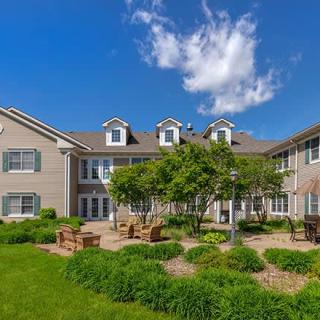
- The grounds and building maintenance are well kept.
- It provides easy, dependable access to public transportation.
- The community is secure and well lit, with many amenities nearby.
- The people are friendly and caring.
Cons
 The manager is described as two-faced.
- The place isn’t a very good place to rent because the manager would stab tenants in the back.
- There are too many nosy people in the community.
- There is no 24/7 maintenance, and contacting the office manager is difficult.
- Eviction notices are given for trivial reasons and often lack explanations.
- The community is described as very discriminatory, judgmental, and rude.
- Sidewalks are not accessible for mobility aids in winter due to poor shoveling and de-icing.
- The area is dirty and unsafe for kids, with drug activity and police presence.
Review
Fawn River Retirement Apts in Sturgis, Michigan is best suited for seniors and disabled adults who want a secure, manageable, and relatively affordable living option with easy access to downtown services. The community sits in a walkable, urbanized setting and features well-kept grounds and building upkeep, plus convenient proximity to public transportation and a cluster of shops, restaurants, and banking. For residents who prize a straightforward, semi-independent lifestyle with ongoing on-site care and security, this property offers a practical home base. It is not a luxury campus or a pristine, quiet retreat; it operates with a pragmatic, middle-ground approach that serves routine daily needs but can expose tensions under strain.
Those who should consider alternatives are residents who demand consistent, round-the-clock maintenance support, a uniformly respectful and discreet resident culture, or a transparent and predictable disciplinary process. Several reviewers describe uneven communication from office staff, delayed maintenance responses, and a policing-by-notice atmosphere that can feel punitive. For anyone prioritizing a consistently low-stress environment, a transparent eviction process, and neighbors who prioritize privacy, other communities may provide a clearer, more predictable experience. In short, it is essential to weigh tolerance for occasional management friction against the upside of location and security.
The strongest positives of Fawn River are concrete and meaningful: a well-kept physical plant, safe lighting, and a secured entry system that gives peace of mind for residents and visitors alike. Maintenance and grounds maintenance appear to be dependable in many cases, and the overall infrastructure supports mobility and accessibility in daily life. The property's location brings ready access to transportation and to essential amenities, which reduces dependence on private car trips and expands opportunities for social engagement outside the building. Perhaps most influential is the rapport with at least some on-site staff, with particular praise for the manager who is described as helpful and willing to go above and beyond. When those elements click, the living experience feels competent and reassuring.
Yet the negatives cannot be dismissed. Reports of slow or inconsistent maintenance responsiveness, with some incidents requiring a long wait or a prompting nudge before action occurs, temper the otherwise solid upkeep. Communications about rules, notices, and evictions sometimes arrive in ways that feel opaque or abrupt, leaving residents confused about expectations and consequences. The atmosphere can feel intrusive, neighbors who are very nosy, a culture of surveillance, and accusations that can create friction rather than calm among residents. A subset of reviews points to discriminatory or rude behavior from certain community members, which is worrisome in a setting that should foster safety and mutual respect. These social dynamics, compounded by concerns about winter sidewalk accessibility and timely snow removal, leave mobility-impaired residents exposed to risk and frustration during harsher months.
Addressing how the pros offset the cons reveals a nuanced calculus. The security, accessibility, and proximity advantages are meaningful for seniors who need simple, reliable access to daily services and transportation without a heavy transport burden. The presence of a manager widely viewed as capable and dedicated can soften the impact of occasional administrative friction; when the staff model respect and responsiveness, residents feel supported and less isolated. The well-maintained physical environment and the sense of safety that comes with a secured campus are substantial benefits that can outweigh some interpersonal tensions for residents who prize stability and practical convenience. However, the negative reviews around maintenance responsiveness, unclear rules, and social frictions are not trivial, they directly shape daily quality of life and can escalate quickly if left unaddressed. In short, the positives create a solid foundation, but the risk of inconsistent management and a tense resident climate can erode trust and satisfaction for a significant segment of potential residents.
For families weighing decisions, the prudent move is to judge current conditions through a live visit and targeted conversations. Verify maintenance workflows: how quickly requests are answered, what constitutes an emergency, and who is the point of contact when questions arise. Inspect winter safety in person, sidewalks, walkways, and de-icing routines, as these are non-negotiables for mobility-aided residents. Ask about the eviction process: what triggers notices, how tripping points are communicated, and whether there is a documented, resident-friendly explanation for any disciplinary action. Assess the social climate by speaking with a range of residents about daily life, privacy, and neighbor interactions; request transparency around any reports of discrimination or harassment and ask how leadership handles complaints. Determine whether current apartment availability aligns with timing and budget, and clarify any subsidies or assistance options that can improve long-term affordability. If a family needs a dependable, low-stress base with strong practical advantages and can tolerate occasional friction in management and resident relations, Fawn River presents a viable fit. If the priority is consistently flawless service, a uniformly peaceful social atmosphere, and rigorous maintenance discipline, the field may point elsewhere.
 Active Adult Communities (55+)


 Senior Move Management: Understanding the Role, Value, and Associated Costs
 Weight Training for Seniors: Building Strength and Vitality
 Understanding the Sandwich Generation: Stress and Responsibilities for Multigenerational Caregivers