
207 Michigan Avenue, Sturgis, MI 49091
For more information about senior living options: (866) 208-4318
Overall Review of Dee's Adult Foster Care Family Home
Pros
 Sparrow House is one of the favorite facilities among home hospice providers.
- Bailey and her staff are kind and caring.
- The house is adorable and homey.
- Sparrow House is a warm and welcoming place.
- The residents have beautiful smiles and are well loved.
- The owner Libby and her staff treat residents like family, 24/7.
- Sparrow House is a full-service facility.
- The staff are caring and knowledgeable, and the impression is very good.
Review
This intimate, home-like foster care setting in Sturgis is best suited for families seeking exceptionally personalized, around-the-clock attentiveness in a living space that feels like home. It suits seniors who prize a warm, family atmosphere over a traditional, impersonal campus. Caregivers are described as kind, caring, and relentlessly present, with a setting that is both welcoming and reassuring. The environment supports meaningful daily life through a full-service approach that takes on daily tasks, coordination of services, and genuine, ongoing connection with residents. For families prioritizing dignity, familiarity, and a sense of belonging, this community aligns with those needs more than a larger, more clinical option would.
Those considering alternatives are typically evaluating two core dimensions: medical intensity and programming breadth. If a loved one requires robust 24/7 nursing oversight, access to a wide array of therapies on-site, or memory-care specifics that depend on a larger care ecosystem, a bigger facility with dedicated memory-care units and more formal staffing may be a better fit. Families needing comprehensive medical coordination or specialized equipment on site may also lean toward a setting designed to handle higher-acuity needs. The reviews imply strong warmth and capable general care, but they do not present a picture of a facility built around hospital-grade medical infrastructure or extensive specialty programming.
On the upside, the standout pros create a powerful counterweight to most potential downsides. The staff’s unwavering kindness and the owner’s hands-on, 24/7 involvement translate into a level of personal attention that’s rarely matched in larger communities. The home’s decor and atmosphere, described as adorable, warm, and homey, not only reduces anxiety but also supports social interaction and a sense of normalcy in daily life. Cleanliness and thoughtful management emerge as consistent strengths, reinforcing trust and comfort for families evaluating long-term care. For many residents, these factors directly translate into better mood, more meaningful conversation, and stronger daily routines.
Where the conversation moves to trade-offs, the intimate size and structure of a foster-care-style home naturally imply certain limits. The reviews do not highlight any significant negatives, but readers should anticipate that a smaller setting may offer less on-site medical specialization than a larger facility. Availability of multiple daily activities, sundries of specialized therapies, or on-call physicians may be more limited than in bigger communities. Privacy can be more intimate in a small home, which appeals to some families but may feel constraining to others seeking more independent living options or a wider schedule of group programs. In essence, the same closeness that builds trust can also cap the breadth of services.
For decision-makers weighing options, the decisive question is whether warmth and personal touch trump breadth of medical services. If the priority is a nurturing, family-forward environment with highly engaged caregivers who treat residents like family, this setting delivers dramatically. The strong alignments with hospice-minded care and the evident commitment from ownership and staff are tangible advantages when peace of mind and emotional well-being are at the top of the list. Conversely, if a loved one requires robust, hospital-like medical oversight, memory-care architecture, or an extensive menu of on-site therapies, it makes sense to explore alternatives that specialize in those capabilities.
In the final analysis, this community presents a compelling case for families who want to see their loved ones thrive in a homey, supportive, and well-run atmosphere. The proven strengths, genuine warmth, around-the-clock attentiveness, a clean and inviting setting, and a full-service approach to daily care, offer a meaningful, practical advantage for everyday living and crisis stability. For families comfortable with a smaller, intimate model, the decision is clear: prioritize the human connection, and the rest tends to fall into place. For those needing broader medical capacity or specialized programming, it is prudent to pursue alternatives that match those specific expectations. A thoughtful visit, with questions about staffing ratios, care planning, and emergency coordination, will seal the judgment.
 4 resident community capacity
 Assisted Living
 Cable or satellite TV
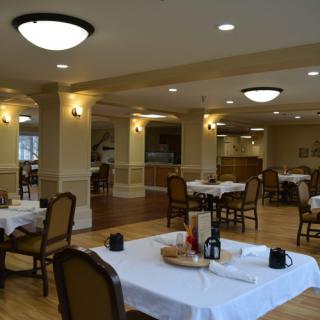
 Dining room
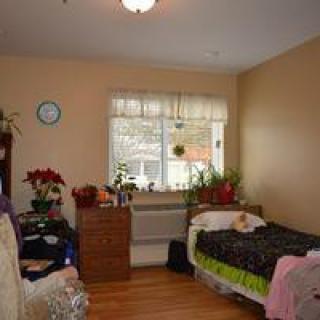
 Fully furnished
 Garden
 Housekeeping services
 Move-in coordination
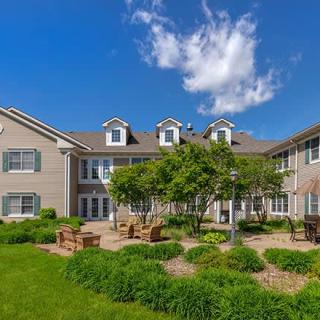
 Outdoor space
 Telephone
 Wi-Fi/high-speed internet available
 24-hour supervision
 Activities of daily living assistance
 Assistance with bathing
 Assistance with dressing
 Assistance with transfers
 Diabetes diet
 Meal preparation and service
 Medication management
 Special dietary restrictions
 Transportation arrangement (medical)
 Transportation to doctors appointments
 Funding and Affording Assisted Living: A Thorough Overview
 Assisted Living Expenses and Long-Term Care Insurance: A Comprehensive Exploration
 Securing Financial Support for Assisted Living: A Comprehensive Overview