


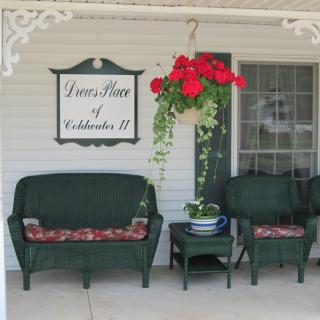

289 E Perkins St, Coldwater, MI 49036
To contact a resident: (517) 278-9494
For more information about senior living options: (866) 208-4318
Drews Place of Coldwater I Costs & Pricing
Drews Place of Coldwater I offers competitive pricing for its services when compared to both Branch County and the broader Michigan state averages. For private rooms, residents can expect a monthly cost of $2,490, which is significantly lower than the county average of $5,333 and notably more affordable than the state average of $3,675. Similarly, for studio accommodations, Drews Place's rate of $3,750 remains appealing when juxtaposed against the county's average of $4,072 and Michigan's average of $3,824. Overall, the pricing structure at Drews Place positions it as an attractive option for those seeking quality care without the financial burden often associated with similar facilities in the area.
| Floor plans | Drews Place of Coldwater I | Branch County | Michigan |
|---|---|---|---|
| Private | $2,490 | $5,333 | $3,674 |
| Studio | $3,750 | $4,072 | $3,824 |
Memory care communities with a similar price nearby
-
from -$490 / mo

West Winds Adult Foster Care
$2,000 to $2,700 / month13.4 miles away
Overall Review of Drews Place of Coldwater I
Pros
 Some staff members are great.
- They would recommend this community to other families.
- The staff are awesome.
- The staff are wonderful with the resident.
- The resident seems very content and well taken care of.
- The staff and management are extremely knowledgeable, helpful and caring.
- Drews Place of Coldwater is excellent.
- The family highly recommends Drews Place.
Cons
 The management staff were terrible and failed to follow up after taking his name and number.
 - He was kicked out and not allowed to use the bathroom.
- The meals offer little variety.
- There are very few activities.
- The staff's friendliness is mixed; some are great, others are just okay.
- Cleanliness could be improved, especially in the dining room; patient rooms need to be cleaned better and more often.
- Her room isn’t vacuumed or dusted very often, and too much pasta and beans are served.
- A drawback mentioned was that residents could not stay in the same room with a family member.
- Masonville had unskilled workers which presented several problems.
Review
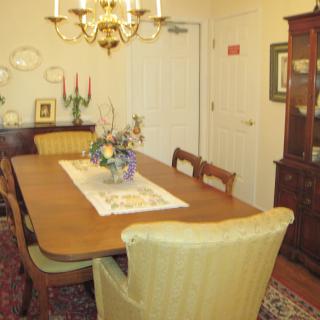
Drews Place of Coldwater I is best suited for seniors who want a warm, home-like assisted-living experience where caregiving feels personal and the staff interactions are genuinely friendly. The atmosphere is bright and cheerful, with homemade meals prepared by the staff that add a tangible touch of home. Families seeking visible attentiveness, predictable daily rhythms, and a sense of being known by name will find that here. Residents who do not require intensive medical oversight and who prefer a smaller, close-knit community tend to settle in comfortably. This is not the choice for those chasing a high-end, clinical setting, a rigorous activity calendar, or flawless uniformity across every space. In short, it’s a practical fit for families prioritizing warmth, consistent caregiving, and a straightforward daily routine over polish and exhaustive programming.
Those considering alternatives should be mindful if cleanliness standards and reliable programming are non-negotiable. Reviews consistently flag dining-room and patient-room cleanliness as an area that could improve, and activity calendars are described as sparse. For residents who rely on structured, robust engagement or on dependable transportation to shopping and medical appointments, the absence of formal transport or a guaranteed itinerary can be a significant drawback. The occasional impression of inconsistent management and shifts in care quality also raises red flags for families needing predictable oversight. In short, if a seamless, all-inclusive experience with steady housekeeping and a broad social calendar matters most, it’s wise to explore other options alongside Drews.
On the upside, several reviewers highlight staff as a major strength: friendly, attentive, and genuinely caring. That human warmth translates into meaningful daily moments and a sense that caregivers are dependable. The bright setting and the in-house meals contribute to overall satisfaction, and some families describe the care as excellent, with real peace of mind for loved ones. Yet the counterpoint exists: cleanliness lapses in the dining area and patient rooms, and the activity slate can feel thin. The mixed experiences with management, ranging from highly capable to problematic, compound these concerns. The better-news anchor remains the steady, caring hands of many staff members; the downside is the inconsistency and the practical gaps around housekeeping and programming that can undercut overall quality.
That combination matters because strong caregiving can offset some deficiencies, but it cannot erase them. When caregivers are praised for kindness and competence, but one review recounts being shown the door or denied basic access, the reliability question becomes central. Tours and day-to-day observations tend to reveal variance between expected standards and actual performance. A community that sustains consistent cleanliness, predictable routines, and open communication tends to deliver the safety net families crave. Without that steadiness, even excellent interpersonal skills may not fully reassure families balancing care quality with everyday needs like housekeeping, meals, and transportation. In practice, Drews works best when management oversight remains steady and housekeeping is treated as a core service rather than a peripheral amenity.
Relative to nearby options, Drews typically scores higher for staff engagement and overall mood. A reviewer contrasted it with Masonville, praising Drews for friendlier, more helpful staff and a brighter environment, while noting Masonville allowed a couple to share a room, something Drews doesn’t offer. The trade-off is that Masonville carried concerns about unskilled workers, whereas Drews’ strengths lie in caregiver quality and daily warmth. This positions Drews as a balanced choice: solid, attentive caregiving and a welcoming vibe, with room to grow in areas like cleanliness, activity variety, and logistics. Families should weigh the value of consistent, compassionate staff against the wish for broader social programming and a spotless setting when deciding between these options.
Actionable next steps: visit with a practical lens focused on housekeeping, dining-room conditions, and how consistently staff respond to questions or concerns. Observe a mealtime or activity in real time to gauge whether days feel routine or rushed. Ask about transportation arrangements to nearby shopping and medical services, and whether staff can assist or coordinate as needed. Probe the escalation path for issues and request examples of how past concerns were resolved. If warmth, personal attention, and dependable caregiving top the list, Drews Place offers strong alignment with those priorities and tends to deliver tangible comfort for residents and families. If the priority is pristine cleanliness, a dynamic daily calendar, and a consistently flawless management image, the family should actively compare other communities. Ultimately, the decision rests on whether human connection or polish will be the deciding factor in daily life.
 Assisted Living
 Memory Care
 Activities on-site
 Air-conditioning
 Bath tubs
 Beautician on-site
 Cable or satellite TV
 Devotional services on-site
 Ground floor units
 Handicap accessible
 Indoor common areas
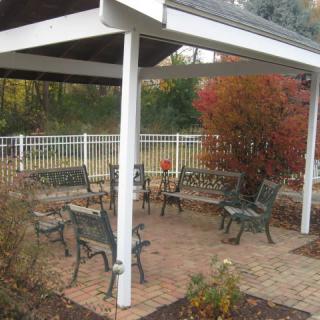
 Outdoor common areas
 Private bathrooms
 Respite or short term stays offered
 Wheelchair accessible showers
 Wi-Fi/high-speed internet available
 Diabetic care
 High acuity care
 Incontinence care
 Medication management
 Gluten-free
 Art classes
 Catholic services
 Educational speakers / life long learning
 Jewish services
 Live musical performances


 Engaging Memory Care Activities That Enhance Quality of Life
 When to Transition from Assisted Living to Memory Care: Key Indicators, Steps, and Finding the Right Community
 Understanding the Distinctions: Assisted Living and Memory Care Explained