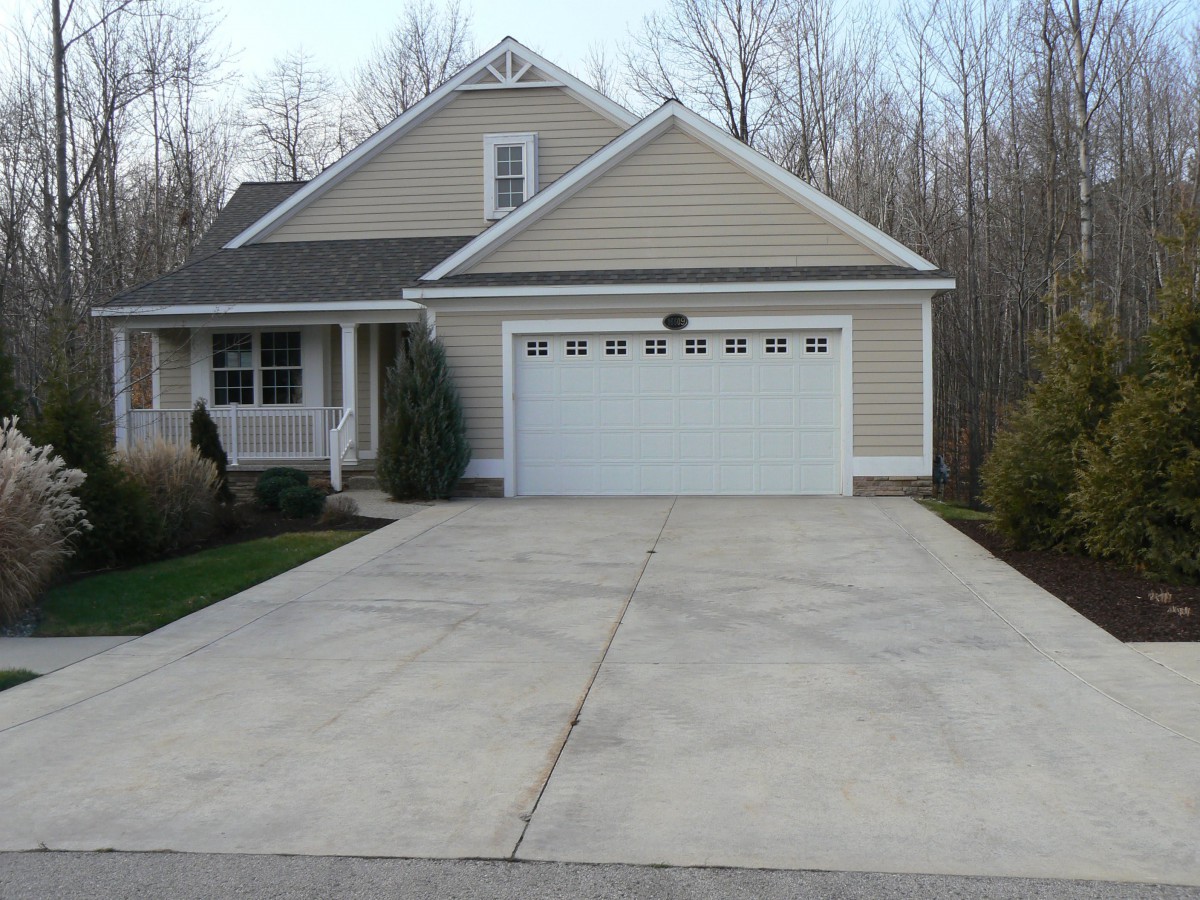
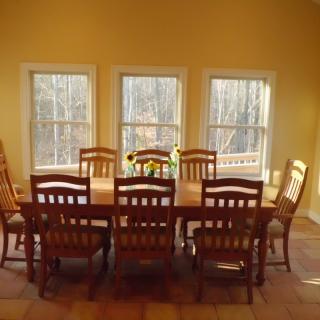
16609 Villa Parkway, Spring Lake, MI 49456
For more information about senior living options: (866) 208-4318
Spring Lake Compassionate Living Costs & Pricing
Spring Lake Compassionate Living offers competitive monthly rates compared to both Ottawa County and the broader Michigan market. For semi-private rooms, residents can expect a cost of $3,000, which is notably lower than the county average of $3,257 and the state average of $3,191. Those opting for a private room will find that Spring Lake's rate of $3,500 is aligned with local trends, sitting just slightly below the county's average of $3,513 and considerably more affordable than the state average of $3,675. These pricing structures reflect Spring Lake's commitment to providing quality care at accessible prices, making it an appealing choice for individuals seeking supportive living arrangements.
| Floor plans | Spring Lake Compassionate Living | Ottawa County | Michigan |
|---|---|---|---|
| Semi-Private | $3,000 | $3,257 | $3,189 |
| Private | $3,500 | $3,513 | $3,674 |
Assisted Living communities with a similar price nearby
-
from -$450 / mo
Sheldon Meadows Living Center
$2,550 to $4,000 / month22.3 miles away -
from -$345 / mo
Freedom Village ( Holland )
$2,655 to $5,965 / month23.0 miles away -
from +$215 / mo
White Lake Assisted Living & Memory Care
$3,215 to $4,360 / month19.8 miles away -
About the same
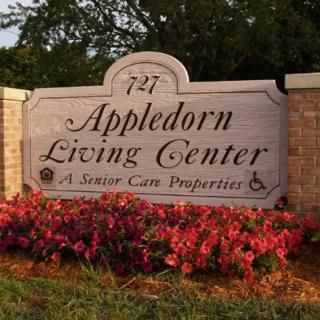
Appledorn Living Center
$3,000 to $3,600 / month24.6 miles away -
from -$250 / mo
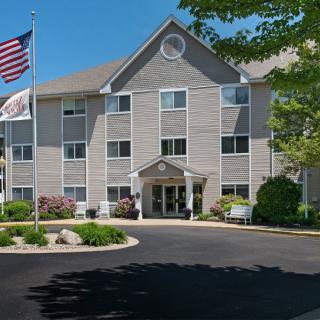
Lloyd's Bayou
$2,750 to $3,100 / month3.0 miles away
Overall Review of Spring Lake Compassionate Living
Pros
 The staff is nice and very caring to residents' needs.
- The community is clean and provides a nice environment.
- This is a small community where residents receive personal attention from the staff.
- They would recommend that other families tour this community.
- The owner has been awesome.
- The staff are really caring and pay close attention to detail.
Cons
 They were hoping that the community would have activities for her.
Review
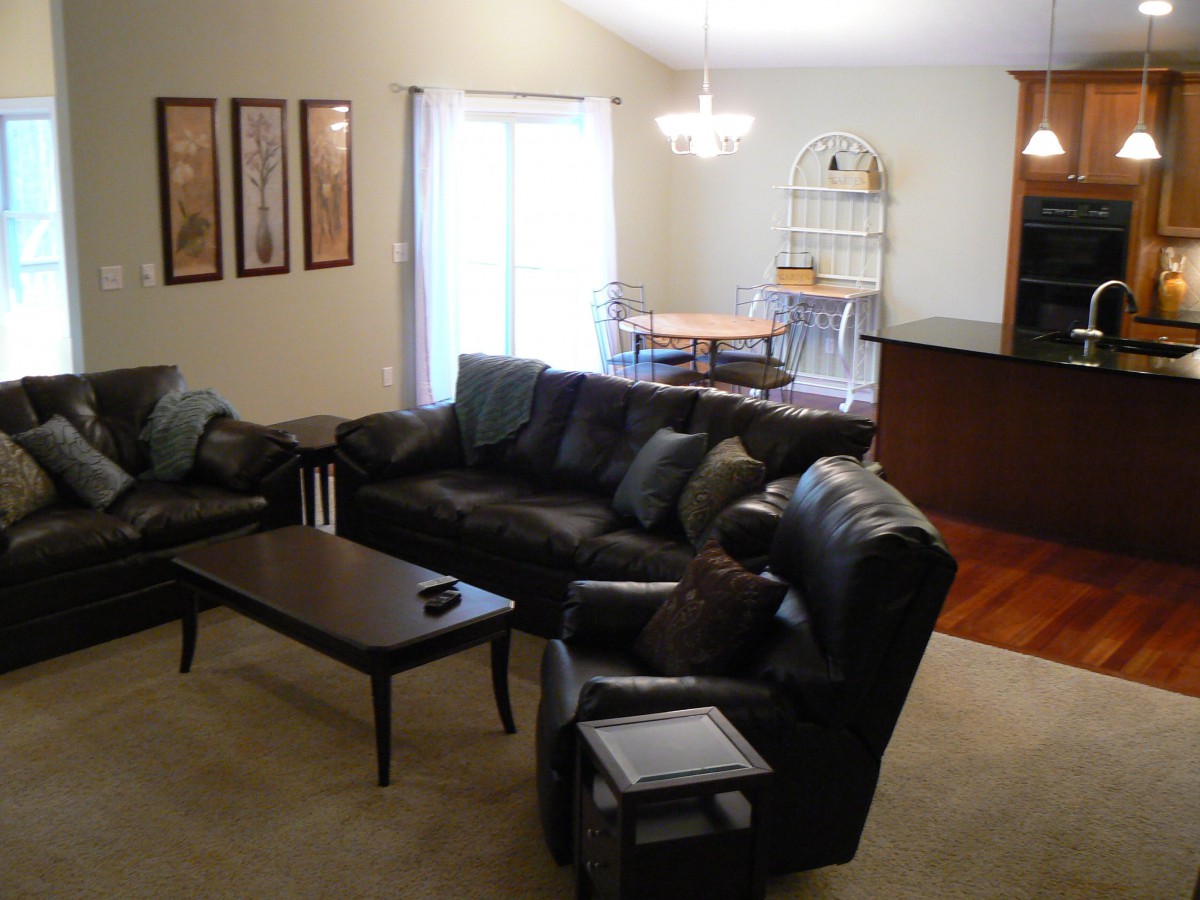
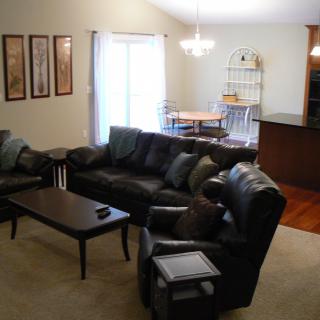
Spring Lake Compassionate Living is best suited for seniors who thrive in a small, hands-on environment and for families seeking a high-touch, personable care approach. The community presents a clean, homelike setting where caregivers know residents well and can tailor routines to individual needs. It serves those who want reliable oversight, thoughtful attention to daily living tasks, and clear, frequent communication from staff and management. For residents who value warmth, accessibility, and a non‑institutional atmosphere over a broad amenity lineup, this is a strong, practical fit.
However, families should consider alternatives if a robust activity calendar and wide social programming are essential, or if on-site access to a broad spectrum of medical or therapeutic services is non-negotiable. The small setting naturally supports fewer scheduled events, and the campus footprint limits the range of daily activities and organized outings. Residents who rely on highly structured programming to stay engaged may find the offerings here less satisfying, suggesting a closer look at larger communities with comprehensive activity schedules.
The primary strengths, the caring staff, personal attention, and visible owner involvement, fundamentally offset the most common concerns associated with small facilities. Residents receive individualized attention due to the intimate scale, and consistent, proactive communication from the team reduces family anxiety when changes occur. The environment’s cleanliness and the welcoming atmosphere reinforce a sense of safety and comfort, enhancing daily quality of life. In practice, these advantages tend to produce stable routines, quicker issue resolution, and a confident sense that staff are attentive and dependable.
From the observations, the owner’s responsiveness and the staff’s warmth emerge as defining features. Descriptions of proactive updates, attention to detail, and a genuinely friendly, welcoming team reinforce trust and reduce the fragility often felt by families during transitions. This combination, leadership visible in daily care and a diligent, approachable staff, translates into reliable care management, transparent communication, and a reassuring presence for both residents and loved ones.
The caveat remains the activity gap. While informal engagement often fills some hours, the longing for a more robust activity slate is real. For residents who crave structured group programming, regular outings, and scheduled social events, the current setup may feel limiting. That reality isn’t a disqualifier so much as a trade-off: the intimate setting yields deeper personal connections and consistent caregiving, but at the expense of breadth in programming. Families must weigh the value of intimate, responsive care against the desire for a lively, fully programmed calendar.
Bottom line: Spring Lake Compassionate Living stands out for families prioritizing dependable, attentive care, a clean, homelike environment, and open, responsive communication. The downsides, most notably a lighter activity calendar and the inherent limits of a small facility, tale into the decision for those who require extensive programming or a larger social ecosystem. Prospective residents who value peace of mind, consistent oversight, and a welcoming, intimate community should pursue a tour with questions about current activity options, caregiver-to-resident ratios, and the availability of on-site services. For others, especially those whose primary goal is a bustling social calendar or broader campus resources, exploring alternatives will be advisable.
 6 resident community capacity
 Assisted Living
 Board and Care Home
 Activities off-site
 Air-conditioning
 Bath tubs
 Cable or satellite TV
 Devotional services off-site
 Dining room
 Fully furnished
 Garden
 Handicap accessible
 Housekeeping services
 Indoor common areas
 Move-in coordination
 Outdoor common areas
 Private
 Private bathrooms
 Respite or short term stays offered
 Telephone
 Wheelchair accessible showers
 Wi-Fi/high-speed internet available
 Muskegon County (4 miles away)
 24-hour supervision
 Ambulatory care
 Assistance with bathing
 Assistance with dressing
 Assistance with transfers
 Diabetes diet
 Diabetic care
 High acuity care
 Incontinence care
 Meal preparation and service
 Medication management
 Special dietary restrictions
 Transportation arrangement (medical)
 Transportation to doctors appointments
 BBQs or picnics
 Bible study group
 Birthday parties
 Cards / pinochle club



 Beyond the Bingo Hall: 50+ Enriching Activities for Seniors in Assisted Living
 Understanding the Distinctions: Assisted Living and Memory Care Explained
 Guiding Elderly Parents Who Refuse Assisted Living: 6 Practical Steps