

25121 Orchard Grove, Southfield, MI 48076
To contact a resident: (248) 792-1252
For more information about senior living options: (866) 208-4318
Vernon Manor Assisted Living Costs & Pricing
Vernon Manor Assisted Living presents a compelling value for potential residents, particularly when comparing its monthly rates to both Oakland County and state averages. For a semi-private room, Vernon Manor charges $2,500, significantly lower than the county's average of $3,204 and the state average of $3,191. Similarly, those interested in a private room will find Vernon Manor's rate of $3,500 to be more affordable than Oakland County's average of $3,708 and Michigan's overall average of $3,675. This pricing strategy not only reflects a commitment to providing quality care but also makes Vernon Manor an attractive option for families seeking cost-effective assisted living solutions without compromising on services or comfort.
| Floor plans | Vernon Manor Assisted Living | Oakland County | Michigan |
|---|---|---|---|
| Semi-Private | $2,500 | $3,204 | $3,189 |
| Private | $3,500 | $3,708 | $3,674 |
Senior living communities with a similar price nearby
-
from -$305 / mo

Simply Beautiful Adult Foster Care Homes
$2,195 to $4,100 / month5.8 miles away -
from +$100 / mo
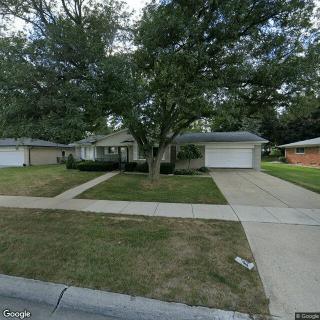
Angelic Foster Care
$2,600 to $3,380 / month15.0 miles away -
About the same

Oakmont Manor
$2,455 to $2,780 / month13.1 miles away -
from +$195 / mo

Atria Kinghaven
$2,695 to $4,595 / month22.8 miles away -
from -$225 / mo
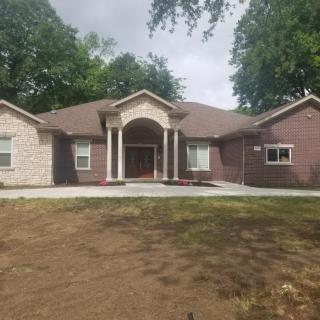
Pleasant Valley Family Care
$2,275 to $7,000 / month2.4 miles away
Overall Review of Vernon Manor Assisted Living
Pros
 The community manager was very pleasant and straightforward.
Cons
 The facility is a private pay facility.
- The facility does not meet their Medicaid Waiver criteria.
Review
Vernon Manor Assisted Living in Southfield is best suited for families and residents who plan to fund care privately and prize plain-spoken, dependable management over glossy marketing. The standout strength is a community manager who is pleasant and straightforward in dealings. That approach reduces friction around move-in logistics, monthly expectations, and day-to-day communications, a practical asset when navigating the care transition. The private-pay model means residents pay directly for services rather than relying on Medicaid or waiver funding. For those who can absorb the cost and value clear, no-nonsense management, Vernon Manor offers a predictable, easy-to-live-with environment.
Who should consider alternatives is clear. Prospective residents who rely on Medicaid Waiver to fund care or who need lower-cost options should steer toward other communities. The explicit note that Vernon Manor is a private-pay facility and does not meet Medicaid waiver criteria signals that eligibility for government-supported care is off the table here. Families seeking facilities with Medicaid acceptance, flexible funding, or waiver-tailored programs will likely find better alignment elsewhere. Additionally, those requiring more intensive medical oversight or specialty dementia care should scrutinize whether this home can meet those needs, given the limited information available.
The practical benefit of the pleasant, straightforward management is real: it reduces negotiation fatigue, clarifies what is expected, and creates a respectful, transparent engagement. That staff demeanor can translate into smoother onboarding, fewer surprises in what’s included in the rate, and more reliable routines for residents who thrive on consistency. However, the main con, the private-pay model with no Medicaid waiver eligibility, undermines affordability for a large segment of seniors who depend on government support or cost caps. In other words, the positive management style helps, but it cannot erase the financial constraint that limits who can realistically call this community home.
From a care-delivery perspective, the lack of detailed information in the available review makes it hard to judge the level of medical and daily living support beyond the manager’s conduct. The absence of explicit notes about staff-to-resident ratios, activity programming, or on-site therapists means families must conduct thorough on-site visits and request concrete data. For private-pay residents, those answers matter more than marketing promises because costs will be directly tied to services rendered. In this context, Vernon Manor’s strength in communication becomes a baseline expectation rather than a differentiator; it will not compensate for unknown gaps in care intensity or amenities.
Decision-makers should weigh two axes: funding and care quality. If private pay is feasible and the prospect of a forthright, likeable community manager appeals, Vernon Manor deserves serious consideration, with careful price comparison and a clear service outline. If Medicaid eligibility, waivers, or lower-tier pricing are non-negotiable, alternatives that accept funding assistance will likely deliver a better overall fit. Potential residents should verify admission requirements, confirm what is included in the base rate, and request a sample calendar of activities and a care plan outline to ensure alignment with daily needs. Do not assume anything beyond the stated private-pay status without verification.
Bottom line: Vernon Manor Assisted Living synchronizes a practical, no-surprises management experience with a private-pay care model. It is well suited for individuals who can fund care privately and who prize straightforward, courteous communication. Those needing Medicaid waivers or more cost-sensitive options should pursue alternatives with explicit waiver eligibility and clearer pricing structures. For families ready to assume private-pay responsibility and who value a manager who makes expectations plain, Vernon Manor presents a credible, workable choice in Southfield.
 Board and Care Home
 Private
 Detroit Metropolitan-Wayne County (19 miles away)







 Navigating the Tax Landscape of Caregiving: Credits, Deductions, and Beyond
 Highly Beneficial Low-Impact Exercises for Senior Living Residents
 Is In-Home Healthcare Tax Deductible? Your Comprehensive Guide