
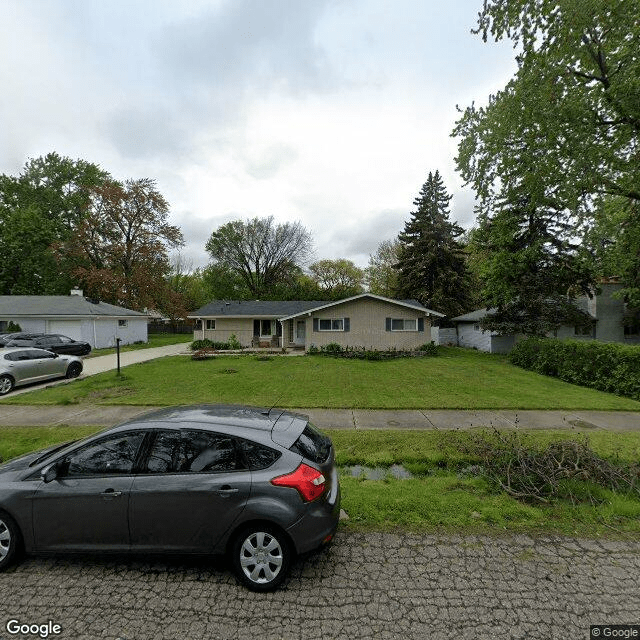
17670 New Hampshire, Southfield, MI 48075
To contact a resident: (248) 552-1163
For more information about senior living options: (866) 208-4318
The Eilands Assisted Living Costs & Pricing
The Eilands Assisted Living offers competitive pricing compared to the broader market within Oakland County and the state of Michigan. For semi-private rooms, residents pay $2,800 per month, which is notably lower than the county average of $3,204 and the state average of $3,191. Similarly, private rooms at The Eilands are priced at $3,500 per month, offering a better value compared to Oakland County's average of $3,708 and Michigan's average of $3,675. This pricing structure positions The Eilands as an attractive option for families seeking quality assisted living services without exceeding their budget.
| Floor plans | The Eilands Assisted Living | Oakland County | Michigan |
|---|---|---|---|
| Semi-Private | $2,800 | $3,204 | $3,189 |
| Private | $3,500 | $3,708 | $3,674 |
Senior living communities with a similar price nearby
-
from +$200 / mo
Hutcheson Manor
$3,000 to $4,500 / month6.1 miles away -
from +$400 / mo
Vicky's Place
$3,200 to $6,000 / month6.7 miles away -
from +$200 / mo
Butternut Hill Senior Living
$3,000 to $4,000 / month7.3 miles away -
from -$200 / mo
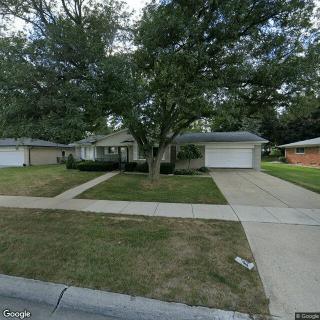
Angelic Foster Care
$2,600 to $3,380 / month11.9 miles away -
from +$400 / mo

Canton Crossings Assisted Living
$3,200 to $4,000 / month16.9 miles away
Overall Review of The Eilands Assisted Living
Pros
 The service was good, and the client had used them before.
- The reviewer had prior positive experience with the service.
Cons
 They had issues with injuries to their loved one, and no one knew how they happened.
- They were told that she showed up with the injuries already.
- That one issue led them to stop using them.
- They never answered the phone.
- The clients stayed in bed a lot.
Review
The Eilands Assisted Living in Southfield is best suited for families who value continuity and a familiar caregiving team over high-energy programming. This community seems most appropriate for residents who are relatively independent or require only light daily assistance, and for relatives who feel comfortable with established staff relationships rather than a rapidly changing or highly structured care milieu. For families seeking a calm, low-disruption environment where routines and relationships can be sustained, The Eilands offers a reasonable fit.
That said, several red flags warrant careful consideration and may push families to explore alternatives. Prospective residents and their families should demand strong safety oversight, transparent incident handling, and reliable communication, especially when concerns arise about injuries or potential harm. If prompt phone contact, timely escalation, and proactive problem-solving are non-negotiable, other communities with documented incident-review processes and more responsive communication will likely serve better.
On balance, the few described positives can offer some reassurance: the reviewer had prior experience with the home and viewed it as “good” in the past, suggesting a stable environment and familiarity that can ease transitions for longtime clients or returning families. That sense of reliability, rooted in known staff and routines, can be valuable for those who prize a trusted caregiver relationship. Yet this upside is overshadowed by the unresolved safety question raised by the current incident narrative and by communication gaps that undermine overall trust.
The principal drawbacks are significant. The report that injuries occurred and could not be clearly explained or investigated, framed by assurances that the injuries were pre-existing, undermines credibility and raises serious safety concerns. Even more troubling is the claim that phone calls went unanswered, which translates into delays in addressing urgent resident needs and questions from families. Coupled with residents spending most days in bed, these elements point to a pattern of limited engagement and potentially insufficient stimulation, both of which can contribute to physical and cognitive decline.
For families actively evaluating options, concrete verification is essential. Require a clear description of how incidents are documented, reviewed, and communicated to families; request a copy of the current care plan and any recent amendments; and ask for specific metrics on staff-to-resident ratios during day and evening shifts. Inquire about the availability and scheduling of daily activities, mobility support, and social engagement opportunities. Additionally, probe how the facility handles missed calls, after-hours coverage, and escalation protocols, and consider observing a shift to gauge how staff interact with residents in real time.
In the final assessment, The Eilands is a practical choice for those who prioritize familiarity, predictability, and a quiet environment, and who can tolerate limited evidence of aggressive safety oversight. For families whose top priorities include transparent incident accountability, proactive resident engagement, and consistently responsive communication, alternative communities will likely deliver greater peace of mind. If choosing The Eilands, enter with clear expectations and a plan to verify ongoing improvements: confirm accountability processes, ensure reliable communication channels, and scrutinize activity programming to shift from passive presence to active, resident-centered daily life.
 Board and Care Home
 Cats allowed
 Activities off-site
 Bath tubs
 Beautician on-site
 Indoor common areas
 Outdoor common areas
 Private
 Private bathrooms
 Respite or short term stays offered
 Detroit Metropolitan-Wayne County (19 miles away)
 Ambulatory care
 Diabetic care
 High acuity care
 Incontinence care
 Kosher

 Comprehensive Exploration of Living Wills and Other Advance Directives
 A Detailed Exploration of Living Wills and Advance Directives
 Comprehensive Guide to Medicare Coverage for Hospice Care