






For more information about senior living options: (844) 490-3973
4.1 from 8 reviews
5 stars
4
4 stars
2
3 stars
1
2 stars
1
1 stars
0
Assisted LivingBoard and Care HomeMemory CareRespite Care
St. John Afc Home Costs & Pricing
St. John Afc Home offers competitive pricing for its residential care services in comparison to both Oakland County and the broader state of Michigan. For semi-private rooms, St. John's rate of $2,800 per month is notably lower than the county average of $3,204 and the state average of $3,191, making it an appealing option for budget-conscious families. When it comes to private accommodations, St. John's fee of $4,500 is slightly above the county's rate of $3,708 and the state's average of $3,675; however, this cost may reflect additional amenities or specialized care that could justify the difference for prospective residents seeking a higher level of support. Overall, St. John Afc Home presents a thoughtful blend of affordability and quality care within the local context.
Floor plans
St. John Afc Home
Oakland County
Michigan
Semi-Private
$2,800
$3,204
$3,189
Private
$4,500
$3,708
$3,674
Overall Review of St. John Afc Home
Pros
The facility is always spotless, with clean rooms and well-groomed residents.
The staff at St. John AFC Home are friendly, smiling, and willing to help.
Residents receive personalized care and attention due to the small resident-to-caregiver ratio.
The owner, who is a nurse, demonstrates understanding and compassion towards residents’ needs.
Communication with families is excellent, with prompt responses to inquiries.
Residents enjoy homemade meals that cater to their preferences.
The caregivers take a genuine interest in the well-being of the residents.
The living spaces are spacious and easy for residents to navigate.
Families feel comfortable visiting at various times due to staff flexibility.
Overall, the community maintains a welcoming atmosphere where residents are treated like family.
Cons
There is a language barrier with all but one staff member, which can be challenging for communication.
The food served is very plain, and there is no printed menu available for residents to see their options.
There appear to be no activities for residents, as they mostly just sit around watching TV or listening to music.
Due to the lack of mental or physical stimulation and communication issues, there are concerns about the loved one's future at the facility.
The facility feels smaller than what some families were looking for in a care home for their loved ones.
Despite the overall cleanliness and care provided, there is uncertainty regarding the availability of engaging activities for residents.
One reviewer expressed that St. John's may not be a comfortable place for their mother.
Review
St. John AFC Home has garnered a mix of appreciation and concerns from families of residents, reflecting a complex picture of care in a smaller residential setting. Many reviewers commend the facility for its cleanliness and the attentiveness of its staff. The home consistently maintains a spotless environment, which is crucial for the health and well-being of its residents. Residents appear tidy and content, with caregivers who frequently exhibit smiles, creating an inviting atmosphere that emphasizes warmth and familial care. One family member noted how the owner, also a nurse, demonstrated understanding when their loved one struggled to adjust to the new environment.
While the small community size—catering to only six residents with two caregivers—ensures personalized attention for each individual, challenges have emerged related to communication and engagement. A significant barrier reported by multiple reviewers is language; apart from one staff member who could communicate effectively, most caregivers do not share a common language with all residents or their families. This situation can lead to difficulties in conveying needs or understanding care routines, thus complicating what could otherwise be straightforward interactions in daily living.
Another area for improvement highlighted by reviewers is the lack of stimulating activities within the facility. There appears to be little organized entertainment or mental engagement beyond watching television or listening to music. Families expressed concern that this lack of activity might hinder their loved ones' mental and physical stimulation, leading them to question whether St. John AFC Home will adequately support their overall development and well-being over time.
Regarding nutrition, meals at St. John are described as simple yet satisfactory; however, some families noted that food options may lack variety and creativity. The absence of printed menus further complicates meal planning for residents and visitors alike, leaving some unsure about what meals will be served on any given day. Nevertheless, several reviews mention that residents appreciate homemade food prepared with care—a positive aspect that adds a personal touch amid critiques on menu variety.
Despite these criticisms concerning communication barriers and activity offerings, many families still feel positive overall about their experiences at St. John AFC Home. The genuine interest taken by caregivers in individual resident care stands out as one of its strongest attributes. Caregivers are recognized not just for fulfilling necessary duties such as medication management and bathing assistance but also for establishing personal connections with residents—helping each person feel valued within this intimate caregiving environment.
In conclusion, while St. John AFC Home offers a clean environment staffed by friendly caregivers attentive to individual needs and preferences—including dietary requirements—the absence of structured activities raises concerns regarding resident engagement during daily life at the facility. The small size allows greater individualized attention than larger nursing homes typically provide; however, potential improvements related to language communication and active programming may help enhance quality of life even further for all who call St. John's home.
Features
Housing
6 resident community capacity
Types of Care
Assisted LivingAssisted living facilities provide crucial support and care for seniors who may need help with daily tasks such as medication management, bathing, and meal preparation. These communities offer a safe and comfortable environment where seniors can maintain their independence while receiving the assistance they need to thrive in their golden years.
Board and Care HomeBoard and care homes provide a smaller, more intimate setting for seniors who require assistance with daily tasks but do not need the level of care offered by a nursing home. They offer personalized care, meals, and social activities in a homelike environment, ensuring that seniors receive individualized attention and support in their golden years.
Memory CareMemory care is crucial for seniors as it provides specialized support and services for individuals with dementia or Alzheimer's disease. These programs offer a safe and secure environment where residents receive personalized care, cognitive stimulation, and help with daily activities. Memory care helps seniors maintain their independence, quality of life, and dignity while also providing peace of mind for their families.
Respite CareRespite care provides temporary relief for caregivers, allowing them to recharge and attend to their own needs. It also gives seniors the opportunity to socialize, receive professional care, and experience a change of scenery, promoting overall well-being and reducing feelings of isolation.
Amenities
Cable or satellite TVCable or satellite TV is important for seniors because it provides entertainment, news, and companionship, helping to combat loneliness and boredom. It also offers a wide range of programming options tailored to different interests and preferences.
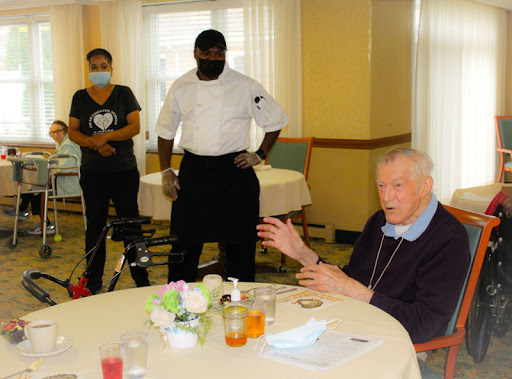
Dining roomDining rooms are important for seniors as they provide a space for socialization, connection, and nutritious meals. They offer opportunities for residents to bond over shared meals, foster a sense of community, and promote healthy eating habits. Dining rooms also ensure that seniors have access to well-balanced meals tailored to their dietary needs and preferences.
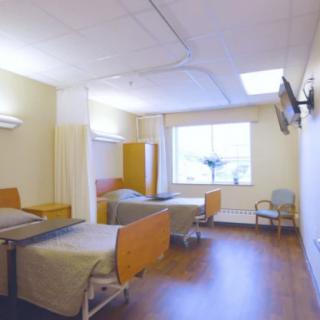
Fully furnishedFully furnished senior living communities are important for seniors because they provide convenience, comfort, and a hassle-free moving experience. Seniors can easily settle into their new living space without the stress of having to buy and move furniture. This allows them to focus on enjoying their new home and community.
GardenGardens are important for seniors as they provide a peaceful and therapeutic environment for relaxation, physical activity, and socialization. Being in nature has been shown to reduce stress, improve mood, and promote overall well-being. Gardens also offer opportunities for seniors to engage in gardening activities, which can improve mobility, flexibility, and cognitive function. Additionally, gardens create a sense of community and connection with others who share a passion for plants and outdoor spaces.
Housekeeping servicesHousekeeping services are important for seniors because they help maintain a clean and safe living environment, promote independence, and reduce the risk of accidents or illnesses. Additionally, having assistance with household chores can alleviate physical strain and allow seniors to focus on other aspects of their well-being.
Move-in coordinationMove-in coordination is important for seniors because it helps ease the transition into their new living environment. It ensures that all logistics, such as packing, organizing movers, and setting up utilities are taken care of, allowing seniors to focus on settling in and adjusting to their new home. Having a smooth move-in process can alleviate stress and anxiety, making the transition smoother and more enjoyable for seniors.
Outdoor spaceOutdoor spaces are important for seniors as they provide opportunities for physical activity, social interaction, exposure to natural light and fresh air, and a sense of connection to nature. Having access to outdoor spaces can improve overall well-being and quality of life for older adults living in senior communities.
PrivatePrivacy is important for seniors as it allows them to maintain their independence, dignity, and sense of control over their own lives. It also gives them the space and freedom to relax, reflect, and engage in activities that bring them joy and fulfillment. Creating private spaces within senior living facilities is crucial for promoting overall well-being and quality of life.
TelephoneTelephones are important for seniors as they provide a lifeline for communication with loved ones, emergency services, and healthcare providers. They offer a sense of security and independence, enabling seniors to stay connected and access assistance when needed.
Wi-Fi/high-speed internet availableWi-Fi/high-speed internet is important for seniors to stay connected with loved ones, access online resources, and participate in virtual activities to combat feelings of loneliness and isolation. It also allows them to easily manage healthcare needs, access entertainment, and engage in lifelong learning opportunities.
Transportation
Detroit Metropolitan-Wayne County (19 miles away)
Care Services
24-hour supervision24-hour supervision is important for seniors to ensure their safety, well-being, and access to immediate assistance in case of emergencies or health issues. This constant support provides peace of mind for both seniors and their loved ones, allowing them to age in place with dignity and security.
Activities of daily living assistanceActivities of daily living assistance are important for seniors because they provide essential support with tasks such as eating, bathing, dressing, and mobility. This assistance helps seniors maintain their independence, dignity, and overall quality of life as they age.
Assistance with bathingAssistance with bathing is crucial for seniors as it helps maintain personal hygiene, prevents infections, and ensures their overall well-being and comfort. It also provides a sense of dignity and independence for seniors who may struggle with this task on their own.
Assistance with dressingAssistance with dressing is important for seniors because it helps maintain their independence, promotes personal hygiene, prevents accidents and injuries, and improves overall quality of life. This service ensures that seniors can continue to dress comfortably and confidently, despite any physical limitations they may have.
Assistance with transfersAssistance with transfers is crucial for seniors as it helps prevent falls and injuries, maintains their independence, and ensures they can safely navigate their living environment. It also provides peace of mind for both seniors and their loved ones.
Coordination with health care providersCoordination with health care providers is crucial for seniors to ensure proper medical care, medication management, and overall well-being. This collaboration helps prevent overlapping treatments, track progress more effectively, and provide comprehensive support tailored to individual needs.
Dementia waiverDementia waivers are essential for seniors as they provide critical protections and accommodations for those experiencing cognitive decline. These waivers ensure individuals with dementia receive appropriate care, support, and resources to maintain their quality of life and dignity as they navigate the challenges of this progressive condition.
Diabetes dietA diabetes diet is crucial for seniors as it helps manage blood sugar levels, reduce risks of complications, and improve overall health and well-being. By following a balanced and nutritious diet tailored to their specific needs, seniors can better control their diabetes and enhance their quality of life.
Hospice waiverHospice waivers are important for seniors because they allow individuals to receive specialized end-of-life care and support at home or in a hospice facility. This waiver ensures that seniors can access the necessary resources and services to maintain comfort and dignity during their final days.
Meal preparation and serviceMeal preparation and service are crucial for seniors as they may have limited mobility or energy to cook nutritious meals. Having access to healthy and convenient food options can ensure they are getting the proper nutrition needed to maintain their overall health and well-being.
Medication managementMedication management is crucial for seniors to ensure they are taking the right medications at the correct dosages and times. This helps prevent adverse drug interactions, reduces the risk of medication errors, and promotes overall health and well-being. Proactive management also allows for adjustments as needed based on changing health conditions or new prescriptions.
Mental wellness programMental wellness programs are essential for seniors as they promote cognitive stimulation, emotional support, and social engagement. These programs help prevent isolation, depression, and cognitive decline, ultimately enhancing the overall quality of life for older adults.
Mild cognitive impairment"Mild cognitive impairment" is important for seniors because it is an early stage of cognitive decline that can potentially progress to more severe conditions such as dementia. Recognizing and addressing mild cognitive impairment can help seniors receive appropriate care and support to maintain their quality of life and independence for as long as possible.
Special dietary restrictionsSpecial dietary restrictions are important for seniors because age-related changes in metabolism and health conditions can make it difficult for their bodies to process certain foods. By following a diet tailored to their specific needs, seniors can maintain their overall health and well-being, manage chronic conditions, and reduce the risk of complications such as malnutrition or food interactions with medications.
Specialized memory care programmingSpecialized memory care programming is crucial for seniors with cognitive impairments such as dementia or Alzheimer's disease. These programs provide a safe and supportive environment tailored to the unique needs of individuals with memory loss, helping them maintain their independence, dignity, and quality of life.
Transportation arrangement (medical)Transportation arrangements for medical purposes are essential for seniors as they may have difficulty driving themselves to appointments or accessing public transportation. Having reliable and safe transportation options ensures that seniors can receive timely medical care and maintain their health and well-being.
Transportation to doctors appointmentsTransportation to doctors' appointments is crucial for seniors as it ensures they have access to necessary medical care and support for their health needs. Without reliable transportation, seniors may struggle to attend important appointments, leading to potential delays in treatment and health complications. Providing transportation services helps seniors maintain their overall well-being and quality of life.
Dining
Diabetes dietA diabetes diet is crucial for seniors as it helps manage blood sugar levels, reduce risks of complications, and improve overall health and well-being. By following a balanced and nutritious diet tailored to their specific needs, seniors can better control their diabetes and enhance their quality of life.
Special dietary restrictionsSpecial dietary restrictions are important for seniors because age-related changes in metabolism and health conditions can make it difficult for their bodies to process certain foods. By following a diet tailored to their specific needs, seniors can maintain their overall health and well-being, manage chronic conditions, and reduce the risk of complications such as malnutrition or food interactions with medications.
Activities
Community-sponsored activitiesCommunity-sponsored activities are important for seniors as they provide opportunities for social interaction, mental stimulation, and physical activity. These activities can help improve overall well-being, combat loneliness and isolation, and promote a sense of belonging and purpose among older adults.
Scheduled daily activitiesScheduled daily activities are important for seniors because they provide structure, socialization, mental stimulation, and physical activity. Engaging in regular activities can improve overall well-being and quality of life for seniors living in a community setting.
Description
St. John Afc Home in Southfield, MI is an assisted living community that offers a variety of care options including board and care home, memory care, and respite care. Residents can expect a comfortable and fully furnished living environment with amenities such as a dining room, garden, housekeeping services, move-in coordination, outdoor space, private rooms, telephone access, and Wi-Fi/high-speed internet.
The dedicated staff at St. John Afc Home provides assistance with activities of daily living including bathing, dressing, and transfers. They also coordinate with health care providers to ensure residents receive the necessary medical attention. The community offers specialized programs for individuals with dementia or mild cognitive impairment and can accommodate special dietary restrictions such as diabetes diets.
Residents can enjoy delicious meals prepared on-site and served in the dining area that caters to special dietary needs. A mental wellness program is available to promote emotional well-being among residents. Medication management services are provided to ensure proper administration of medications.
Transportation arrangements are made for medical appointments and transportation to doctors' appointments. Scheduled daily activities keep residents engaged and entertained.
Conveniently located near various amenities, St. John Afc Home has six cafes, two parks, fifteen pharmacies, three physicians' offices, thirteen restaurants nearby for easy access to shopping, dining options, entertainment venues like theaters.
At St. John Afc Home in Southfield MI , residents can experience quality care in a welcoming environment where their needs are met with compassion and professionalism.
Nearby Places of Interest
Located in Southfield, Michigan, this area offers a variety of amenities and services that cater to the needs of senior residents. With multiple pharmacies such as CVS, Rite Aid, and Walgreens within a short distance, accessing medication and healthcare products is convenient. There are also several reputable physicians' offices nearby, including Be Well Medical Center and Royal Oak Pediatrics PC, ensuring quality healthcare services are easily accessible. In terms of dining options, there are various restaurants ranging from fast food chains like McDonald's to more upscale establishments like Brown Iron Brewhouse Royal Oak. Additionally, numerous cafes such as Starbucks provide a cozy environment for socializing or enjoying a cup of coffee. For entertainment, residents can visit theaters like Emagine Royal Oak or outdoor parks like Harding Park for leisure activities. Botsford Hospital and Park Geriatric Village are also located within close proximity for any medical emergencies. Overall, this part of Southfield offers a well-rounded community with a mix of healthcare facilities, dining options, entertainment venues, and green spaces for seniors looking to settle in the area.
St. John Afc Home offers competitive pricing for its residential care services in comparison to both Oakland County and the broader state of Michigan. For semi-private rooms, St. John's rate of $2,800 per month is notably lower than the county average of $3,204 and the state average of $3,191, making it an appealing option for budget-conscious families. When it comes to private accommodations, St. John's fee of $4,500 is slightly above the county's rate of $3,708 and the state's average of $3,675; however, this cost may reflect additional amenities or specialized care that could justify the difference for prospective residents seeking a higher level of support. Overall, St. John Afc Home presents a thoughtful blend of affordability and quality care within the local context.
The array of features offered at St. John AFC Home is specifically designed to address the unique needs of residents experiencing dementia or Alzheimer's disease, promoting their comfort and well-being. Assistance with dressing, bathing, and transfers ensures that residents maintain their dignity while receiving the necessary support for daily activities. Medication management helps prevent complications by ensuring timely and accurate administration of prescribed treatments, while meal preparation caters to nutritional needs and preferences, fostering a healthy diet. Transportation arrangements for medical appointments facilitate access to healthcare services, complemented by close coordination with health care providers to tailor medical interventions effectively. The 24-hour supervision provides a safe environment, crucial for those with advanced cognitive impairments. Additionally, specialized memory care programming and mental wellness initiatives engage residents in meaningful activities that stimulate cognitive function and emotional health, while resources addressing mild cognitive impairment allow for early intervention strategies tailored to individual progress. Together, these elements create a holistic approach that enhances quality of life for those facing memory challenges.
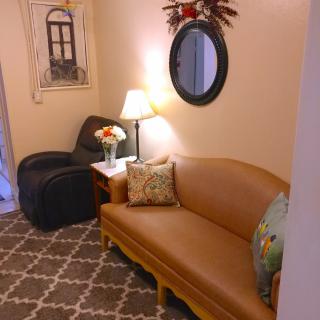
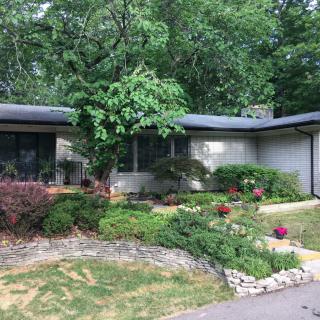
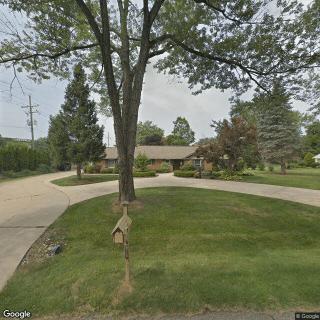
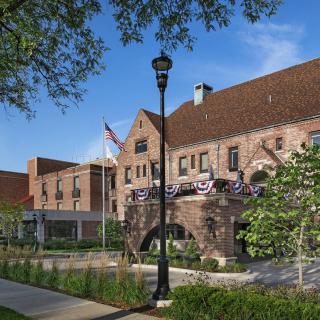
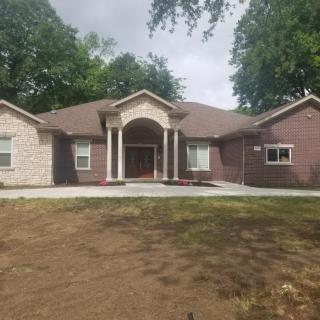
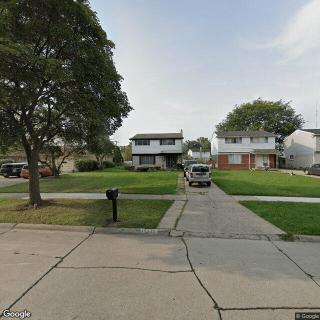
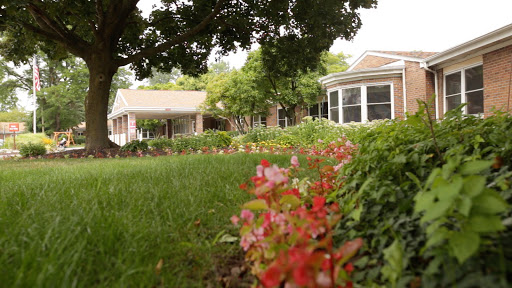
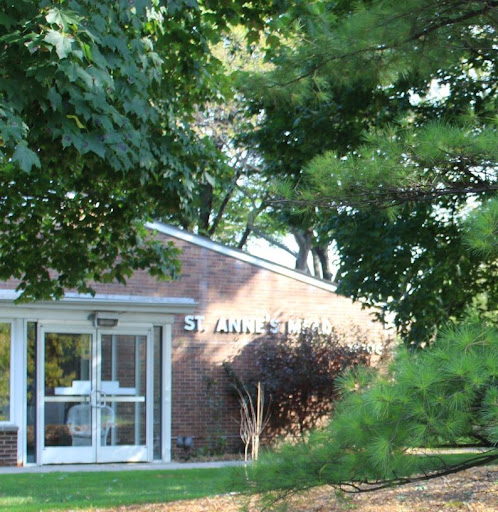
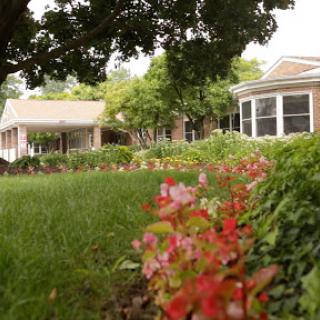
St. John Afc Home on seniors.fyi includes 11 photos including images showing building, landscaping, outdoor, nature, architecture, trees, brick, flag, and more.
Nearby Communities
Kare 1 In Home Service, Inc
Southfield, MI
5 from 1 review
Strong access to nearby amenities and healthcare.
My Beloved Group Home
Southfield, MI
1 from 1 review
Intimate 6?bed setting with 24/7 supervision and comprehensive care.
Meadow Crest
Southfield, MI
3.3 from 13 reviews
Caring management and well-kept grounds create a peaceful, neighborly senior community.
Solaire Active Adult Community
Southfield, MI
4 from 102 reviews
$705 to $1,194 / month
Well-kept grounds, friendly staff, and a wide range of on-site activities.
Clarkson Manor
Southfield, MI
Personalized, attentive care with 24-hour supervision, diabetes-friendly dining, and care coordination.
Mae June's Home
Southfield, MI
3 from 4 reviews
$1,000 to $1,200 / month
Clean, well-maintained facility with professional leadership.
Medilodge Of Southfield
Southfield, MI
3.4 from 107 reviews
Friendly, attentive staff and effective therapy.
Oxford Park Towers
Berkley, MI
4.6 from 40 reviews
$785 to $940 / month
Strong management, affordability, and coordinated move-in support for new residents.
St Anne's Mead Retirement Home
Southfield, MI
3.5 from 17 reviews
$3,080 to $7,895 / month
Clean facility with friendly staff and engaging activities.
Assisted living provides moderate support for seniors seeking independence, while memory care offers specialized support for individuals with dementia or cognitive impairments through structured routines and trained staff. Key differences include care approaches, environment security measures, staff training levels, activity types, and cost considerations.
Choosing between assisted living and nursing homes involves evaluating emotional and financial factors, with assisted living offering independence and support for daily activities at a lower cost, while nursing homes provide intensive medical care for individuals with significant health needs. The decision is influenced by personal preferences, health status, cognitive function, and varying Medicaid coverage across states.
The article presents eight strategies for preserving cognitive health and memory in older adults, emphasizing a nutrient-rich diet, regular exercise, intellectually stimulating activities, adequate sleep, social connections, stress management techniques, limiting harmful substances, and regular medical checkups to mitigate age-related memory decline.