
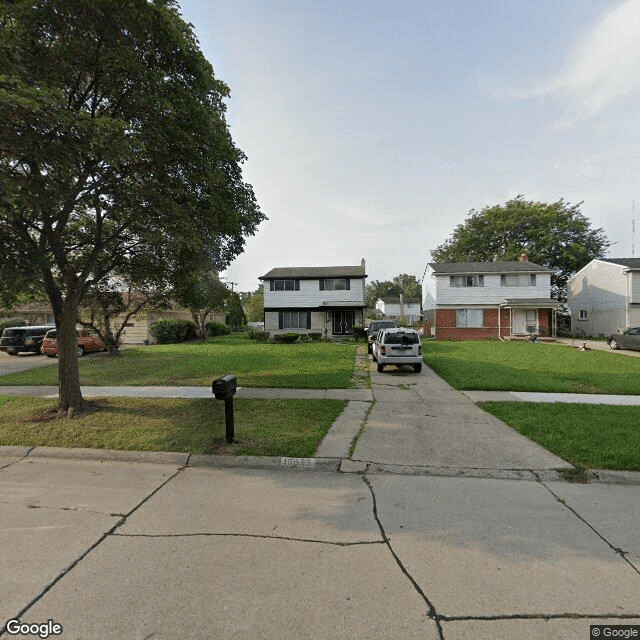
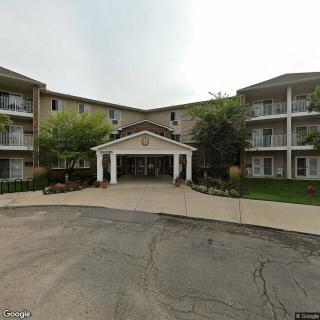
15625 Shelley St, Southfield, MI 48075
To contact a resident: (248) 996-4613
For more information about senior living options: (866) 208-4318
Mae June's Home Costs & Pricing
Mae June's Home offers a compelling value when compared to both Oakland County and the broader Michigan state averages for similar care facilities. For a semi-private room, residents at Mae June's pay just $1,000 per month, significantly lower than the county's average of $3,204 and the state average of $3,191. Similarly, those seeking a private room will find Mae June's pricing competitively low at $1,200 per month, contrasted with Oakland County's average of $3,708 and Michigan's average of $3,675. This pricing structure positions Mae June's Home as an attractive option for individuals seeking quality care without the burden of excessive costs.
| Floor plans | Mae June's Home | Oakland County | Michigan |
|---|---|---|---|
| Semi-Private | $1,000 | $3,204 | $3,189 |
| Private | $1,200 | $3,708 | $3,674 |
Senior living communities with a similar price nearby
-
from -$150 / mo

Loving Care Home #1
$850 to $1,000 / month6.9 miles away -
from -$150 / mo
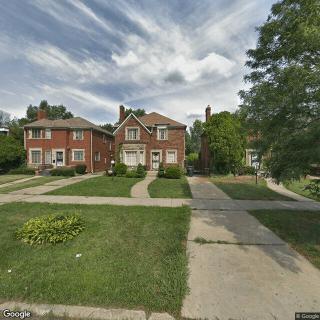
Loving Care Home #3
$850 to $1,000 / month6.9 miles away -
from -$100 / mo

King Special Care
$900 to $2,500 / month12.7 miles away -
About the same

Marian Oakland
$997 to $2,227 / month6.7 miles away -
from +$99 / mo

Imperial Senior Suites
$1,099 to $1,399 / month4.6 miles away
Overall Review of Mae June's Home
Pros
 The director was very professional.
- The home was clean and in good order.
Cons
 The facility was sold to a company that operated at a lower quality, resulting in the aunt being removed from the facility.
- Weeks' worth of dementia medications were not administered to the aunt.
- The reviewer described the situation as not good.
Review
Mae June's Home in Southfield is best suited for families seeking a small, home‑like setting anchored by a professional administrator and a clean, orderly environment. When leadership is steady and daily operations are well kept, the atmosphere can feel intimate and reassuring for residents who prefer a less institutional vibe. This community can work for seniors who value routine, personal touches, and a director who maintains visible oversight of staff and compliance. However, that fit rests on one nonnegotiable condition: ongoing stability in ownership and consistently dependable medication and care practices.
Those weighing alternatives should pay particular attention to dementia care and medication safety. The most consequential red flag in recent feedback centers on a change in ownership followed by allegations of weeks of unadministered dementia medications. That sequence is not a mere administrative hiccup; it translates directly into increased confusion, behavioral challenges, and risk for adverse health events. For families whose loved one relies on precise, timely medication and vigilant monitoring, Mae June's presents a real risk if governance appears unstable or if follow-through on med management is not demonstrably robust.
The positive notes about Mae June's are meaningful and not to be dismissed. A director described as professional and a home that is clean and well kept create trust on a day-to-day basis: residents tend to thrive when staff are attentive, spaces are orderly, and routines are predictable. These pros contribute to a sense of safety and comfort, reduce anxiety for residents and families, and support smoother family transitions when a move is needed. In tangible terms, clean surroundings and professional leadership can translate into better hospitality, fewer irritants for residents, and clearer accountability for staff.
Yet the pros do not fully offset the most serious con: the potential for ongoing medication gaps and the implied instability tied to ownership changes. Dementia care depends on reliable medication administration, timely MAR updates, and independent checks to prevent missed doses. When those processes are compromised, even a well‑run facility can become unsafe for residents who require strict adherence and close supervision. Families should not assume “professionalism” in the office automatically equals flawless clinical stewardship on medication passes. The risk profile shifts significantly in the wake of ownership turnover, making it essential to verify current operational controls before committing.
For families pursuing Mae June's, a disciplined due‑diligence checklist is nonnegotiable. Begin with a candid meeting with the current administrator to confirm who owns the facility today and what guarantees exist about long-term stability. Request recent medication administration records, up-to-date dementia care plans, and a clear outline of staffing ratios, on-call coverage, and nurse supervision. Ask to see the most recent state survey results and any corrective action plans, and speak with current residents and families about their day‑to‑day experiences. A transparent quality‑assurance program, regular audits, and documented accountability for med passes should be nonnegotiables before any decision.
In the end, Mae June's offers a legitimate foundation: a home-like environment with a professional director and clean premises. However, the most consequential trade-off is the history of ownership change paired with medications not administered as required. If stability, rigorous med management, and verifiable continuous quality oversight are the top priorities, alternatives with proven track records in dementia care and fewer ownership-related uncertainties deserve equal consideration. If the current administration can demonstrate enduring stability, robust medication protocols, and open, ongoing communication, Mae June's can still be a viable option for families who prize a personal, homelike setting without sacrificing essential clinical safeguards.
 Board and Care Home
 Private
 Detroit Metropolitan-Wayne County (19 miles away)
 Ambulatory care


 Understanding Home Health Care: A Comprehensive Guide
 Home Health Care Demystified: A Comprehensive Guide for Families and Caregivers
 Seniors and Modern Transportation: Exploring Uber, Lyft, and Other Ride-Hailing Options