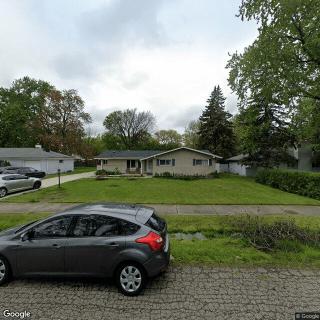
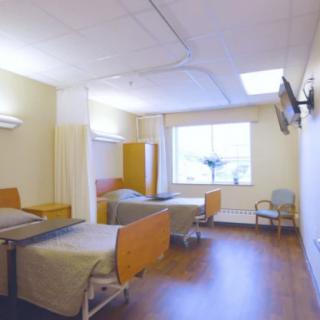
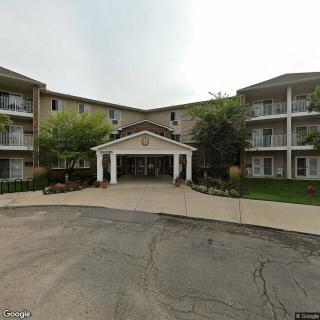
Sunset Assisted Living II in Southfield, MI

Information last verified:

26215 Lathrup Boulevard, Southfield, MI 48076

For more information about senior living options: (844) 490-3973

3.9 from 37 reviews
5 stars
25
4 stars
2
3 stars
0
2 stars
1
1 stars
9

Overall Review of Sunset Assisted Living II

Pros

  • pro The staff are caring and sincerely concerned with residents.
  • pro The staff and management are great, the food is good, and the building is beautiful and well kept.
  • pro Caregiver Barbara provides excellent care that puts families’ minds at ease.
  • pro Vera, the manager, is kind, helpful, and always there for families.
  • pro The Sunrise team treats residents like family and keeps them happy and healthy.
  • pro The environment is friendly with a great staff.
  • pro The staff led by Exec Director Vera is phenomenal.
  • pro The activities program, including Family Meetings and Support Groups, is outstanding.
  • pro Vera’s leadership sets Sunrise of Bloomfield Hills apart with professional, compassionate care.
  • pro The caregivers are angelic, warm, and highly professional.
  • pro Sunrise has a wonderful, directly-employed staff and a well-maintained facility.

Cons

  • pro Memory care floor shows poor housekeeping and poor meals.
  • pro The staff are very unprofessional and careless about residents, and some directors are aggressive toward the elderly.
  • pro The care coordinator is more worried about attorneys and collecting checks than about resident care.
  • pro It’s described as a prison with fluff.
  • pro The care was appalling; medications were not distributed in a timely manner and staff were lazy and uncaring.
  • pro The management is terrible and lacks knowledge about insurance policies.
  • pro There is a staff shortage and an incompetent leadership team.
  • pro They are only concerned with profit.

Review

Sunset Assisted Living II in Southfield is best suited for families seeking a warm, resident-centered environment where frontline caregivers form the core of daily life, especially for residents who benefit from memory-care support on a dedicated floor. The consensus among many families is that the community shows up in the moment: care teams that are visible, engaged, and genuinely concerned about individual residents, paired with a well-kept building and solid meal service. Those who prize a lively atmosphere, practical activities, and on-site management that makes themselves available will find this community a credible match. It’s not a cookie-cutter option; it rewards families who value hands-on attention and a pleasant physical setting over a hands-off experience.

The strongest positives revolve around the people who actually touch residents every day. Reviewers repeatedly highlight caring, attentive staff and on-site leadership that seems committed to watching over residents and answering questions promptly. The campus itself earns praise for being well maintained and aesthetically pleasant, which matters for long-term comfort and ease of living. When care staff are consistently engaged with residents, monitoring daily needs, coordinating with families, and providing reassurance, the day-to-day rhythm feels stable and trustworthy. For memory-care residents, that personal touch matters just as much as the specialized programming, giving families reasonable confidence that their loved one is appreciated and attended to.

Yet the picture is not uniformly bright. Several accounts point to meaningful gaps that can unsettle families, particularly on memory-care logistics. On one hand, the memory-care floor is described as a space with dedicated attention; on the other, a subset of reviews flags issues such as housekeeping lapses and inconsistencies in meal quality there. More broadly, concerns surface about staffing stability and continuity, including reliance on agency aides at times, which can disrupt consistency in care plans and daily routines. There are unfortunately reports of delayed medications, limited responsiveness to call bells, and moments where families felt leadership did not address problems promptly. These are not universal, but they are sufficiently frequent to warrant caution.

Those pros and cons yield a practical takeaway: the strong, visible care ethic and pleasant environment can offset many daily annoyances, but persistent operational gaps temper that offset. When on-site leadership is accessible and cares about continuity, families experience peace of mind that their loved one is treated with dignity and respect. The beauty of the building and the reliability of meal service contribute to a comfortable living experience, especially for residents who value routine and social engagement. However, if memory-care needs demand highly reliable, near-constant supervision and rapid medication management, the reported inconsistencies and staffing variability warrant close scrutiny before committing.

Who should consider alternatives? Families with residents who require ironclad, 24/7 responsiveness, or who have budgets that cannot tolerate uneven care or frequent care-plan gaps may want to explore other communities. If there is a history of frequent staff turnover, if agency staff are consistently relied upon without clear continuity in caregiving teams, or if reputable documentation of staffing ratios and med-pass supervision is unavailable, the risk of a rocky transition increases. Likewise, if a resident’s daily happiness hinges on consistent, high-touch care, without a comfortable buffer for occasional staffing hiccups, this community may feel undersupported compared with other options.

For families leaning in, a practical, action-oriented approach will help avoid misalignment. Schedule a live tour and observe not just common areas but a memory-care floor during a peak activity period and a typical mealtime. Speak with the administrator about staffing patterns, turnover, and how care plans are communicated to families; request a recent quality-assurance review and a transparent look at pricing with potential increases over time. Ask specifically about medication management workflows, response times to call lights, and housekeeping routines on the memory-care unit. Sunset Assisted Living II can be a strong fit for those who want a welcoming, well-run environment with caring staff; the decision should hinge on whether the operational consistency and budget alignment align with the resident’s highest care needs.

Features

Housing

  • 5 resident community capacity 5 resident community capacity

Types of Care

  • Assisted Living Assisted LivingAssisted living facilities provide crucial support and care for seniors who may need help with daily tasks such as medication management, bathing, and meal preparation. These communities offer a safe and comfortable environment where seniors can maintain their independence while receiving the assistance they need to thrive in their golden years.
  • Board and Care Home Board and Care HomeBoard and care homes provide a smaller, more intimate setting for seniors who require assistance with daily tasks but do not need the level of care offered by a nursing home. They offer personalized care, meals, and social activities in a homelike environment, ensuring that seniors receive individualized attention and support in their golden years.
  • Memory Care Memory CareMemory care is crucial for seniors as it provides specialized support and services for individuals with dementia or Alzheimer's disease. These programs offer a safe and secure environment where residents receive personalized care, cognitive stimulation, and help with daily activities. Memory care helps seniors maintain their independence, quality of life, and dignity while also providing peace of mind for their families.
  • Respite Care Respite CareRespite care provides temporary relief for caregivers, allowing them to recharge and attend to their own needs. It also gives seniors the opportunity to socialize, receive professional care, and experience a change of scenery, promoting overall well-being and reducing feelings of isolation.

Amenities

  • Cable or satellite TV Cable or satellite TVCable or satellite TV is important for seniors because it provides entertainment, news, and companionship, helping to combat loneliness and boredom. It also offers a wide range of programming options tailored to different interests and preferences.
  • Dining room Dining roomDining rooms are important for seniors as they provide a space for socialization, connection, and nutritious meals. They offer opportunities for residents to bond over shared meals, foster a sense of community, and promote healthy eating habits. Dining rooms also ensure that seniors have access to well-balanced meals tailored to their dietary needs and preferences.
  • Fully furnished Fully furnishedFully furnished senior living communities are important for seniors because they provide convenience, comfort, and a hassle-free moving experience. Seniors can easily settle into their new living space without the stress of having to buy and move furniture. This allows them to focus on enjoying their new home and community.
  • Garden GardenGardens are important for seniors as they provide a peaceful and therapeutic environment for relaxation, physical activity, and socialization. Being in nature has been shown to reduce stress, improve mood, and promote overall well-being. Gardens also offer opportunities for seniors to engage in gardening activities, which can improve mobility, flexibility, and cognitive function. Additionally, gardens create a sense of community and connection with others who share a passion for plants and outdoor spaces.
  • Housekeeping services Housekeeping servicesHousekeeping services are important for seniors because they help maintain a clean and safe living environment, promote independence, and reduce the risk of accidents or illnesses. Additionally, having assistance with household chores can alleviate physical strain and allow seniors to focus on other aspects of their well-being.
  • Move-in coordination Move-in coordinationMove-in coordination is important for seniors because it helps ease the transition into their new living environment. It ensures that all logistics, such as packing, organizing movers, and setting up utilities are taken care of, allowing seniors to focus on settling in and adjusting to their new home. Having a smooth move-in process can alleviate stress and anxiety, making the transition smoother and more enjoyable for seniors.
  • Outdoor space Outdoor spaceOutdoor spaces are important for seniors as they provide opportunities for physical activity, social interaction, exposure to natural light and fresh air, and a sense of connection to nature. Having access to outdoor spaces can improve overall well-being and quality of life for older adults living in senior communities.
  • Telephone TelephoneTelephones are important for seniors as they provide a lifeline for communication with loved ones, emergency services, and healthcare providers. They offer a sense of security and independence, enabling seniors to stay connected and access assistance when needed.
  • Wi-Fi/high-speed internet available Wi-Fi/high-speed internet availableWi-Fi/high-speed internet is important for seniors to stay connected with loved ones, access online resources, and participate in virtual activities to combat feelings of loneliness and isolation. It also allows them to easily manage healthcare needs, access entertainment, and engage in lifelong learning opportunities.

Transportation

  • Detroit Metropolitan-Wayne County (20 miles away) Detroit Metropolitan-Wayne County (20 miles away)

Care Services

  • 24-hour supervision 24-hour supervision24-hour supervision is important for seniors to ensure their safety, well-being, and access to immediate assistance in case of emergencies or health issues. This constant support provides peace of mind for both seniors and their loved ones, allowing them to age in place with dignity and security.
  • Activities of daily living assistance Activities of daily living assistanceActivities of daily living assistance are important for seniors because they provide essential support with tasks such as eating, bathing, dressing, and mobility. This assistance helps seniors maintain their independence, dignity, and overall quality of life as they age.
  • Assistance with bathing Assistance with bathingAssistance with bathing is crucial for seniors as it helps maintain personal hygiene, prevents infections, and ensures their overall well-being and comfort. It also provides a sense of dignity and independence for seniors who may struggle with this task on their own.
  • Assistance with dressing Assistance with dressingAssistance with dressing is important for seniors because it helps maintain their independence, promotes personal hygiene, prevents accidents and injuries, and improves overall quality of life. This service ensures that seniors can continue to dress comfortably and confidently, despite any physical limitations they may have.
  • Assistance with transfers Assistance with transfersAssistance with transfers is crucial for seniors as it helps prevent falls and injuries, maintains their independence, and ensures they can safely navigate their living environment. It also provides peace of mind for both seniors and their loved ones.
  • Coordination with health care providers Coordination with health care providersCoordination with health care providers is crucial for seniors to ensure proper medical care, medication management, and overall well-being. This collaboration helps prevent overlapping treatments, track progress more effectively, and provide comprehensive support tailored to individual needs.
  • Dementia waiver Dementia waiverDementia waivers are essential for seniors as they provide critical protections and accommodations for those experiencing cognitive decline. These waivers ensure individuals with dementia receive appropriate care, support, and resources to maintain their quality of life and dignity as they navigate the challenges of this progressive condition.
  • Diabetes diet Diabetes dietA diabetes diet is crucial for seniors as it helps manage blood sugar levels, reduce risks of complications, and improve overall health and well-being. By following a balanced and nutritious diet tailored to their specific needs, seniors can better control their diabetes and enhance their quality of life.
  • Hospice waiver Hospice waiverHospice waivers are important for seniors because they allow individuals to receive specialized end-of-life care and support at home or in a hospice facility. This waiver ensures that seniors can access the necessary resources and services to maintain comfort and dignity during their final days.
  • Meal preparation and service Meal preparation and serviceMeal preparation and service are crucial for seniors as they may have limited mobility or energy to cook nutritious meals. Having access to healthy and convenient food options can ensure they are getting the proper nutrition needed to maintain their overall health and well-being.
  • Medication management Medication managementMedication management is crucial for seniors to ensure they are taking the right medications at the correct dosages and times. This helps prevent adverse drug interactions, reduces the risk of medication errors, and promotes overall health and well-being. Proactive management also allows for adjustments as needed based on changing health conditions or new prescriptions.
  • Mental wellness program Mental wellness programMental wellness programs are essential for seniors as they promote cognitive stimulation, emotional support, and social engagement. These programs help prevent isolation, depression, and cognitive decline, ultimately enhancing the overall quality of life for older adults.
  • Mild cognitive impairment Mild cognitive impairment"Mild cognitive impairment" is important for seniors because it is an early stage of cognitive decline that can potentially progress to more severe conditions such as dementia. Recognizing and addressing mild cognitive impairment can help seniors receive appropriate care and support to maintain their quality of life and independence for as long as possible.
  • Special dietary restrictions Special dietary restrictionsSpecial dietary restrictions are important for seniors because age-related changes in metabolism and health conditions can make it difficult for their bodies to process certain foods. By following a diet tailored to their specific needs, seniors can maintain their overall health and well-being, manage chronic conditions, and reduce the risk of complications such as malnutrition or food interactions with medications.
  • Specialized memory care programming Specialized memory care programmingSpecialized memory care programming is crucial for seniors with cognitive impairments such as dementia or Alzheimer's disease. These programs provide a safe and supportive environment tailored to the unique needs of individuals with memory loss, helping them maintain their independence, dignity, and quality of life.
  • Transportation arrangement (medical) Transportation arrangement (medical)Transportation arrangements for medical purposes are essential for seniors as they may have difficulty driving themselves to appointments or accessing public transportation. Having reliable and safe transportation options ensures that seniors can receive timely medical care and maintain their health and well-being.
  • Transportation to doctors appointments Transportation to doctors appointmentsTransportation to doctors' appointments is crucial for seniors as it ensures they have access to necessary medical care and support for their health needs. Without reliable transportation, seniors may struggle to attend important appointments, leading to potential delays in treatment and health complications. Providing transportation services helps seniors maintain their overall well-being and quality of life.
Dining

  • Diabetes diet Diabetes dietA diabetes diet is crucial for seniors as it helps manage blood sugar levels, reduce risks of complications, and improve overall health and well-being. By following a balanced and nutritious diet tailored to their specific needs, seniors can better control their diabetes and enhance their quality of life.
  • Special dietary restrictions Special dietary restrictionsSpecial dietary restrictions are important for seniors because age-related changes in metabolism and health conditions can make it difficult for their bodies to process certain foods. By following a diet tailored to their specific needs, seniors can maintain their overall health and well-being, manage chronic conditions, and reduce the risk of complications such as malnutrition or food interactions with medications.

Activities

  • Community-sponsored activities Community-sponsored activitiesCommunity-sponsored activities are important for seniors as they provide opportunities for social interaction, mental stimulation, and physical activity. These activities can help improve overall well-being, combat loneliness and isolation, and promote a sense of belonging and purpose among older adults.
  • Scheduled daily activities Scheduled daily activitiesScheduled daily activities are important for seniors because they provide structure, socialization, mental stimulation, and physical activity. Engaging in regular activities can improve overall well-being and quality of life for seniors living in a community setting.

Description

Sunset Assisted Living II is a warm and inviting community located in Southfield, MI. We offer a range of care options, including board and care home, memory care, and respite care, ensuring that each resident receives the assistance they need in a comfortable and safe environment.

Our community boasts a variety of amenities to enhance the quality of life for our residents. Our spacious dining room provides a welcoming setting for meals, where residents can enjoy delicious and nutritious food. Each living space is fully furnished, offering convenience and comfort to our residents. Our garden and outdoor spaces allow residents to relax and enjoy the beauty of nature. Additionally, housekeeping services ensure that each residence remains tidy and well-maintained.

We understand that transitioning into assisted living can be overwhelming, so we provide move-in coordination services to ease the process for our residents. We also offer telephone and Wi-Fi/high-speed internet access to help them stay connected with their loved ones.

At Sunset Assisted Living II, we prioritize the wellbeing of our residents by providing comprehensive care services. Our staff assists with activities of daily living such as bathing, dressing, and transfers. They also coordinate with healthcare providers to ensure individualized care plans are implemented effectively. For those requiring specialized care due to dementia or mild cognitive impairment, we offer specialized memory care programming. Medication management is provided to support proper health management.

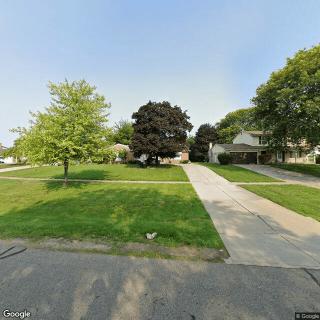
We understand that dietary needs may vary among our residents, which is why we accommodate special dietary restrictions such as diabetes diets through our meal preparation and service. Mealtime is an enjoyable experience where residents can nourish their bodies while socializing with others.

To promote mental wellness, we offer a mental wellness program designed to engage our residents in stimulating activities that promote cognitive function and emotional wellbeing. Transportation arrangements are available for medical appointments or visits to healthcare professionals.

In close proximity to Sunset Assisted Living II are numerous cafes, parks pharmacies, physicians' offices restaurants theaters nearby, offering our residents convenient access to various amenities and recreational opportunities.

At Sunset Assisted Living II, we strive to create a nurturing and supportive environment that allows our residents to thrive and enjoy their golden years.

Nearby Places of Interest

Pharmacies

  • Walgreens (1.6 miles)
  • CVS Pharmacy (1.8 miles)
  • Rite Aid (1.8 miles)
  • CVS Pharmacy (2.2 miles)
  • CVS Pharmacy (2.4 miles)
  • CVS Pharmacy (2.4 miles)
  • Walgreens (2.9 miles)

Cafes

  • Starbucks (2 miles)
  • Starbucks (2.9 miles)
  • Starbucks (3.4 miles)
  • Starbucks (3.7 miles)
  • Starbucks (3.8 miles)
  • Ferndale Project (4.4 miles)
  • Starbucks Reserve (4.5 miles)

Restaurants

  • McDonald's (2 miles)
  • Alex's of Berkley (2.2 miles)
  • Taco Bell (2.6 miles)
  • Brown Iron Brewhouse Royal Oak (2.9 miles)
  • McDonald's (3.2 miles)
  • Mt. Chalet II (3.5 miles)
  • Wendy's (3.6 miles)

Physicians

  • Be Well Medical Center (2.2 miles)
  • Royal Oak Pediatrics PC (3.2 miles)
  • Beverly Hills Orthopedists (3.4 miles)
  • Providence Medical Center (5.6 miles)
  • Troy Orthopedics Associates (5.8 miles)
  • Troy Medical Center (5.9 miles)
  • Millenium Diagnostic Center (7.2 miles)

Parks

  • Starr Jaycee Park (3.9 miles)
  • Shain Park (4.4 miles)
  • Harding Park (4.7 miles)
  • Clawson Park (5.3 miles)
  • Scout Park (6.5 miles)
  • Palmer Park (6.7 miles)
  • Flanders Park (8.1 miles)

Theaters

  • Emagine Royal Oak (3.9 miles)
  • MJR Troy Grand Digital Cinema 16 (5.8 miles)
  • AMC Star John R 15 (6.4 miles)
  • Riviera Cinema (6.7 miles)

Hospitals

  • Botsford Hospital (6 miles)
  • Park Geriatric Village (8.1 miles)

Places of Worship

  • St Hugo of the Hills Church (7.7 miles)
  • Big Beaver United Methodist Church (8.4 miles)

Frequently Asked Questions

Where is Sunset Assisted Living II?
Does Sunset Assisted Living II provide care for residents with dementia or Alzheimer's disease?

Nearby Communities

  • Sunset Residential Rehab

    Sunset Residential Rehab

    Lathrup Village, MI

    2.9 from 15 reviews
    $2,500 to $3,500 / month

    pro Competitive pricing relative to local averages; wheelchair accessible showers; nearby amenities (cafes, parks, pharmacies, restaurants).
  • Precious Years

    Precious Years

    Southfield, MI

    3.4 from 18 reviews
     

    pro Vibrant neighborhood with ample nearby amenities (cafes, parks, dining, and entertainment) supporting an active lifestyle.

  • Manor House- Alta

    Manor House- Alta

    Southfield, MI


    pro Great access to local amenities (cafes, parks, pharmacies, restaurants, theater).

  • Lathrup Manor

    Lathrup Manor

    Lathrup Village, MI

     
    $2,910 / month

    pro Affordable private room price with convenient access to parks, cafes, dining, and theater.

  • Meadowood

    Meadowood

    Southfield, MI

     
    $3,565 / month

    pro Competitive pricing with comprehensive amenities.

  • The Eilands Assisted Living

    The Eilands Assisted Living

    Southfield, MI

    3 from 1 review
    $2,800 to $3,500 / month

    pro Knowledgeable staff with a track record of providing care.

  • Medilodge Of Southfield

    Medilodge Of Southfield

    Southfield, MI

    3.5 from 114 reviews
     

    pro Friendly, attentive staff and effective therapy.

  • Meadow Crest

    Meadow Crest

    Southfield, MI

    3.3 from 13 reviews
     

    pro Caring management and well-kept grounds create a peaceful, neighborly senior community.

  • St Anne's Mead Retirement Home

    St Anne's Mead Retirement Home

    Southfield, MI

     
    $3,080 to $7,895 / month

    pro Clean facility with friendly staff and engaging activities.

Related Resources

  • assisted living vs memory careUnderstanding the Distinctions: Assisted Living and Memory Care Explained

    The article differentiates between assisted living and memory care, explaining that assisted living supports seniors with daily activities while promoting independence, whereas memory care provides specialized services for individuals with dementia, focusing on secure environments and cognitive support. It also addresses staff training, safety considerations, costs, family involvement, and transition strategies for families navigating these care options.

  • how to talk to someone with dementiaHow to Communicate with a Loved One Living with Dementia: 10 Supportive Strategies

    The article outlines effective communication strategies for interacting with loved ones with dementia, highlighting the need for empathy, patience, and understanding while emphasizing supportive approaches like using simple language, minimizing distractions, and focusing on feelings over facts to maintain dignity and foster connection. It also suggests seeking professional guidance when needed as communication challenges evolve.

  • va nursing homeComprehensive Guide to VA Nursing Homes: A Crucial Long-Term Care Resource for Veterans

    VA nursing homes, or Community Living Centers (CLCs), offer tailored long-term care for veterans, featuring medical attention and rehabilitation in a supportive environment. The guide covers facility types, eligibility criteria, financial assistance options, quality of care standards, and alternatives to full-time nursing home placement.