
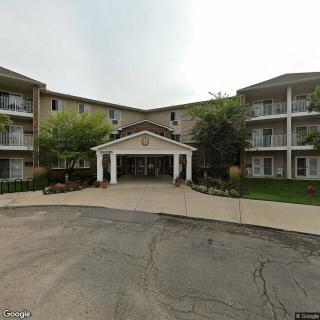
17945 Mcclung, Southfield, MI 48075
For more information about senior living options: (866) 208-4318
Overall Review of Mcclung Adult Foster Care Home
Pros
 The owner is awesome and has an amazing spirit.
- The owner does an awesome job in making sure the homes are well taken care of.
- The staff is very well trained.
- The owner and staff have made amazing progress with her daughter.
Cons
 The reviewer notes a culture of lies and coworkers being talked about 24/7 without real guidance.
- The job’s environment allegedly shifted from amazing to a toxic workplace where management cared little for employees.
- It’s claimed that the owners and managers wouldn’t answer calls in a time of need and failed at basic duties like restocking supplies.
- Employees are said to have faced physical assault by patients with no adequate help or support.
- The job is described as drama-filled and mentally exhausting, despite promises of a welcoming environment.
- The home provider is reported to make appearance-based comments, causing the reviewer to feel uncomfortable.
Review
McClung Adult Foster Care Home in Southfield, MI is best suited for families seeking a small, home-like environment where the owner remains personally invested in daily care. The model appeals to residents who thrive on individualized attention, closer daily contact with caregivers, and a sense of belonging in a family-like setting rather than a large institutional atmosphere. Those drawn to this home are typically comfortable with a more intimate, less formally structured environment. However, this comes with trade-offs: if stability, predictable staffing, and robust safety oversight are non-negotiable, alternatives with larger teams and formal processes should be on the shortlist.
On the positive side, several reviews highlight the owner’s commitment and a tangible, hands-on approach. When the owner is described as having an amazing spirit and a drive to keep homes well cared for, that translates into a warm atmosphere and a genuine, everyday focus on comfort and routines. The staff is portrayed as well trained, with care standards that families can trust, and one testimonial notes real progress and trust in care for a daughter who feels at home. For families prioritizing a nurturing, intimate setting, these signals carry weight and can translate into meaningful daily life for residents.
Yet the picture is far from uniform. A significant caution comes from a review that depicts a toxic workplace with long hours, poor communication, and a sense that leadership disregards staff needs. That kind of atmosphere can bleed into resident experiences, delays in responses, supply gaps, or slower handling of emergencies. Another concern centers on a caregiver setting where comments about appearance created discomfort, signaling potential disrespect or bias. Taken together, these flags do not condemn the home outright, but they raise real questions about consistency, safety, and the emotional climate under which residents live.
Key pros can offset some risks if the owner’s hands-on approach remains constant and staffing is reasonably stable. A dedicated proprietor who keeps homes clean, orderly, and well run can deliver steady, compassionate care to residents who need help with daily activities and a sense of belonging. However, the negative experiences reported about leadership responsiveness and workplace morale cannot be dismissed; they threaten timely care, staff reliability, and resident trust. The best-case scenario is a cohesive, well-structured environment where the owner’s involvement keeps the home intertwined with residents’ routines, while the worst-case scenario is a drift toward inconsistencies that undermine comfort and safety.
Move-alternatives are worth considering for families that cannot accept even occasional lapses in staff availability or respectful treatment. Larger, more procedure-driven facilities often offer clearer staffing ratios, routine response protocols, and formal grievance channels, at the cost of some intimacy. Smaller, other-owner homes may provide an equally personal feel but with demonstrated staff retention and fewer reports of internal drama. In any case, it is essential to weigh how quickly staff respond, how often residents interact with a stable caregiver, and whether the setting supports comfortable social interactions without exposing residents to biased or discourteous behavior.
Decision-making should hinge on direct, verifiable assurances. Prospective families should visit the home, observe how staff interact with residents, and request to meet the owner and several caregivers. Ask for a week-by-week schedule, inquire about response times during call-ins, and verify licensing records and any incident history. Speak with current families and residents about daily life, safety, and how concerns are addressed. If a resident has complex needs or requires consistent, rapid emergency support, consider alternatives that offer stronger formal oversight. For those who value a family-like environment and are prepared to monitor ongoing morale and leadership dynamics, McClung may prove a warm, home-centered choice.
 6 resident community capacity
 Assisted Living
 Cable or satellite TV
 Dining room
 Fully furnished
 Garden
 Housekeeping services
 Move-in coordination
 Outdoor space
 Telephone
 Wi-Fi/high-speed internet available
 Detroit Metropolitan-Wayne County (18 miles away)
 24-hour supervision
 Activities of daily living assistance
 Assistance with bathing
 Assistance with dressing
 Assistance with transfers
 Diabetes diet
 Meal preparation and service
 Medication management
 Special dietary restrictions
 Transportation arrangement (medical)
 Transportation to doctors appointments





 Assisted Living and Memory Care: Understanding Their Core Differences
 Beyond the Bingo Hall: 50+ Enriching Activities for Seniors in Assisted Living
 Understanding the Distinctions: Assisted Living and Memory Care Explained