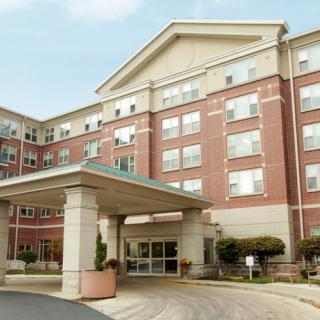
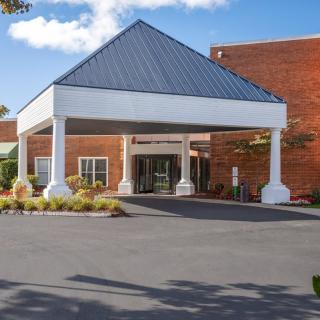
Jewish Home For the Aged in Southfield, MI
Save
Information last verified:
26051 Lahser Rd, Southfield, MI 48034
For more information about senior living options: (844) 490-3973
This community is best suited for families that prioritize a consistently warm, caregiver-focused experience in which staff demonstrate patience, clear communication, and a high-touch approach from intake through discharge. The reviews repeatedly highlight front-desk efficiency, nurses who are gentle and reassuring, and clinicians who take time to explain procedures in accessible terms. For parents navigating pediatric procedures, the atmosphere often feels welcoming, organized, and oriented toward reducing fear and confusion. When a family’s priority is to see their child treated with kindness, respect, and practical guidance at every step, this setting tends to deliver.
That said, several families should consider alternatives or at least proceed with extra caution. The most persistent red flags in the reviews are billing and scheduling inconsistencies, including demands for upfront payments, ambiguous charges, and post-visit bills that contradict initial estimates. A subset of reviewers also reports rude or dismissive conduct on the phone or in person, which can undermine trust just when reassurance is essential. There are a few accounts alleging discriminatory behavior toward autistic children, which raises a serious concern for families that require sensitive, individualized care. For those who cannot tolerate cost ambiguity or uneven customer service, looking elsewhere is prudent.
On balance, the strong points, compassionate staff, thorough explanations, clean facilities, and a culture that aims to comfort anxious families, do offset many of the negatives for a wide swath of families. The clearest offset is in the human connection: when nurses and doctors take time to answer questions, calm nerves, and provide comforting routines (such as a stuffed animal for a child or a careful walk-through of what to expect post-anesthesia), families feel secure and cared for. In a setting where fear and stress around a procedure can magnify, this relational strength often makes the logistics tolerable and the overall experience manageable. Where issues arise, they tend to be administrative rather than clinical in nature, and the clinical team still garners broad praise for competence and bedside presence.
However, the main cons demand serious consideration. The upfront payment practice and the friction around insurance processing repeatedly surface as a source of frustration and anxiety for families already navigating stress. Billing disputes or unexpected out-of-pocket estimates can sour an otherwise positive clinical experience, and some reviewers describe the process as opaque or inconsistent. Scheduling has also been criticized at times, early morning check-ins, unclear wait times, and occasional misalignment between promised and actual appointment times can disrupt a family’s day and add unnecessary pressure. Additionally, while most experiences are favorable, the occasional report of disrespectful or dismissive staff cannot be ignored; even a single negative encounter can significantly color a family’s perception of the entire care episode.
For families weighing the decision, practical steps can reduce risk and improve outcomes. Start with a frank billing conversation: request a clear, itemized estimate that delineates what the facility expects upfront, what the insurer covers, and what becomes the family’s responsibility. Ask for a dedicated billing contact and a written timeline for when payments are due and when insurance claims will be filed or adjusted. Before arrival, confirm staff availability for autism- or disability-related needs, and inquire about staff training in handling children with sensory or communication challenges. Inquire about the process for addressing concerns with customer service, including escalation paths to supervisors, so fragile situations do not escalate unchecked. Finally, verify the facility’s policies on scheduling and cancellations, and seek recent testimonials about consistency in care and billing transparency.
The bottom line is practical and clear: this community excels when care is anchored by warm, capable staff who explain everything and reassure families at every pivot point. For families who value that human-centric care and are comfortable navigating occasional billing ambiguities, the experience can be remarkably positive and reassuring. Yet the notable frequency of billing disputes, occasional lapses in customer service, and serious concerns raised by some parents about discrimination mean this is not the best fit for every family. If cost transparency, predictable scheduling, and consistently respectful interactions are non-negotiable, it is wise to compare alternatives that offer tighter guarantees on billing practices and a more uniform customer-service track record.
In sum, for families seeking a caregiver-driven environment with strong clinical competence and a comforting, child-centered approach, this community remains a compelling option. The decisive caveat is financial and administrative clarity: ensure transparent upfront estimates, confirm insurance workflows, and probe for consistency in staff interactions. When these areas are satisfactorily addressed, the overall care experience tends to be highly favorable. If they cannot be secured, or if past experiences with billing and service have left doubts, exploring other centers with a steadier track record on cost and customer service is a prudent course.
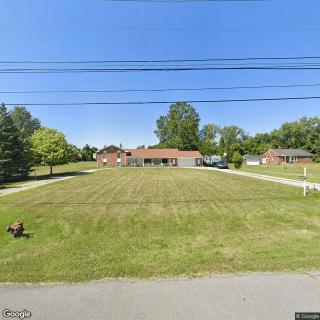
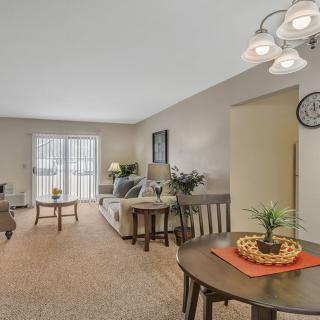
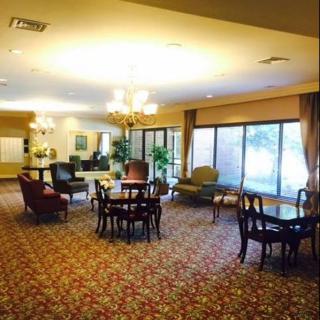
The Jewish Home For the Aged in Southfield, MI is an assisted living community that offers a range of amenities and care services to its residents. With devotional services available off-site, residents are provided with the opportunity to engage in religious practices and connect with their spirituality. The indoor common areas offer a comfortable space for socializing and interacting with fellow residents.
One of the key care services provided at this community is diabetic care, ensuring that individuals with diabetes receive proper management and support for their condition.
Residents can also participate in devotional activities offsite, giving them the chance to further explore their faith and engage in communal worship.
The community also boasts convenient access to various nearby establishments. With 5 cafes, 11 pharmacies, 3 physicians, 11 restaurants, 1 theater, and 1 hospital in close proximity, residents have easy access to amenities and healthcare services.
Overall, the Jewish Home For the Aged provides a supportive and inclusive environment for seniors in need of assisted living.
Located in Southfield, Michigan, this area offers convenient access to a variety of amenities that cater to the needs of seniors. With multiple pharmacies such as CVS and Walgreens within a short distance, residents can easily access their medications and healthcare needs. A selection of well-known restaurants like McDonald's, Wendy's, and Taco Bell provide dining options close by. For those looking for a caffeine fix or a place to relax, several Starbucks cafes are available nearby. In terms of healthcare, there are reputable physicians' offices and hospitals located within a few miles, ensuring quality medical care is easily accessible. Additionally, entertainment options include theaters like Riviera Cinema and Emagine Royal Oak for leisure activities. Outdoor enthusiasts will appreciate the nearby parks such as Shain Park and Woodland Hills Nature Park for recreational opportunities. Lastly, individuals seeking spiritual fulfillment can attend St Hugo of the Hills Church for worship services. Overall, this part of Southfield offers a blend of convenience, healthcare options, entertainment choices, and spiritual support suitable for seniors looking to reside in the area.
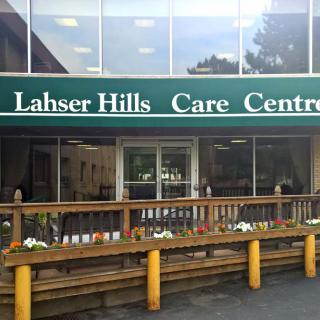
Jewish Home For the Aged is located at 26051 Lahser Rd, Southfield, MI 48034 in Oakland County, Michigan
Comprehensive Insights into Activities of Daily Living (ADLs) and Their Assessment

Activities of Daily Living (ADLs) are fundamental tasks vital for an individual's independence, particularly in older adults over 85, and include functions like bathing and dressing; assessing ADLs alongside Instrumental Activities of Daily Living (IADLs) helps determine the level of required assistance due to age-related health challenges. Tailored support plans, involving family and community resources, are essential for maintaining dignity and autonomy in assisted living environments.
Medicare Coverage for Assisted Living: An In-Depth Exploration

Medicare does not cover assisted living costs, as it focuses on acute medical needs and short-term care, with exceptions for certain medically necessary services like physical therapy. Individuals must explore other options such as Medicaid, veterans' benefits, or long-term care insurance to manage these expenses effectively.
Your Comprehensive Guide to Luxury Assisted Living: Elevated Facilities, Amenities, and Costs
Luxury assisted living offers high-quality senior care in a resort-like environment that combines essential medical support, gourmet dining, and personalized services to enhance residents' independence and well-being. These upscale facilities emphasize holistic health and community-building through customized care plans and social activities, catering to the growing demand for enriched senior living experiences despite higher costs.