
4790 Scottdale Rd, Saint Joseph, MI 49085
To contact a resident: (269) 429-0097
For more information about senior living options: (866) 208-4318
Gilead Elder Care St. Joseph Costs & Pricing
Gilead Elder Care St. Joseph offers competitive pricing for its private room accommodations at $3,000 per month, making it a more affordable option compared to both Berrien County and the broader state of Michigan. In Berrien County, the average cost for similar private room facilities is approximately $3,396, while across Michigan, it climbs to around $3,675. This positions Gilead Elder Care St. Joseph as a budget-conscious choice for families seeking quality elder care without compromising on essential services or comfort. The facility's pricing not only reflects its commitment to providing accessible care but also highlights its value within the local market landscape.
| Floor plans | Gilead Elder Care St. Joseph | Berrien County | Michigan |
|---|---|---|---|
| Private | $3,000 | $3,396 | $3,674 |
Senior living communities with a similar price nearby
-
from -$405 / mo
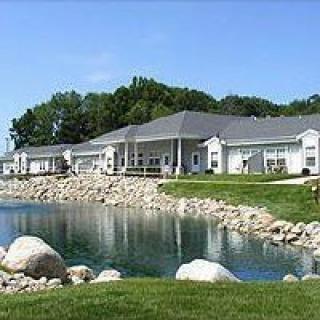
Woodland Terrace Magnolia Court
$2,595 to $3,075 / month7.8 miles away -
from -$500 / mo

Caretel Inns of Lakeland
$2,500 to $4,788 / month1.2 miles away -
from +$450 / mo
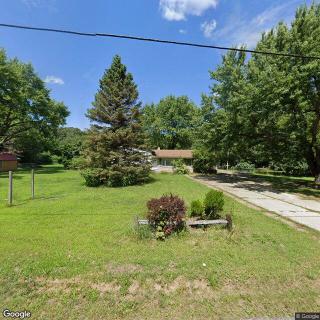
Mitchell's Country Care
$3,450 / month21.5 miles away -
from -$155 / mo
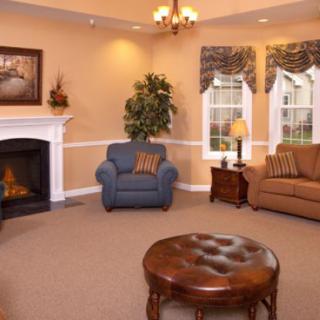
Woodland Terrace of Longmeadow
$2,845 to $3,295 / month15.8 miles away -
from +$570 / mo

Wellbrooke Of South Bend
$3,570 to $4,800 / month23.0 miles away
Overall Review of Gilead Elder Care St. Joseph
Pros
 She loves it there and has made friends with the staff and other patients.
- It is a small facility with a high staff-to-patient ratio in a home-like setting.
- The staff are very caring and accommodating when families visit.
- The facility is the most beautiful location with a home-like environment, and the staff are knowledgeable and caring.
- The staff show residents and their families how much they are cared for, giving a feeling of coming home.
- Wendy and her staff provide excellent care.
- The caregivers are friendly and dedicated, and they welcome family visits at any time.
- The home is very clean and there are no odors.
Cons
 The reviewer notes that calls went unanswered after three attempts, implying the facility is not very professional.
- They describe this as the place you send your loved ones to die and do not recommend it for higher functioning patients.
- The reviewer recounts a two-month stay where the mother became emaciated and overmedicated, with no updates provided to the family, and she was unwashed with thick cradle cap and hair loss.
- The bathrooms were described as being covered in feces and filth.
- They learned that others had removed their loved ones from the facility for similar reasons, citing overmedication as a major issue.
Review
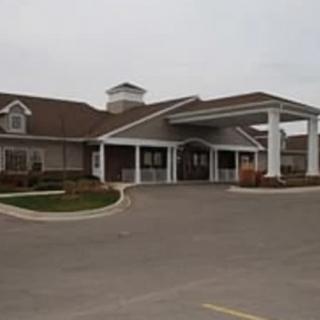
Gilead Elder Care St. Joseph is best suited for families seeking a compact, home-like setting where seniors receive high-touch, personal care from a steady caregiving team. The facility’s small footprint translates into a warmer, more intimate environment, with a noticeably strong caregiver-to-resident ratio. Residents tend to form relationships with staff and classmates, and family visits are welcomed with little logistical friction. For seniors who prioritize companionship, quick access to assistance, and a sense of “being at home,” this community can feel like a reassuring fit. The setting also appeals to families who value visible staff engagement and the ability to drop by at almost any time without hunting for staff or waiting for a scheduled window.
Those considering alternatives should focus on residents who require more structure, robust medical oversight, or a highly organized activity calendar. If a family prioritizes highly predictable programming, regular medical updates, or a tightly regulated medication regimen, larger facilities with formalized routines may better meet those expectations. Additionally, when flawless communication and rapid, consistent updates to families are non-negotiable, a community with a track record of responsive administration will usually outperform a smaller operation that has shown uneven phone accessibility. For higher-functioning elders who crave mental stimulation and deliberate programming, other options may deliver more purposefully designed activities and social opportunities.
On the upside, the strongest positives center on the warmth of the environment and the attentiveness of the team. The setting feels like a true home, not a hospital, and residents benefit from attentive, individualized care that family members often perceive as genuine and compassionate. The staff’s familiarity with residents tends to translate into timely help with daily tasks, a sense of safety, and ease during visiting hours. Cleanliness and a generally odor-free atmosphere, at least in several accounts, reinforce the sense of a well-tended space. When care needs are substantial, the combination of familiarity, dedication, and a small-community vibe can deliver substantial reassurance to families and residents alike.
However, these strengths must be weighed against serious red flags raised in multiple accounts. The most troubling are reports of overmedication, neglect, and a decline in a resident’s condition that was not promptly communicated to family members. Instances described as emaciation, uncleaned or neglected personal care, and bathrooms stained with filth point to potential lapses in medical oversight and hygiene. A pattern of poor or delayed communication, such as unanswered calls or late updates, further compounds concern, especially for families juggling care from a distance. Taken together, these reports suggest that, while compassionate care exists, oversight gaps can lead to dangerous situations if not actively addressed.
Given these conflicting signals, practical due diligence is essential before committing. Prospective families should schedule in-person meetings with administration and the care director to review policies on medications, physician oversight, and incident reporting. Request to observe caregivers in action during routine tasks and mealtimes, and speak candidly with current residents and their families about day-to-day quality of life. Examine the facility’s sanitation routines, housekeeping frequency, and how often staff respond to alarms or call lights. Obtain copies of recent inspection reports and the care plan framework, including how changes are communicated to families. If possible, request a short-term or trial stay to evaluate compatibility without long-term commitment.
In the end, Gilead Elder Care St. Joseph can be an excellent match for families prioritizing a homelike atmosphere, high personal attention, and a facility that feels like a community more than a clinic. Those who value a transparent, highly communicative operation and a robust, activity-rich program may find the current gaps too significant to overlook. The best course is a careful, on-site evaluation that probes medical management, hygiene standards, and responsiveness, paired with a frank dialogue about expectations and red flags. When oversight is proactive and family communication is reliable, the strengths can materially offset the weaknesses; when it isn’t, alternatives with stronger clinical governance and structured programming will likely provide greater peace of mind.
 Board and Care Home
 Private
 Respite or short term stays offered
 South Bend Regional (23 miles away)
 Ambulatory care
 Diabetic care
 High acuity care


 Comprehensive Guide to Medicare Coverage for Hospice Care
 Caring for Those Who Care: Recognizing, Understanding, and Overcoming Caregiver Burnout
 Caregiver Exhaustion: Recognizing the Signs and Restoring Your Well-Being