Overall Review of Hospital Road Home
differentiator
9 reviews mention this
Therapy stands out for many
Physical and occupational therapy is repeatedly described as helpful and effective.
Multiple residents and families praise the rehab therapy experience, including PT/OT and more specialized neuro care. A number of reviewers say the therapy team helped rebuild mobility, confidence, and strength enough to return home. Even some negative reviews concede PT is good, suggesting the therapy department is a consistent bright spot. Where complaints do appear, they often focus on staffing or nursing response rather than the therapy itself.
common
19 reviews mention this
Staff kindness varies by shift
Many reviewers describe staff as kind and attentive, but others report rudeness and neglect.
A large share of reviews say staff members were compassionate, caring, and supportive—especially nurses, CNAs, therapists, and doctors who listened to concerns. Several families also mention feeling kept informed and treated with respect during rehab and recovery. At the same time, other reviews describe rude behavior, long waits for help, and inconsistent care, including complaints about night-shift staffing and call-light response. The overall pattern is that experiences can depend heavily on who is on duty and how communication is handled.
caveat
10 reviews mention this
Call-light and response complaints
Some families report long delays getting help when needed.
Several reviews complain that getting assistance takes too long, with call lights unanswered for extended periods or care arriving late. Some reviewers describe medication timing problems and staff not following through as promised. A few also mention difficulties reaching units or getting clear answers by phone, including being redirected or having calls not returned. These concerns often show up alongside broader issues with care follow-through rather than isolated service hiccups.
common
8 reviews mention this
Food quality draws mixed reviews
Dining is a common point of satisfaction or frustration.
Reviews about food range from strong disappointment to positive surprises. Some residents and families say meals were inedible, sparse, or involved frequent problems with what was served. Others mention better-than-expected dining, with menu variety and snacks served throughout the day. A separate thread of comments focuses on dietary preferences and restrictions not being followed consistently.
caveat
3 reviews mention this
Diet support is offered, inconsistently followed
The community says it supports special diets, but some reviewers report issues with requests.
The community offers meal preparation and service that includes special dietary restrictions and diabetes-related needs. Still, at least one reviewer describes being denied requested dietary items and receiving meals that didn’t match the stated restriction. Other comments criticize kitchen performance, including mismatches between preferred options and what was served. Overall, support for diet needs appears on the service side, but the follow-through described by residents and families isn’t consistently positive.
caveat
8 reviews mention this
Care coordination and communication vary
Communication and discharge planning are described as uneven by families.
Some reviews praise communication and say teams kept family members informed, coordinated care, and supported transitions. Other families report poor communication, unanswered calls, or delays in getting information during admission and discharge. Several reviews mention discharge outcomes like missing details, missing follow-up steps, or sending someone home without what families expected. Together, the comments suggest coordination can go smoothly for some families and fall apart for others.
How we summarize
Counts show how many written reviews mention each theme; a review can touch several themes, and only frequently mentioned themes are displayed.

 6 resident community capacity
 Assisted Living
 Cable or satellite TV
 Dining room
 Fully furnished
 Garden
 Housekeeping services
 Move-in coordination
 Outdoor space
 Telephone
 Wi-Fi/high-speed internet available
 Mbs International (6 miles away)
 24-hour supervision
 Activities of daily living assistance
 Assistance with bathing
 Assistance with dressing
 Assistance with transfers
 Diabetes diet
 Meal preparation and service
 Medication management
 Special dietary restrictions
 Transportation arrangement (medical)
 Transportation to doctors appointments
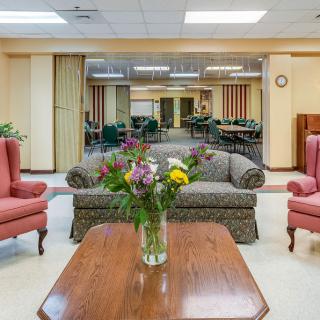
 Comprehensive care with 24/7 supervision, meals, transportation, and furnished units.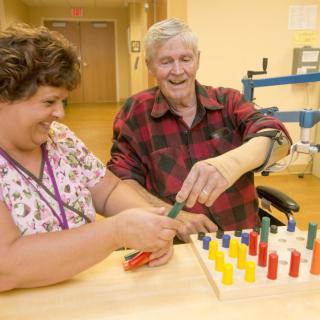



 Senior Transition Services: Understanding Their Role, Cost, and Importance
 Exploring the Path to Senior Living: A Comprehensive Look at Independent Living and Assisted Living
 Is Assisted Living Deductible on Your Taxes? Understanding the Complexities of Assisted Living Expenses and Deductions