
720 Hancock, Saginaw, MI 48602
For more information about senior living options: (866) 208-4318
Overall Review of Hope Adult Foster Care
Pros
 The atmosphere is warm and caring.
- It is excellently run.
- The home is very family-friendly, treating residents like family.
- The staff are devoted to residents' care, health, and daily life.
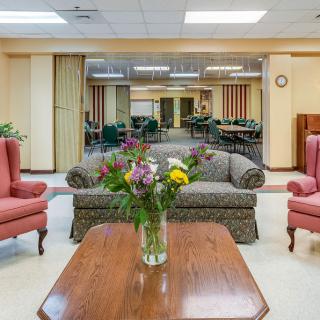
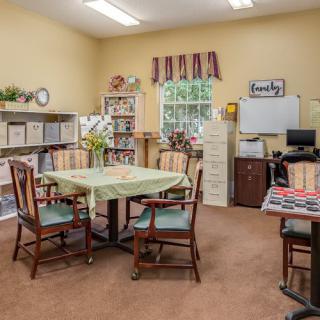
- The rooms are big, nicely decorated, and offer plenty of space without crowding.
- Meals are cooked and prepared with plans and dedication.
- The fenced-in yard is cozy and a great place to enjoy the weather.
Review
Hope Adult Foster Care in Saginaw is best suited for seniors or adults who want a small, home-like setting where caregivers treat residents as family, offering generous personal space and a walkable locale. This community shines for families prioritizing warmth, dignity, and a daily routine anchored in genuine attention. It is ideal for someone who values a cozy, carefully run home atmosphere over a sprawling campus, and who appreciates living in a neighborhood-friendly area within easy reach of downtown amenities.
Those who should consider alternatives are families seeking extensive clinical oversight, a wide-ranging activity calendar, or specialized memory care. A larger facility with dedicated nursing staff, more on-site medical services, or a broader menu of structured programs may better serve residents with complex medical needs or a desire for more diverse social engagement. For residents who prefer a highly regimented environment or require frequent, intensive care, other options may deliver more of what is needed.
The strongest levers here are clear and decisive: a warm, caring atmosphere and a family-friendly approach that shows in every detail. Reviews describe residents being treated like family, with devoted attention to health, daily life, and quality of living. The living spaces support comfort, big rooms and tasteful decoration keep environments dignified without feeling crowded. Meals are not generic; they are planned and prepared with care, reinforcing a sense of routine and nourishment. The fenced yard and a pleasant outdoor area offer seasonal calm and opportunities to sit, reflect, or watch the neighborhood, attributes that reinforce a homey, safe feeling. Coupled with a convenient location near downtown, residents can enjoy outings or short walks to nearby stores, adding independence within a supported setting.
Operationally, the home-like model appears to be well-run, consistent, and resident-focused. The combination of spacious rooms, tasteful decor, and a tidy, respectful daily life supports a comfortable standard of living and a sense of personal dignity. The proximity to downtown amenities adds practical appeal for residents who want to maintain independence by walking to nearby shops or enjoying light social outings. In short, the core strengths, personal attention, an affable atmosphere, and comfortable, unhurried days, create meaningful quality of life for residents who thrive in intimate environments.
The main trade-off to watch for is the potential gap between a small, home setting and the demands of higher-acuity care. While the reviews celebrate warmth, respect, and attentiveness, it’s prudent to confirm whether enough on-site medical support, nursing oversight, and enrichment programming are available to meet the resident’s evolving needs. If a resident’s daily requirements or health needs could outgrow a foster-care model, the extra layers of clinical resources found in larger facilities may be essential. That said, for many with straightforward care needs and a preference for a personable, home-based experience, these considerations tend to be outweighed by the daily security of genuine care and the comfort of living in a tidy, well-run home.
For families weighing the choice, the practical path is clear: pursue a visit with a goal of confirming the fit. Assess staffing interactions, do caregivers anticipate needs quickly and with warmth? Inspect the rooms and common areas for space, privacy, and cleanliness. Review meal planning in practice, whether special diets or preferences are accommodated, and observe outdoor time in the fenced yard. Ask about routine, structure, and social opportunities, and verify proximity to desired amenities. If the resident prioritizes a family-like culture, adequate personal space, and a location that makes everyday errands simple, Hope Adult Foster Care offers a compelling, dependable option worth committing to.
 6 resident community capacity
 Assisted Living
 Cable or satellite TV
 Dining room
 Fully furnished
 Garden
 Housekeeping services
 Move-in coordination
 Outdoor space
 Telephone
 Wi-Fi/high-speed internet available
 Mbs International (10 miles away)
 24-hour supervision
 Activities of daily living assistance
 Assistance with bathing
 Assistance with dressing
 Assistance with transfers
 Diabetes diet
 Meal preparation and service
 Medication management
 Special dietary restrictions
 Transportation arrangement (medical)
 Transportation to doctors appointments


 8 Key Indicators That Suggest It May Be Time to Transition from Assisted Living to Skilled Nursing Care
 Vibrant Senior Living: A Comprehensive Guide for Active Older Adults
 When to Transition from Assisted Living to Memory Care: Key Indicators, Steps, and Finding the Right Community