
704 South Michigan, Saginaw, MI 48602
For more information about senior living options: (866) 208-4318
Overall Review of Hoornstra Afc Home
Pros
 The staff are friendly and cheerful.
Cons
 The staff are very rude.
- The tone of the phone call was very angry and nasty.
- The reviewer would not recommend this service provider to anyone.
Review
Hoornstra Afc Home in Saginaw, MI is best suited for families that want a small, intimate setting and are prepared to take an active role in overseeing care. This community can work for residents who are relatively independent and don’t require constant, high-touch supervision, provided there is a willingness to engage with staff and advocate for clear communication. The real determinant is tolerance for fluctuations in staff mood and tone; when frontline workers are friendly, the atmosphere can feel personal and approachable, but when interactions sour, the experience can deteriorate quickly. In practical terms, this option rewards hands-on involvement and vigilant oversight, rather than passivity.
Those who need relentless, uniformly courteous service and consistently predictable staffing should look elsewhere. The strongest warning signs come from a pattern of abrupt or harsh communication, which erodes trust and raises questions about responsiveness during evenings, weekends, or emergencies. Families prioritizing proactive problem-solving, transparent reporting, and steady, warm interactions will rightly consider other facilities that demonstrate steadier bedside manner and steadier staffing. This is not a facility that can be counted on to deliver uniformly polished communication without supervision from loved ones or a dedicated administrator.
The most tangible pro, some days, the staff exhibit a genuinely friendly, cheerful demeanor, can make daily routines smoother and care feel more personalized. That upside, however, is tempered by the opposite experience described in other encounters: rude, angry tone over the phone and a clearly strained or brusque attitude at times. The gap between these two extremes matters, because the difference in how questions are answered, how concerns are acknowledged, and how smoothly scheduling and medication routines run directly impacts safety and peace of mind. In a setting where care decisions hinge on timely information and approachable staff, this inconsistency becomes the primary risk factor to monitor.
Given the limited number of reviews, the facility’s overall performance appears mixed rather than clearly strong. A two-star to three-star signal combined with conflicting firsthand accounts suggests a residence that can deliver genuine moments of warmth, yet is vulnerable to miscommunication and resentment if staff dynamics slide. For families assessing this option, the takeaway is to treat the staff as the most fragile link in the care chain, one that can either carry a resident through everyday routines with ease or complicate simple tasks through curt or dismissive responses. The rating implies that reliability and tone are the decisive variables beyond basic amenities.
A practical due-diligence plan can reduce risk before making a move. Schedule an in-person meet-and-greet with the administrator or the head caregiver to observe how staff greet residents and handle questions. Request to tour the care areas during a typical day and to meet the person who would coordinate care. Ask for a written outline of daily schedules, medication management, and what happens when a resident requires urgent assistance. Inquire about how concerns are logged and escalated, and seek references from current families willing to discuss their experiences. If possible, arrange a short trial period to evaluate daily rhythms, meal service, and the consistency of who delivers care.
Bottom line: Hoornstra Afc Home can work for families who are ready to stay engaged, push for clear communication, and tolerate a degree of inconsistency in staff demeanor while benefiting from a small, home-like environment. For anyone who places a premium on uniformly warm, respectful interactions, or on consistently smooth coordination across all shifts, this option should not be the first choice. The decision hinges on willingness to monitor, advocate, and escalate when needed, balanced against the desire for intimate surroundings and potentially lower-cost, straightforward care. In practice, a thorough visit, candid conversations with staff, and concrete expectations written into an agreement are essential to determine whether this community can truly meet the resident’s ongoing needs.
 12 resident community capacity
 Assisted Living
 Board and Care Home
 Cable or satellite TV
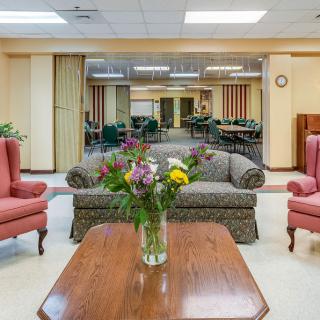
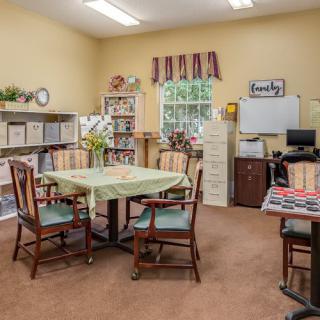
 Dining room
 Fully furnished
 Garden
 Housekeeping services
 Move-in coordination
 Outdoor space
 Telephone
 Wi-Fi/high-speed internet available
 Mbs International (10 miles away)
 24-hour supervision
 Activities of daily living assistance
 Assistance with bathing
 Assistance with dressing
 Assistance with transfers
 Diabetes diet
 Meal preparation and service
 Medication management
 Special dietary restrictions
 Transportation arrangement (medical)
 Transportation to doctors appointments

 Beyond the Bingo Hall: 50+ Enriching Activities for Seniors in Assisted Living
 Understanding the Distinctions: Assisted Living and Memory Care Explained
 Guiding Elderly Parents Who Refuse Assisted Living: 6 Practical Steps