
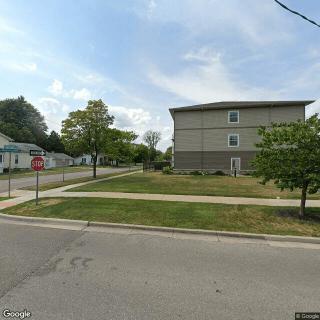
515 North Michigan, Saginaw, MI 48602
For more information about senior living options: (866) 208-4318
Overall Review of Covenant Medical Center
Pros
 The staff are very understanding and keep patients informed on everything.
- They are proud of choosing these doctors.
- The staff here are outstanding, with Libby highlighted for excellent care.
- The grandfather received the best care in his 68 years.
- They take good care of patients and their kids.
Cons
 This place is nothing but a joke.
- They say one thing then another and take kids.
- The nurses are rude.
- They were very understaffed.
- The care was horrible.
Review
This Covenant Medical Center in Saginaw is best suited for families confronting acute hospital needs where timely communication and attentive bedside care can make a meaningful difference. When a loved one requires frequent updates, clear explanations, and a calm, reassuring presence from nursing and physician teams, Covenant can rise to the challenge. The most persuasive anecdotes come from patients who felt listened to and supported, with staff members who understood the stress of hospitalization and responded with empathy. For families who prize honest, on-the-spot information and a tangible sense that caregivers are paying attention, Covenant offers a workable, sometimes standout, care experience that can anchor a stressful situation.
That said, there are clear caveats. Several reviews flag inconsistent staffing and uneven experiences across shifts, with some patients reporting delays, brief interactions, or care that doesn’t consistently meet expectations. A portion of the feedback describes rude or overwhelmed staff and lapses in service that undermine confidence in steady day-to-day care. For families whose primary concern is reliable daily routines, predictable responses to questions, and uniformly positive interactions across multiple departments, alternatives may be worth exploring. In essence, Covenant can work beautifully when the team is functioning at full capacity, but it is not guaranteed across all units or all times.
Viewed through a practical lens, the strong points, clear communication, genuine concern from caregivers, and moments of outstanding hospital-level care, do offset some risks, but rarely compensate for pervasive staffing gaps. The most meaningful pros appear in episodes where caregivers are proactive, explain options, and keep families informed when plans change. A patient praised a particular staff member for exceptional care, while another described the hospital delivering its best care ever for a close relative. These successes demonstrate that Covenant has the capacity to deliver high-quality outcomes when the underlying team is cohesive, well-supported, and staffed to meet demand.
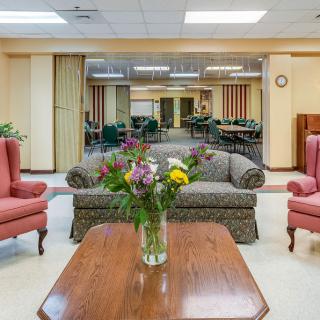
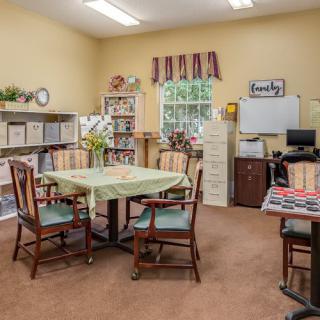
Within those positive episodes, there are also features that families should weigh. Positive reports mention clean rooms, pleasant dining spaces, and engaging activities that create a friendlier hospital atmosphere. Still, the dichotomy between caring interactions and operational strain cannot be ignored. The presence of a few standout caregivers coexists with broader concerns about understaffing and inconsistent service quality. This contrast matters because it affects everything from the pace of care to the clarity of discharge planning and follow-up communications. Families should use it as a litmus test: can the unit they rely on maintain steady staffing and a predictable experience over the course of a stay?
Bottom-line assessment centers on risk tolerance. For families who can actively participate in care planning, request a dedicated care team, and push for timely updates, Covenant can be a solid choice, especially when a loved one benefits from compassionate, high-touch attention. For those who require unwavering consistency, minimal variability, and a baseline of uniformly strong staffing across all shifts, the potential downsides may loom larger. The evidence suggests Covenant is capable of excellent moments, but the reality is that staffing fluctuations can color the entire experience. Before committing, verify unit-level staffing patterns, recent patient feedback by service line, and a plan for escalation if concerns arise.
Decision advice: engage directly with the hospital ahead of admission, request a meeting with the nurse manager for the unit most involved, outline expectations for communication, and ask for examples of how staffing is managed on busy days. If possible, compare with nearby hospitals or health systems known for steadier staffing and more consistent patient experiences. Covenant can serve well for families who value authentic, person-first care and who are prepared to advocate and stay engaged; for others, especially those seeking a uniformly steady daily routine, it may be prudent to explore alternatives and reserve judgment until a first-hand, unit-specific impression is gathered.
 20 resident community capacity
 Skilled Nursing Facility
 Beauty salon
 Cable or satellite TV
 Dining room
 Fully furnished
 Garden
 Housekeeping services
 Kitchenette
 Move-in coordination
 Outdoor space
 Restaurant-style dining
 Small library
 Telephone
 Wi-Fi/high-speed internet available
 Mbs International (10 miles away)
 24-hour call system
 Activities of daily living assistance
 Assistance with bathing
 Assistance with dressing
 Assistance with transfers
 Diabetes diet
 Medication management
 Mental wellness program
 Special dietary restrictions

 Compassionate Conversations: How to Comfort Someone Who Is Grieving
 Home Health Care Aides: Understanding Their Role and Supporting Your Family
 Urinary Tract Infections in Older Adults: Comprehensive Insights on Symptoms, Treatment, and Prevention