
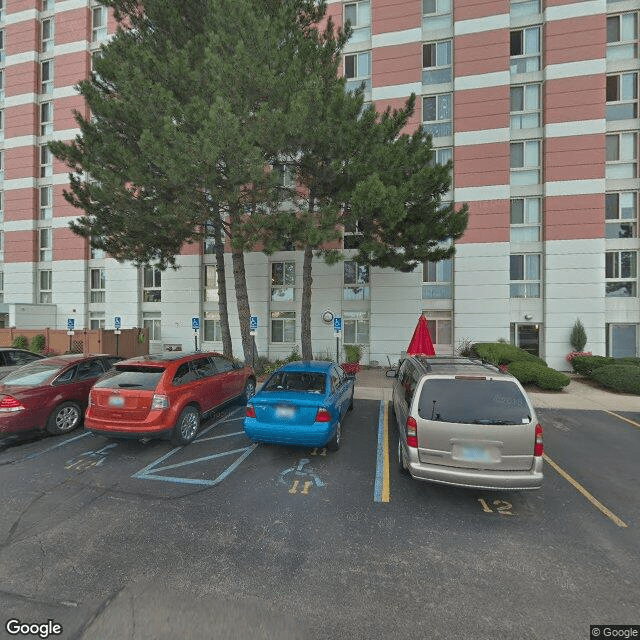
606 S Williams St, Royal Oak, MI 48067
To contact a resident: (248) 541-2131
For more information about senior living options: (866) 208-4318
Overall Review of Royal Oak Manor Cooperative
Pros
 The building is impressively clean.
- The staff are friendly and knowledgeable.
- The community is upscale, with restaurants nearby.
- The facility offers clean, well-lit hallways and rooms, with friendly residents and stores nearby.
- The community is safe and secure.
- It is described as a welcoming, supportive environment that is a great place to be for seniors.
Cons
 The neighbours are terrible; one man cusses and uses profanity from his window when people walk by.
- They were harassed by two elders for parking, yelled at, and called out of their name.
- The elevators are frequently unusable, often out for hours or the entire day.
- The remodeling work was done incorrectly, leaving ongoing issues.
- The building has been infested with bed bugs for years, and the treatments do not work.
- Rent has been raised multiple times, including four increases.
Review
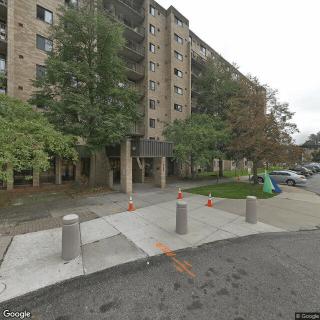
Royal Oak Manor Cooperative is best suited for active seniors who want an urban, upscale footprint in Royal Oak with immediate access to groceries, medical offices, restaurants, and transit. The appeal rests in a large, walkable campus where daily life can unfold around the assembly room and common areas, not far from two train tracks, a fire station, and major roadways. The core draw is social connection within a city-edge setting, where weekly bus routes and a robust local scene are built into the lifestyle. It is ideal for residents who value a strong sense of community and are comfortable with ongoing building conversations about costs and upkeep as part of daily life.
Those who require flawless infrastructure, quiet interiors, or predictable bills may want to consider alternatives. The elevator reliability is a recurring pain point; when both lifts are out, mobility between floors becomes a real constraint. Bed bug history, rent increases, and perceptions of nontransparent decision-making around major expenses can undermine trust in management. If parking dynamics and cross-street safety are critical, the long wait lists and car-lot logistics near Main Street may feel burdensome. Prospective residents with sensitivity to neighbor behavior should note harassment incidents reported by visitors; those who prioritize a calm, low-drama environment might fare better elsewhere.
On the upside, the property reads as clean, well-lit, and well-presented, with staff described as friendly and knowledgeable. The remodeling work has refreshed many spaces, and residents consistently praise the upscale ambiance and the convenience of nearby amenities, grocery stores, drugstores, hardware shops, medical facilities, and a broad restaurant cluster. The buildingā€™s size creates a vibrant social ecosystem where card games, bingo, Scrabble, and holiday gatherings provide structure. For seniors who can navigate the traffic hazards and the occasional noise, sirens, trains, and street bustle, the location offers daily convenience that reduces dependence on cars. The weekly shopping buses add a practical layer for those who prefer not to drive.
However, the negatives are not small. Elevator outages are not unusual, turning mobility into a logistics challenge for those on higher floors or with mobility limits. Parking is a bottleneck, with long wait lists and limited on-site options, plus the safety concerns crossing Main Street to reach public lots. The environment can feel unsettled when incidents of disrespect or harassment occur among residents or toward visitors, undermining the sense of safety for families. Maintenance demands and remodeling debates can create ongoing cost confusion, and stories of bed bugs, whether localized or perceived, cast a shadow on the living experience. The proximity to train tracks and the fire station adds audible disruption and reduces daytime tranquility at times.
For families weighing this community, the decision hinges on what matters most: proximity and social energy versus reliability and harmony. If the emphasis is on living in the heart of Royal Oak with ready access to services, and if reliability realities like elevators and pest control are managed with transparent oversight, the upside can justify the trade-offs. For those who demand steady, predictable maintenance, strong governance, and an unambiguous path to affordable, stable living costs, alternatives may deliver more peace of mind. Prospective residents should test-drive the environment: observe elevator usage during peak times, discuss maintenance planning with staff, and solicit candid feedback from current residents about safety and consistency.
Recommended due diligence includes asking the management for the current elevator repair schedule, the plan for addressing bed bug concerns, and the funding model for major renovations. Verify parking options: on-site availability, guest spaces, and off-site lots; confirm the cost and year-to-year variance. Inquire about the governance structure of the cooperative and how resident input influences budgets. Tour during busy hours to gauge neighbor interactions and noise levels from trains and sirens. Finally, compare total monthly costs, including all fees and anticipated escalators, against nearby options with steadier maintenance records. This approach yields a decision grounded in practical risks and tangible benefits, not wishful thinking.
 Board and Care Home
 Detroit Metropolitan-Wayne County (22 miles away)

 A Detailed Examination of Nursing Home Costs Across the U.S.
 Exploring Nonmedical Home Care: Understanding Services, Costs, and Financial Approaches
 Engaging Brain Games and Innovative Apps to Keep Senior Minds Active