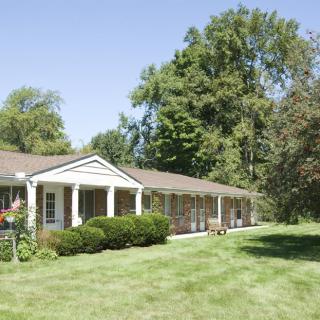
Weyer Adult Foster Care in Romeo, MI

5801 37 Mile Road, Romeo, MI 48065

For more information about senior living options: (844) 490-3973

5 from 13 reviews
5 stars
13
4 stars
0
3 stars
0
2 stars
0
1 stars
0

Assisted Living

Overall Review of Weyer Adult Foster Care

Pros

  • pro Cherry Grove AFC and its staff were amazing to the mother-in-law and family, keeping her safe and engaged.
  • pro They put the family's fears to rest by showing that their loved one received excellent care.
  • pro They cared for her right until the end, including while she was on Hospice care.
  • pro The place was the perfect home away from home, with care from the owners and caregivers who loved her like family.
  • pro The environment is loving and caring, with a very homey, family-oriented atmosphere.
  • pro The staff are beyond amazing and go above and beyond to ensure loved ones are well taken care of.
  • pro The owners are selfless and would provide great care, giving families peace of mind.

Review

This community is best suited for families seeking a warm, home-like environment where care feels personal and continuous. The Romeo area appears to have a small, owner-operated adult foster care culture that emphasizes safety, daily engagement, and a strongly familial atmosphere. For a loved one who thrives on direct, visible attention from caregivers and a setting that resembles a well-supported family home, this model delivers a rare, meaningful level of intimacy and trust. It is a fit for residents who do not require hospital-style infrastructure but do need reliable 24/7 supervision and a comforting, predictable routine.

Those who may want to consider alternatives include families confronting more intensive medical or rehabilitative needs. If a loved one requires frequent, on-site physician visits, advanced wound care, complex medication management, or specialized memory-care programming, a larger community with dedicated medical staff and formal protocols may be more appropriate. Similarly, if the preference is for a wider array of structured activities, on-site therapy options, or more expansive social opportunities, a bigger facility could better match those expectations. In short, when medical complexity or highly structured programming is the priority, this intimate AFC model may not satisfy every requirement.

The strongest pros - consistently echoed in the positive experiences - are the remarkable dedication of owners and staff, the home-like atmosphere, and the sense of safety and belonging. The care feels deeply personal, with caregivers who are described as loving, reliable, and willing to go above and beyond for families. That level of attentiveness translates into trust: families report feeling confident about their loved ones' daily supervision, and they can visit freely, which further reinforces a feeling of inclusion and transparency. The hospice-friendly posture noted in several accounts also underscores a capacity to honor residents' end-of-life preferences with dignity and continuity.

On the downside, the inherent small size of an adult foster care home can translate to trade-offs. Limited physical space, fewer formal amenities, and a smaller pool of on-site resources may yield less variety in programming or fewer high-tech services than larger communities. However, the offsetting factors are substantial. The same close-knit environment that reduces impersonality also fosters sharper communication, quicker responsiveness, and stronger emotional support for both residents and their families. In practice, this means fewer bureaucratic hurdles, more direct access to the owners, and a level of accountability that comes with being a single, purpose-driven home rather than a chain-operated facility.

Evidence from the reviews points to a pattern that families should weigh carefully: consistent, compassionate care delivered by owners who are deeply invested in the well-being of every resident. Words like "amazing," "perfect home away from home," and "family atmosphere" recur, along with anecdotes about safety, engagement, and the ability to stay connected with loved ones during difficult times. The ability to visit anytime and the perception that a caregiver team treats residents as members of a family are not incidental - these factors often drive satisfaction more than formal accolades in this setting. Prospective families should verify that such relational strengths persist in the current operation and that care plans remain resident-centered.

For families deciding whether this model is the right move, a practical path forward is essential. Schedule a visit to observe caregiver-to-resident interactions, ask about the staff-to-resident ratio, and explore how medical tasks are handled, including medication management, emergency procedures, and the availability of on-call medical consultation. Inquire about hospice alignment, end-of-life planning, and how residents' privacy and dignity are maintained in daily routines. If the loved one values a "home" feel, a sense of belonging, and highly engaged caregivers who consistently demonstrate warmth and reliability, this small, owner-led approach becomes a compelling option worth pursuing.

Features

Housing

  • 6 resident community capacity 6 resident community capacity

Types of Care

  • Assisted Living Assisted LivingAssisted living facilities provide crucial support and care for seniors who may need help with daily tasks such as medication management, bathing, and meal preparation. These communities offer a safe and comfortable environment where seniors can maintain their independence while receiving the assistance they need to thrive in their golden years.

Amenities

  • Cable or satellite TV Cable or satellite TVCable or satellite TV is important for seniors because it provides entertainment, news, and companionship, helping to combat loneliness and boredom. It also offers a wide range of programming options tailored to different interests and preferences.
  • Dining room Dining roomDining rooms are important for seniors as they provide a space for socialization, connection, and nutritious meals. They offer opportunities for residents to bond over shared meals, foster a sense of community, and promote healthy eating habits. Dining rooms also ensure that seniors have access to well-balanced meals tailored to their dietary needs and preferences.
  • Fully furnished Fully furnishedFully furnished senior living communities are important for seniors because they provide convenience, comfort, and a hassle-free moving experience. Seniors can easily settle into their new living space without the stress of having to buy and move furniture. This allows them to focus on enjoying their new home and community.
  • Garden GardenGardens are important for seniors as they provide a peaceful and therapeutic environment for relaxation, physical activity, and socialization. Being in nature has been shown to reduce stress, improve mood, and promote overall well-being. Gardens also offer opportunities for seniors to engage in gardening activities, which can improve mobility, flexibility, and cognitive function. Additionally, gardens create a sense of community and connection with others who share a passion for plants and outdoor spaces.
  • Housekeeping services Housekeeping servicesHousekeeping services are important for seniors because they help maintain a clean and safe living environment, promote independence, and reduce the risk of accidents or illnesses. Additionally, having assistance with household chores can alleviate physical strain and allow seniors to focus on other aspects of their well-being.
  • Move-in coordination Move-in coordinationMove-in coordination is important for seniors because it helps ease the transition into their new living environment. It ensures that all logistics, such as packing, organizing movers, and setting up utilities are taken care of, allowing seniors to focus on settling in and adjusting to their new home. Having a smooth move-in process can alleviate stress and anxiety, making the transition smoother and more enjoyable for seniors.
  • Outdoor space Outdoor spaceOutdoor spaces are important for seniors as they provide opportunities for physical activity, social interaction, exposure to natural light and fresh air, and a sense of connection to nature. Having access to outdoor spaces can improve overall well-being and quality of life for older adults living in senior communities.
  • Telephone TelephoneTelephones are important for seniors as they provide a lifeline for communication with loved ones, emergency services, and healthcare providers. They offer a sense of security and independence, enabling seniors to stay connected and access assistance when needed.
  • Wi-Fi/high-speed internet available Wi-Fi/high-speed internet availableWi-Fi/high-speed internet is important for seniors to stay connected with loved ones, access online resources, and participate in virtual activities to combat feelings of loneliness and isolation. It also allows them to easily manage healthcare needs, access entertainment, and engage in lifelong learning opportunities.

Care Services

  • 24-hour supervision 24-hour supervision24-hour supervision is important for seniors to ensure their safety, well-being, and access to immediate assistance in case of emergencies or health issues. This constant support provides peace of mind for both seniors and their loved ones, allowing them to age in place with dignity and security.
  • Activities of daily living assistance Activities of daily living assistanceActivities of daily living assistance are important for seniors because they provide essential support with tasks such as eating, bathing, dressing, and mobility. This assistance helps seniors maintain their independence, dignity, and overall quality of life as they age.
  • Assistance with bathing Assistance with bathingAssistance with bathing is crucial for seniors as it helps maintain personal hygiene, prevents infections, and ensures their overall well-being and comfort. It also provides a sense of dignity and independence for seniors who may struggle with this task on their own.
  • Assistance with dressing Assistance with dressingAssistance with dressing is important for seniors because it helps maintain their independence, promotes personal hygiene, prevents accidents and injuries, and improves overall quality of life. This service ensures that seniors can continue to dress comfortably and confidently, despite any physical limitations they may have.
  • Assistance with transfers Assistance with transfersAssistance with transfers is crucial for seniors as it helps prevent falls and injuries, maintains their independence, and ensures they can safely navigate their living environment. It also provides peace of mind for both seniors and their loved ones.
  • Coordination with health care providers Coordination with health care providersCoordination with health care providers is crucial for seniors to ensure proper medical care, medication management, and overall well-being. This collaboration helps prevent overlapping treatments, track progress more effectively, and provide comprehensive support tailored to individual needs.
  • Diabetes diet Diabetes dietA diabetes diet is crucial for seniors as it helps manage blood sugar levels, reduce risks of complications, and improve overall health and well-being. By following a balanced and nutritious diet tailored to their specific needs, seniors can better control their diabetes and enhance their quality of life.
  • Meal preparation and service Meal preparation and serviceMeal preparation and service are crucial for seniors as they may have limited mobility or energy to cook nutritious meals. Having access to healthy and convenient food options can ensure they are getting the proper nutrition needed to maintain their overall health and well-being.
  • Medication management Medication managementMedication management is crucial for seniors to ensure they are taking the right medications at the correct dosages and times. This helps prevent adverse drug interactions, reduces the risk of medication errors, and promotes overall health and well-being. Proactive management also allows for adjustments as needed based on changing health conditions or new prescriptions.
  • Special dietary restrictions Special dietary restrictionsSpecial dietary restrictions are important for seniors because age-related changes in metabolism and health conditions can make it difficult for their bodies to process certain foods. By following a diet tailored to their specific needs, seniors can maintain their overall health and well-being, manage chronic conditions, and reduce the risk of complications such as malnutrition or food interactions with medications.
  • Transportation arrangement (medical) Transportation arrangement (medical)Transportation arrangements for medical purposes are essential for seniors as they may have difficulty driving themselves to appointments or accessing public transportation. Having reliable and safe transportation options ensures that seniors can receive timely medical care and maintain their health and well-being.
  • Transportation to doctors appointments Transportation to doctors appointmentsTransportation to doctors' appointments is crucial for seniors as it ensures they have access to necessary medical care and support for their health needs. Without reliable transportation, seniors may struggle to attend important appointments, leading to potential delays in treatment and health complications. Providing transportation services helps seniors maintain their overall well-being and quality of life.

Dining

  • Diabetes diet Diabetes dietA diabetes diet is crucial for seniors as it helps manage blood sugar levels, reduce risks of complications, and improve overall health and well-being. By following a balanced and nutritious diet tailored to their specific needs, seniors can better control their diabetes and enhance their quality of life.
  • Special dietary restrictions Special dietary restrictionsSpecial dietary restrictions are important for seniors because age-related changes in metabolism and health conditions can make it difficult for their bodies to process certain foods. By following a diet tailored to their specific needs, seniors can maintain their overall health and well-being, manage chronic conditions, and reduce the risk of complications such as malnutrition or food interactions with medications.

Activities

  • Community-sponsored activities Community-sponsored activitiesCommunity-sponsored activities are important for seniors as they provide opportunities for social interaction, mental stimulation, and physical activity. These activities can help improve overall well-being, combat loneliness and isolation, and promote a sense of belonging and purpose among older adults.
  • Scheduled daily activities Scheduled daily activitiesScheduled daily activities are important for seniors because they provide structure, socialization, mental stimulation, and physical activity. Engaging in regular activities can improve overall well-being and quality of life for seniors living in a community setting.

Description

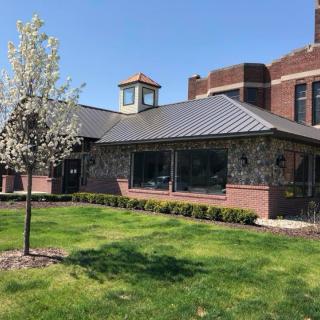
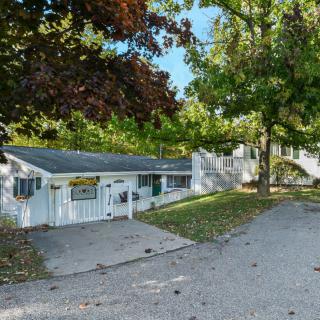
Weyer Adult Foster Care in Romeo, MI offers a comfortable and supportive environment for seniors in need of assisted living services. Our community provides a range of amenities to enhance the quality of life for our residents.

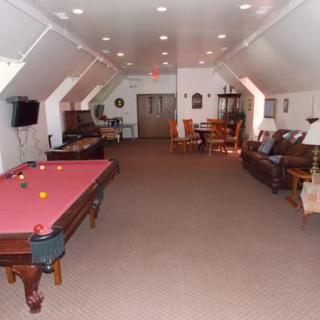
Our dining room provides a welcoming space for residents to enjoy nutritious meals prepared by our skilled staff. Each resident is provided with fully furnished accommodations, ensuring they feel at home and comfortable in their living space. The beautiful garden and outdoor spaces offer opportunities for relaxation and enjoyment of nature.

Housekeeping services are available to maintain a clean and tidy living environment for our residents. Move-in coordination is offered to ease the transition into our community. Additionally, residents have access to telephone service and Wi-Fi/high-speed internet, allowing them to stay connected with loved ones.

Our dedicated care team provides assistance with activities of daily living such as bathing, dressing, and transfers. We work closely with health care providers to ensure coordinated care for our residents. For those with diabetes or special dietary restrictions, we offer specialized meal options.

Transportation arrangements are made for medical appointments so that residents can easily access necessary healthcare services. Furthermore, we provide transportation to doctors' appointments to ensure regular check-ups are not missed.

Residents can partake in scheduled daily activities designed to promote engagement, socialization, and overall well-being. With three parks nearby, residents have opportunities for outdoor recreation and relaxation. Pharmacies are conveniently located in close proximity, ensuring easy access to medications when needed. Multiple physicians are also situated nearby for convenient medical care options.

In addition, there are several restaurants in the area offering diverse dining options for residents who wish to dine out. For those seeking spiritual fulfillment, a place of worship is located nearby.

At Weyer Adult Foster Care, we strive to create a warm and nurturing environment where seniors can enjoy both independent living and receive assistance as needed through personalized care services.

Nearby Places of Interest

Physicians

  • Khan, Mubina Dr - Henry Ford Medical Group (1.5 miles)
  • Lane Swayze Clinic (3.2 miles)
  • Cornerstone Medical Group/Almont Family Practice (4.6 miles)
  • Romeo Medical (5.5 miles)
  • Roland Stanley S DO (5.7 miles)
  • Romeo Family Medical (5.8 miles)
  • Romeo Family Health Care (5.8 miles)

Parks

  • Almont Community Park (3.1 miles)
  • Almont Fields (3.6 miles)
  • General Squier Park (4.6 miles)
  • Addison Oaks County Park (7.4 miles)
  • Gilcher Park (8.1 miles)
  • Armada Village Park (9.3 miles)
  • Rotary Park (10.2 miles)

Restaurants

  • Mikey's (3.3 miles)
  • Huddle Bar & Grill (3.3 miles)
  • Raiders Country Coney Island (3.4 miles)
  • China 1 (3.8 miles)
  • McDonald's (3.8 miles)
  • Subway (3.9 miles)
  • A&W Restaurant (4.1 miles)

Places of Worship

  • First Congregational Church (3.4 miles)
  • Almont New Church Assembly (6.2 miles)
  • Trinity Baptist Church (10.2 miles)
  • St Joseph Catholic Church (11 miles)
  • Imlay City Church of Christ (11.4 miles)
  • The C3 Connection Center (11.8 miles)
  • Thomas United Methodist Church (12 miles)

Pharmacies

  • Rite Aid (3.8 miles)
  • Romeo Plank Pharmacy (7.7 miles)
  • Rite Aid (8.3 miles)
  • Sav-On Drugs (9.1 miles)
  • Health Mart Pharmacy (9.3 miles)
  • Narayan Drugs and Pharmacy (10.4 miles)
  • Rite Aid (10.5 miles)

Cafes

  • Tim Hortons (5.8 miles)
  • Tim Hortons (9.2 miles)
  • Evergreens Coffee & Bakeshop (11 miles)
  • Starbucks (11.3 miles)

Transportation

  • Romeo Airport (D98) (6.4 miles)

Hospitals

  • Pontiac Osteopathic Hospital (10.5 miles)
  • Beaumont Hospitals Departments (12 miles)

Frequently Asked Questions

Where is Weyer Adult Foster Care?

Nearby Communities

  • Fisher Estates CLF

    Fisher Estates CLF

    Romeo, MI


    pro Comprehensive assisted living with 24/7 supervision, on-site dining, activities, and health care coordination.

  • Wellbridge of Romeo

    Wellbridge of Romeo

    Romeo, MI


    pro High-acuity care in a serene, personalized setting.

  • Judges Court

    Judges Court

    Romeo, MI


    pro Intimate, well-supported setting with comprehensive care, furnished apartments, meals, housekeeping, and coordinated transportation.

  • Orchard Grove Health Campus

    Orchard Grove Health Campus

    Romeo, MI

    3.9 from 64 reviews
    $3,200 to $4,500 / month

    pro Clean, inviting environment with engaging activities and access to memory care and rehab services.

  • Dequindre Group Home

    Dequindre Group Home

    Leonard, MI


    pro Small, personalized assisted living with 24-hour supervision, meals, housekeeping, transportation, and outdoor space.

  • The Bells Senior Apartments

    The Bells Senior Apartments

    Almont, MI

    4.9 from 8 reviews
    $1,300 to $1,850 / month

    pro Warm, welcoming community with daily activities and responsive staff.

  • Angelica's Place

    Angelica's Place

    Romeo, MI

    3.8 from 21 reviews
    $3,800 to $4,500 / month

    pro Compassionate staff and affordable dementia care pricing.

  • Caremore of Oxford Assisted Living - Campbell Personal Care Home

    Caremore of Oxford Assisted Living - Campbell Personal Care Home

    Leonard, MI

    4.3 from 23 reviews
    $2,000 to $3,500 / month

    pro Proximity to loved ones with open visiting hours and compassionate staff who treat residents like family.

  • Maple Vista

    Maple Vista

    Imlay City, MI

    4.2 from 42 reviews
    $990 to $1,740 / month

    pro Spacious, clean apartments with inclusive meals and housekeeping, plus a vibrant, supportive community.

Related Resources

  • active senior livingVibrant Senior Living: A Comprehensive Guide for Active Older Adults

    Vibrant Senior Living emphasizes active senior living communities that promote independence and engagement through diverse amenities and activities, fostering wellness and social interaction among older adults. These communities range from independent to assisted living, with a focus on personal growth, family involvement, financial planning, and leveraging technology to enhance residents' experiences.

  • when to move from assisted living to memory careWhen to Transition from Assisted Living to Memory Care: Key Indicators, Steps, and Finding the Right Community

    Transitioning from assisted living to memory care is driven by an individual's cognitive decline and specific needs, requiring careful evaluation of indicators like increased confusion and wandering. The process involves consulting medical professionals, researching suitable communities, considering financial and legal aspects, and ensuring effective communication for personalized care plans.

  • assisted living vs memory careAssisted Living and Memory Care: Understanding Their Core Differences

    Assisted living provides moderate support for seniors seeking independence, while memory care offers specialized support for individuals with dementia or cognitive impairments through structured routines and trained staff. Key differences include care approaches, environment security measures, staff training levels, activity types, and cost considerations.