
4464 Fisher Estates Lane, Romeo, MI 48065
For more information about senior living options: (866) 208-4318
Overall Review of Fisher Estates CLF
Pros
 The staff at Angelica’s Place are phenomenal and caring.
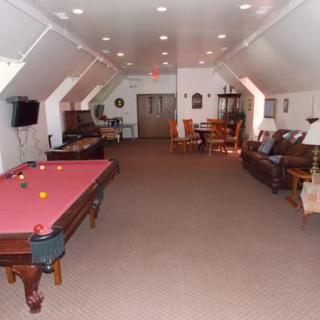
 - The facility has a homey atmosphere and includes extensive amenities in monthly pricing.
- Alex is a wonderful facility operator who treats residents like family.
- The CNAs are caring and qualified, and all residents are well cared for.
- The staff become like family to residents, creating a warm, welcoming community.
- The chef prepares nutritious meals that residents rave about.
- Angelica’s Place hosts events and activities that make residents feel at home.
- The environment is clean, well maintained, and staffed by dementia-focused caregivers.
Cons
 The staff are overworked and underpaid.
- The facility seems more suitable for skilled nursing than assisted living.
- The lifting is too heavy and caused back injuries.
- Residents were left sitting in their own feces, indicating neglect.
- The food is not good and is dry and unappetizing.
- Belongings are frequently lost or stolen, and theft is reported.
- The environment is freezing and not friendly, with some staff lacking empathy and work ethic.
Review
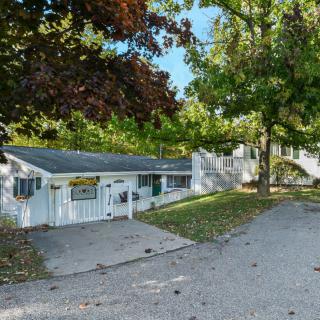
Fisher Estates CLF, doing business as Angelica’s Place in Romeo, MI, is best suited for families seeking a small, home-like assisted living environment where the owners and frontline caregivers know residents by name and care is personalized. This community shines for residents who value a warm, “mom-and-pop” atmosphere, predictable monthly pricing that covers many services, and regular opportunities for social engagement and activities. The footprint is intimate, the staff appear deeply invested, and the setting often feels like a true residence rather than a clinical facility. For families who want hands-on involvement from ownership and a place that prioritizes everyday livability, Angelica’s Place is a practical, emotionally resonant option.
That said, not every family will find this community a fit. Those with higher clinical acuity or a need for robust skilled-nursing support may want to consider alternatives. A larger or more specialized memory-care or nursing facility could better accommodate residents requiring intensive medical oversight, frequent physician interaction, or higher staffing ratios. Families who expect flawless, uniformly consistent care across all shifts and who prioritize citywide reputation and standardized corporate processes may also want to compare options. The range of experiences in the reviews suggests that the experience can vary, and some families report significant concerns that merit careful vetting.
The strongest positives center on a homey, responsive vibe that many residents, and their families, find comforting. Reviewers consistently highlight the owners’ visible involvement, the caring CNAs, and the sense that staff treat residents like family. Daily life is described as lived-in and engaging: regular activities, dementia-appropriate care strategies, and on-site meals prepared by a capable kitchen team receive particular praise. The inclusive pricing model is a notable practical advantage, reducing monthly budgeting stress for families who want predictable costs without frequent add-ons. Taken together, these elements create a reassuring environment for seniors who prioritize relational care and daily social connection.
Yet there are clear cautions embedded in the feedback. Several reviews recount perceptions of overworked or underpaid staff, with concerns about consistency and turnover that can strain routine care. A subset of comments describes safety or hygiene lapses, including episodes of poor cleanliness, belongings going missing, and questions about how well transfers and personal needs are managed. There are also stronger, highly negative accounts that allege neglect or mismanagement, including concerns about how meals, activities, and overall oversight are handled. While these opinions are not universal, they underscore the reality that experiences can diverge markedly from one resident to the next.
Those pros offset the cons most effectively when the resident is a good match for a small, caregiver-forward setting. Families may offset staffing variability by prioritizing near-daily family involvement, frequent on-site visits, and clear, written communication about care plans, medication administration, and daily routines. The intimate size supports relational continuity, the same caregivers and the same owners are more often present, which can translate into quicker problem-solving and a stronger sense of accountability. For residents who can thrive with structured activities, regular meals, and dementia-focused care in a cozy environment, the positives meaningfully counterbalance the potential downsides.
Practical decisions should begin with a direct, candid assessment of care needs and expectations. Prospective families should visit with questions about current staff-to-resident ratios by shift, recent turnover, and the process for elevating concerns. Inquire about the specifics of what “monthly pricing” covers, how emergency or specialty care is managed, and what changes occur if a resident’s condition worsens. Request to meet several caregivers and inspect safety features, meal quality, and the handling of personal belongings. If possible, speak with families of current residents to gauge consistency of experience over time and to verify how well the care team handles dementia-related behaviors and daily activities.
Overall, Angelica’s Place at Fisher Estates CLF remains a compelling option for families seeking a close-knit, affordable, and actively managed environment. It is especially suitable for seniors who prize a home-like setting, consistent owner involvement, and meaningful social programming, provided the resident’s needs align with an assisted-living scope rather than heavy nursing support. For those requiring higher clinical intensity, or for families unsettled by reports of staffing strain or care variability, exploring larger or more specialized communities in the region is prudent. The right choice hinges on balancing the appeal of intimate care and predictable pricing with an honest appraisal of staffing stability and the facility’s capacity to meet evolving medical and safety needs.
 6 resident community capacity
 Assisted Living
 Cable or satellite TV
 Dining room
 Fully furnished
 Garden
 Housekeeping services
 Move-in coordination
 Outdoor space
 Telephone
 Wi-Fi/high-speed internet available
 24-hour supervision
 Activities of daily living assistance
 Assistance with bathing
 Assistance with dressing
 Assistance with transfers
 Diabetes diet
 Meal preparation and service
 Medication management
 Special dietary restrictions
 Transportation arrangement (medical)
 Transportation to doctors appointments



 Understanding Medicaid Coverage for Assisted Living: A Comprehensive Guide
 How and When Medicaid May Cover Assisted Living Costs
 A Detailed Exploration of Assisted Living Medicaid Waivers Across the United States