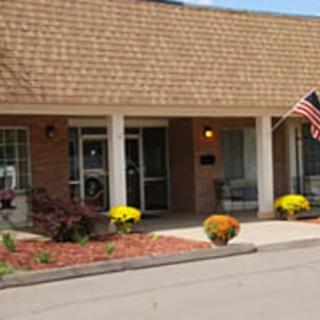
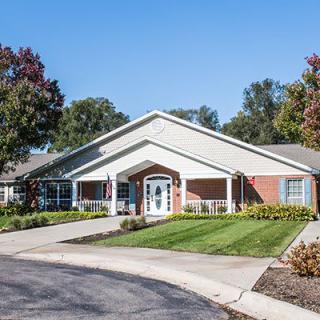
Real Place Adult Foster Care IV is an assisted living community in Redford, MI.
Information last verified:
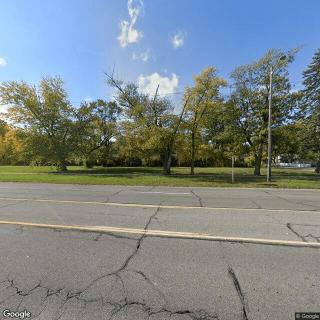
17551 Macarthur, Redford, MI 48239
For more information about senior living options: (866) 208-4318
3.5 from 62 reviews
5 stars
34
4 stars
5
3 stars
3
2 stars
0
1 stars
20
Overall Review of Real Place Adult Foster Care IV
common25 reviews mention this
Staff support is mixed, strongly
Residents and families describe both strong guidance and serious concerns about staff behavior.
Many reviews credit staff with helping residents stabilize, offering guidance, and being present when families had questions. Some mention specific counselors and supervisors who helped them through difficult periods and provided structure. At the same time, other reviews describe mistreatment, aggressive behavior, racism concerns, and unresolved issues reported to coworkers. Several comments also call out communication problems or disrespectful conduct, which adds to the uneven picture.
caveat7 reviews mention this
Organization and communication vary
Some residents and families report poor coordination, while others describe responsive leadership.
A number of reviews praise leadership as organized and continually improving, and one says communication was available by phone, email, text, and even evenings and weekends. Others describe bad communication, disrespect related to protocol, and difficulty getting informative meetings even after waiting months. There are also complaints about the program being poorly organized and run, including staffing turnover and a culture that discouraged getting residents the support they needed.
common5 reviews mention this
Cleanliness and campus feel matter
Residents and families mention the cleanliness of the setting both positively and negatively.
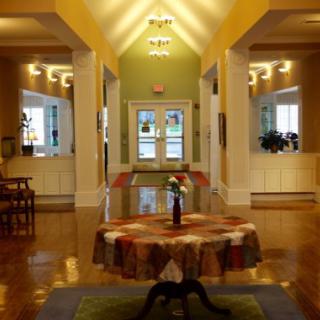
Some reviews describe the home as clean, with clean surroundings and a beautiful place. Others are directly critical, saying the program is dirty. A few also highlight the setting as peaceful or heartwarming, which aligns with residents associating the environment with their experience there.
common4 reviews mention this
Activities and music show up
Reviews repeatedly connect the experience to activities and music.
Several reviews recall structured, social activities like video game nights and sports tournaments, often describing time in common spaces such as a courtyard. Another review focuses on music, saying the staff could help obtain an album quickly and that the team was knowledgeable. One review mentions enjoying memories despite a later incident involving police, and another references daily life experiences during their time on-site.
How we summarize
Counts show how many written reviews mention each theme; a review can touch several themes, and only frequently mentioned themes are displayed.
Features
Housing
6 resident community capacity
Types of Care
Assisted Living
Amenities
Cable or satellite TV
Dining room
Fully furnished
Garden
Housekeeping services
Move-in coordination
Outdoor space
Telephone
Wi-Fi/high-speed internet available
Transportation
Detroit Metropolitan-Wayne County (14 miles away)
Care Services
24-hour supervision
Activities of daily living assistance
Assistance with bathing
Assistance with dressing
Assistance with transfers
Coordination with health care providers
Diabetes diet
Meal preparation and service
Medication management
Special dietary restrictions
Transportation arrangement (medical)
Transportation to doctors appointments
Dining
Diabetes diet
Special dietary restrictions
Activities
Community-sponsored activities
Scheduled daily activities
Nearby Places of Interest
Located in Redford, Michigan, this area offers a range of amenities and services that cater to senior living needs. With multiple hospitals nearby such as Botsford Hospital and Trinity Health Wound Care, residents can feel secure knowing that quality healthcare is easily accessible. A variety of dining options including Snookers' Pool & Pub, Culver's, and Frank's Diner provide convenient choices for meals. Pharmacies like CVS and Walgreens are located within a short distance for medication needs. For leisure activities, there are cafes like Starbucks and Tim Hortons, as well as theaters such as Riviera Cinema and Phoenix Theatres Laurel Park Place. Additionally, various physicians' offices are available for medical care at locations like Ophthalmic Specialists of Michigan and Asthma & Allergic Disease Center. Nearby parks offer opportunities for outdoor relaxation and exercise, including Flanders Park and Woodland Hills Nature Park. Places of worship like Ward Church and Church of the Divine Child are also within close proximity for spiritual support. This area provides a diverse range of resources for seniors looking to settle in a welcoming community with convenient access to essential services.
Hospitals
Botsford Hospital (2 miles)
Trinity Health Wound Care - Livonia Hospital (5.4 miles)
Restaurants
Snookers' Pool & Pub (2.5 miles)
Culver's (3 miles)
Frank's Diner (3.4 miles)
McDonald's (3.7 miles)
McDonald's (3.7 miles)
2 Rose's Family Restaurant (4.4 miles)
Coaches Corner of Livonia (4.8 miles)
Pharmacies
CVS Pharmacy (2.8 miles)
Meijer Pharmacy (3.2 miles)
Walgreens (3.6 miles)
Walgreens (3.9 miles)
Kroger Pharmacy (4.2 miles)
CVS Pharmacy (5.2 miles)
Rite Aid (5.6 miles)
Cafes
Starbucks (3.2 miles)
Starbucks (4.5 miles)
Starbucks (5.6 miles)
Starbucks (5.7 miles)
Tim Hortons (6.5 miles)
Tim Hortons (6.7 miles)
Panera Bread (6.7 miles)
Theaters
Riviera Cinema (3.2 miles)
Phoenix Theatres Laurel Park Place (5.8 miles)
Physicians
Ophthalmic Specialists of Michigan - Livonia Office (3.6 miles)
Asthma & Allergic Disease Center (3.8 miles)
Beaumont Midwest Internal Medicine Associates (3.9 miles)
Real Place Adult Foster Care IV is located at 17551 Macarthur, Redford, MI 48239 in Wayne County, Michigan
Nearby Communities
My Peaceful Refuge
Redford Township, MI
3.5 from 2 reviews
$2,300 to $2,800 / month
Beautiful, spacious facility with a peaceful atmosphere.
Redford Opportunity House
Redford, MI
4.5 from 2 reviews
24/7 supervision with ADL support, meals, housekeeping, and medical transportation.
Olympia Home
Redford, MI
Small, personalized assisted living with furnished apartments and comprehensive care.
Cambridge West Nursing Care
Redford, MI
3.3 from 100 reviews
Peaceful, convenient location with nearby dining, parks, pharmacies, and healthcare access.
Advantage Living Center Redford & Redford Village
Redford, MI
3.4 from 122 reviews
$4,500 to $5,400 / month
Bright, modern campus with extensive amenities (theater, pool, activities) and comprehensive care services.
Redford Village
Redford, MI
3.7 from 7 reviews
$3,660 to $4,910 / month
Attentive staff with strong rehabilitation services.
Woodhaven Retirement Community
Livonia, MI
4.2 from 108 reviews
Clean, well-maintained facility with good dining and engaging activities in a pleasant wooded setting.
The Manor Of Farmington Hills
Farmington Hills, MI
3.5 from 105 reviews
Extensive amenities and 24/7 supervision with medication management.
Arden Courts Of Livonia
Livonia, MI
4.2 from 92 reviews
$7,100 / month
Family-like atmosphere with attentive, well-trained staff; clear communication with families; engaging activities; well-maintained grounds; specialized memory-care environment with nutritious meals.
Assisted living in 2025 offers a crucial balance of independence and support for seniors, with costs varying from $2,500 to over $7,000 per month based on factors such as location and care level. Understanding pricing complexities, including regional differences and potential hidden fees, is essential for families to plan financially while ensuring quality care for their loved ones.
The guide outlines the complexities of Medicaid coverage for assisted living, highlighting significant state-to-state variations, limited coverage often restricted to personal care services, and the existence of specialized waivers for certain needs like memory care. It advises families to consult local Medicaid offices for options while emphasizing the importance of understanding state-specific regulations and facility policies.
Medicaid coverage for assisted living varies by state and is primarily available to low-income individuals, with eligibility dependent on strict income and asset limits. Some states offer HCBS waivers for specific services in assisted living, but families must generally cover room and board costs, and should verify facility acceptance of Medicaid while considering potential waiting lists.
Get PricingAsk A QuestionSchedule A TourContact Senior Advisor
By clicking submit, you agree to our Partner's Terms of Use. You
also consent to receive calls and texts, which may be autodialed, from our Partner. Your consent is not a condition to
using our Partner's service. Please visit our Partner's Privacy Policy for information about their privacy practices.

 6 resident community capacity
 Assisted Living
 Cable or satellite TV
 Dining room
 Fully furnished
 Garden
 Housekeeping services
 Move-in coordination
 Outdoor space
 Telephone
 Wi-Fi/high-speed internet available
 Detroit Metropolitan-Wayne County (14 miles away)
 24-hour supervision
 Activities of daily living assistance
 Assistance with bathing
 Assistance with dressing
 Assistance with transfers
 Diabetes diet
 Meal preparation and service
 Medication management
 Special dietary restrictions
 Transportation arrangement (medical)
 Transportation to doctors appointments
 Beautiful, spacious facility with a peaceful atmosphere.
 Understanding the True Cost of Assisted Living in 2025: A Comprehensive Guide
 Understanding Medicaid Coverage for Assisted Living: A Comprehensive Guide
 How and When Medicaid May Cover Assisted Living Costs