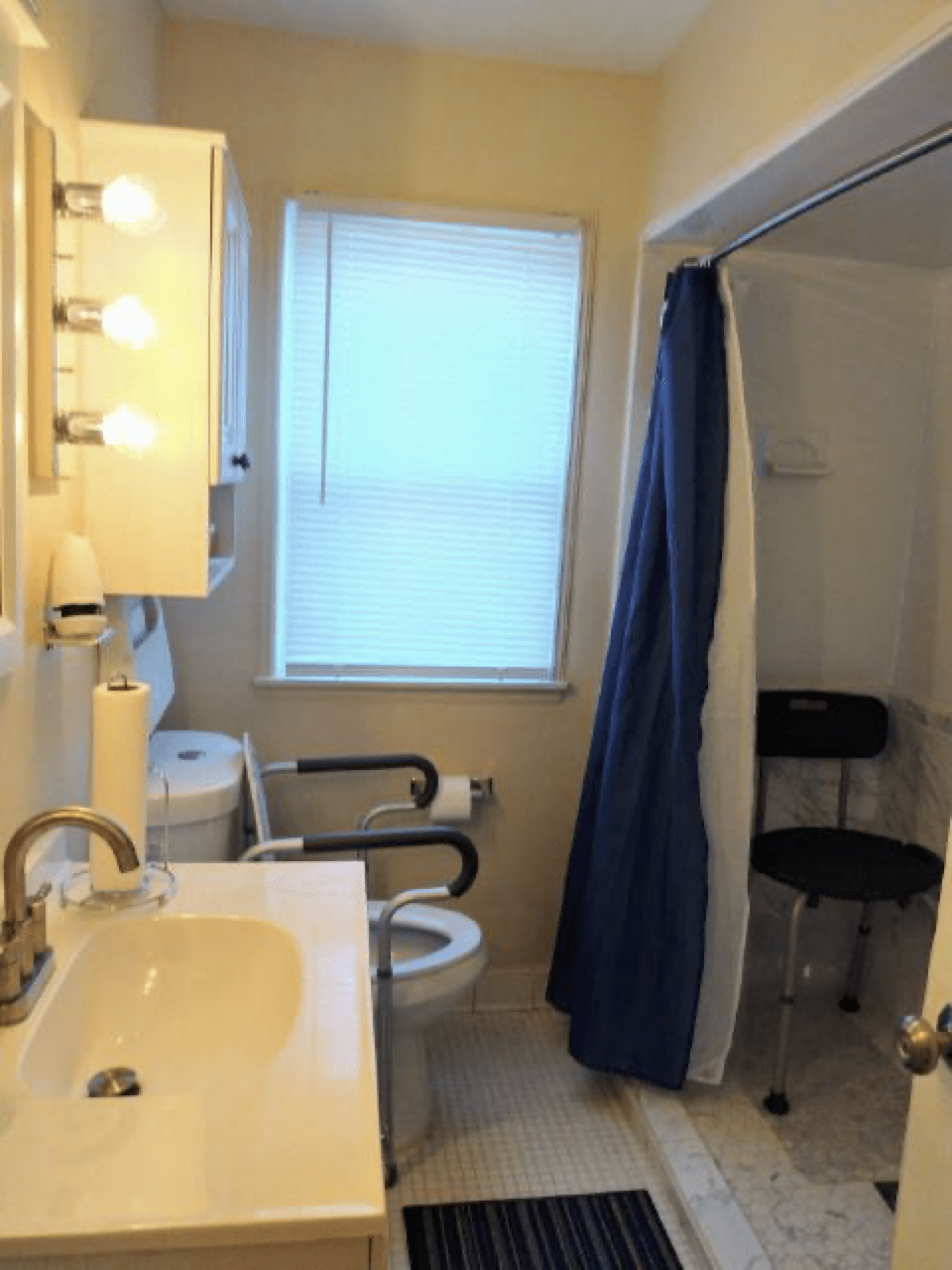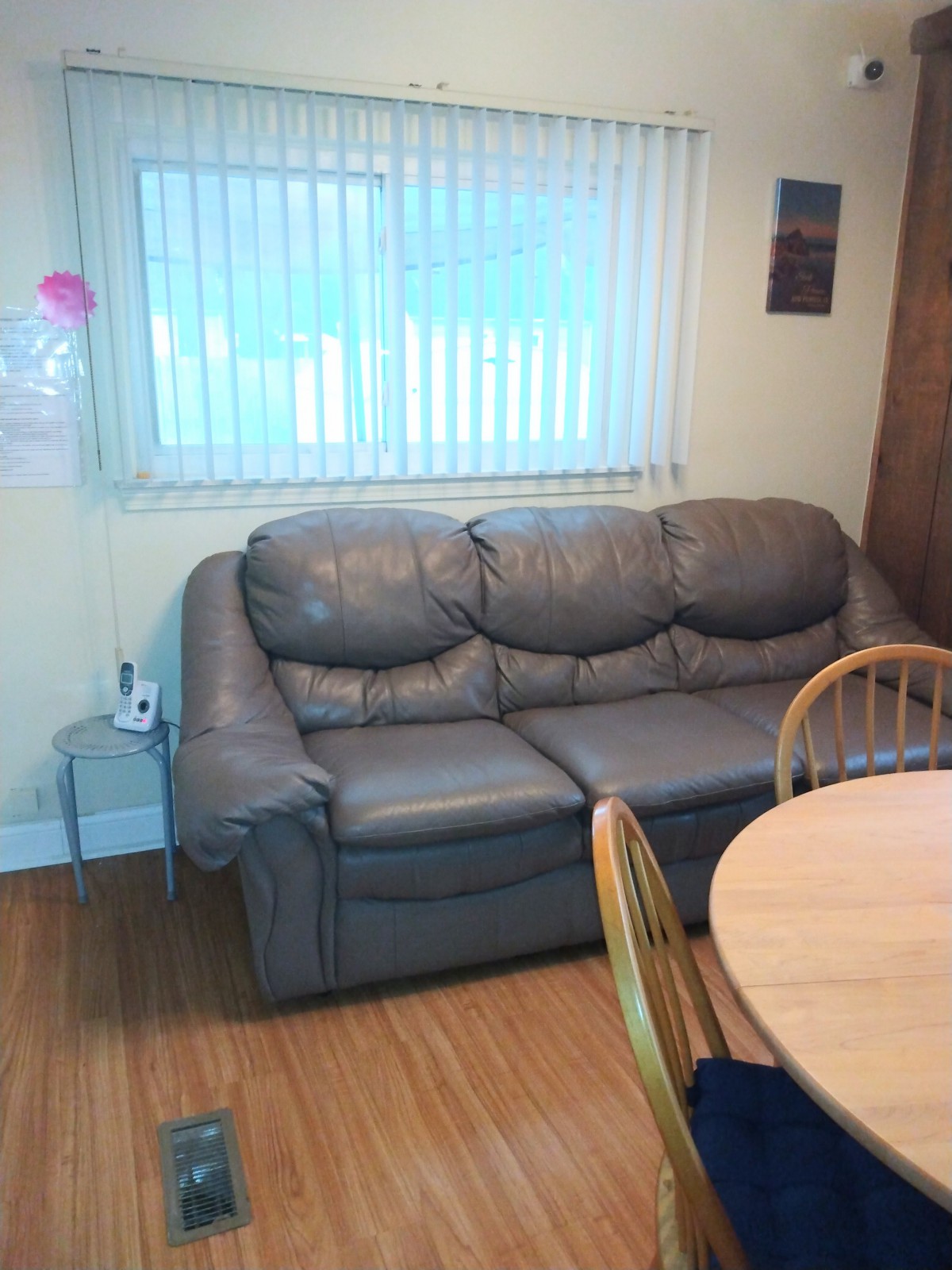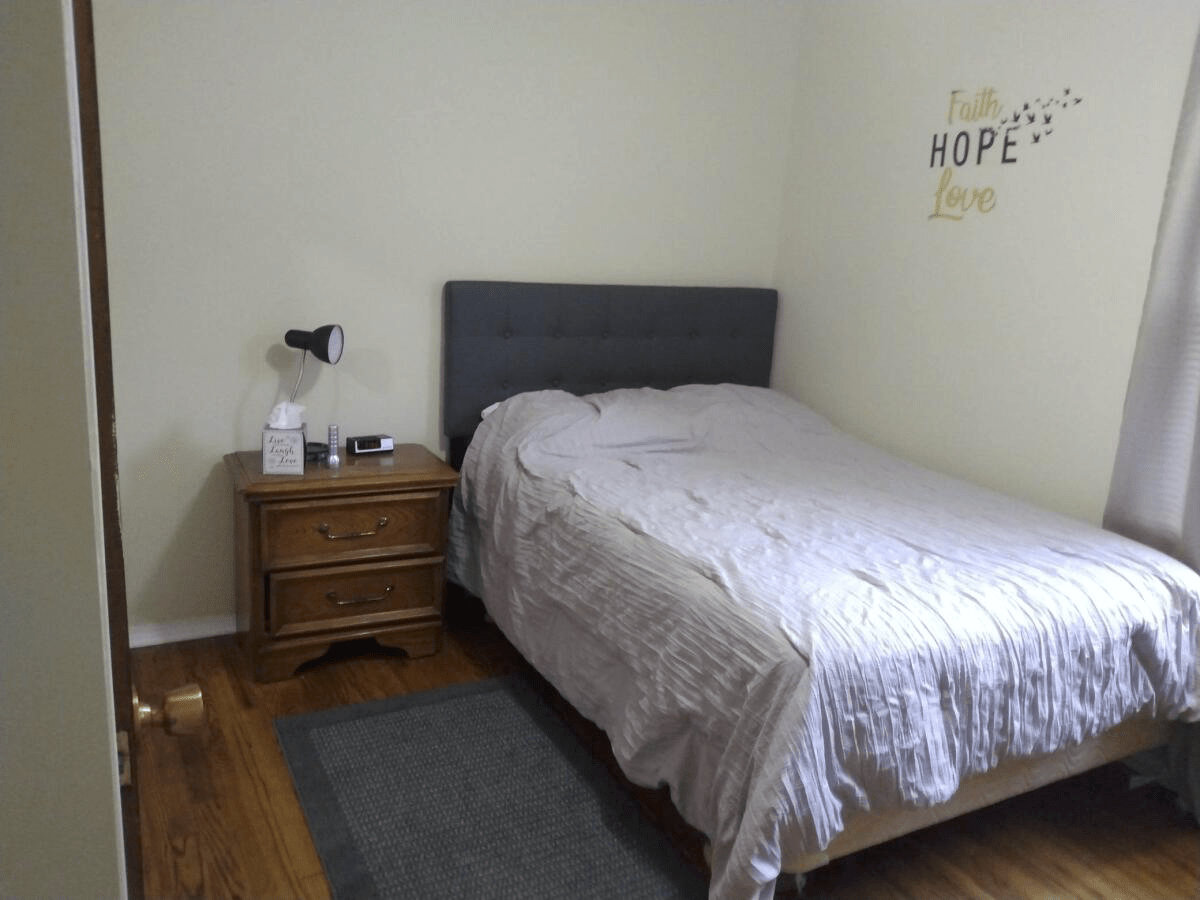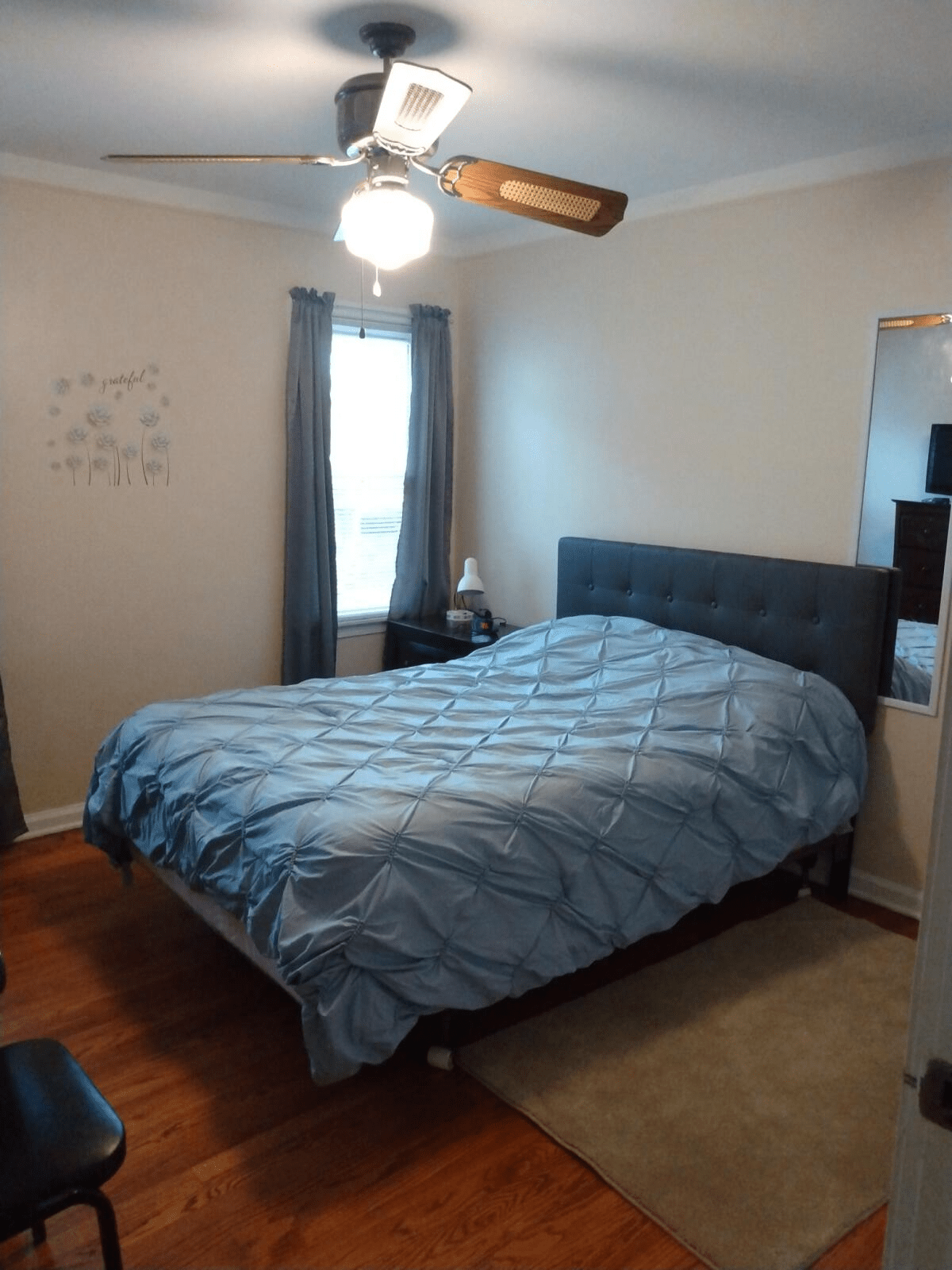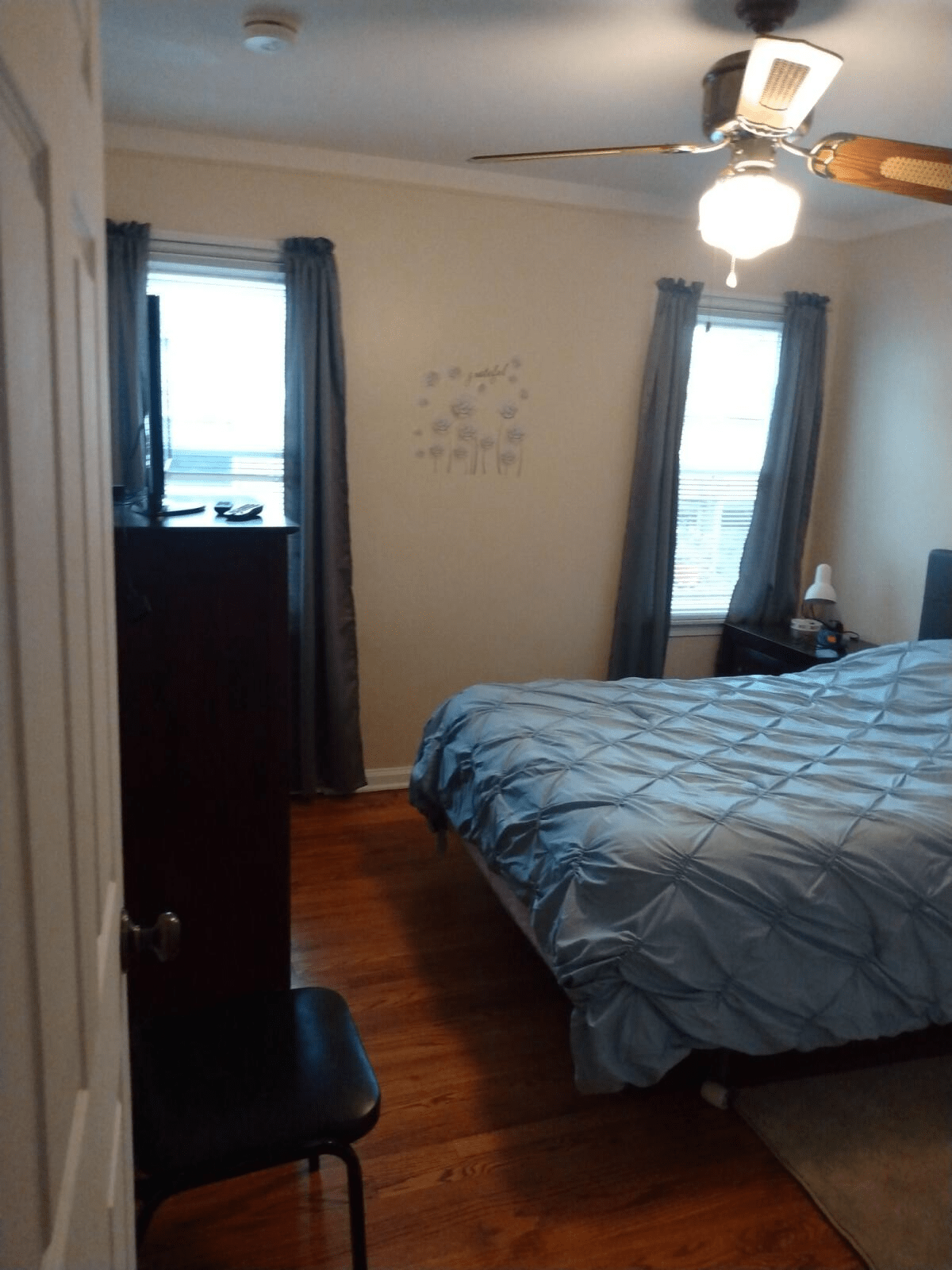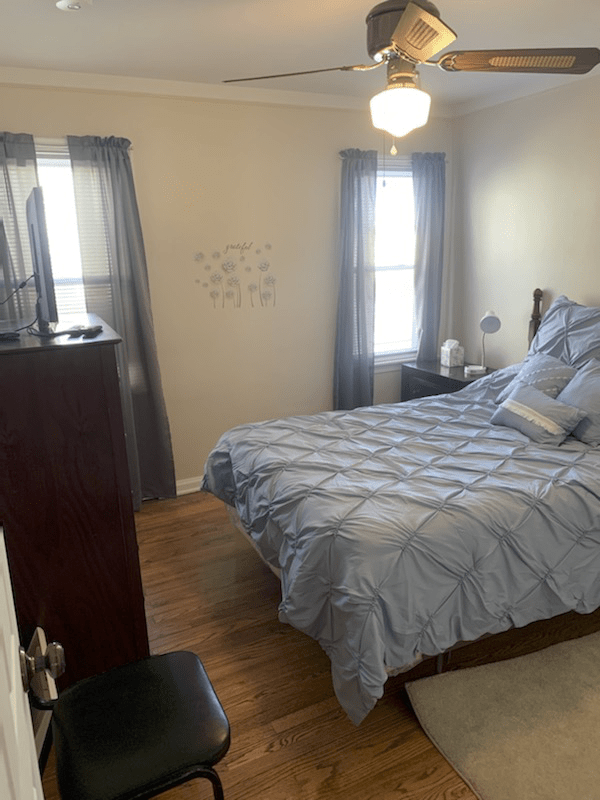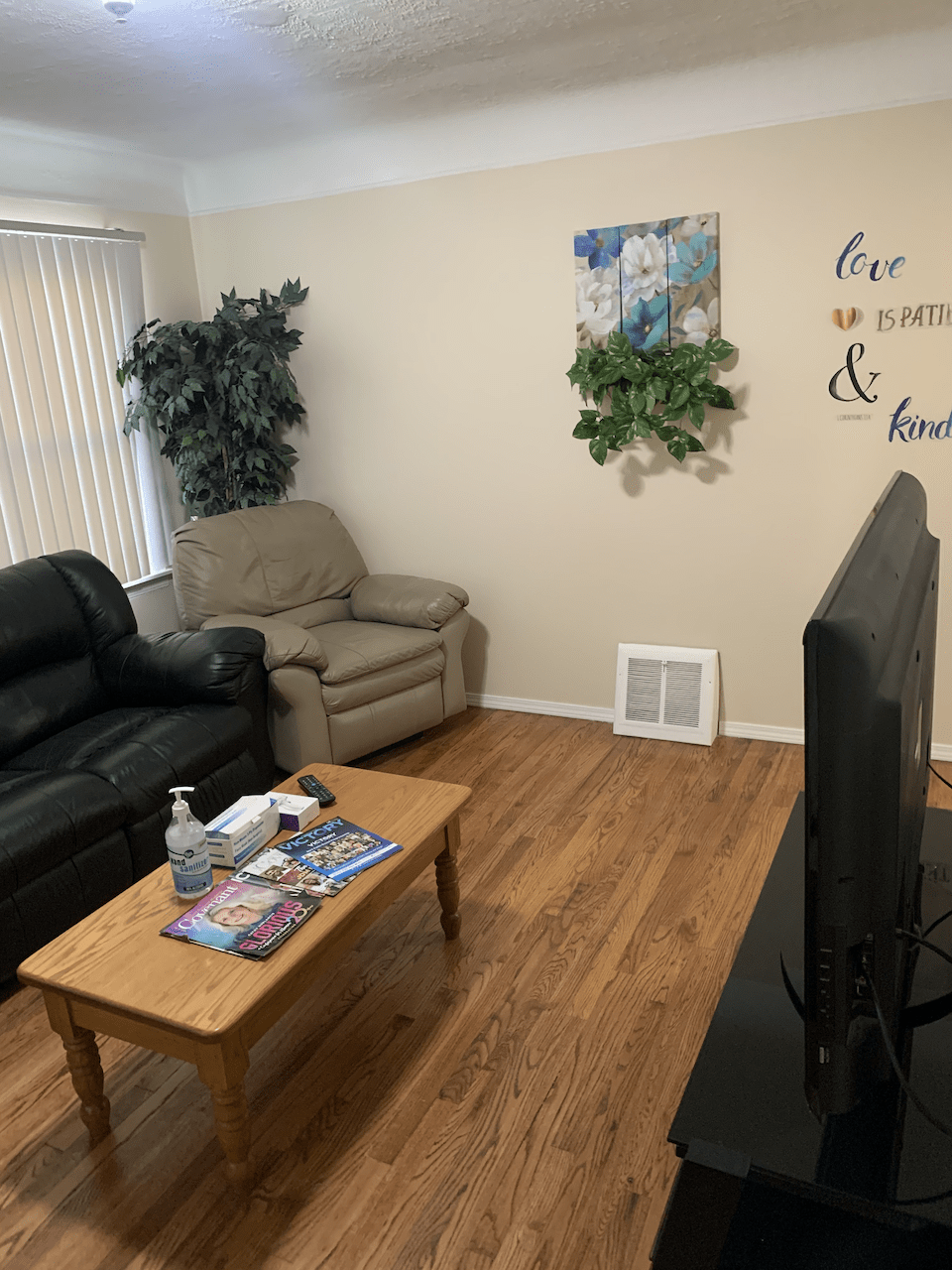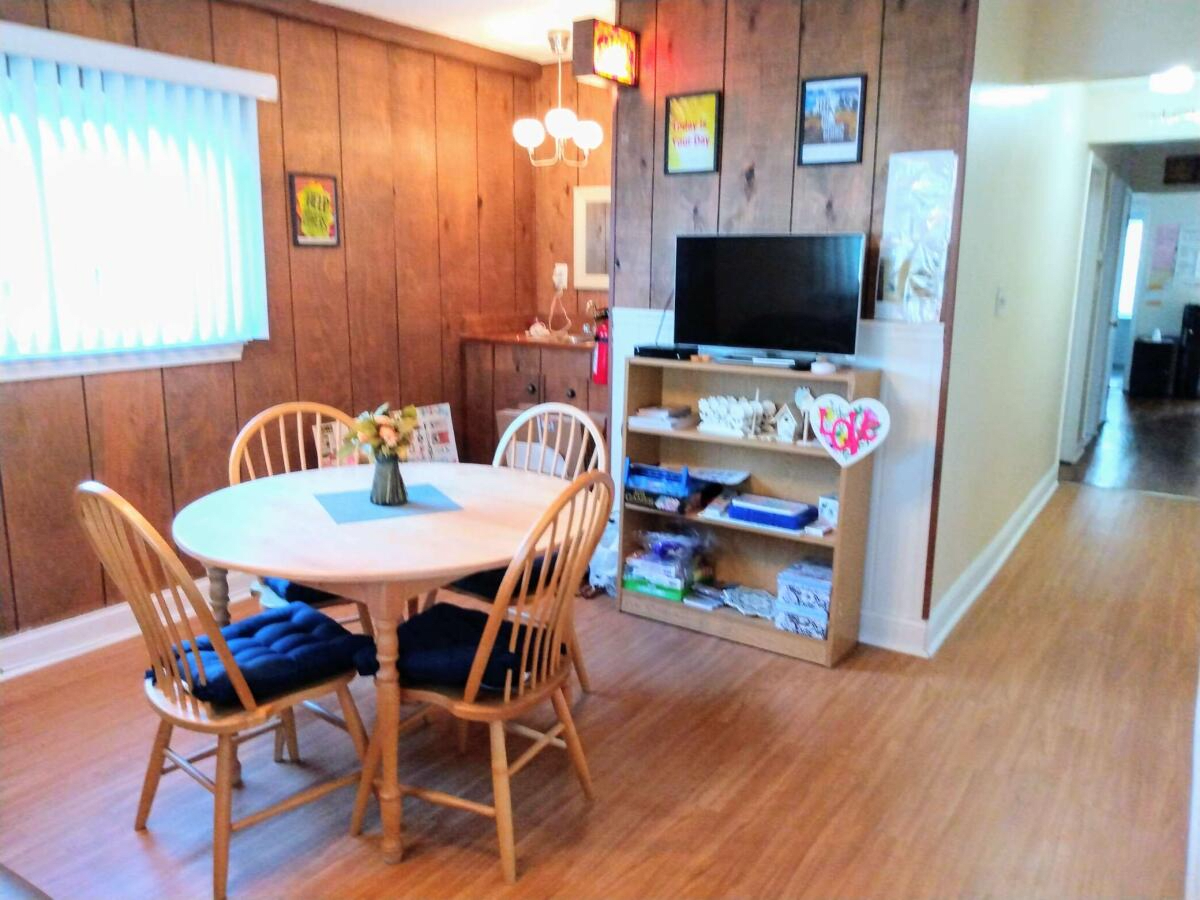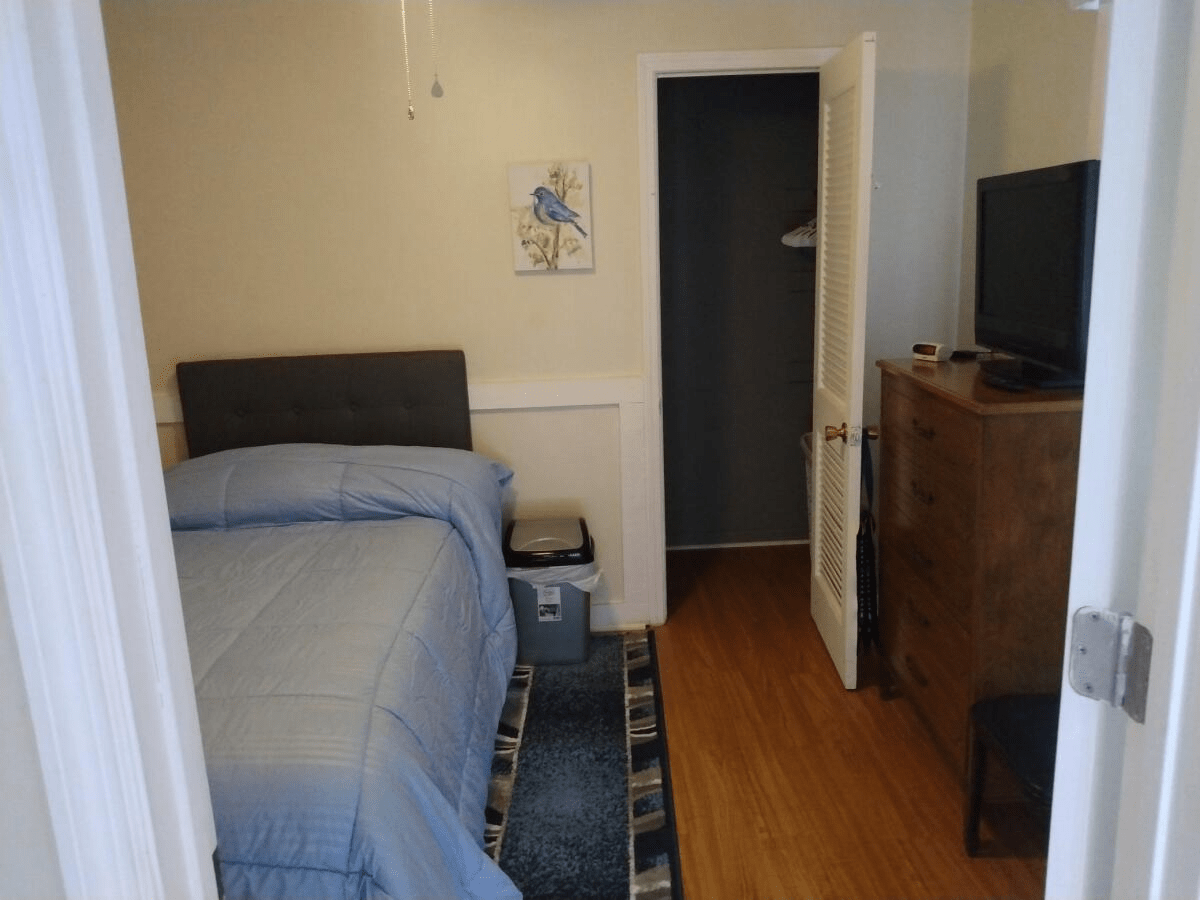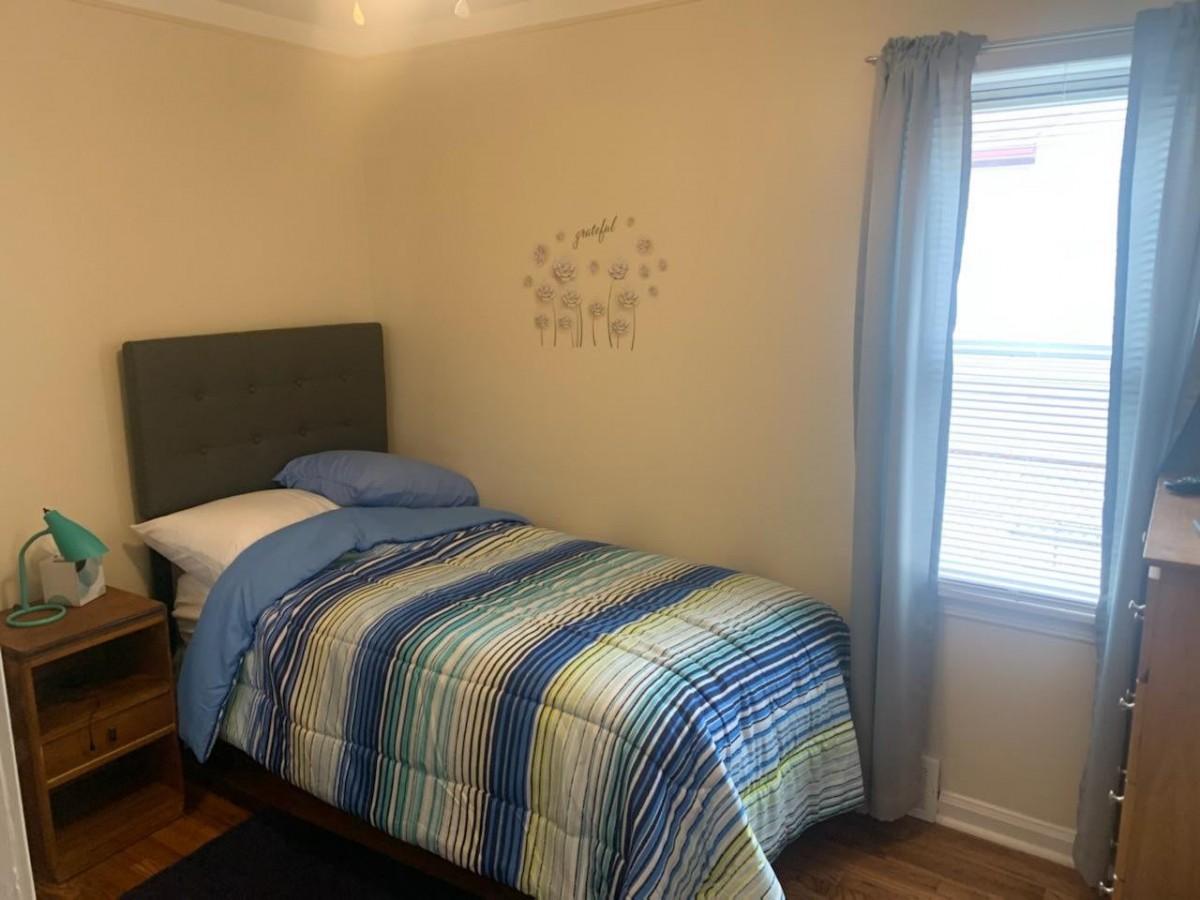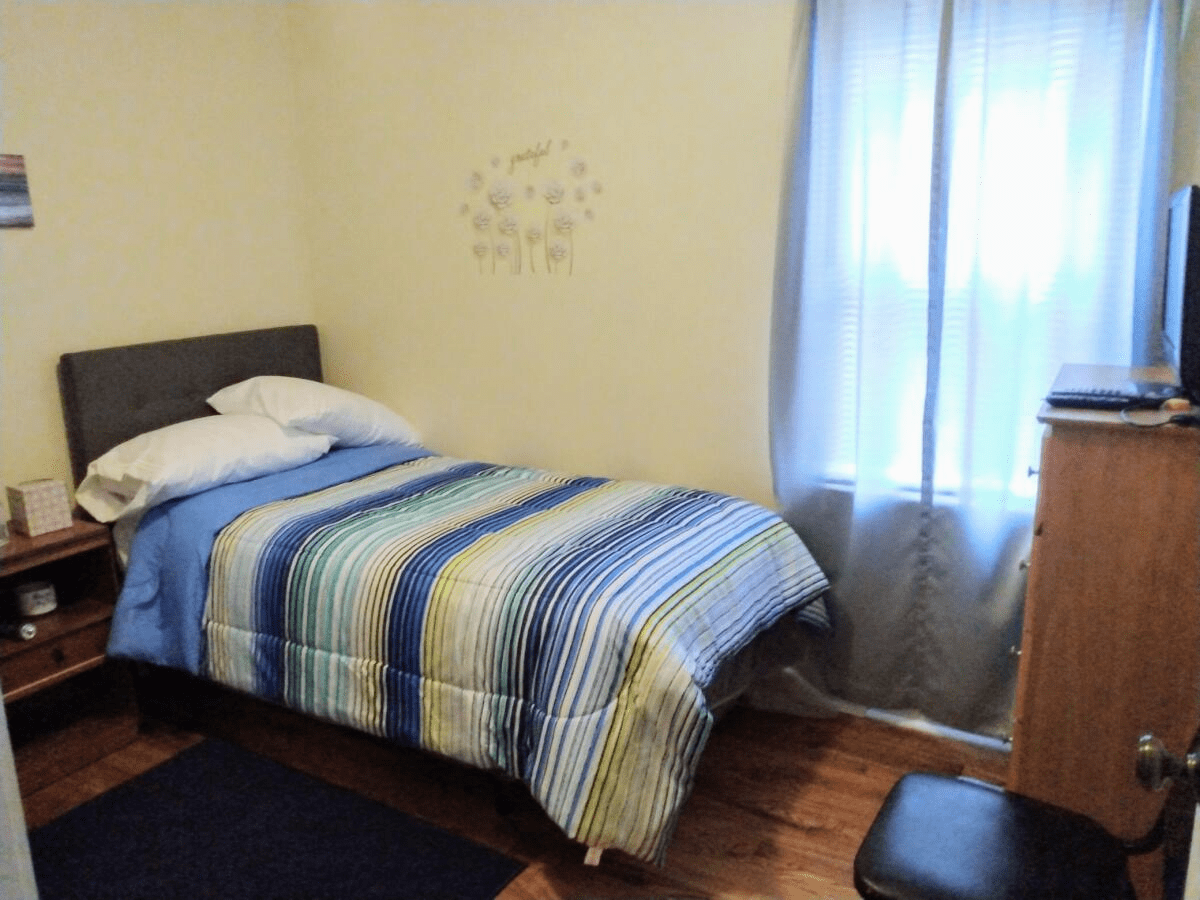
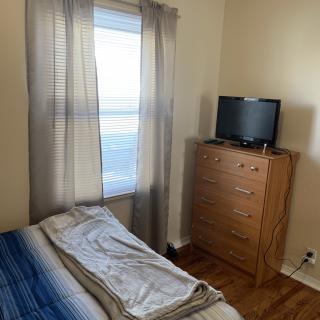
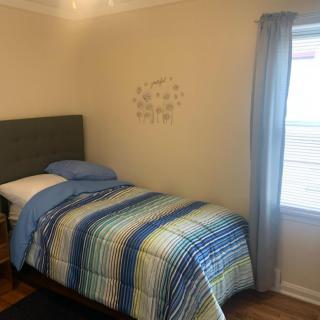
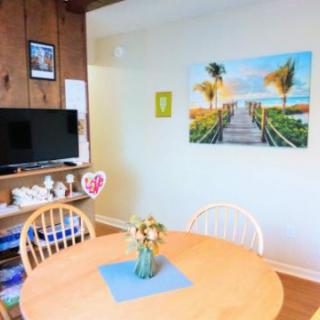
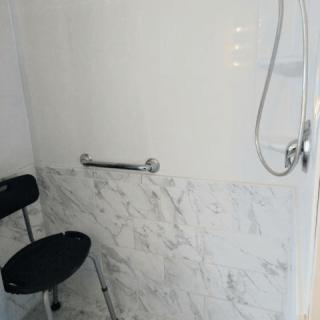

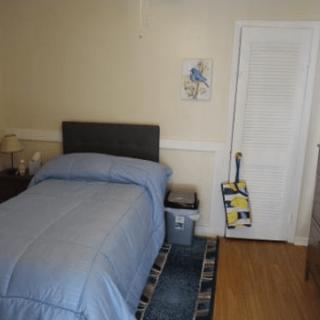
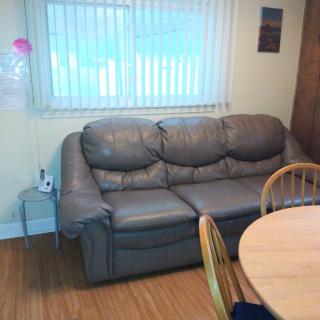
20428 Norborne St, Redford Township, MI 48240
To contact a resident: (313) 492-8951
For more information about senior living options: (866) 208-4318
My Peaceful Refuge Costs & Pricing
My Peaceful Refuge offers a competitive pricing structure for its accommodations, with semi-private rooms available at $2,300 per month and private rooms at $2,800. In comparison, similar options in Wayne County are priced higher, with semi-private rooms costing approximately $2,860 and private rooms reaching around $3,335. When looking at the broader Michigan state averages, the costs increase further to $3,191 for semi-private and $3,675 for private rooms. This makes My Peaceful Refuge an appealing choice for those seeking quality care without the financial burden often associated with similar facilities in the region.
| Floor plans | My Peaceful Refuge | Wayne County | Michigan |
|---|---|---|---|
| Semi-Private | $2,300 | $2,860 | $3,189 |
| Private | $2,800 | $3,335 | $3,674 |
Senior living communities with a similar price nearby
-
from -$105 / mo

Simply Beautiful Adult Foster Care Homes
$2,195 to $4,100 / month6.7 miles away -
from +$300 / mo
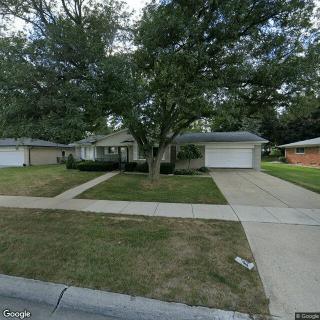
Angelic Foster Care
$2,600 to $3,380 / month17.0 miles away -
from +$155 / mo
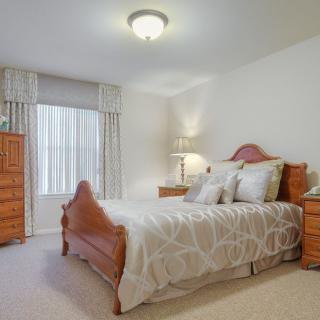
Oakmont Manor
$2,455 to $2,780 / month16.2 miles away -
from +$395 / mo
Atria Kinghaven
$2,695 to $4,595 / month19.1 miles away -
from -$300 / mo
Serenity Fields
$2,000 / month4.2 miles away
Overall Review of My Peaceful Refuge
Pros
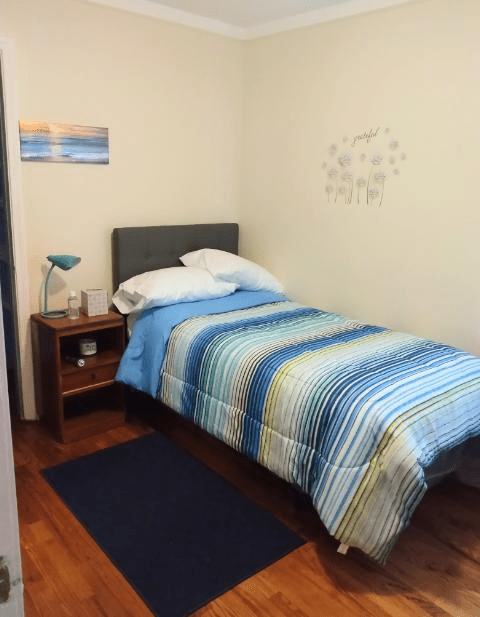
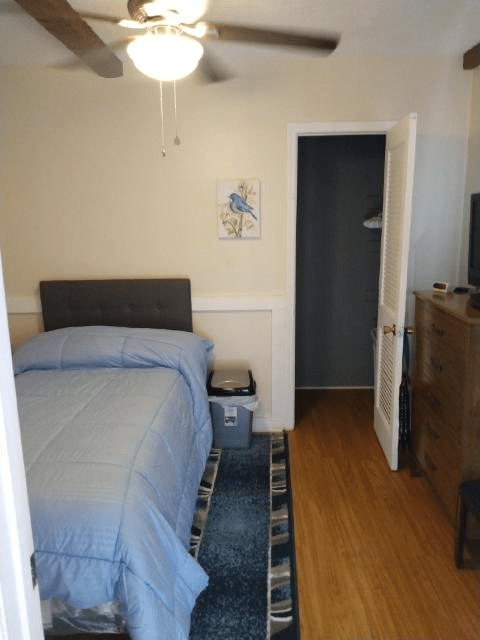
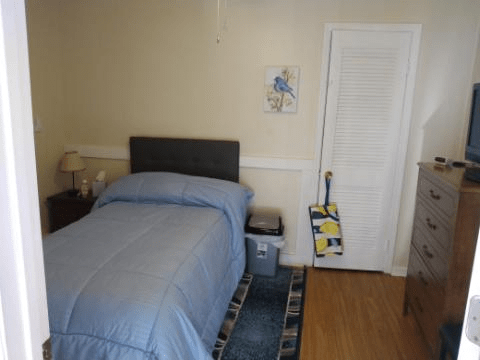
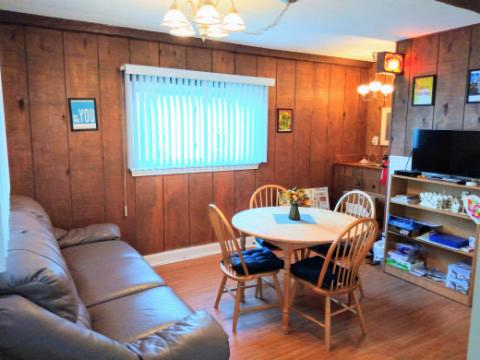
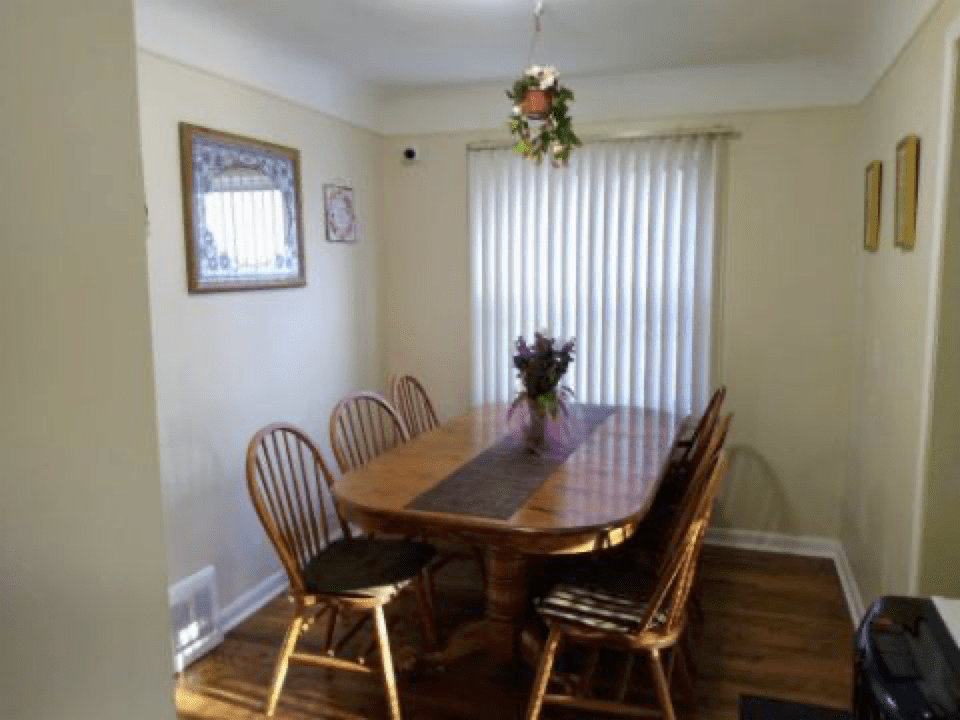
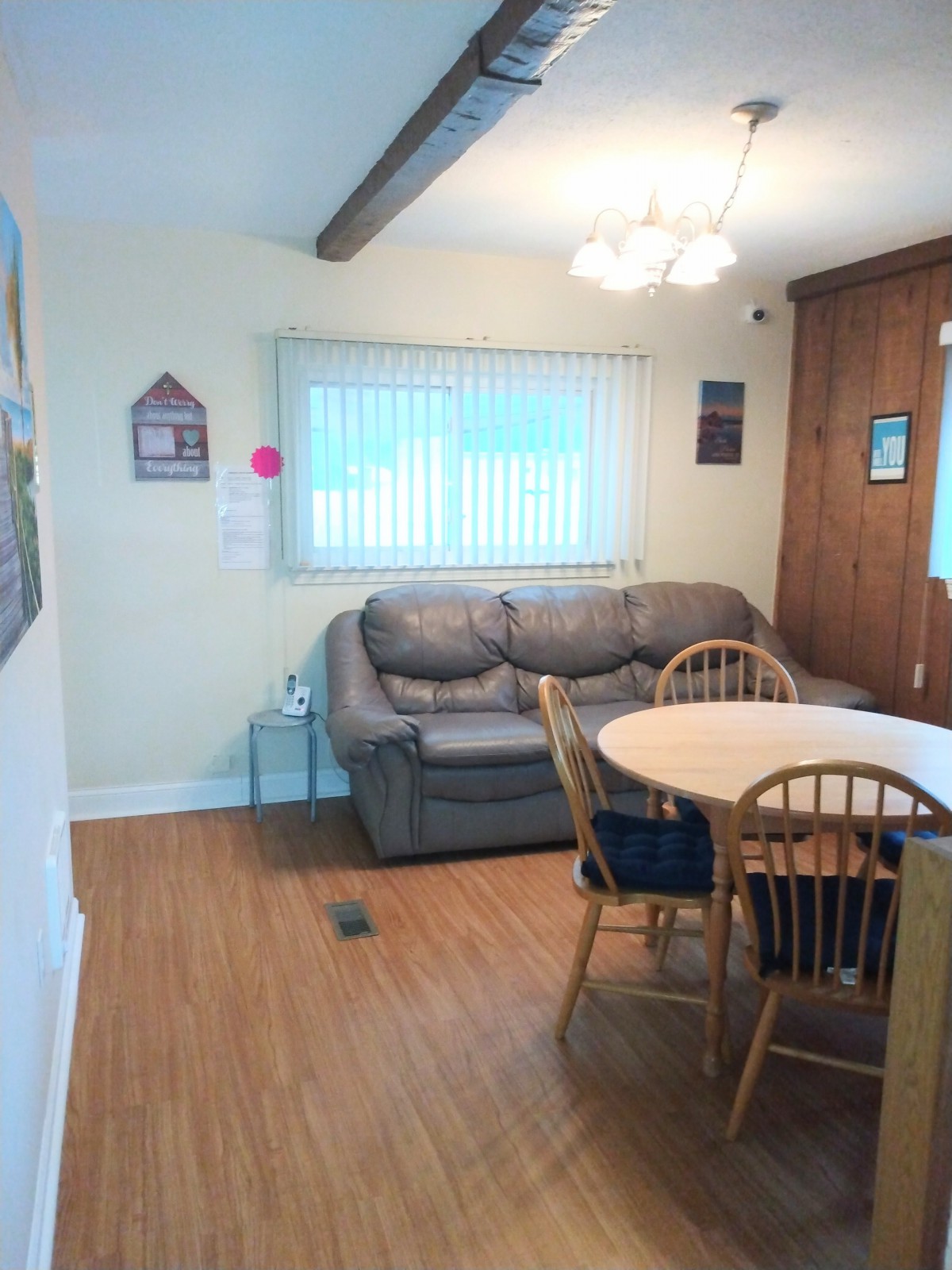
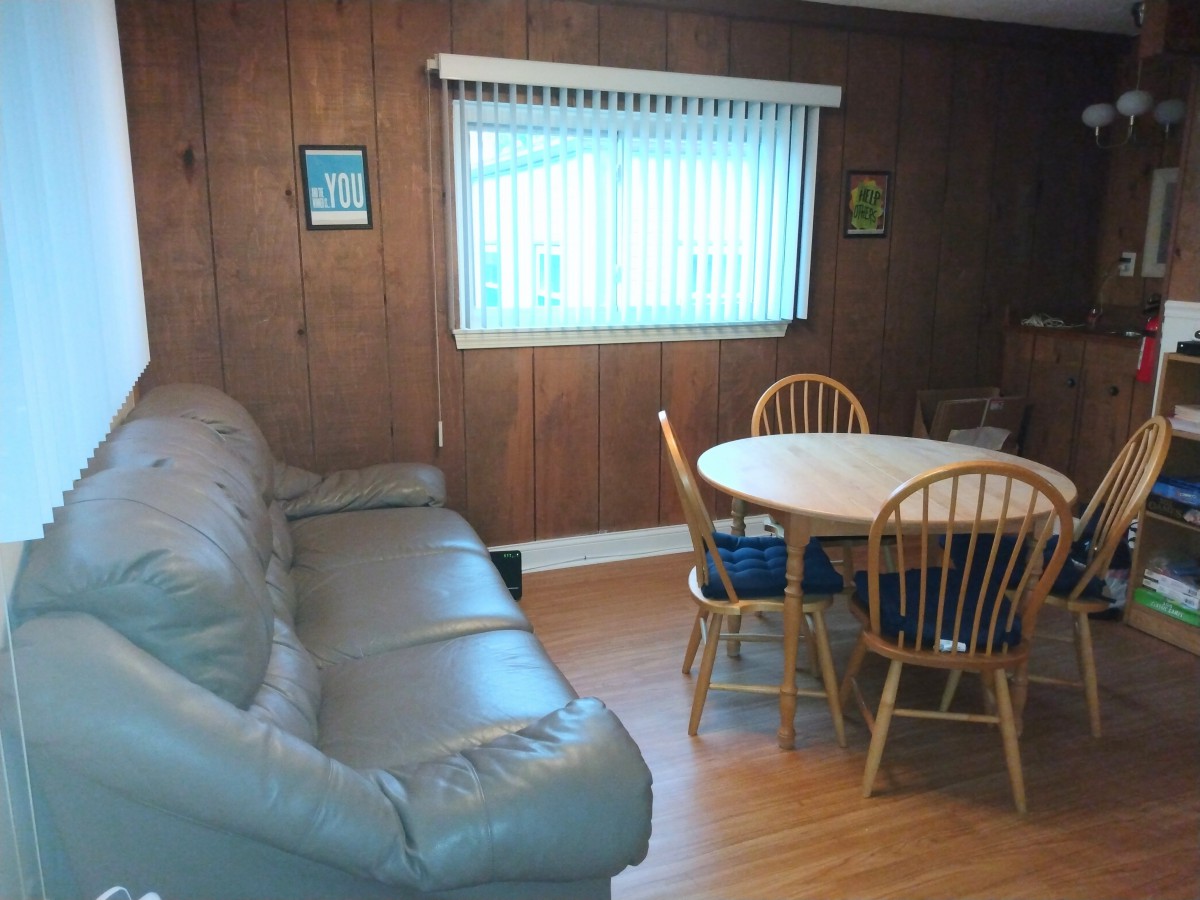
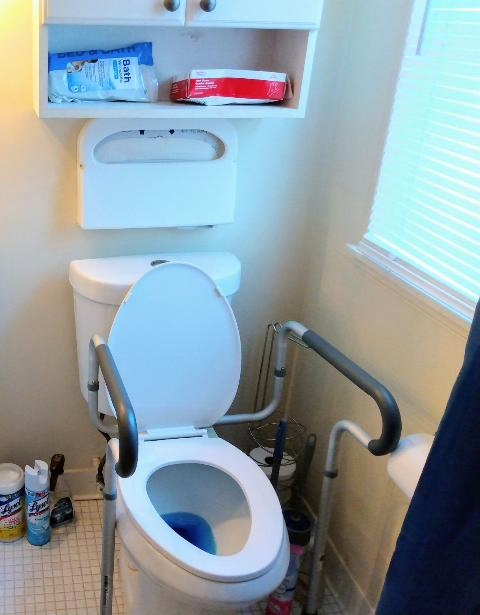
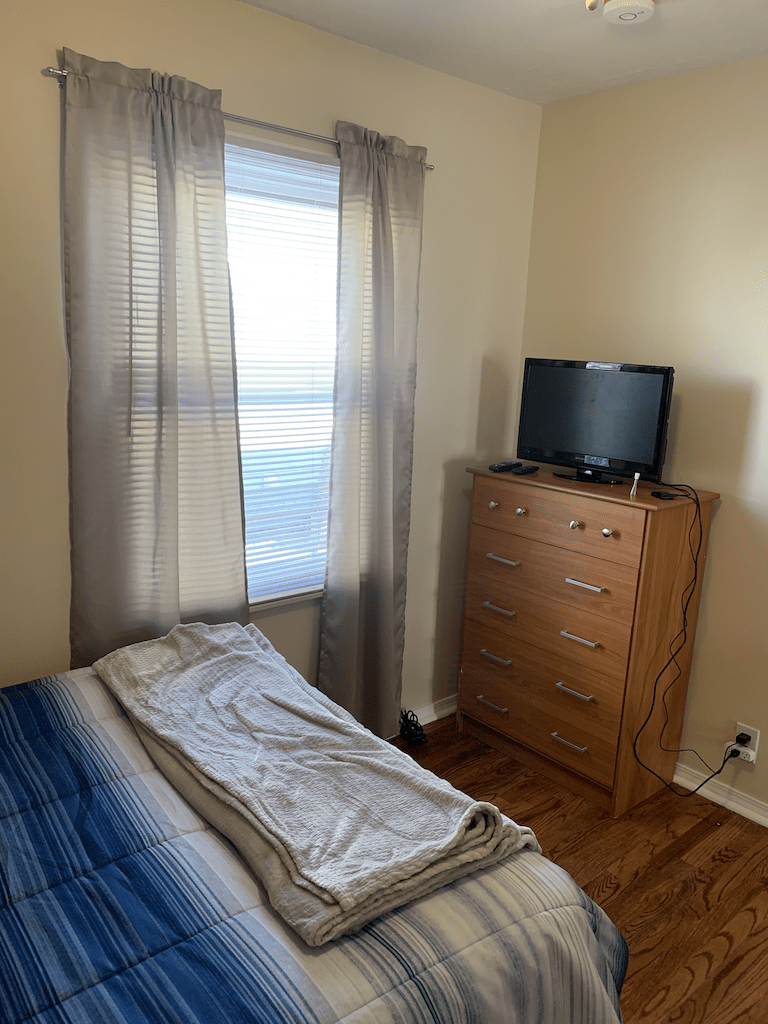
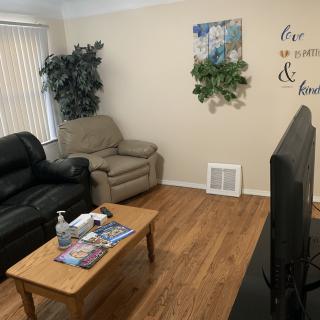
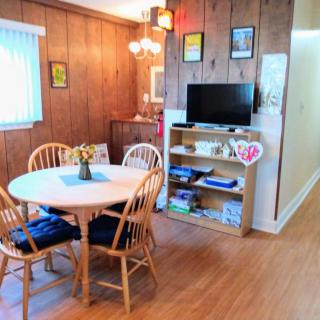
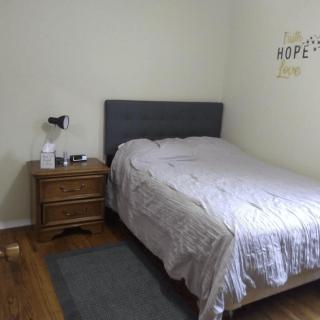
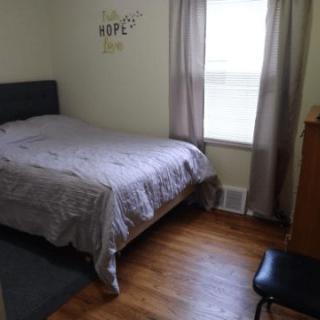
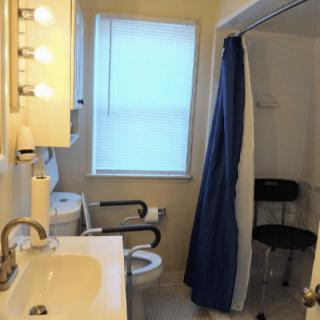
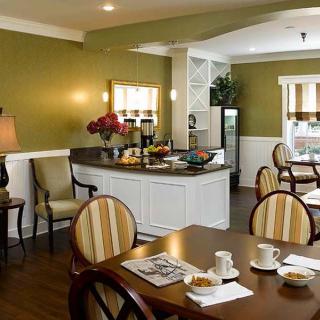
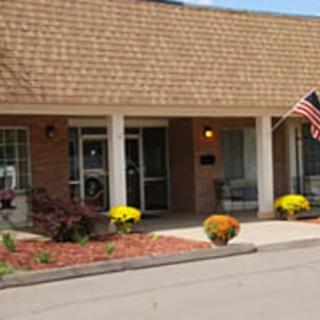
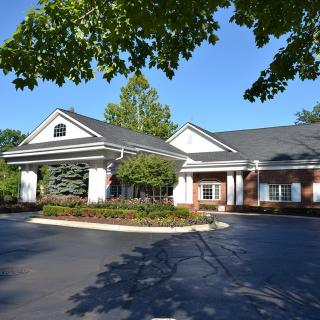
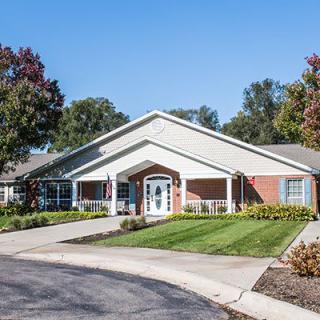
 My Peaceful Refuge is a very beautiful facility.
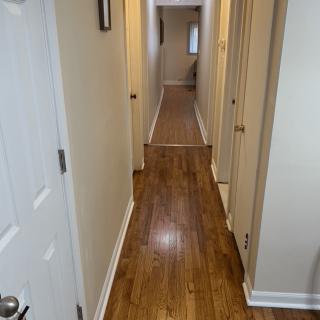
- The home is very spacious and in a great location.
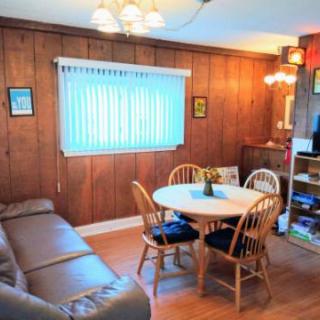
- The reviewers were impressed by the amount of space and the beautiful updated kitchen.
Cons
 They felt the facility was not what their loved one needed.
- Their loved one declined quickly while in My Peaceful Refuge.
- They were told they would not be welcomed back after leaving.
- They felt they were being punished and rejected for pulling their loved one out.
Review
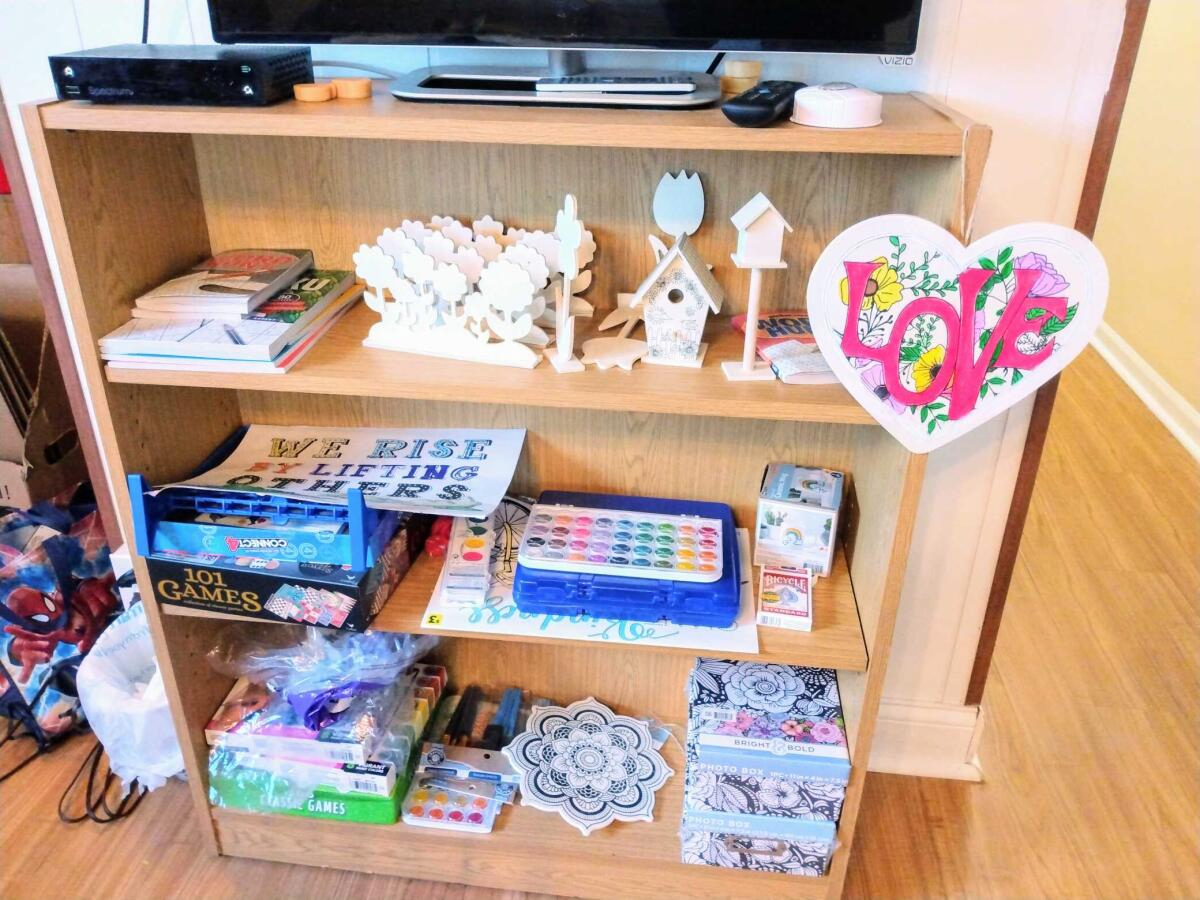
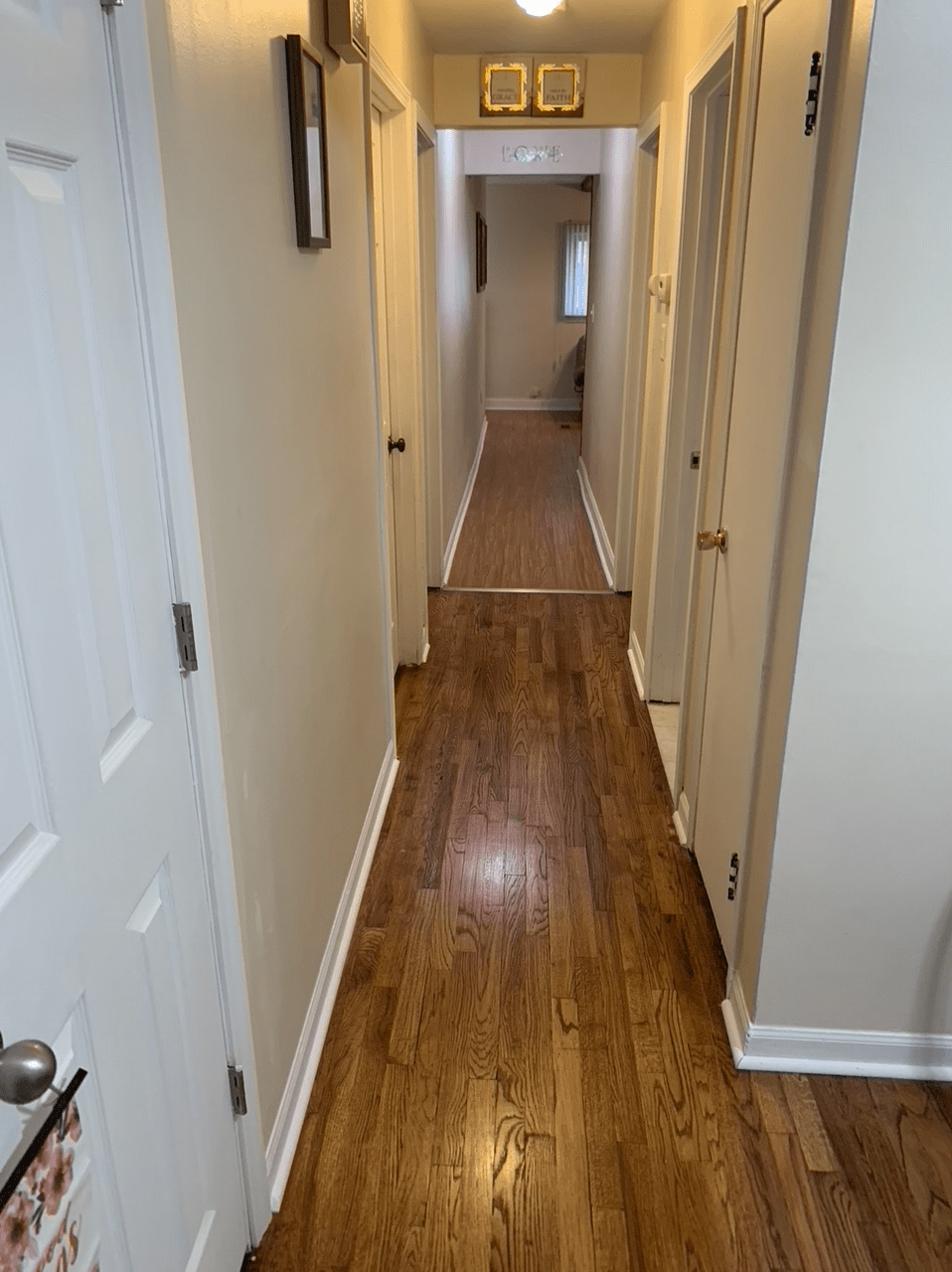
My Peaceful Refuge in Redford Township is best suited for families seeking a serene, home-like setting with generous space, a polished physical environment, and a convenient location. The facility’s aesthetic appeal and calm, residential feel matter to residents who do not require high-stimulation programming and whose care needs are modest or well-contained. A spacious footprint and an updated kitchen contribute to a sense of dignity and routine, making daily life feel less institutional. For a loved one who prizes quiet days, proximity to conveniences, and a low-stress daily rhythm, this setting can feel like a solid fit. The emphasis here is on comfort, privacy, and a peaceful pace rather than on aggressive activity.
Those evaluating My Peaceful Refuge should explicitly consider alternatives if a higher level of engagement is necessary. Families with relatives who require ongoing stimulation, robust social programming, or a care plan that evolves toward more independence may find the environment insufficient. One family’s experience suggests a rapid decline when the resident’s needs surpassed what the community could sustain, underscoring a potential mismatch between care trajectory and programming. Compounding that concern, there is a perception that leaving the community triggers a punitive stance about reentry, which can complicate transitions. For residents who thrive on structured activities, meaningful interaction, or memory-support services, other options with stronger engagement and clearer, more flexible readmission policies are worth a closer look.
The strongest positives center on aesthetics and space. The home’s beauty and roomier layout reduce crowding and create a sense of personal territory, which can support comfort and dignity in daily routines. Being in a well-located setting adds practical value for families balancing visits, errands, and medical appointments. An updated kitchen is more than cosmetic; it supports normal meal routines and a home-like atmosphere that can boost morale. In short, these attributes help residents feel settled and valued, particularly when care needs are stable and light assistance suffices.
Yet the cons are consequential and should not be minimized. The central concern is whether the staff can accommodate a resident whose needs may escalate or require more robust engagement. The reported negative outcome, decline in care needs while in residence, and the subsequent perception of a punitive response to withdrawal create a troubling picture for families weighing long-term placement. Uncertainty about policies governing readmission after a move adds a layer of risk to transitions, especially during emotionally charged periods. In combination, these factors raise questions about continuity of care, responsiveness to evolving needs, and the emotional climate surrounding moves.
Ultimately, the pros and cons must be weighed against the resident’s care trajectory. For seniors who prioritize a calm, dignified environment and who can maintain independence with light supervision, the positives may outweigh the drawbacks. The spacious, attractive setting and strategic location can support a comfortable, low-stress lifestyle without feeling clinical or restrictive. However, for those whose loved ones need active daily engagement, social programming, or a care plan that adapts to increasing requirements, these strengths may be insufficient. The risk of restrictive transitions and uncertain reentry protocols makes alternatives with richer activity calendars and clearer progression paths compelling.
Practically, a well-informed visit is indispensable. Prospective families should request a detailed, week-by-week activity schedule and ask how programs are tailored to different levels of need. Clarify staff-to-resident ratios, care planning processes, and how plans adapt as conditions change. Direct conversations about admissions and readmission policies can reveal whether the community truly supports flexible transitions. Obtain candid feedback from current residents or families about daily life, engagement opportunities, and the tone of staff communication during moves. If memory care, more intensive supervision, or higher engagement are essential, compare with other nearby options offering a continuum of care. My Peaceful Refuge can deliver a serene, dignified retirement experience for the right resident, but the match must be precise: a tranquil setting for stable, modest needs rather than a base of operation for evolving independence and active engagement.
 Board and Care Home
 Day Program
 Air-conditioning
 Cable or satellite TV
 Devotional services on-site
 Indoor common areas
 Outdoor common areas
 Private
 Respite or short term stays offered
 Wi-Fi/high-speed internet available
 Detroit Metropolitan-Wayne County (15 miles away)
 Ambulatory care
 Diabetic care
 High acuity care
 Incontinence care
 Medication management
 Gluten-free
 Art classes
 Day trips and outings
 Karaoke
 Light therapy programs
 Live well programs
 Trivia games
 Visiting chaplain or priest
 A Detailed Examination of Nursing Home Costs Across the U.S.
 Exploring Nonmedical Home Care: Understanding Services, Costs, and Financial Approaches
 Engaging Brain Games and Innovative Apps to Keep Senior Minds Active